
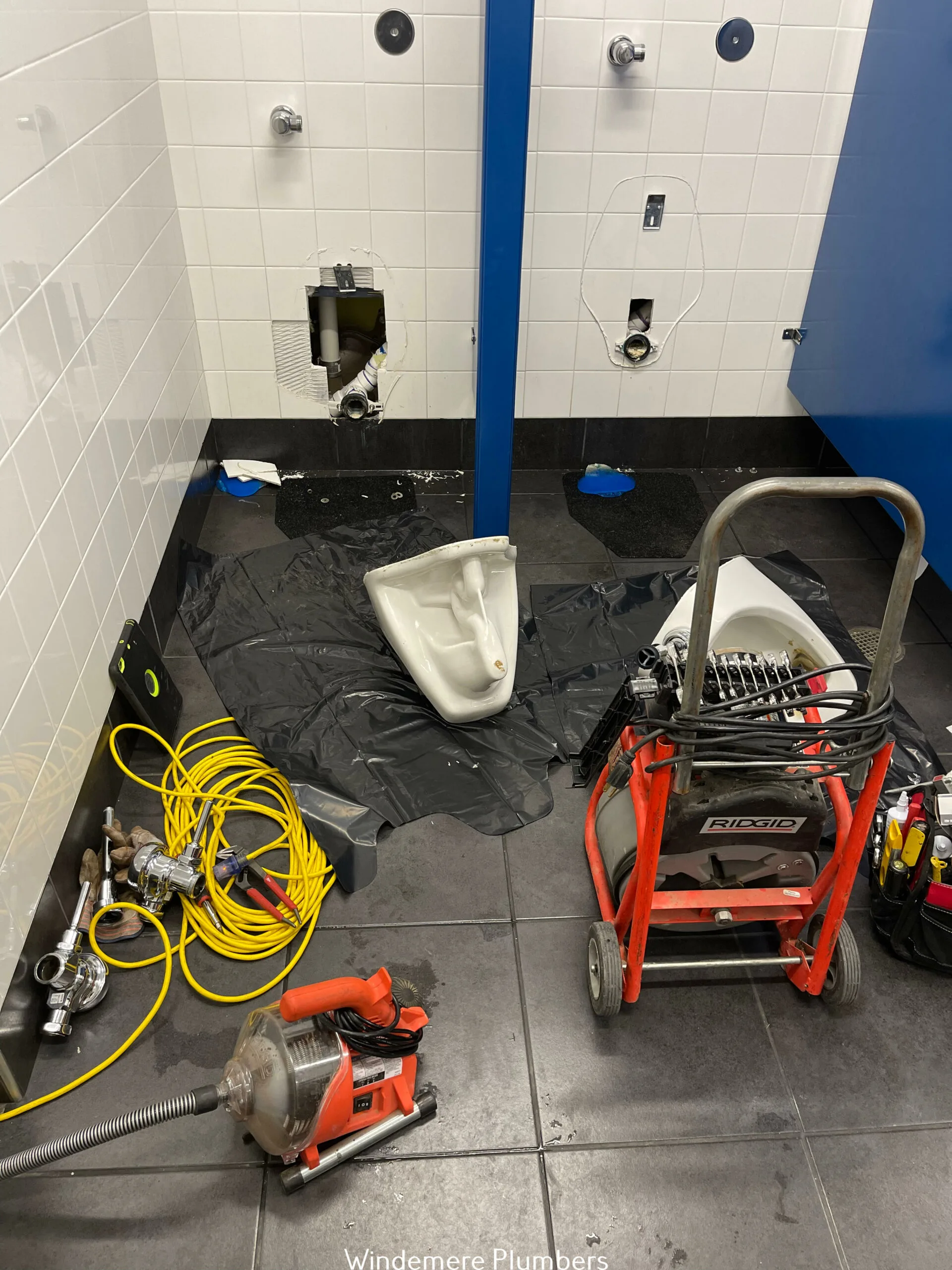
In Texas, gas line work — installation, repair, modification, or extension — must be done by a plumber licensed by the Texas State Board of Plumbing Examiners (TSBPE). Williamson County and the City of Round Rock require a permit and an inspection for any gas line work other than minor repairs. Doing this work without a license is illegal, dangerous, and voids your homeowners insurance if anything goes wrong.
This guide explains the licensing landscape, what to look for when hiring, and how the permit and inspection process works locally.
Texas Gas Line Licensing
The Texas State Board of Plumbing Examiners issues several plumber licenses. For gas work, the relevant tiers:
- Master Plumber — top-level license, required for gas line installations and natural gas service work
- Journeyman Plumber — can perform gas work under a Master Plumber's supervision
- Plumber's Apprentice — assists, cannot perform unsupervised gas work
The license number is public. You can verify any plumber by searching the TSBPE license lookup. Any contractor who refuses to provide their license number is a red flag.
Why It Has to Be a Licensed Plumber, Not a Handyman
Gas line work involves:
- Pressure testing to verify integrity (gauge testing at 1.5x working pressure)
- Proper joint compound rated for gas (most are not)
- Code-compliant materials (CSST, black iron, polyethylene — each has applications)
- Proper sizing for BTU load
- Sediment traps at appliances
- Code-compliant shut-off valve placement
- Bonding (CSST must be electrically bonded to prevent lightning damage)
A leak in a gas line is not like a leak in a water line. A gas leak can kill people. Texas law specifically restricts this work to licensed plumbers because the public safety stakes are high.
What to Look For When Hiring
A reputable gas line contractor will:
- Provide their TSBPE Master Plumber license number on the quote
- Carry general liability and worker's compensation insurance
- Pull the permit themselves
- Schedule the inspection
- Pressure-test the new line in front of you or document the test
- Provide a written warranty
- Wait for inspection before final close-out
If a contractor wants to "skip the permit" to save you money, walk away. Permitted, inspected gas work is the difference between a documented safety record and a future insurance disaster.
The Round Rock Permit Process
For gas line installation or substantial modification in Round Rock:
- Plumber submits permit application with the City of Round Rock or Williamson County (depending on jurisdiction)
- Permit fee paid — typically $75-200 for residential gas work
- Work performed to current International Fuel Gas Code adopted by the city
- Pressure test conducted — line is pressurized and held to verify no leaks
- Inspection scheduled — city inspector visits to verify code compliance
- Inspection passed — permit is closed
- Atmos Energy restores service (if it was off during work)
The process typically takes 1-2 weeks total. Same-day repairs can be done with an emergency permit followed up with inspection.
Common Gas Line Jobs in Round Rock
| Job | Permit required | Typical cost |
|---|---|---|
| Replacing a flex connector at an appliance | Usually no | $125-250 |
| Repairing a leak at an existing fitting | Yes | $250-650 |
| Adding a gas line to a new appliance | Yes | $400-1,500 |
| Running gas to a new outbuilding (kitchen, generator, fire pit) | Yes | $800-3,500 |
| Replacing an old corroded buried line | Yes | $1,500-6,000 |
| Whole-home gas re-line | Yes | $4,000-12,000 |
| Tankless water heater gas line upgrade | Yes | $400-1,200 |
What Inspectors Look For
Round Rock and Williamson County inspectors verify:
- Pipe material is code-compliant for the application
- Pipe sizing is adequate for total BTU demand
- Shut-off valves are accessible and the right type
- Sediment traps are present where required
- CSST is bonded if used
- Pressure test results are documented
- No unprotected pipe in unsafe locations
- Appliance connections are correct
A failed inspection is a punch list of items to correct, not a permanent denial. Your contractor handles the corrections at their cost (assuming they're not customer-caused).
Why "Just a Quick Connection" Still Needs a Pro
Common DIY gas projects that should be left to a licensed plumber:
- Connecting a new gas range or dryer. The flex connector and shut-off valve work seems simple, but a bad seal means slow gas accumulation. Have a pro do it the first time and inspect periodically.
- Adding a gas line for an outdoor grill or fire pit. Buried lines, code requirements, and pressure considerations make this a licensed-plumber job.
- Replacing an old water heater. If gas is involved, even like-for-like replacements should be permitted and inspected.
What Homeowners Insurance Says
Standard Texas homeowners policies typically:
- Cover damage from a sudden gas line accident
- Exclude damage from "unauthorized work" (DIY without permit)
- May refuse claims if work was done by an unlicensed contractor
- May non-renew if discovered during inspection
The license-and-permit path protects you on multiple fronts: safety, code, and insurance.
Atmos Energy's Role
Atmos Energy delivers natural gas to the meter outside your home. They:
- Maintain the line from the street to the meter
- Provide emergency response for gas leaks
- Restore service after permitted work
- Do NOT perform homeowner-side installations or modifications
For anything past the meter, you need a licensed plumber.
Our Gas Line Service
Round Rock Plumbing holds TSBPE Master Plumber licensing and performs gas line installation, repair, and modification throughout the area. Every gas job includes:
- Written quote with license info
- Permit pulling and fee
- Code-compliant materials
- Pressure test documentation
- Scheduled inspection
- Warranty on workmanship
Service throughout Round Rock, Cedar Park, Pflugerville, Georgetown, and Hutto. Schedule a gas line quote.
Related Articles
Need Professional Plumbing Help?
Our licensed plumbers are ready to help with any plumbing issue. Contact us today for fast, reliable service.
Call (512) 598-4241