
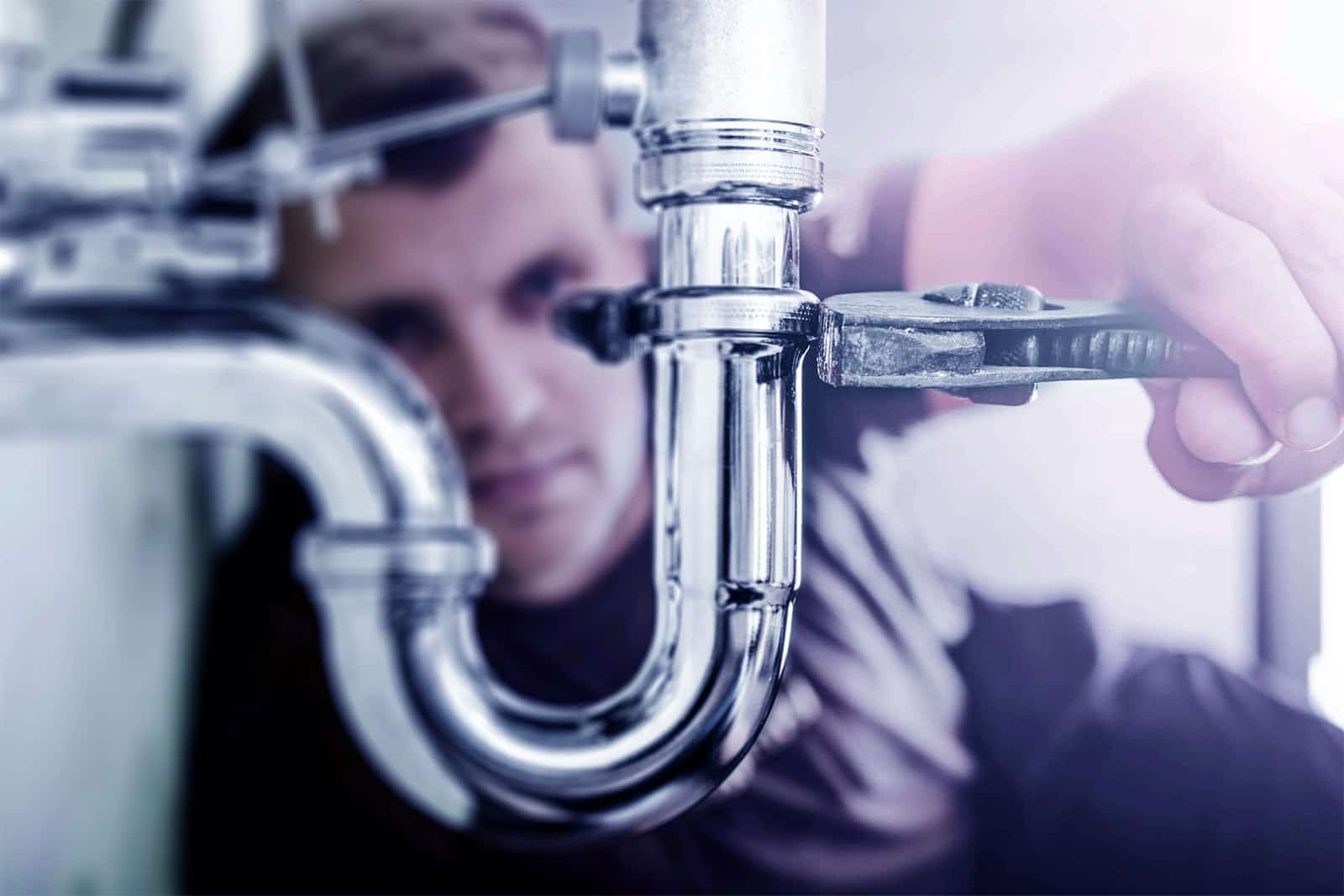
A whole-home repipe replaces the original water supply pipes throughout your house with new modern materials — typically PEX or copper. It is one of the larger investments a homeowner makes in their plumbing ($4,000-12,000 for most Round Rock homes), and it pays off when you stop chasing leak after leak in pipe that has reached the end of its life.
Four signs tell you it is time to stop spot-repairing and seriously consider a full repipe.
Sign 1: Repeated Leaks in Different Locations
A single leak is a single fix. Two leaks in the same fitting is a bad fitting. But three or more pinhole leaks in different parts of the home, across copper or galvanized pipe that is all the same age, signals systemic pipe failure.
The math: each leak repair runs $400-1,200. At three repairs, you have spent enough that an additional $3,000-8,000 for a full repipe ends the cycle permanently and adds 50+ years of life to the system.
Sign 2: Discolored or Rusty Water
If your cold water comes out tinted brown, orange, or yellow — especially after the system has been idle (overnight, morning) — your supply pipes are corroding from the inside. This is most common in galvanized steel pipe, which Round Rock homes built before 1970 may still have.
Cold water should be visually clear. Persistent discoloration that does not come from a single fixture (like a stained water heater anode) means the pipes themselves are shedding rust into your water.
This is not just cosmetic — old galvanized pipe sheds metals and rust particles you ingest in cooking and drinking water.
Sign 3: Chronic Low Water Pressure
Mineral scale, rust, and corrosion narrow the inside diameter of pipes over decades. A 3/4 inch supply line that has been delivering water in Round Rock's hard-water environment for 40 years may have an effective inside diameter of 3/8 inch.
If multiple fixtures throughout the house have reduced pressure — not just one — and you have ruled out PRV failure and aerator clogs, the pipes themselves are restricting flow.
Sign 4: Noisy Pipes (Banging, Hissing, Whistling)
Old pipe makes noise:
- Banging (water hammer) — usually a valve or arrestor issue, but worsens when pipes are aged and brittle
- Hissing — a slow leak somewhere in the system
- Whistling at high flow — narrowed pipe (scale and corrosion)
- Ticking when hot water runs — pipe expansion against tight straps, often a sign of brittle pipe
One or two of these does not mean repipe. All of them across the house probably does.
Specific Pipe Materials to Watch For
Galvanized steel. Used through about 1960 in residential construction. End of useful life. If your home has galvanized supply lines, repiping is a "when" not "if" decision.
Polybutylene (PB or PolyB). Used 1978-1995, including in many Round Rock homes built in that era. Known to fail without warning. Insurance companies often refuse coverage or require replacement. See our dedicated post on polybutylene replacement.
Type M copper. Thin-walled copper used in many 1990s-2000s homes. More vulnerable to pinhole leaks in hard-water markets than the thicker Type L. If you have had multiple slab leaks in a Type M home, repipe is the long-term fix.
Old PEX (pre-2005). Some early PEX-A and PEX-B installations had quality issues. Generally still good, but worth a professional inspection if your home was built in the 1996-2005 window.
Modern copper (Type L) and modern PEX. Long lifespans. Repipe only if there are specific issues.
Spot Repair vs. Whole-Home Repipe
Spot repair makes sense when:
- This is the first leak in the home
- The leak is in an accessible location
- The pipe is in otherwise good condition
- Budget is tight and you want to defer the bigger decision
Whole-home repipe makes sense when:
- Multiple leaks have already occurred
- Pipe material is past expected lifespan
- Insurance is threatening to drop coverage
- Selling the home soon and want a clean disclosure
- Investing in renovation that touches walls anyway
The break-even is usually around 3-4 spot repairs over 5-10 years.
What a Modern Repipe Looks Like
Most Round Rock repipes today use PEX-A or PEX-B running through walls and attic space, eliminating under-slab pipe entirely. Process:
- Inspection and quote. Camera or wall-opening inspection of current condition.
- Wall openings. Small access holes at strategic locations to fish new pipe.
- Run new lines. PEX is flexible and routes around obstacles.
- Connect to fixtures. New supply stops at each fixture.
- Pressure test. New system tested at 100+ PSI before being put in service.
- Drywall repair. Patch the access holes (we coordinate or sub).
- Inspection by Williamson County. Permit closed.
Typical timeline: 2-5 days for a 2-3 bath home depending on complexity.
What Repiping Costs in Round Rock
| Home size | PEX repipe | Copper repipe |
|---|---|---|
| 1-bath, under 1,500 sf | $3,500-5,500 | $6,000-9,500 |
| 2-bath, 1,500-2,500 sf | $4,500-7,500 | $8,000-14,000 |
| 3-bath, 2,500-3,500 sf | $6,000-10,000 | $11,000-18,000 |
| 4+ bath, 3,500+ sf | $8,000-12,000+ | $14,000-22,000+ |
PEX is the dominant material today because it costs less, installs faster, resists freeze damage better, and lasts as long as copper in most conditions. See PEX vs. copper.
Add 10-25% for drywall repair if not included in the base quote.
When to Schedule
If you have any combination of the four signs and budget allows, get a free quote and a written diagnostic from a licensed plumber. The cost of one more pinhole leak — and the water damage it causes if not caught early — often exceeds the deductible on a financed repipe.
Service
Whole-home repiping throughout Round Rock, Cedar Park, Pflugerville, Georgetown, and Hutto. Free estimates with detailed diagnostic.
Related Articles
Need Professional Plumbing Help?
Our licensed plumbers are ready to help with any plumbing issue. Contact us today for fast, reliable service.
Call (512) 598-4241