Your water heater might be signaling trouble, and catching the signs early can save you from expensive repairs or even a full replacement. Here are five key warning signs to watch for:
- Inconsistent Water Temperature: Fluctuations in water temperature could point to failing heating elements, sediment buildup, or a faulty thermostat.
- Unusual Noises: Rumbling, popping, or banging sounds often indicate sediment buildup or mechanical issues.
- Leaks or Puddles: Even small leaks can lead to water damage or signal tank corrosion.
- Discolored Water: Brown or rusty water is a sign of tank corrosion or a failing anode rod.
- Low Water Pressure: Sediment buildup in the tank or valves can restrict water flow.
Ignoring these issues could lead to system failure, water damage, or safety risks like electrical hazards. Acting quickly – whether it’s flushing the tank, replacing a part, or scheduling professional maintenance – can save you money and extend the life of your water heater.
Signs of Water Heater Repair | Atlas Butler Columbus Plumbers

1. Water Temperature Changes Frequently
When your water heater struggles to keep a steady temperature, it’s often a sign that something’s wrong. Maybe your shower starts off hot but turns lukewarm halfway through, or the water temperature swings unpredictably between scalding and barely warm. These fluctuations are a common indicator that your water heater might be on its way out.
Several issues can cause this problem. For electric water heaters, failing heating elements often lead to inconsistent heating. In gas models, trouble with the pilot light or burner can produce similar temperature swings. A malfunctioning thermostat is another potential culprit.
"A simple thermostat replacement may suffice, but failing heating elements signal a larger issue." – Constellation
The type of water heater you own can offer clues about the problem. In traditional tank models, sediment buildup can reduce storage capacity and hurt performance. Tankless systems, on the other hand, usually experience mechanical or electrical failures when temperature issues arise.
Potential Risks of Ignoring the Issue
If you ignore these temperature swings, you might be setting yourself up for bigger problems. A water heater that’s constantly struggling to maintain heat puts extra strain on its components, which can lead to complete system failure. Left unchecked, these issues often result in the need for a full replacement.
Benefits of Prompt Repair and Cost Savings
Addressing the problem early can save you money and extend the life of your water heater. A professional technician can diagnose whether you’re dealing with a simple thermostat issue or something more serious, like failing heating elements.
For example, replacing a faulty thermostat typically costs between $50 and $250, which is far cheaper than replacing the entire system. Catching the issue early often means a quick and affordable fix, helping you avoid more extensive repairs or a costly replacement down the road. Plus, restoring consistent water temperatures not only improves your daily comfort but also reduces the risk of further damage over time.
Up next, we’ll look at unusual noises – another red flag that your water heater might be in trouble.
2. Strange Sounds Coming from Your Water Heater
Your water heater is designed to operate quietly. If you start hearing odd noises – like rumbling, popping, banging, knocking, gurgling, or creaking – it’s a clear sign that something might be wrong with the system.
The most common reason for these sounds is sediment buildup at the bottom of the tank. Over time, minerals from your water supply settle and harden there. When the heater warms up, steam bubbles form under the sediment, making it sound like the water is boiling. These deposits can also create additional disruptions and noises, signaling that your system might be facing more than just sediment issues.
Creaking sounds, on the other hand, are usually tied to mechanical problems. Unlike sediment-related noises, these indicate failures that require immediate attention and won’t resolve on their own.
Potential Risks of Ignoring the Issue
Ignoring these strange sounds can lead to serious problems. Sediment buildup forces your water heater to work harder, which increases energy consumption and raises your bills. Over time, this extra strain can cause overheating, tank damage, or even leaks. If left unchecked, these issues may escalate into a complete system failure, leaving you without hot water when you need it most.
Why Addressing the Problem Matters
Taking action as soon as you notice unusual sounds can save you from costly repairs later. A professional inspection and a tank flush can often resolve the issue before it worsens. Regular tank maintenance – flushing it at least once a year or every six months if you have hard water – helps clear out mineral deposits and prevents future noise problems. If the noises persist even after flushing, it’s time to bring in a professional for a closer look.
Short-Term Costs Versus Long-Term Savings
Fixing the problem early is far more affordable than waiting for a major breakdown. Repairs for water heaters typically cost between $90 and $1,730, while replacing the entire unit averages around $880. A simple tank flush or minor fix now can save you from the expense of significant repairs or a full replacement later. Addressing the issue promptly not only extends the life of your water heater but also keeps it running efficiently and helps control energy costs.
Next, we’ll dive into another major warning sign: water leaks and puddles.
3. Water Leaks or Puddles Around the Unit
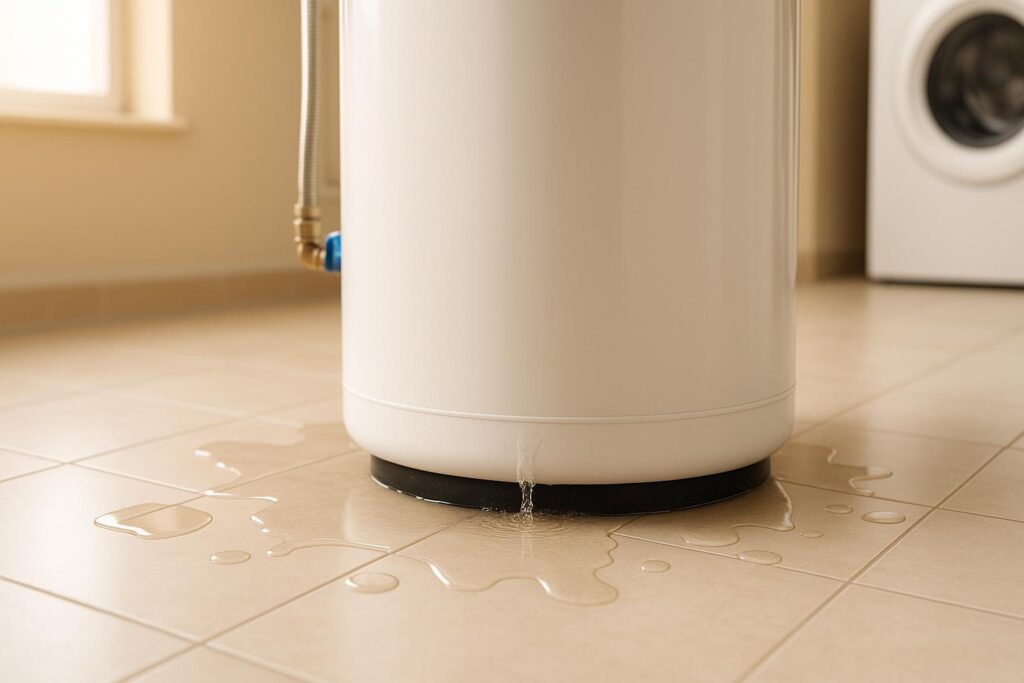
Noticing water around your water heater? That’s a red flag you shouldn’t ignore. Even a small leak could signal a bigger problem that needs attention. These leaks often stem from loose fittings, corroded pipes, or a tank that’s starting to fail.
Start by checking the base of your water heater. Look for wet patches on the floor, rust stains, or any standing water. Inspect the pipes connected to the unit and the pressure relief valve, which is usually located on the side or top of the tank. Sometimes, what looks like a leak might just be a loose connection that can be tightened.
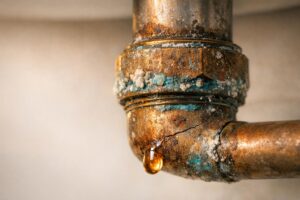
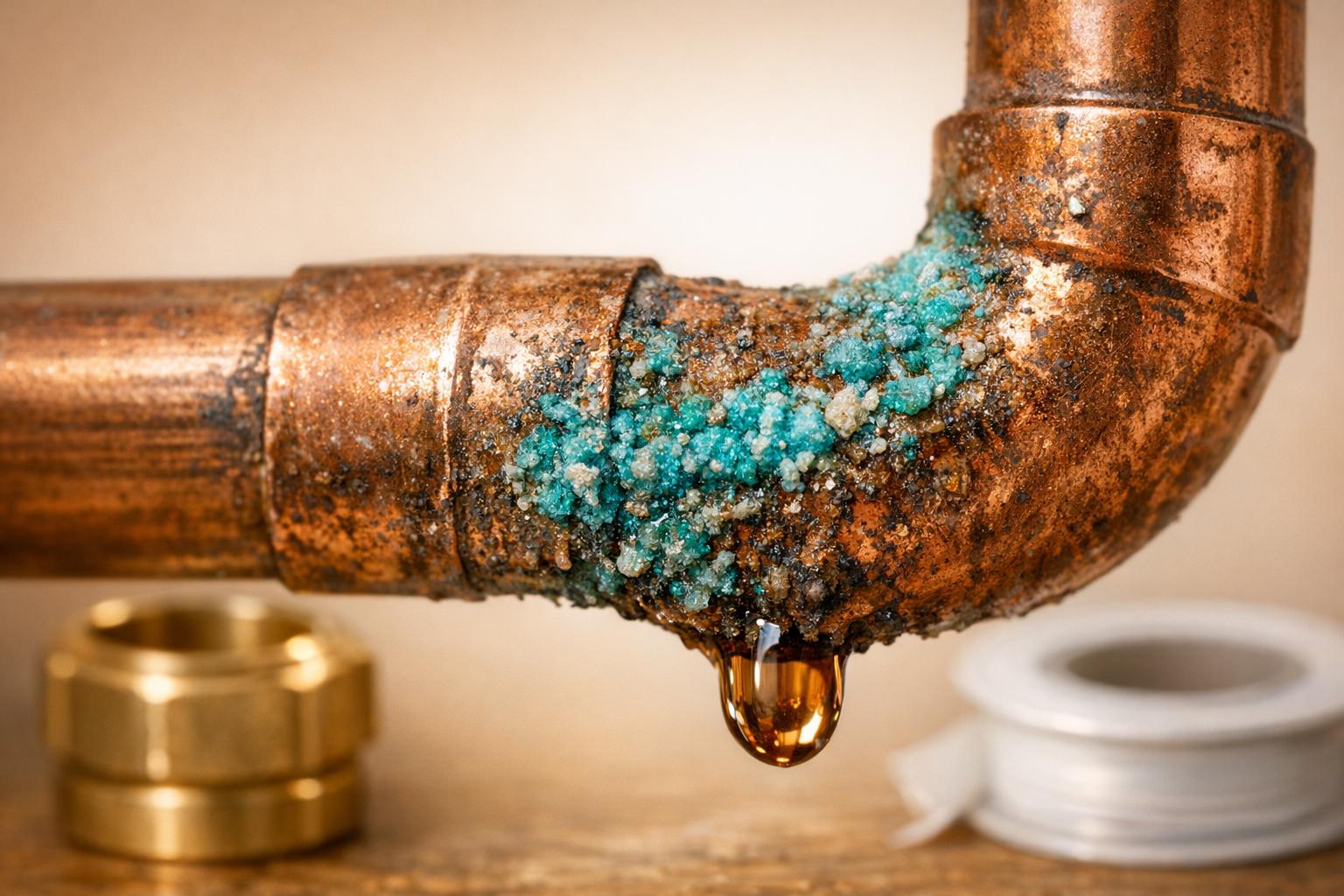
If the tank itself is corroding, that’s a more serious issue. Over time, the lining inside the tank can deteriorate, allowing water to seep out. These leaks might start small but typically get worse, signaling that your water heater could be nearing the end of its lifespan. A leaking tank not only affects your water heater’s performance but can also compromise the safety and structure of your home.
What Happens If You Ignore It?
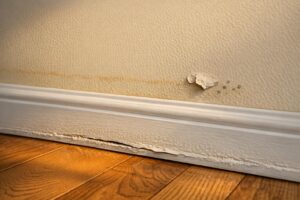
Water leaks can cause far-reaching damage. Beyond soaking the area around your water heater, persistent leaks can ruin your flooring, walls, and nearby belongings. They also create the perfect conditions for mold, which can pose health risks.
On top of that, there’s the danger of electrical hazards. If your water heater is near outlets, wiring, or your electrical panel, the combination of water and electricity can lead to fires or shocks – both of which are serious safety concerns.
Why Quick Repairs Matter
Taking care of leaks quickly can save you a lot of trouble. Fixing issues like loose connections or worn-out seals early on is often straightforward and much cheaper than dealing with major damage later. A professional plumber can pinpoint the source of the problem and ensure it’s properly addressed.
By acting fast, you’re not just saving your water heater – you’re also protecting your home and belongings from costly repairs down the road. Addressing leaks promptly helps you avoid bigger headaches and keeps everything running smoothly.
Next, let’s talk about what discolored water might mean for your system.
sbb-itb-5fe396b
4. Brown or Rusty Water from Taps
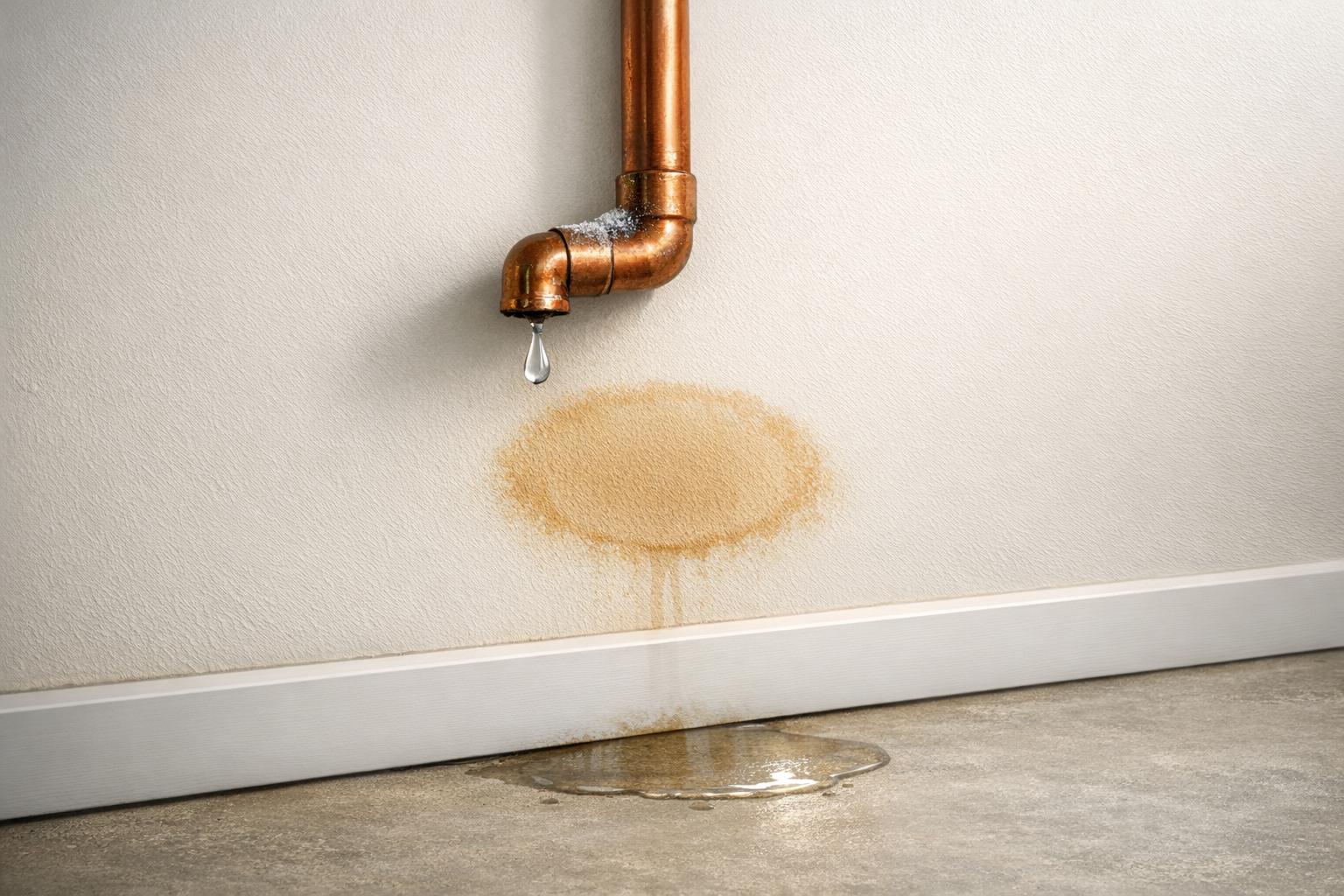
If you turn on your hot water tap and notice brown, rusty, or discolored water, it’s a clear sign something’s wrong. This kind of discoloration usually points to corrosion inside your water heater tank, where rust and sediment have mixed into the water.
The likely culprits? A deteriorating anode rod or mineral buildup. The anode rod is designed to protect your tank from corrosion, but when it starts breaking down, rust and sediment can seep into your water. You might notice this discoloration more when the hot water hasn’t been used for several hours.
To identify the problem, check if the discoloration happens only with hot water or with both hot and cold. If it’s just the hot water, your water heater is likely the source. If both are affected, the issue might stem from your main water supply or plumbing system.
Potential Risks of Ignoring the Problem
Using rusty water can lead to more than just inconvenience. It can stain your clothes, dishes, and fixtures, leaving you with extra cleanup and replacement costs. Worse yet, the corrosion causing the discoloration can spread, eventually leading to complete tank failure and even flooding. Corroded areas in the tank may also create conditions for harmful bacteria to grow, potentially contaminating your water supply. This can pose serious health risks, particularly for those with weakened immune systems.
Addressing the issue quickly helps avoid these risks while keeping your water system running smoothly.
Why Quick Repairs Matter
Taking action immediately can save you a lot of trouble – and money. Replacing the anode rod and flushing the tank can stop corrosion in its tracks, protect your fixtures and appliances, and prevent costly system failures. A professional tank flush clears out sediment, restoring water quality and improving the efficiency of your system. Plus, fixing the problem early helps safeguard your plumbing, as rusty water can damage faucets, showerheads, and other appliances that rely on hot water.
While repairs might involve some upfront costs, delaying them can lead to even bigger expenses. Think stained linens, damaged fixtures, emergency plumbing visits, or even the need for a full water heater replacement. Acting quickly is not just a smart move – it’s a cost-effective one.
You might also notice that discolored water often comes with reduced water pressure, another reason to address the issue promptly.
5. Low Water Pressure Throughout Your Home
If you notice that your hot water pressure is weak while the cold water pressure stays strong, the culprit is often sediment buildup in your water heater tank or valves. Over time, minerals and debris settle at the bottom of the tank, clogging it and restricting the flow of hot water. These blockages can also form in the valves, further reducing pressure.
The good news? You can prevent this with regular maintenance. Draining your water heater every six months helps clear out sediment, ensuring steady water pressure and keeping your system running efficiently. This simple step can also extend the lifespan of your water heater.
However, if the problem continues even after maintenance, it’s time to call in a professional. Scheduling an inspection with Round Rock Plumbing can help identify and address underlying issues before they become bigger headaches.
Warning Signs Comparison Chart
Understanding the financial consequences of ignoring water heater issues versus addressing them early can guide smarter repair decisions. The chart below highlights how prompt action can save money and prevent bigger problems down the road.
| Warning Sign | Ignoring the Problem | Addressing It Promptly | Cost Impact |
|---|---|---|---|
| Temperature Fluctuations | Major component failures may occur, leading to expensive repairs | Minor adjustments, like thermostat calibration, often solve the issue | Lower costs |
| Strange Noises | Sediment buildup can damage the tank over time | Routine flushing and maintenance restore proper function | Reduced expenses |
| Water Leaks | Extensive damage to floors, walls, and surrounding areas | Quick fixes, such as valve or seal replacements, prevent further harm | Lower costs |
| Rusty Water | Early tank corrosion, if ignored, may lead to full replacement | Replacing the anode rod can control corrosion and extend the unit’s life | Reduced expenses |
| Low Water Pressure | Buildup may affect water flow and plumbing integrity | Cleaning and flushing restore normal pressure | Lower costs |
This chart underscores a clear point: addressing issues early not only saves money but also extends the lifespan of your water heater.
Some problems escalate faster than others – temperature fluctuations can become severe quickly, while sediment buildup is more gradual. Leaks, however, can cause significant damage in a short time. By catching these warning signs early, you can avoid costly emergencies. Round Rock Plumbing’s preventive maintenance plans can help turn potential replacements into manageable repairs, giving you peace of mind and long-term savings.
Conclusion
Your water heater plays a crucial role in your home, and addressing issues promptly can save you from costly damage and potential safety risks.
Those five warning signs – temperature fluctuations, unusual noises, leaks, discolored water, and reduced water pressure – are your system’s way of signaling for help. Ignoring these red flags could lead to a total breakdown, extensive water damage, and expensive emergency repairs.
Beyond property damage, unresolved water heater problems can threaten your safety. For instance, gas water heaters with poor ventilation could lead to carbon monoxide exposure, while faulty electrical components might pose a fire risk. Acting quickly can prevent these dangers from escalating.
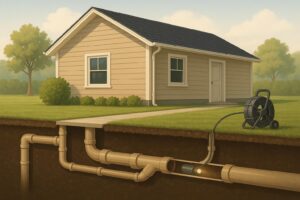
Round Rock Plumbing is here to help with 24/7 emergency services and regular maintenance options. Using advanced tools like electronic leak detection and drain camera inspections, they can pinpoint and address small issues before they turn into big problems.
Don’t wait until you’re stuck with freezing showers or water damage. Call Round Rock Plumbing today for a professional assessment. Their licensed technicians will evaluate your system and guide you on whether a repair or an upgrade is the right move.
FAQs
What could happen if I ignore problems like leaks or sediment buildup in my water heater?
Ignoring issues with your water heater, like leaks or sediment buildup, can lead to major headaches down the line. Sediment accumulation, for example, can make your system work harder than it should, driving up your energy bills and causing inconsistent water temperatures. Meanwhile, leaks can escalate into costly water damage and even create the perfect environment for mold to thrive if left unchecked.
In the worst-case scenario, neglecting these problems could result in a complete water heater failure. That means no hot water and the hefty expense of replacing the entire unit. Tackling these issues early not only saves you money but also spares you the hassle of dealing with a bigger problem later.
How can I figure out if the discoloration in my water is caused by the water heater or the main water supply?
If you notice discoloration only in your hot water, the culprit is likely your water heater. This could be due to sediment buildup or rust forming inside the tank. On the other hand, if the discoloration appears in both hot and cold water, the issue might originate from your main water supply or the plumbing system in your home. To pinpoint the source, check both taps and see if the discoloration is consistent across them.
How can I maintain my water heater to avoid issues like inconsistent temperatures or low water pressure?
Proper maintenance plays a big role in keeping your water heater running efficiently and avoiding common headaches like uneven water temperatures or weak water pressure. Here’s how you can keep things in check:
- Flush the tank once a year to clear out sediment that can reduce performance over time.
- Look for leaks around the unit to spot any problems before they escalate.
- Test the temperature and pressure relief valve regularly to make sure it’s in good working order.
- Inspect the anode rod every so often to help prevent corrosion inside the tank.
- Set the thermostat to about 120°F – this strikes a good balance between efficiency and safety.
By following these steps, you can help your water heater last longer and perform better. If issues persist despite regular maintenance, it’s smart to call in a professional to take a closer look and handle any necessary repairs.