Fixing a clogged drain is easier than you think. Most minor clogs can be cleared in under 30 minutes using simple household items like baking soda, vinegar, or a plunger. This saves you time, money, and the hassle of waiting for a plumber. Here’s a quick overview of the best DIY methods:
- Boiling Water: Great for soap scum or grease buildup. Pour in stages for maximum effect. Avoid on PVC pipes.
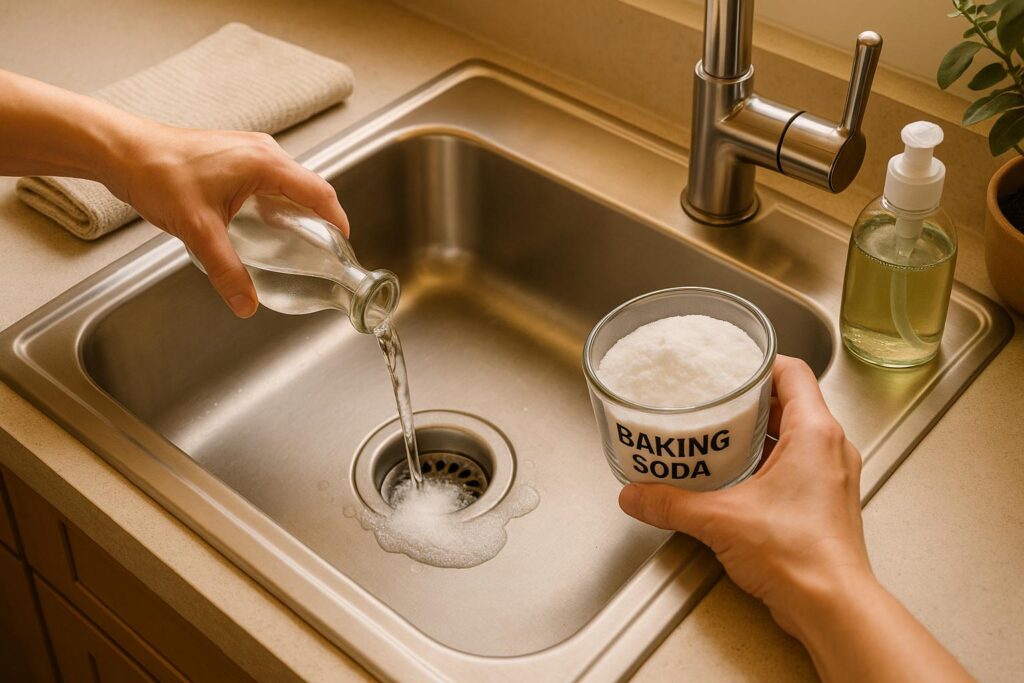
- Baking Soda & Vinegar: A natural, chemical-free solution for minor organic clogs like hair or soap residue.
- Plunger: Effective for localized blockages like those in sinks or tubs.
- Drain Snake: Best for deeper, stubborn clogs beyond the trap.
Prevention Tips: Use drain screens, avoid pouring grease down the sink, and flush drains weekly with hot water to keep them clear.
If these methods don’t work, it might signal a deeper plumbing issue requiring professional help. For most clogs, though, these DIY fixes will do the trick.
How to Unclog Any Drain | Ask This Old House

Common Causes of Drain Clogs
Understanding what’s causing a clog can help you pick the right fix. Different parts of your home deal with unique clogging issues, so pinpointing the culprit can save you time and effort. Let’s break down the common troublemakers in various areas of your home.
Hair, Soap Scum, and Debris in Bathroom Drains
Bathroom drains are notorious for clogs caused by hair, soap residue, and other debris. Hair is often the main offender, forming a tangled net that traps additional debris. Over time, this combines with soap scum and toothpaste residue, creating sticky blockages that cling to pipe walls.
"If it’s a bathroom sink or shower drain, the reason is always hair." – Justin Cornforth, owner and CEO of Ace Home Co.
"In bathrooms, the culprit is different – think hair, soap residue, and toothpaste that congeals over time and sticks to the pipe walls. These clogs form slowly, so by the time you notice the drain slowing down, the blockage is already well on its way." – Brendan McCarthy, CEO and owner of SALT Service Company
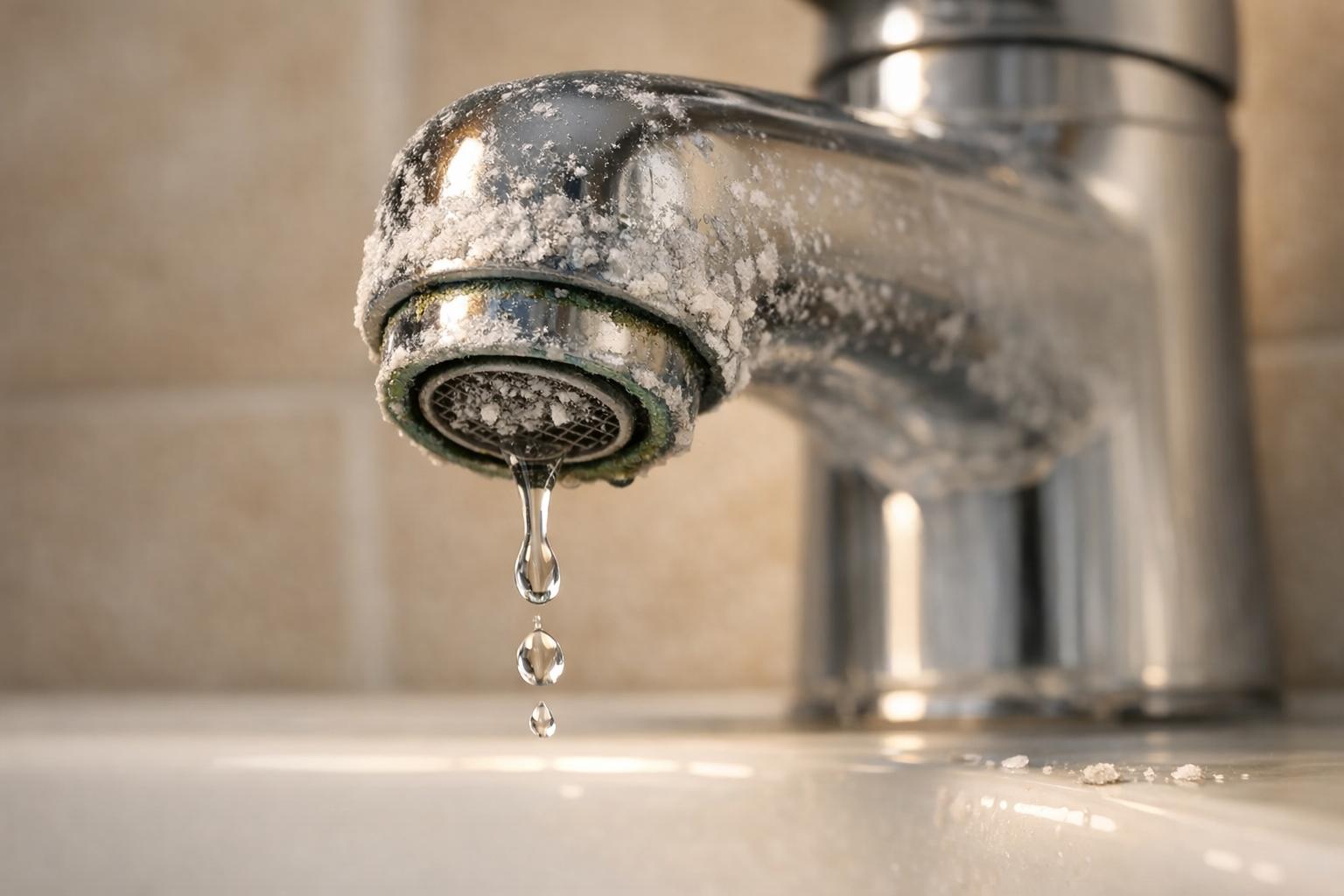
If you live in an area with hard water, the problem can be even worse. Limescale buildup roughens the inside of pipes, giving hair and soap scum more surfaces to cling to, which makes clogs even harder to clear over time.
Grease and Food Waste in Kitchen Drains
Kitchen drains face a completely different set of challenges. Grease, oils, and fats are major culprits. When you rinse greasy pans or plates, these substances may seem to flow down easily, but they cool and solidify inside the pipes. This sticky layer then traps soap residue and food particles, creating a stubborn clog.
"Grease cools and solidifies on pipe walls. Soap scum binds to that sticky layer. Hair twists into a net that catches everything. In hard-water areas, limescale roughens the pipe interior, adding grip for residues. Together, these layers slow flow, trap odours and promote bacterial growth. Delay makes the plug tougher, drier and harder to shift." – Alpyne Grass
The longer you let these blockages sit, the harder they are to remove. Over time, they dry out and become more resistant to simple DIY solutions.
Other Common Causes: Foreign Objects and Buildup
Sometimes, clogs are caused by unexpected items. Small objects like coins, cotton swabs, or even jewelry can accidentally fall into drains, leading to immediate blockages that no amount of chemical cleaner can dissolve.
Mineral deposits from hard water also play a role in clog formation. Limescale creates a rough surface inside pipes, making it easier for soap scum, hair, and grease to stick and accumulate.
Knowing what’s causing your clog is the first step to finding the right solution. Whether it’s hair, grease, or a foreign object, understanding the problem can make clearing your drains much easier.
Safety Steps Before You Start
Taking a few precautions can help you minimize exposure to harmful substances while tackling your drain issue.
Wear Protective Gear
Put on nitrile gloves to shield your hands from cleaning agents and any debris you may encounter.
Clear the Area and Remove Standing Water
If there’s standing water in your sink or tub, get rid of it first. This makes it easier to access the drain and reduces the risk of splashing contaminated water. Use a bucket or a cup to scoop out the water for extra safety.
Avoid Mixing Chemical Cleaners
"Never mix home remedies with bleach or commercial drain openers. Some combinations release dangerous fumes." – Alpyne Grass
Once you’ve taken these precautions, you’re ready to move forward safely without combining incompatible cleaning solutions.
Step-by-Step Methods to Unclog Drains at Home
Before you dive into clearing a clogged drain, make sure you’re wearing protective gear and have cleared the area around the drain. Start with the easiest methods and only move to more involved techniques if the clog persists.
Boiling Water for Grease or Soap Scum
Boiling water is a simple and effective way to deal with kitchen drains clogged by grease or bathroom drains blocked by soap scum. Start by boiling 8–10 cups of water.
Pour the boiling water down the drain in three stages, pausing for 10–15 seconds between each pour. This method allows the hot water to work on dissolving grease or soap residue without shocking your pipes.
Important: Use boiling water only on metal pipes. Temperatures above 175°F can damage PVC pipes.
Baking Soda and Vinegar for Chemical-Free Cleaning
This natural combination creates a fizzing reaction that can help break down organic material and clear minor clogs. You’ll need ½ cup of baking soda and ½ cup of white vinegar.
First, pour the baking soda down the drain, followed immediately by the vinegar. The mixture will fizz as it reacts. Cover the drain with a wet cloth or stopper to keep the reaction contained within the pipes. Let it sit for 15–30 minutes, then flush the drain with hot tap water for 2–3 minutes. This approach is safe for your pipes and the environment while effectively tackling minor blockages like hair or soap scum.
Using a Plunger to Remove Blockages
A plunger is great for clearing localized clogs in the U-shaped trap of your drain. Before plunging, seal any overflow openings in the sink or tub with duct tape or a wet cloth. This step ensures maximum suction and pressure on the clog.
Fill the sink or tub with enough water to cover the plunger’s cup. Place the plunger directly over the drain, press down firmly to create a seal, and use short, firm plunges for 20–30 seconds. If water leaks around the edges, reposition the plunger and try again. If plunging doesn’t work, consider using a drain snake for deeper clogs.
Manual Removal with a Drain Snake
For clogs located deeper in the pipes, a drain snake (a flexible rod) is an effective option. This tool can reach beyond the U-shaped trap without damaging delicate surfaces.
Insert the drain snake into the pipe until you feel resistance from the blockage. Rotate the snake slowly to engage the clog, then pull it back out steadily to remove the debris. Keep a towel and bucket handy for cleanup. This method can take 15–30 minutes but is particularly useful for stubborn clogs that other methods can’t fix.
Summary of Methods
| Method | Best For | Time Needed | Benefits | Drawbacks |
|---|---|---|---|---|
| Plunger | Localized clogs in traps | 5–10 minutes | Quick, no chemicals | Requires proper seal and technique |
| Drain Snake | Deeper clogs beyond the trap | 15–30 minutes | Reaches further into pipes | May scratch thin plastic pipes |
Each of these methods is designed to help you clear clogs efficiently while keeping your plumbing in good condition. Always choose the method that best suits your situation and pipe type.
sbb-itb-5fe396b
DIY Methods: Pros and Cons
When tackling clogs yourself, it’s important to weigh the strengths and weaknesses of each method. The effectiveness of these approaches often depends on the type of clog you’re dealing with.
Boiling water is quick, easy, and costs nothing. However, it’s not ideal for grease-related clogs. As plumbing expert Dennis Mulgannon points out:
"Using hot water only will only exacerbate your problem. This is because hot water alone will not break up the grease, it will merely loosen and push the grease to a colder section of drain line, where the grease will begin to collect."
Baking soda and vinegar offer a natural, chemical-free option that’s safe for most pipes. This method is especially effective for minor organic clogs, such as hair or soap scum. However, tougher clogs may require repeated treatments to see results.
Plungers are a go-to tool for localized clogs, such as those in sinks, tubs, or shower drains. When you achieve a tight seal, plungers can deliver immediate results. That said, their reach is limited to the trap area, making them less effective for deeper blockages.
Drain snakes are your best bet for clogs located farther down the line, typically 15–25 feet. By physically removing debris rather than pushing it further, they can handle stubborn clogs effectively. However, using them requires more effort and care, as improper handling can scratch delicate plastic pipes.
Here’s a quick breakdown of each method’s strengths and limitations:
Comparison Table
| Method | Best For | Effectiveness | Safety Considerations | Limitations |
|---|---|---|---|---|
| Boiling Water | Soap scum in bathroom drains | Moderate | Avoid for grease clogs | May push grease deeper |
| Baking Soda & Vinegar | Minor organic clogs (hair, soap scum) | Good for light clogs | Safe for most pipes; environmentally friendly | May require multiple treatments; less effective on severe clogs |
| Plunger | Localized clogs in sink/tub/shower drains | High with proper seal | Safe when used correctly | Limited reach beyond the trap |
| Drain Snake | Deeper clogs (15–25 feet down the line) | Very high for accessible clogs | Can scratch plastic pipes if mishandled | Requires proper technique; time-intensive |
For the best results, start with a plunger. If that doesn’t work, try baking soda and vinegar for lighter clogs. Reserve drain snakes for more stubborn blockages, and only use hot water as a last resort to avoid making grease clogs worse.
How to Prevent Future Drain Clogs
Keeping your drains clear requires a bit of regular upkeep and careful disposal habits. While DIY fixes can handle clogs when they happen, consistent maintenance is the real key to avoiding these headaches altogether.
Flush Drains Weekly with Hot Water
A simple weekly flush with hot water can work wonders for keeping your drains clear. For kitchen sinks, pour a kettle of boiling water down the drain to help prevent grease and fat from building up. In the bathroom, you can fill your bathtub with hot water and let it drain completely, or run hot water down your shower drain after each use to combat soap scum and hair buildup.
Don’t forget about your drain stoppers. Remove pop-up stoppers from bathroom sinks, showers, and tubs weekly to clear away trapped hair and debris. Rinse them thoroughly before putting them back in place.
Use Drain Screens to Catch Hair and Debris
Installing drain screens is a simple yet effective way to stop hair, food particles, and other debris from entering your pipes. These inexpensive screens act as a physical barrier, but they only work if kept clean. Make it a habit to scrub them weekly with a stiff brush to remove any buildup. A clogged screen won’t do much good, so staying on top of this task is crucial.
Beyond screens, being mindful about what goes down your drains is just as important.
Dispose of Grease and Food Waste Properly
Kitchen drains aren’t meant to handle grease, oil, or fat. These substances harden as they cool, creating stubborn blockages. Instead of pouring grease down the drain, let it cool and solidify in a container, then scrape it into the trash.
Coffee grounds are another culprit to avoid. They tend to clump together in pipes, so toss them in your compost bin or trash instead.
Even if you have a garbage disposal, some items are better off in the trash. Fibrous veggies like celery or corn husks, starchy foods like pasta or rice, and bones can jam your disposal or lead to clogs further down the line. When in doubt, throw it out rather than risking a blocked drain.
Lastly, whenever you use your garbage disposal, run cold water for 15–30 seconds afterward. This helps flush debris through your pipes, preventing it from settling and causing clogs.
Conclusion: Keep Your Drains Flowing Smoothly
The tips in this guide – like using boiling water, baking soda mixtures, plungers, and drain snakes – can help you tackle common clogs caused by hair, soap residue, grease, or minor debris. They’re simple, effective, and can save you both time and money. To prevent future blockages, consider regular hot water flushes, using drain screens, and disposing of waste properly.
However, if these fixes don’t work, it might be a sign of a bigger problem. Persistent clogs in the same drain, issues affecting multiple fixtures, or strange gurgling sounds from other drains when one is in use often point to deeper plumbing issues. In such cases, professional help is your best bet.
While DIY solutions work well for surface-level clogs, more serious problems – like blockages deep in your pipes, tree root interference, or damaged sections – require specialized tools and expertise. Knowing when to call in a professional ensures your drains stay clear and your plumbing system runs smoothly for the long haul.
FAQs
What should I do if my drain is still clogged after trying DIY methods?
If your drain is still clogged after attempting the usual DIY fixes, there are a couple more options you can try. An enzymatic drain cleaner can help dissolve organic material that may be causing the blockage. Alternatively, you can use a drain snake to physically reach and clear clogs that are deeper in the pipe. Another option is to carefully remove the P-trap – the curved pipe beneath your sink – to see if debris has collected there.
If these steps don’t solve the problem, it’s probably time to call a professional plumber. This can help prevent any accidental damage to your plumbing system.
Can certain types of pipes be damaged by DIY drain unclogging methods?
Certain types of pipes are more prone to damage when using DIY methods to clear clogs. For instance, older pipes made from clay or cast iron can crack or weaken if too much pressure is applied with tools like a plunger or drain snake. Similarly, harsh chemical drain cleaners can gradually corrode materials like PVC or metal, leading to long-term damage.
To protect your pipes, consider starting with gentler methods, like a mixture of baking soda and vinegar, which is less likely to cause harm. Avoid using excessive force with tools, and if you’re uncertain about the condition or material of your pipes, it’s safer to consult a professional plumber. This approach can help you prevent unnecessary and expensive repairs.
How can I tell if my clogged drain is a sign of a bigger plumbing problem?
A clogged drain can sometimes hint at a more serious plumbing problem, especially if simple fixes like plunging or using a baking soda and vinegar mix fail to resolve the issue – or if the clog keeps reappearing. Additional red flags include water backing up into other fixtures, such as sinks or bathtubs, or unpleasant odors that linger even after thorough cleaning.
If you’re dealing with multiple clogged drains or notice sluggish drainage throughout your home, it might point to a bigger problem, like a blockage in the main sewer line. In such cases, reaching out to a professional plumber is the smartest move to avoid further complications.
Need a Plumber in Round Rock?
Get fast, reliable service from licensed professionals.
Or call us now: (512) 598-4241