Hard water is a common issue in areas like Round Rock, Texas, where high levels of calcium and magnesium in the water lead to limescale buildup. This can cause serious plumbing problems, including:
- Scale Buildup in Pipes: Narrows pipes, reducing water flow and increasing energy costs by up to 24%.
- Reduced Water Pressure: Limescale clogs pipes, cutting water flow by up to 40% over time.
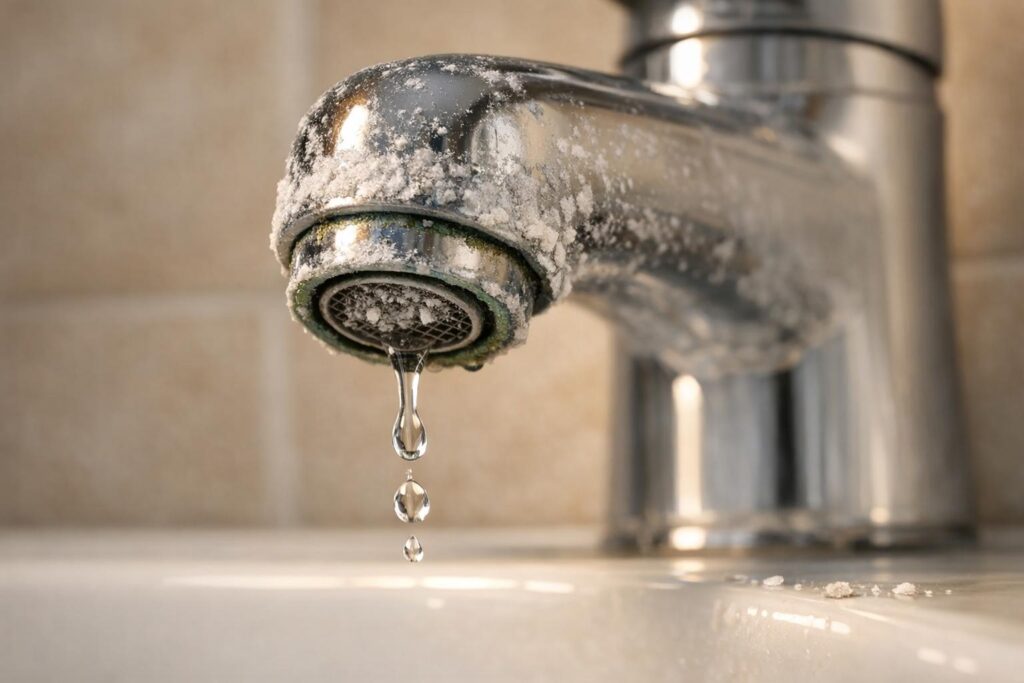
- Clogged Faucets and Showerheads: Mineral deposits block nozzles, disrupting water flow and increasing wear on fixtures.
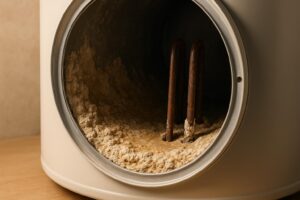
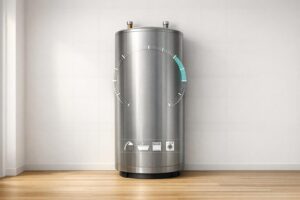
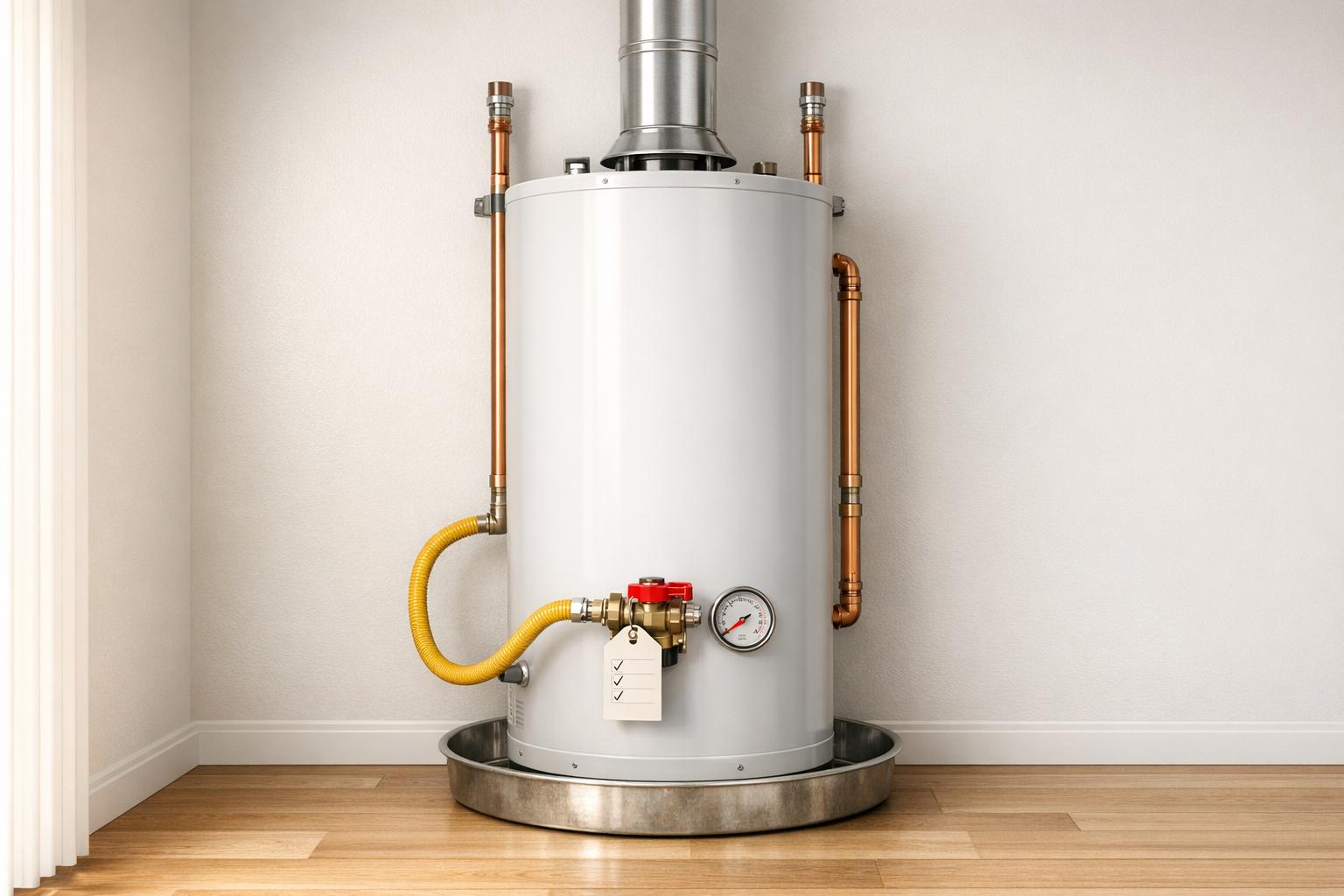
- Water Heater Sediment Accumulation: Sediment buildup reduces heating efficiency, spikes energy bills, and shortens heater lifespan.
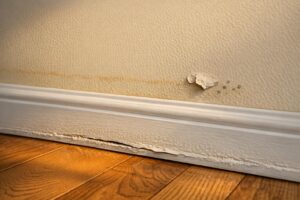
- Pipe Corrosion and Leaks: Trapped moisture from scale accelerates corrosion, leading to leaks and expensive repairs. If you are facing a crisis, emergency plumbing services can help mitigate the damage.
Key Solution: Installing a whole-home water softener can prevent these issues, saving money and extending the life of your plumbing system. Regular maintenance, like descaling and flushing, also helps minimize damage.
Addressing hard water early can prevent costly repairs and keep your plumbing in top shape.

5 Plumbing Problems Caused by Hard Water: Impact and Costs
Hard Water is Destroying Your Plumbing
sbb-itb-5fe396b
1. Scale Buildup in Pipes
Hard water is notorious for causing scale buildup, a chalky calcium carbonate deposit that narrows pipes and restricts water flow. This issue affects about 85% of American homes.
Impact on Plumbing Efficiency
When scale accumulates, it reduces the diameter of pipes, increasing friction and mechanical stress across the plumbing system. This often leads to noticeable drops in water pressure, especially on upper floors where gravity already makes water flow more challenging. In metal pipes, trapped moisture caused by scale buildup can speed up corrosion.
Scale also impacts heating efficiency. A mere 1/16 inch of scale on heating elements can reduce heat transfer by 11%. Over time, this inefficiency creates localized "hot spots" that strain the metal tank, increasing the likelihood of failure. These inefficiencies often translate into higher maintenance costs.
Cost of Repairs or Maintenance
The financial toll of scale buildup can be steep. Scale-ridden water heaters may lose up to 50% of their efficiency, which could lead to a 22–29% rise in energy costs for heating water. On average, households dealing with hard water spend over $800 annually on hidden costs like reduced appliance efficiency and premature equipment breakdown. Replacing a damaged water heater can cost anywhere from $350 to $10,000, depending on the model. By contrast, running a whole-home water softener typically costs less than $10 per year in electricity.
Frequency of Occurrence in Hard Water Areas
In regions like Central Texas, scale buildup is almost unavoidable. Homeowners often first notice the issue on visible fixtures, such as white, crusty deposits on faucet aerators or showerheads that cause uneven spray patterns. However, much of the damage remains hidden within the plumbing system.
Potential Long-Term Damage to Plumbing Systems
If untreated, scale buildup can drastically shorten the lifespan of water heaters, cutting it from the usual 8–10 years to just 4–6 years. Mineral deposits can also jam joints and valves, making it difficult to shut off water during emergencies. Over time, the combination of restricted flow, increased pressure, and accelerated corrosion can lead to pipe failure – particularly in underground supply lines, where shifting foundations may exacerbate existing cracks.
2. Reduced Water Pressure
When calcium and magnesium build up inside pipes, they form limescale, which gradually narrows the pipe diameter. Even a thin layer – just 1/8 inch – can reduce water flow by 25–30%. In homes with very hard water (15+ grains per gallon), these deposits can cut pipe flow by 40% or more within just 10–15 years. This early drop in water flow often signals bigger plumbing issues brewing beneath the surface.
Impact on Plumbing Efficiency
The limescale buildup creates a rough, uneven surface inside pipes, which increases friction and turbulence as water flows through. Hot water pipes tend to be affected first because calcium carbonate becomes less soluble in hot water. This is why you might notice weaker hot water pressure while cold water pressure seems unaffected – a clear sign that scale is clogging your water heater or hot water lines.
This reduced pressure doesn’t just inconvenience you – it also puts extra strain on appliances. Dishwashers and washing machines, for instance, may need longer cycles to clean effectively. Over time, the combination of restricted flow and added mechanical stress can lead to connection failures and leaks in your plumbing system , requiring professional leak detection to locate hidden damage. Reduced water pressure is often the first hint of more serious damage down the road.
Frequency of Occurrence in Hard Water Areas
In regions like Central Texas, where water hardness levels typically range from 220 to 300 parts per million, reduced water pressure is almost unavoidable without proper treatment. For example, in very hard water conditions, a 0.5-inch copper pipe can lose 15–20% of its internal diameter in just 5–7 years. Because this pressure loss happens gradually, many homeowners don’t notice it until it becomes a significant issue.
Potential Long-Term Damage to Plumbing Systems
If hard water issues go unaddressed for 15–20 years or more, scale deposits can harden to the point where chemical treatments are no longer effective. At that stage, replacing the pipes entirely becomes the only option. Depending on the size of the home and the materials used, repiping costs can range from $4,000 to over $15,000. This kind of costly repair could often be avoided with early intervention. Plumbing expert Jordan Fleming emphasizes:
Waiting until you notice a problem usually means expensive repairs are already necessary.
3. Clogged Faucets and Showerheads
Just like pipes, your home’s fixtures aren’t immune to the effects of limescale buildup, which can significantly reduce water flow.
Hard water takes a toll on faucets and showerheads over time. As water slows or evaporates at these points, minerals left behind form limescale. This crusty residue clogs the small screens in faucet aerators and blocks the tiny nozzles in showerheads, restricting water flow.
Impact on Plumbing Efficiency
When limescale builds up, it disrupts the functionality of your fixtures. Spray patterns become uneven, with some nozzles spraying water in odd directions while others barely release a trickle. You might notice white, chalky deposits around the spouts and handles – these are early signs of trouble. Beyond the visible effects, this buildup creates internal resistance, increasing pressure at pipe joints and seals. Over time, this added stress can lead to unexpected failures throughout your plumbing system.
Frequency of Occurrence in Hard Water Areas
This issue is incredibly common. Around 8 out of 10 homes in the United States experience hard water in their plumbing. In places like Central Texas, where water hardness often ranges from 220–300 parts per million, clogged fixtures are a frequent problem if untreated. Water is labeled "hard" when it surpasses 7 grains per gallon or 120 mg/L of dissolved minerals, and most homes in Texas far exceed this threshold.
Potential Long-Term Damage to Plumbing Systems
When left untreated, limescale can cause significant damage. Mineral deposits can seize components, making it impossible to operate or shut off valves properly. Over time, these minerals also wear down rubber washers and seals, leading to ongoing leaks and secondary water damage. In older homes, calcium and magnesium can corrode metal pipes and fixtures, eventually causing pinhole leaks or even complete pipe failure.
The U.S. Department of Energy highlights another consequence:
Lime scale buildup from hard water can also reduce your water heater’s life span by 25 – 40%.
Although temporary solutions like soaking fixtures in vinegar can offer short-term relief, they don’t tackle the underlying issue. Ultimately, this kind of fixture damage is just one piece of the larger financial and maintenance burden that hard water places on homeowners.
4. Water Heater Sediment Accumulation
Hard water often leads to the formation of calcium and magnesium deposits, which settle as sediment in water heaters. In tank-style heaters, this sediment collects at the bottom, while in tankless systems, it builds up inside the heat exchangers.
Impact on Plumbing Efficiency
Sediment acts like an unwanted barrier between the heating element and the water, making the heater work overtime. In tank heaters, this layer forces the burner to operate longer, while in electric models, mineral deposits reduce heat transfer efficiency. This inefficiency can increase energy use by as much as 30% in systems with significant scaling. If you hear strange noises from your heater, it could be a warning sign of sediment buildup. Beyond the performance hit, this issue also drives up energy costs.
Cost of Repairs or Maintenance
Sediment buildup can make your heater consume 29% more energy, spiking your utility bills. To combat this, regular maintenance like tank flushing and periodic professional descaling with citric or phosphoric acid solutions is essential. In severe cases, a full heater replacement may be necessary. According to Austin Area Plumbing:
We’ve replaced heaters in Austin that were less than five years old completely packed with sediment.
Preventive measures, such as flushing your tank and installing a whole-house water softener, are far more economical. A water softener typically costs $1,200 to $3,000 upfront, with an additional $50 to $150 annually for salt and electricity. Compare that to the hefty price tag of $4,000–$15,000+ for whole-home repiping or replacing a failed heater, and the benefits of prevention become clear.
Frequency of Occurrence in Hard Water Areas
In areas like Central Texas, where water hardness often ranges from 220 to 300 parts per million, sediment accumulation is almost a given. Water heaters in these regions can collect about 0.4 pounds of scale per year, potentially reaching 30 pounds over the unit’s lifetime. Many homes in Texas exceed the hard water threshold of 7 grains per gallon, making sediment buildup a common issue.
This sediment problem, much like scale buildup and reduced water pressure, highlights the extensive impact of hard water on plumbing systems.
Potential Long-Term Damage to Plumbing Systems
If left unchecked, sediment can severely damage water heaters. In gas models, deposits at the tank’s base create "hot spots" that weaken the metal and lining. Electric heaters risk burnout of their heating elements. Over time, uneven heating can cause cracks in the tank lining, leading to rust and, eventually, total tank failure. While a properly maintained water heater typically lasts 10 to 15 years, heavy sediment buildup can shorten this lifespan to under five years. Additionally, sediment can break loose, clogging fixtures and cutting hot water flow by up to 50%. Addressing the issue early is crucial to avoiding costly repairs and long-term damage.
5. Pipe Corrosion and Leaks
Hard water doesn’t just clog pipes – it speeds up corrosion in metal plumbing. Mineral scale buildup traps moisture against the interior of metal pipes, which accelerates corrosion and weakens their structure. This problem is especially severe in older galvanized pipes, where mineral deposits and corrosion work hand in hand to cause damage.
Impact on Plumbing Efficiency
When scale builds up inside pipes, it narrows their internal diameter. This forces water through smaller openings, increasing internal friction and placing extra stress on seals and connections. Over time, this stress leads to early failures. Additionally, the calcium and magnesium in hard water can chemically break down certain metals, especially in older systems, resulting in leaks, pipe breaks, and even discolored water. The reduced efficiency caused by these issues often leads to expensive repairs from a professional plumber.
Cost of Repairs or Maintenance
When pipes become severely corroded, the only solution is full replacement. Replacing the plumbing in an entire home typically costs between $4,500 and $15,000, depending on the size and complexity of the project. Beyer Plumbing explains:
"If the corrosive section of the pipe is not repaired and the hard water deposits removed, entire sections of your plumbing may disintegrate".
Early intervention with a water softener can help avoid the need for such costly replacements. If replacement is necessary, many homeowners now prefer PEX tubing over traditional copper pipes because PEX resists mineral buildup thanks to its smooth interior surface.
Frequency of Occurrence in Hard Water Areas
Hard water is especially common in areas like San Antonio and Central Texas. Here, groundwater flows through limestone-rich aquifers, absorbing calcium carbonate along the way. Central Texas water typically measures between 220 and 300 parts per million in hardness, and more than 85% of water sources in the U.S. are considered hard water. The issue becomes even more pronounced in hot water systems, where heating causes evaporation, leaving behind concentrated mineral deposits that stick to pipe walls.
Potential Long-Term Damage to Plumbing Systems
If left untreated, corrosion from hard water can compromise the entire plumbing system. Beyond pipes, it can damage faucets, drains, valves, and fixtures, causing them to seize or fail. Even water heaters, which typically last about 15 years, may have their lifespan cut short due to hard water corrosion. Other appliances like dishwashers and washing machines can also lose 3 to 4 years of their operational life because of mineral buildup. As Anchor Plumbing Services highlights:
"In older galvanized pipes, mineral accumulation and corrosion often occur simultaneously, compounding restriction and degradation".
Installing a water softener at the main water entry point can keep these minerals out of your pipes, protecting your entire plumbing system from damage.
How to Treat Hard Water Problems
Dealing with hard water starts with installing a whole-home water softener at the main water entry point. These systems use ion exchange to swap out calcium and magnesium ions for sodium or potassium ions, effectively reducing water hardness. Alternatively, salt-free conditioners modify minerals to minimize their ability to cling to surfaces, though the minerals remain in the water. Both methods help cut down on scale buildup and can extend the life of your plumbing system.
In Round Rock, where water hardness often falls between 220 and 300 parts per million, untreated hard water can put a serious strain on household appliances. By addressing mineral deposits, these treatments tackle the core issues behind scale accumulation and plumbing inefficiencies.
Regular maintenance is key to preventing minor issues from escalating into costly repairs. For example, draining a few gallons from your water heater every three months helps remove sediment, while an annual professional flush offers added protection. Showerheads and faucet aerators can be cleaned with vinegar or commercial descaling solutions to restore proper flow, and wiping down fixtures after use can stop white crust from forming.
For homeowners looking for professional help, Round Rock Plumbing provides services like water hardness testing, eco-friendly system flushes, and annual maintenance programs. Their advanced tools, including leak detection and drain camera inspections, can spot hidden damage caused by mineral buildup before it becomes a bigger problem. Regular water testing – whether with a home kit or by a professional – ensures that your treatment system continues to work effectively.
Signs of heavy mineral accumulation, such as reduced hot water flow, odd noises from your water heater, or chalky deposits on glassware, should not be ignored. If you notice these, scheduling a professional descaling service is a smart move. For added peace of mind, some providers offer maintenance plans for around $20 per month, making it easier to stay on top of hard water issues without breaking the bank.
Conclusion
Hard water can set off a series of plumbing problems that only get worse over time. Mineral deposits, or scale, gradually clog pipes, lower water pressure, and damage fixtures. Over time, this buildup speeds up corrosion, increases energy bills, and shortens the lifespan of appliances. In Round Rock, where water hardness often falls between 220 and 300 parts per million, these issues are hard to avoid without proper intervention.
Taking action early is essential. Tackling hard water problems before they escalate can help you avoid expensive repairs and prevent mineral buildup from causing serious damage to pipes or appliances. Solutions like installing a whole-home water softener, regular descaling, and scheduling routine professional maintenance can go a long way in protecting your plumbing system.
Round Rock Plumbing offers a range of services specifically designed for Central Texas’s limestone-heavy water. From water softener installations and system flushes to water heater maintenance and advanced leak detection, they provide tailored solutions. Their annual maintenance programs and eco-friendly descaling treatments ensure long-term protection, helping your plumbing system perform at its best.
If you’re already noticing signs like white residue, lower water pressure, or strange noises from your water heater, don’t wait. Professional water quality testing and treatment can save you from costly repairs and keep your system running smoothly.
FAQs
How can I tell if hard water is damaging my plumbing?
Signs of hard water issues in your plumbing can show up in a few noticeable ways. Look for white, crusty buildup around faucets and showerheads, as well as mineral deposits on fixtures that can make them look dull or stained. You might also notice reduced water pressure, which often happens because of mineral buildup clogging the pipes. If left unchecked, these problems can escalate and cause serious damage to your plumbing system. Catching and addressing hard water problems early can save you from costly repairs down the line.
Do I need a water softener or just regular descaling?
If you’re dealing with hard water, deciding between a water softener and regular descaling depends on how serious the problem is. For ongoing issues like stubborn mineral buildup, shortened appliance lifespans, or frequent clogs, a water softener is the better option. It works by removing calcium and magnesium ions, which are the primary culprits behind hard water problems.
On the other hand, descaling might be sufficient for minor or infrequent buildup. However, it only tackles existing deposits and doesn’t address the underlying cause. For a more permanent fix, a water softener is the way to go.
How often should I flush my water heater with hard water?
To keep your water heater running smoothly and avoid issues caused by mineral buildup from hard water, you should flush it at least once a year. This simple maintenance step helps improve efficiency and may even prolong the unit’s lifespan.