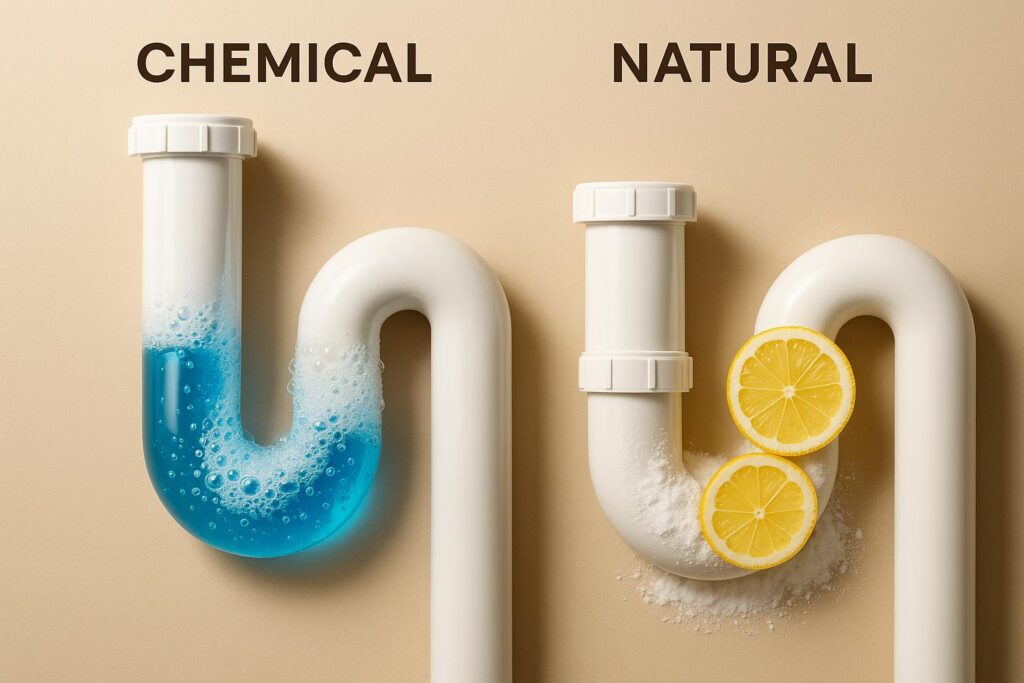
Dealing with a clogged drain? Here’s the bottom line: Chemical cleaners work fast but come with safety and environmental concerns. Natural methods are safer but slower and better for maintenance.
Key Takeaways:
- Chemical Cleaners: Effective for tough clogs like grease and hair. Risks include pipe damage, health hazards, and pollution.
- Natural Methods: Use items like baking soda, vinegar, and enzymes. Safer for homes and plumbing but less effective on severe clogs.
Quick Comparison:
| Factor | Chemical Cleaners | Natural Methods |
|---|---|---|
| Effectiveness | High for severe clogs | Moderate, best for light clogs |
| Speed | Minutes to hours | Hours to days |
| Safety | Risky for health/pipes | Safe for people/pipes |
| Environmental Impact | High pollution risk | Low, biodegradable |
Choose chemical cleaners for immediate fixes but use natural methods for regular upkeep. For recurring or severe issues, call a professional.
Which Drain Opener is the Best? Let’s Find Out!
Chemical Drain Cleaners
Chemical drain cleaners are specially designed to break down clogs in your pipes quickly. These products often contain powerful substances like lye, sulfuric acid, bleach, and aluminum, which work to dissolve organic material causing blockages. There are three main types of chemical cleaners: caustic cleaners (using sodium or potassium hydroxide), oxidizing cleaners (containing bleach or peroxides), and acidic cleaners (made with sulfuric or hydrochloric acid).
How Chemical Drain Cleaners Work
These cleaners work by triggering chemical reactions that generate heat and dissolve clogs. Caustic cleaners are particularly effective against grease, converting it into a soap-like substance that rinses away easily. They also handle hair and food particles well. Oxidizing cleaners release oxygen to break down organic matter, making them useful for general clogs. Meanwhile, acidic cleaners target mineral deposits and soap scum with their corrosive properties.
To use, simply pour the cleaner into the drain, wait as directed on the label, and flush with hot water to clear the dissolved blockage. While effective, these cleaners come with serious safety concerns.
Safety Risks of Chemical Cleaners
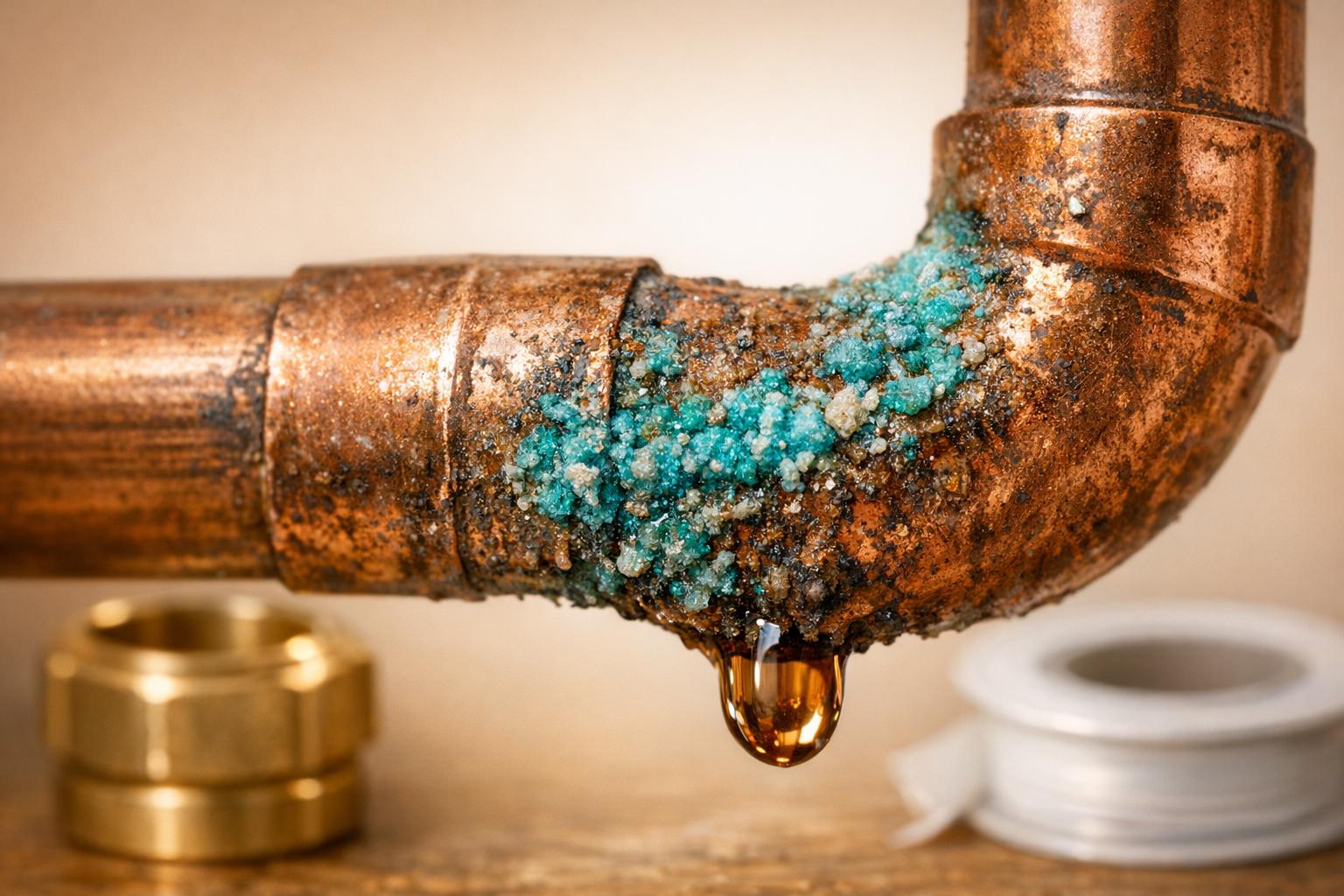
The use of chemical drain cleaners can pose significant health risks. The volatile organic compounds (VOCs) released during use can irritate your respiratory system, especially in spaces with poor ventilation. If the cleaner comes into contact with your skin, it may cause chemical burns, and accidental splashes can harm your eyes. Beyond personal safety, these products can also damage your plumbing. The heat generated during their reactions can crack older pipes and weaken PVC fittings. For homes with septic systems, these chemicals can disrupt the bacteria needed to break down waste effectively.
Environmental Effects of Chemical Cleaners
Chemical drain cleaners don’t just pose personal and plumbing risks – they also have a lasting impact on the environment. These harsh substances can contaminate waterways, harm aquatic ecosystems, and contribute to air pollution. Even modern water treatment facilities often struggle to fully neutralize the chemicals, leading to long-term environmental damage. Over time, these toxins can accumulate in soil and water systems, amplifying their harmful effects.
"While the UK government has regulations around hazardous chemical disposal, many consumers are unaware of the proper ways to handle these products." – Dany, Plumbing Expert, EmergencyPlumb.co.uk
Improper disposal adds to the problem. Pouring leftover cleaner down storm drains can pollute soil and harm urban greenery. Fortunately, many local authorities in Texas have established collection points for safely disposing of hazardous materials like unused drain cleaners.
Additionally, the production and transportation of chemical drain cleaners contribute to carbon emissions and industrial pollution. This means that every bottle purchased carries hidden environmental costs far beyond its immediate use.
Natural Drain Cleaning Methods
Natural drain cleaning methods rely on everyday household items and enzymes to tackle clogs. These approaches use mild chemical reactions and natural processes instead of harsh chemicals, making them a safer choice for both your home and the environment.
Popular methods include combinations like baking soda and vinegar, salt-based mixtures, hot water flushes, and enzymatic cleaners. While each method works differently, they all aim to clear organic buildup without harming your pipes or introducing harmful substances into the environment.
How Natural Methods Work
These methods work through chemical or biological processes, delivering effective results without the harshness of chemical drain cleaners.
For example, when baking soda meets vinegar, the reaction creates bubbles that help loosen clogs. This fizzing action breaks down grease, soap scum, hair, and other organic materials clogging your drain.
"For example, you create a chemical reaction that dissolves the clog by combining non-toxic baking soda (a base) with a natural acid, such as vinegar or lemon juice. Following that up with a good rinse of hot or boiling water creates pressure, which drives the clog down the drain." – Marilee Nelson, Environmental Toxins expert, Branch Basics
To try this at home, pour a few tablespoons of baking soda into the drain, followed by a cup of vinegar. Let it fizz for 10–15 minutes, then rinse thoroughly with hot water. For PVC pipes, stick to hot water instead of boiling to avoid damage.
Salt-based methods work similarly. Mix 1/4 cup salt with 1/4 cup borax, add 1/2 cup vinegar, and let the mixture sit in the drain for 20–30 minutes before rinsing with hot water.
Hot water flushes are the simplest option and work well for routine maintenance. Regularly pouring hot water down your drains can prevent grease and soap buildup from turning into stubborn clogs. Use boiling water for metal pipes, but stick to hot water for PVC pipes to avoid warping.
Enzymatic cleaners use live bacteria to digest organic matter like fats, oils, and grease. These cleaners work over time and are better suited for ongoing maintenance rather than quick fixes for severe clogs.
Safety and Environmental Benefits of Natural Methods
These methods aren’t just gentle on your pipes – they’re also safer for you and the planet. Because they’re non-toxic and don’t release harmful fumes, you can use them without worrying about protective gear or chemical burns.
From an environmental perspective, ingredients like baking soda, vinegar, and salt are biodegradable and safe for waterways. If you have a septic system, these methods are particularly useful since they won’t harm the bacteria that help break down waste. In fact, enzymatic cleaners can even enhance septic health by introducing beneficial bacteria.
Natural methods also protect your plumbing. Unlike chemical cleaners, they don’t produce heat that could damage older pipes or weaken PVC fittings. They also reduce the risk of corrosion in metal pipes.
"When combined, they create a fizzing reaction that can help break down organic matter clogs – just flush the drain with hot water once they’ve had time to work." – Thomas & Galbraith
Drawbacks of Natural Methods
While natural methods are safer and eco-friendly, they may not be the best choice for urgent or severe clogs. These solutions often work more slowly than chemical alternatives, sometimes taking days or weeks to clear a blockage.
They also struggle with tough clogs. Heavy blockages, completely backed-up drains, and solid objects like food chunks, hairballs, or thick grease may require more aggressive solutions. Enzymatic cleaners, in particular, need organic material like fats or oils to function, and frequent use of disinfectants can kill the bacteria they rely on.
Natural methods also can’t address structural problems like pipe damage from tree roots or blockages deep in the sewer line. They’re most effective for regular maintenance, preventing minor clogs and early buildup of grease and soap scum. For homeowners in Round Rock, incorporating these methods into a routine can help keep your drains running smoothly over time.
Chemical vs Natural: Direct Comparison
When it comes to tackling clogged drains, the choice between chemical and natural cleaners often depends on factors like speed, the type of blockage, and environmental concerns. Let’s break down how these two approaches stack up.
Speed: Chemical cleaners act fast – clearing clogs within minutes or hours. On the other hand, natural methods take their time, often needing hours or even days, with multiple applications sometimes required.
Clog Severity and Blockage Type: Chemical cleaners excel at breaking down tough, stubborn clogs, such as heavy hair buildup or grease. They work by dissolving materials like hair, food particles, soap scum, and grease, though they may struggle with solid objects or mineral deposits. Natural options, like baking soda and vinegar, are better suited for lighter blockages and routine maintenance. Enzyme-based solutions are particularly effective for organic materials like food, hair, mold, and algae.
Environmental Impact: Chemical cleaners come with environmental risks, such as water pollution and harm to aquatic life. In contrast, natural methods rely on biodegradable ingredients, making them safer for both waterways and septic systems.
Comparison Table
| Factor | Chemical Cleaners | Natural Methods |
|---|---|---|
| Effectiveness | High (fast-acting; handles tough clogs) | Moderate (requires more time for stubborn clogs) |
| Speed of Action | Minutes to hours | Hours to days; may need multiple applications |
| Clog Severity | Best for severe, stubborn blockages | Ideal for light to moderate clogs and maintenance |
| Environmental Impact | High (risk of water pollution and harm to aquatic life) | Low (biodegradable and septic-safe) |
Chemical cleaners are the go-to choice for quick fixes and severe blockages, while natural methods shine as a safer, long-term solution for maintaining drain health. For homeowners dealing with challenges like hard water or seasonal debris, the choice boils down to whether you need an immediate solution or a more sustainable approach.
sbb-itb-5fe396b
How to Choose the Right Method
Selecting the best drain cleaning method depends on several factors: the severity of the clog, the type of pipes in your home, where the clog is located, household safety needs, and whether or not you have a septic system.
What to Consider Before Choosing
Evaluate the severity of the clog. If water is draining slowly but still moving, you’re likely dealing with a partial blockage that can often be cleared with natural methods. However, if no water drains at all, a complete blockage calls for stronger measures. This is especially important during the fall, when leaves and debris can increase the chance of clogs.
Know your pipe material. Older homes may have cast iron or galvanized steel pipes, which can corrode when exposed to chemical cleaners. On the other hand, PVC and copper pipes are generally more resistant to these products. Not sure what type of pipes you have? Check the visible ones under sinks or in your basement – PVC is white or gray plastic, while copper has a reddish-brown hue.
Consider where the clog is and how accessible it is. Kitchen sinks often clog due to grease buildup and may respond well to a mix of hot water and dish soap. Bathroom drains, often blocked by hair, might require enzyme-based cleaners or manual removal. If the issue is with the main sewer line, specialized tools and expertise are needed – this is not a DIY job.
Think about household safety. If you have children, pets, or household members with respiratory issues, natural cleaning methods are safer. Chemical fumes can linger, especially in poorly ventilated bathrooms. In places like Texas, where air conditioning recirculates indoor air, these fumes can pose health risks.
Account for your septic system if you have one. Many homes in the Round Rock area use septic systems, and harsh chemicals can disrupt the beneficial bacteria that break down waste. Natural methods or enzyme-based cleaners not only avoid this problem but can also promote septic health by adding helpful microorganisms.
If these considerations point to a persistent or severe problem, it’s time to bring in a professional.
When to Call a Professional
If DIY methods aren’t cutting it, a professional plumber can provide the expertise and tools needed to fix the problem.
Recurring clogs could signal deeper issues like tree root intrusion, damaged pipes, or poor installation. Companies like Round Rock Plumbing use advanced techniques like drain camera inspections and electronic leak detection to pinpoint the source of the problem.
Multiple slow drains often mean a main sewer line issue that requires immediate attention. Ignoring this can lead to sewage backup, which creates serious health risks and costly cleanup.
Unusual sounds, smells, or water backing up in odd places are red flags. For example, if flushing your toilet causes water to bubble up in your shower drain or you hear gurgling noises from multiple fixtures, it’s time for a professional diagnosis.
Repeated use of chemical cleaners can damage your pipes, making professional help even more critical. Over time, these treatments can weaken pipes and even cause dangerous chemical reactions.
Specialized systems like water heater drain lines, gas line connections, or commercial plumbing demand professional expertise. These setups have unique safety requirements that only licensed professionals should handle.
Round Rock Plumbing also offers preventive maintenance plans. Regular inspections can catch small issues before they turn into emergencies, saving you money in the long run. This is especially valuable in Central Texas, where hard water can put extra strain on your plumbing system.
Preventing Future Drain Problems
Stopping drain issues before they start is always the smarter move. It’s cheaper than dealing with costly repairs and helps keep your plumbing in top shape all year long. In Round Rock, where hard water and seasonal debris can wreak havoc, regular maintenance is especially important for homeowners.
DIY Prevention Tips
Start with smart waste disposal habits. Use drain strainers to catch food scraps, hair, and other debris. Clean them after each use in the kitchen and at least once a week in the bathroom.
Keep fats, oils, and grease out of your kitchen drain. Instead of pouring them down the sink, wipe greasy pans with a paper towel and toss it in the trash. Let cooking oil cool and solidify before scraping it into the garbage. Even small amounts of grease can build up over time, leading to major clogs.
Be mindful of what you flush. Items like paper towels, feminine products, coffee grounds, cigarette ash, and plastic packaging should never go down the toilet. In the bathroom, reduce hair in drains by brushing before showering and regularly cleaning out the tub drain.
Flush your drains weekly with boiling water to break down grease and fat buildup. Boil a large pot of water and pour it slowly down the drain in stages, giving the hot water time to work between pours.
Try monthly natural treatments. Combine 1/2 cup of baking soda with 1/2 cup of white vinegar and pour it down the drain. Let the mixture fizz for 15 to 20 minutes, then flush thoroughly with hot water. This simple method helps clear light buildup and eliminates odors without harming your pipes.
For kitchen drains, dissolve 1 cup of soda crystals in boiling water, then pour the mixture slowly down the drain. This works well to prevent grease buildup, especially in homes with heavy cooking routines.
Protect older pipes by avoiding sudden temperature changes. Run lukewarm water before switching to hot water.
If your efforts don’t solve the problem, it may be time to call in the professionals.
Professional Maintenance Plans
When DIY solutions fall short, professional maintenance can tackle the tougher issues. Round Rock Plumbing offers preventive maintenance plans that make drain care hassle-free. Expert inspections can catch problems early, which is crucial in areas like Central Texas, where hard water deposits can slowly clog pipes and create blockages.
Technicians use tools like drain cameras to spot early signs of trouble, such as tree root intrusions or pipe corrosion. Addressing these issues early can save you thousands in major repairs down the line.
Professional-grade cleaning methods, like hydro-jetting, are far more effective than DIY approaches. High-pressure water scours away buildup without relying on harsh chemicals, which can damage older plumbing systems.
Round Rock Plumbing’s plans are tailored to the area’s specific challenges. Local technicians understand the effects of hard water and can adjust treatments accordingly. They also consider whether your home uses a septic system, ensuring the right approach for your setup.
Another benefit of professional maintenance is building a service history for your plumbing system. This record helps identify recurring issues, such as seasonal clogs or problem drains, enabling proactive solutions. It’s also a valuable asset if you sell your home or need emergency repairs. If you’ve used chemical drain cleaners in the past, professional assessments can check for any damage and help prevent future problems.
Regular maintenance doesn’t just stop clogs – it can also extend the life of your entire plumbing system.
Final Thoughts
Choosing the right drain cleaning approach isn’t just about removing clogs – it’s about safeguarding your plumbing, your well-being, and even the environment. While chemical cleaners can deliver quick results, they come with risks like pipe damage and environmental harm. On the other hand, natural methods may take longer but provide a safer and gentler way to maintain your drains.
Start by understanding the problem. Determine the severity of the clog and consider the condition of your plumbing. Is it a minor blockage, or are there warning signs like multiple slow drains or sewage backup? For smaller clogs or regular upkeep, natural remedies like baking soda and vinegar often work well. For tougher situations, tools like plungers or drain snakes can be more effective.
If you’re using chemical cleaners, never mix them, always wear protective gear, and stick to hot (not boiling) water when dealing with PVC pipes to avoid damage.
When DIY methods don’t cut it, it’s time to call the experts. Round Rock Plumbing offers skilled technicians equipped with advanced tools, like drain cameras, to pinpoint and resolve issues efficiently. They rely on professional-grade techniques to clear blockages without resorting to harsh chemicals, ensuring both immediate results and long-term protection for your plumbing system.
Professional maintenance also comes with added perks – it helps catch potential problems early, extends the lifespan of your plumbing, and provides peace of mind. By combining preventive measures with the right cleaning strategies, you can keep your drains running smoothly and protect your home’s plumbing for years to come.
FAQs
What safety measures should I follow when using chemical drain cleaners?
When working with chemical drain cleaners, safety should always come first. Make sure to wear protective gear like gloves, safety goggles, and a mask to guard against any harmful splashes or fumes. Pour the cleaner slowly and carefully to prevent splattering, and ensure the space is well-ventilated to minimize fume exposure.
It’s crucial to never mix chemical cleaners with other substances, as this can lead to hazardous reactions. Always follow the product’s instructions precisely, and store any remaining cleaner securely, keeping it out of reach of children and pets. If you’re uncertain about how to use a chemical cleaner safely, don’t hesitate to consult a professional.
What are some effective natural methods for keeping my drains clean?
To keep your drains clean and free of clogs, you can use a few natural and easy methods:
- Baking soda and vinegar: Start by pouring 1/2 cup of baking soda down the drain, then add 1 cup of white vinegar. Let the mixture sit for about 15 minutes to work its magic, breaking down buildup and eliminating odors. Finish by flushing the drain with hot water.
- Boiling water: Once a week, boil a pot of water and pour it directly down the drain. This simple step helps wash away grease, fat, and oil that can accumulate and lead to clogs.
- Salt and hot water: Sprinkle 1/2 cup of coarse salt into the drain, then pour boiling water over it. Let the combination sit for a few minutes before rinsing with more hot water. This can help clear minor blockages.
These methods are not only safe and environmentally friendly but also an effective way to maintain your drains. Plus, they’re gentle on your plumbing and can help prevent clogs from forming in the future.
When should I call a professional plumber instead of trying to clear a clogged drain myself?
If you’re still dealing with drain problems after trying DIY fixes – or if you notice recurring clogs, slow drainage, unpleasant odors, gurgling noises, water backing up, or overflowing fixtures – it’s time to call a professional plumber. These symptoms often point to more serious plumbing issues that need specialized tools and expertise to address.
Trying to tackle severe or persistent problems on your own can sometimes worsen the situation or even damage your pipes. A professional plumber can pinpoint the root cause and offer a lasting solution, helping to keep your drains clear and your plumbing system running smoothly.