Signs of Winter Plumbing Leaks in Round Rock Homes

Winter plumbing leaks in Round Rock, Texas, can cause major damage if ignored. Freezing temperatures, porous limestone soil, and slab foundations make leak detection challenging. Cracked pipes, low water pressure, and water stains are common warning signs. Here’s what you need to know:

  • Causes: Freezing pipes, corroded materials, and poor insulation.
  • Signs: Water stains, reduced pressure, unusual sounds, or meter movement.
  • Prevention: Insulate pipes, monitor water usage, and check for leaks regularly.
  • What to Do: Inspect faucets, toilets, and outdoor fixtures. Use your water meter to detect hidden leaks.

Act fast if you notice signs of leaks to avoid costly repairs or structural damage. Professional services, like advanced leak detection and 24/7 emergency plumbing repairs, are available in Round Rock for severe issues.

What Causes Winter Plumbing Leaks in Round Rock Homes

Frozen Pipes That Crack or Burst

When water freezes, it expands by about 9%, creating pressures that can reach up to 40,000 psi. Interestingly, pipes usually burst not because of the ice itself but due to the pressure from trapped, unfrozen water between an ice blockage and a closed faucet.

Pipes in unheated areas like attics, crawl spaces, garages, and basements are at the highest risk. Even a small frozen section can disrupt the entire plumbing system. While water freezes at 32°F, the real danger of pipe bursts arises when temperatures drop below 20°F for several hours.

Additional risks, such as older pipes and insufficient insulation, further increase the likelihood of winter plumbing issues in Round Rock homes.

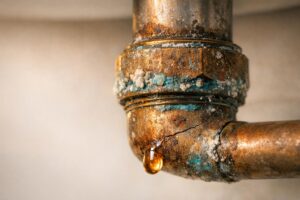
Old or Corroded Pipes

Older homes in Round Rock often feature galvanized steel or polybutylene pipes – materials prone to corrosion and weakening over time [[9]](https://cpsaustin.com/emergency-plumbing/burst-pipe-emergency-round-rocks-fastest-plumbing-services-are-just-a-call-away](https://cpsaustin.com/emergency-plumbing/burst-pipe-emergency-round-rocks-fastest-plumbing-services-are-just-a-call-away). If you experience a sudden rupture, contacting an emergency plumber in Round Rock is essential to minimize water damage.). As corrosion thins the pipe walls, they struggle to withstand the pressure from expanding ice. Adding to the problem, Central Texas’s hard water leaves mineral deposits inside pipes, narrowing their interiors and creating stress points that make them even more vulnerable.

Poor Pipe Insulation

In many Round Rock homes, plumbing runs through uninsulated exterior walls or other exposed areas. Without proper insulation, these pipes face direct exposure to freezing winds and dropping temperatures. Cold drafts from dryer vents or gaps in walls can speed up the cooling process, causing pipes to freeze even when the surrounding air temperature is slightly above freezing. This can lead to ice blockages, pressure buildup, and ultimately, pipe bursts.

How to Protect Pipes from Freezing (Easy Winter Prep!)

Warning Signs of Winter Plumbing Leaks

Understanding the common causes of leaks can help you identify these critical warning signs before they escalate.

Water Stains and Damage

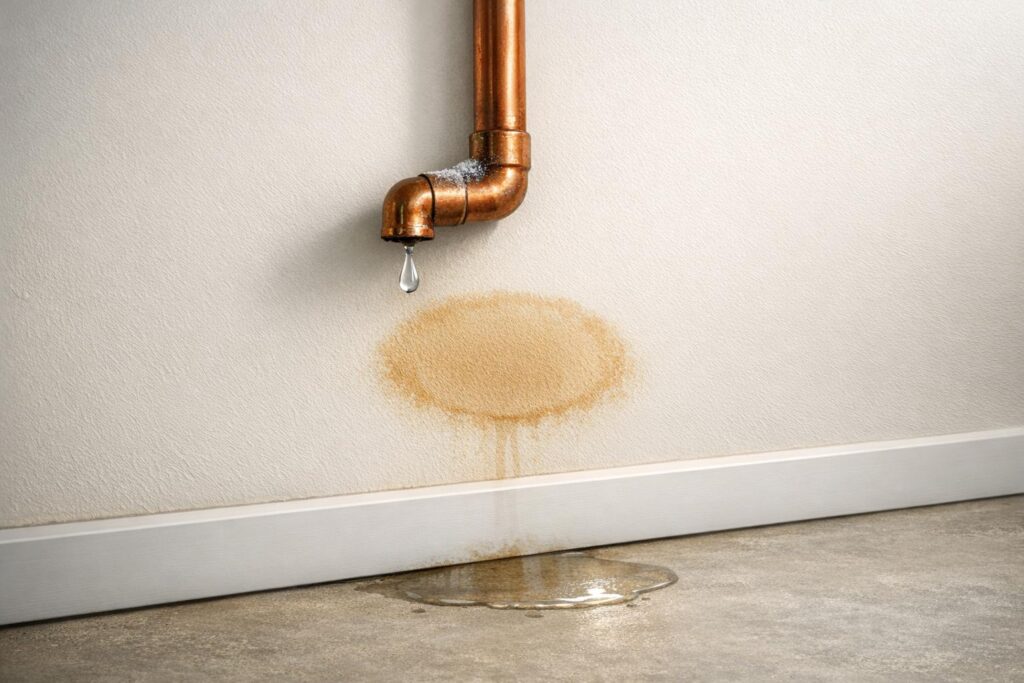
Keep an eye out for discoloration on walls, ceilings, or floors – these are classic signs of water escaping where it shouldn’t. Mold growth or damp spots are also red flags, often pointing to concealed leaks that could eventually lead to structural damage. Warm spots on your floors? That might be a slab leak hiding beneath the surface.

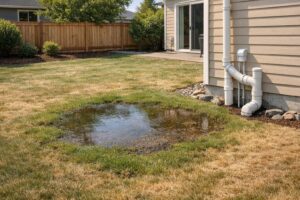
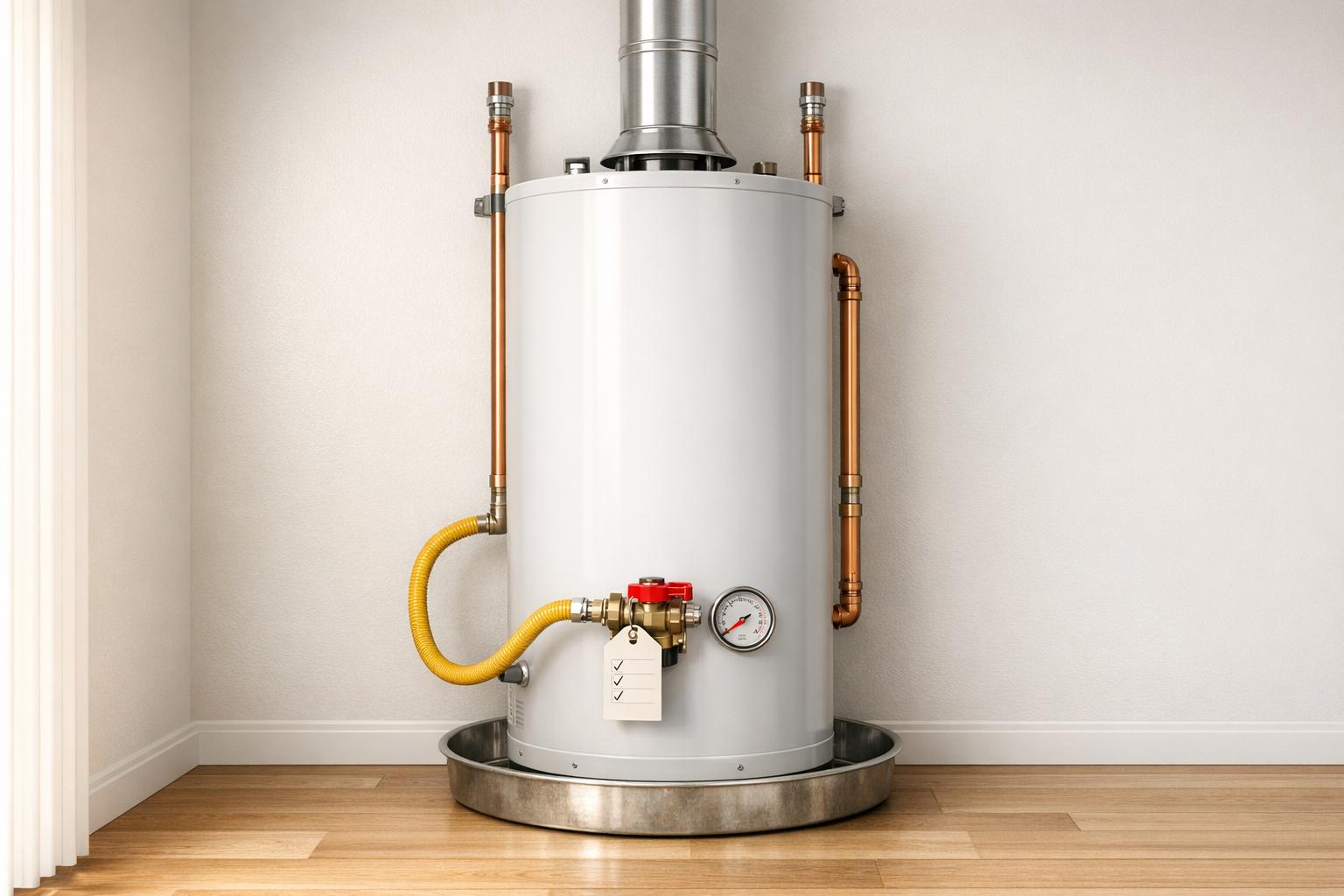
If you have a water heater, check its safety pan monthly. According to Texas plumbing code, this pan should sit directly beneath the unit. If you notice water pooling there, it’s a clear indicator of a leak. Outside, patches of unusually green or overgrown grass can signal a cracked underground pipe in your main water line.

Visual clues like these often go hand-in-hand with changes in water pressure, which brings us to the next warning sign.

Low Water Pressure

Noticing weak water flow? If it’s isolated to one area, the issue might be localized. But if the pressure drop affects your entire home, you could be dealing with a main supply leak or even a frozen pipe. A steady drop in pressure over weeks might mean your Pressure Regulating Valve is failing rather than an active leak.

"If you are losing water. Pressure drops everywhere throughout the home." – Jonathan Guyton, Plumber, Crow’s Plumbing Service

In Round Rock, the city aims for a minimum water pressure of 50 psi at every meter, even though state plumbing code allows it to go as low as 35 psi.

Strange Sounds or Water Meter Movement

Sometimes, your ears can pick up what your eyes miss.

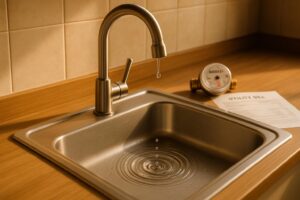
Listen for hissing or rushing sounds when no faucets are running – these noises often mean water is escaping under pressure. To confirm, turn off all fixtures and check your digital water meter. If you see movement or a continuous flow reading (indicated by a triangle with an exclamation mark), you’ve got a leak.

"Acoustic listening devices: Highly sensitive microphones can ‘hear’ the distinct sound of water escaping a pressurized pipe, even deep underground or beneath a concrete slab." – Round Rock Plumbing

Round Rock residents can take advantage of automated leak notifications through rrtxwater.com, receiving alerts via text or email. Remember, any water passing through your meter is your responsibility, so catching leaks early can save you from costly repairs.

How to Check Your Home for Plumbing Leaks

How to Check Your Home for Winter Plumbing Leaks: 3-Step Inspection Guide

How to Check Your Home for Winter Plumbing Leaks: 3-Step Inspection Guide

Building on the warning signs mentioned earlier, here’s how to systematically inspect your home for leaks before they become costly problems.

Inspect Faucets and Toilets

Toilets are a common culprit for indoor leaks, often due to worn-out flappers that fail to seal properly. To test for leaks, remove the tank lid and drop in a dye tablet (available for free from the City Utility Billing office). Wait at least 10 minutes without flushing. If you notice any color in the bowl, it’s time to replace the flapper.

Next, check all faucets throughout your home, including those in bathtubs, showerheads, and outdoor hose bibs. Look for drips, moisture, or corrosion around the fixtures. Don’t forget to open the cabinet doors under sinks to examine supply lines and valves for leaks. This also allows warm air to circulate, reducing the risk of frozen pipes. If you find a dripping faucet, turn off its shut-off valve. Fixing these small leaks can lower your utility bills by about 10%.

Once you’ve inspected your fixtures, it’s time to use your water meter to uncover hidden leaks.

Test Your Water Meter

Your water meter is an excellent tool for detecting leaks that aren’t immediately visible. Typically located near the curb under a black, rectangular plastic lid, the meter can help confirm whether water is escaping somewhere in your system. Start by turning off all water-using appliances and fixtures. Then, check the digital display on the meter for any signs of flow. Give it at least five minutes, as some leaks – like those from toilets – may be slow or sporadic.

For a more thorough test, note the current meter reading, avoid using any water for 20 minutes to 2 hours, and then check the reading again. If the number has increased, you’ve got a leak.

Don’t stop indoors – extend your inspection to outdoor areas as well.

Check Outdoor Fixtures and Exposed Areas

Inspect outdoor faucets and hose bibs for drips, and disconnect any attached hoses to prevent water from freezing inside and damaging the spigot. If you have an irrigation system, look for pooling water on your lawn, driveway, or sidewalk, as this may point to a broken line.

Pay close attention to your backflow prevention device, typically located in a box with a green rectangular lid near the water meter. Cracks or leaks here, especially after freezing weather, can indicate a problem. Also, check for signs like pooling water or unusually lush vegetation, which may signal a leak underneath.

Finally, inspect unheated spaces like garages and under-sink cabinets for moisture. If you own a pool or spa, listen near the automatic fill valve for a hissing sound, which could mean water is continuously running.

When to Contact Round Rock Plumbing for Help

Round Rock Plumbing

After checking for leaks on your own, there are certain signs that signal it’s time to bring in the professionals. For instance, if your water bill suddenly spikes without explanation, you hear water running even when all fixtures are off, or you notice warm spots on your floors – often a sign of a slab leak – it’s time to call for expert help. These issues, especially when combined with your own DIY checks, often require a professional evaluation.

In Round Rock, the local clay soil adds to the challenge. This type of soil expands and contracts with moisture changes, putting stress on underground pipes and slab foundations. This is a common cause of plumbing issues during Central Texas winters. If you start noticing new cracks in your foundation along with plumbing problems, it’s a good idea to get a professional assessment.

Professional Leak Detection Technology

Round Rock Plumbing uses cutting-edge, non-invasive tools to locate leaks without tearing apart your home unnecessarily. Their advanced equipment includes:

  • Acoustic listening devices to detect the sound of water escaping.
  • Infrared thermal cameras to spot temperature changes from hidden leaks.
  • Tracer gas detection for hard-to-find breaks.
  • High-resolution fiber-optic cameras to inspect the interiors of drains and sewer pipes for cracks or blockages.

"We use state-of-the-art, non-invasive technology to accurately pinpoint the exact source of water leaks anywhere on your property – behind walls, under concrete slabs, and underground – all without unnecessary destruction." – Round Rock Plumbing

This technology is a game-changer. While a general plumber might need to create multiple exploratory holes to track down a leak, specialists with advanced tools can save you both time and money. Backed by over 8 years of experience and a stellar 4.9-star customer rating, Round Rock Plumbing ensures a precise and efficient approach. Once a problem is confirmed, quick repairs are crucial to minimize further damage.

24/7 Emergency Pipe Repairs

Plumbing emergencies don’t stick to a schedule. A small crack in a pipe can release hundreds of gallons of water, leading to flooding or mold growth in no time.

That’s why Round Rock Plumbing offers 24/7 emergency services for urgent situations like burst pipes, sudden drops in water pressure, or active flooding. If you’re facing a plumbing emergency, the first step is to shut off your main water valve and then call for immediate assistance. They serve Round Rock and nearby areas, including Hutto, Leander, Pflugerville, Wells Branch, Jollyville, and Cedar Park, with fast response times.

Winter Preparation and Maintenance

When it comes to plumbing, prevention is always better than scrambling for repairs. Round Rock Plumbing helps homeowners prep their systems for winter with services like pipe insulation and preventive maintenance plans. These services include insulating pipes in unheated areas like garages and attics, protecting outdoor faucets, and identifying weak points in your plumbing system before the cold weather hits.

They also offer free estimates and transparent pricing for all services. This proactive approach is especially important in Central Texas, where fluctuating temperatures and shifting soil can wreak havoc on plumbing systems. Regular inspections and proper insulation can go a long way in preventing costly issues like frozen or burst pipes. By staying on top of maintenance, you can minimize the risk of winter plumbing emergencies altogether.

Conclusion

Winter plumbing leaks in Round Rock homes aren’t just inconvenient – they can escalate quickly. Freezing temperatures combined with the area’s expansive clay soil can turn a small drip into a costly repair. On average, undetected leaks waste over 10,000 gallons of water annually, driving up utility bills and causing potential structural damage. This highlights the importance of staying alert and addressing issues promptly.

Many of these leaks can be avoided with a little preparation. Insulating exposed pipes, draining outdoor faucets, and monitoring your water usage through the Round Rock customer portal are simple steps that make a big difference. If you notice warning signs like water stains, reduced pressure, unexplained wet spots, or unexpected spikes in your bill, acting quickly can prevent more serious problems like mold, electrical risks, or foundation damage. And when a DIY fix won’t cut it, professional help is just a call away.

Round Rock Plumbing offers advanced leak detection technology to pinpoint the issue without unnecessary damage to your home. With over 8 years of experience and a 4.9-star rating, they’re well-versed in the unique challenges that Central Texas homeowners face.

"A hidden water leak can silently cause thousands of dollars in water bills and structural damage to your home." – Round Rock Plumbing

Whether you’re dealing with an emergency pipe burst or planning preventive maintenance before the next freeze, help is available 24/7. By taking action today – whether through simple checks or professional assistance – you can protect your home, save money, and conserve water.

FAQs

How can I tell if it’s a leak or a frozen pipe?

Unexpected water usage or pooling water around your property often hints at a leak. On the other hand, frozen pipes usually stop water flow entirely and might look icy or swollen. If you’re unsure or want a precise diagnosis, it’s best to call in professional leak detection services.

What should I do first if a pipe bursts?

If a pipe bursts in your home, the first thing you should do is shut off the main water supply to prevent additional damage. You’ll typically find the shut-off valve in the basement, garage, or outside near your home’s foundation. If you’re unable to locate it or the water is flooding too quickly to manage, contact a professional plumber immediately. Quick action is key to reducing water damage and keeping the situation under control.

How can I spot a slab leak early?

If you suspect a slab leak, keep an eye out for telltale signs such as unexplained moisture or water pooling, a sudden spike in your water bill, or even the sound of running water when no taps are in use. Other indicators might include warm spots on your floors, low water pressure, or musty odors lingering in your home. To pinpoint the issue and handle it effectively, it’s best to rely on professional leak detection services. They have the tools and expertise to confirm the problem and recommend the right solution.

Related Blog Posts

Signs of Winter Plumbing Leaks in Round Rock Homes

⚡️ Quick Quote

⚡️ Recent Post

Winter plumbing leaks in Round Rock, Texas, can cause major damage if ignored. Freezing temperatures, porous limestone soil, and slab foundations make leak detection challenging. Cracked pipes, low water pressure, and water stains are common warning signs. Here’s what you need to know:

  • Causes: Freezing pipes, corroded materials, and poor insulation.
  • Signs: Water stains, reduced pressure, unusual sounds, or meter movement.
  • Prevention: Insulate pipes, monitor water usage, and check for leaks regularly.
  • What to Do: Inspect faucets, toilets, and outdoor fixtures. Use your water meter to detect hidden leaks.

Act fast if you notice signs of leaks to avoid costly repairs or structural damage. Professional services, like advanced leak detection and 24/7 emergency plumbing repairs, are available in Round Rock for severe issues.

What Causes Winter Plumbing Leaks in Round Rock Homes

Frozen Pipes That Crack or Burst

When water freezes, it expands by about 9%, creating pressures that can reach up to 40,000 psi. Interestingly, pipes usually burst not because of the ice itself but due to the pressure from trapped, unfrozen water between an ice blockage and a closed faucet.

Pipes in unheated areas like attics, crawl spaces, garages, and basements are at the highest risk. Even a small frozen section can disrupt the entire plumbing system. While water freezes at 32°F, the real danger of pipe bursts arises when temperatures drop below 20°F for several hours.

Additional risks, such as older pipes and insufficient insulation, further increase the likelihood of winter plumbing issues in Round Rock homes.

Old or Corroded Pipes

Older homes in Round Rock often feature galvanized steel or polybutylene pipes – materials prone to corrosion and weakening over time [[9]](https://cpsaustin.com/emergency-plumbing/burst-pipe-emergency-round-rocks-fastest-plumbing-services-are-just-a-call-away](https://cpsaustin.com/emergency-plumbing/burst-pipe-emergency-round-rocks-fastest-plumbing-services-are-just-a-call-away). If you experience a sudden rupture, contacting an emergency plumber in Round Rock is essential to minimize water damage.). As corrosion thins the pipe walls, they struggle to withstand the pressure from expanding ice. Adding to the problem, Central Texas’s hard water leaves mineral deposits inside pipes, narrowing their interiors and creating stress points that make them even more vulnerable.

Poor Pipe Insulation

In many Round Rock homes, plumbing runs through uninsulated exterior walls or other exposed areas. Without proper insulation, these pipes face direct exposure to freezing winds and dropping temperatures. Cold drafts from dryer vents or gaps in walls can speed up the cooling process, causing pipes to freeze even when the surrounding air temperature is slightly above freezing. This can lead to ice blockages, pressure buildup, and ultimately, pipe bursts.

How to Protect Pipes from Freezing (Easy Winter Prep!)

Warning Signs of Winter Plumbing Leaks

Understanding the common causes of leaks can help you identify these critical warning signs before they escalate.

Water Stains and Damage

Keep an eye out for discoloration on walls, ceilings, or floors – these are classic signs of water escaping where it shouldn’t. Mold growth or damp spots are also red flags, often pointing to concealed leaks that could eventually lead to structural damage. Warm spots on your floors? That might be a slab leak hiding beneath the surface.

If you have a water heater, check its safety pan monthly. According to Texas plumbing code, this pan should sit directly beneath the unit. If you notice water pooling there, it’s a clear indicator of a leak. Outside, patches of unusually green or overgrown grass can signal a cracked underground pipe in your main water line.

Visual clues like these often go hand-in-hand with changes in water pressure, which brings us to the next warning sign.

Low Water Pressure

Noticing weak water flow? If it’s isolated to one area, the issue might be localized. But if the pressure drop affects your entire home, you could be dealing with a main supply leak or even a frozen pipe. A steady drop in pressure over weeks might mean your Pressure Regulating Valve is failing rather than an active leak.

"If you are losing water. Pressure drops everywhere throughout the home." – Jonathan Guyton, Plumber, Crow’s Plumbing Service

In Round Rock, the city aims for a minimum water pressure of 50 psi at every meter, even though state plumbing code allows it to go as low as 35 psi.

Strange Sounds or Water Meter Movement

Sometimes, your ears can pick up what your eyes miss.

Listen for hissing or rushing sounds when no faucets are running – these noises often mean water is escaping under pressure. To confirm, turn off all fixtures and check your digital water meter. If you see movement or a continuous flow reading (indicated by a triangle with an exclamation mark), you’ve got a leak.

"Acoustic listening devices: Highly sensitive microphones can ‘hear’ the distinct sound of water escaping a pressurized pipe, even deep underground or beneath a concrete slab." – Round Rock Plumbing

Round Rock residents can take advantage of automated leak notifications through rrtxwater.com, receiving alerts via text or email. Remember, any water passing through your meter is your responsibility, so catching leaks early can save you from costly repairs.

How to Check Your Home for Plumbing Leaks

How to Check Your Home for Winter Plumbing Leaks: 3-Step Inspection Guide

How to Check Your Home for Winter Plumbing Leaks: 3-Step Inspection Guide

Building on the warning signs mentioned earlier, here’s how to systematically inspect your home for leaks before they become costly problems.

Inspect Faucets and Toilets

Toilets are a common culprit for indoor leaks, often due to worn-out flappers that fail to seal properly. To test for leaks, remove the tank lid and drop in a dye tablet (available for free from the City Utility Billing office). Wait at least 10 minutes without flushing. If you notice any color in the bowl, it’s time to replace the flapper.

Next, check all faucets throughout your home, including those in bathtubs, showerheads, and outdoor hose bibs. Look for drips, moisture, or corrosion around the fixtures. Don’t forget to open the cabinet doors under sinks to examine supply lines and valves for leaks. This also allows warm air to circulate, reducing the risk of frozen pipes. If you find a dripping faucet, turn off its shut-off valve. Fixing these small leaks can lower your utility bills by about 10%.

Once you’ve inspected your fixtures, it’s time to use your water meter to uncover hidden leaks.

Test Your Water Meter

Your water meter is an excellent tool for detecting leaks that aren’t immediately visible. Typically located near the curb under a black, rectangular plastic lid, the meter can help confirm whether water is escaping somewhere in your system. Start by turning off all water-using appliances and fixtures. Then, check the digital display on the meter for any signs of flow. Give it at least five minutes, as some leaks – like those from toilets – may be slow or sporadic.

For a more thorough test, note the current meter reading, avoid using any water for 20 minutes to 2 hours, and then check the reading again. If the number has increased, you’ve got a leak.

Don’t stop indoors – extend your inspection to outdoor areas as well.

Check Outdoor Fixtures and Exposed Areas

Inspect outdoor faucets and hose bibs for drips, and disconnect any attached hoses to prevent water from freezing inside and damaging the spigot. If you have an irrigation system, look for pooling water on your lawn, driveway, or sidewalk, as this may point to a broken line.

Pay close attention to your backflow prevention device, typically located in a box with a green rectangular lid near the water meter. Cracks or leaks here, especially after freezing weather, can indicate a problem. Also, check for signs like pooling water or unusually lush vegetation, which may signal a leak underneath.

Finally, inspect unheated spaces like garages and under-sink cabinets for moisture. If you own a pool or spa, listen near the automatic fill valve for a hissing sound, which could mean water is continuously running.

When to Contact Round Rock Plumbing for Help

Round Rock Plumbing

After checking for leaks on your own, there are certain signs that signal it’s time to bring in the professionals. For instance, if your water bill suddenly spikes without explanation, you hear water running even when all fixtures are off, or you notice warm spots on your floors – often a sign of a slab leak – it’s time to call for expert help. These issues, especially when combined with your own DIY checks, often require a professional evaluation.

In Round Rock, the local clay soil adds to the challenge. This type of soil expands and contracts with moisture changes, putting stress on underground pipes and slab foundations. This is a common cause of plumbing issues during Central Texas winters. If you start noticing new cracks in your foundation along with plumbing problems, it’s a good idea to get a professional assessment.

Professional Leak Detection Technology

Round Rock Plumbing uses cutting-edge, non-invasive tools to locate leaks without tearing apart your home unnecessarily. Their advanced equipment includes:

  • Acoustic listening devices to detect the sound of water escaping.
  • Infrared thermal cameras to spot temperature changes from hidden leaks.
  • Tracer gas detection for hard-to-find breaks.
  • High-resolution fiber-optic cameras to inspect the interiors of drains and sewer pipes for cracks or blockages.

"We use state-of-the-art, non-invasive technology to accurately pinpoint the exact source of water leaks anywhere on your property – behind walls, under concrete slabs, and underground – all without unnecessary destruction." – Round Rock Plumbing

This technology is a game-changer. While a general plumber might need to create multiple exploratory holes to track down a leak, specialists with advanced tools can save you both time and money. Backed by over 8 years of experience and a stellar 4.9-star customer rating, Round Rock Plumbing ensures a precise and efficient approach. Once a problem is confirmed, quick repairs are crucial to minimize further damage.

24/7 Emergency Pipe Repairs

Plumbing emergencies don’t stick to a schedule. A small crack in a pipe can release hundreds of gallons of water, leading to flooding or mold growth in no time.

That’s why Round Rock Plumbing offers 24/7 emergency services for urgent situations like burst pipes, sudden drops in water pressure, or active flooding. If you’re facing a plumbing emergency, the first step is to shut off your main water valve and then call for immediate assistance. They serve Round Rock and nearby areas, including Hutto, Leander, Pflugerville, Wells Branch, Jollyville, and Cedar Park, with fast response times.

Winter Preparation and Maintenance

When it comes to plumbing, prevention is always better than scrambling for repairs. Round Rock Plumbing helps homeowners prep their systems for winter with services like pipe insulation and preventive maintenance plans. These services include insulating pipes in unheated areas like garages and attics, protecting outdoor faucets, and identifying weak points in your plumbing system before the cold weather hits.

They also offer free estimates and transparent pricing for all services. This proactive approach is especially important in Central Texas, where fluctuating temperatures and shifting soil can wreak havoc on plumbing systems. Regular inspections and proper insulation can go a long way in preventing costly issues like frozen or burst pipes. By staying on top of maintenance, you can minimize the risk of winter plumbing emergencies altogether.

Conclusion

Winter plumbing leaks in Round Rock homes aren’t just inconvenient – they can escalate quickly. Freezing temperatures combined with the area’s expansive clay soil can turn a small drip into a costly repair. On average, undetected leaks waste over 10,000 gallons of water annually, driving up utility bills and causing potential structural damage. This highlights the importance of staying alert and addressing issues promptly.

Many of these leaks can be avoided with a little preparation. Insulating exposed pipes, draining outdoor faucets, and monitoring your water usage through the Round Rock customer portal are simple steps that make a big difference. If you notice warning signs like water stains, reduced pressure, unexplained wet spots, or unexpected spikes in your bill, acting quickly can prevent more serious problems like mold, electrical risks, or foundation damage. And when a DIY fix won’t cut it, professional help is just a call away.

Round Rock Plumbing offers advanced leak detection technology to pinpoint the issue without unnecessary damage to your home. With over 8 years of experience and a 4.9-star rating, they’re well-versed in the unique challenges that Central Texas homeowners face.

"A hidden water leak can silently cause thousands of dollars in water bills and structural damage to your home." – Round Rock Plumbing

Whether you’re dealing with an emergency pipe burst or planning preventive maintenance before the next freeze, help is available 24/7. By taking action today – whether through simple checks or professional assistance – you can protect your home, save money, and conserve water.

FAQs

How can I tell if it’s a leak or a frozen pipe?

Unexpected water usage or pooling water around your property often hints at a leak. On the other hand, frozen pipes usually stop water flow entirely and might look icy or swollen. If you’re unsure or want a precise diagnosis, it’s best to call in professional leak detection services.

What should I do first if a pipe bursts?

If a pipe bursts in your home, the first thing you should do is shut off the main water supply to prevent additional damage. You’ll typically find the shut-off valve in the basement, garage, or outside near your home’s foundation. If you’re unable to locate it or the water is flooding too quickly to manage, contact a professional plumber immediately. Quick action is key to reducing water damage and keeping the situation under control.

How can I spot a slab leak early?

If you suspect a slab leak, keep an eye out for telltale signs such as unexplained moisture or water pooling, a sudden spike in your water bill, or even the sound of running water when no taps are in use. Other indicators might include warm spots on your floors, low water pressure, or musty odors lingering in your home. To pinpoint the issue and handle it effectively, it’s best to rely on professional leak detection services. They have the tools and expertise to confirm the problem and recommend the right solution.

Related Blog Posts

Round Rock Plumbing

Your Williamson County plumbing team.

Related Posts

You might also like...

Low-Flow Fixtures for Commercial Properties

Low-flow faucets, toilets, showerheads and urinals can cut commercial water use 30–50%, lower utility bills, and require proper installation, maintenance and code compliance....