Water Leak Detection: Methods That Work

Water leaks can silently wreak havoc on your property, causing structural damage, inflated water bills, and health risks from mold. Detecting leaks early is critical to avoiding costly repairs. Here’s what you need to know:

  • Leaks waste over 10,000 gallons of water annually per household – enough to fill a swimming pool.
  • Hidden leaks can damage walls, foundations, and floors, leading to sagging, warping, or mold growth.
  • Modern detection methods like acoustic listening devices, infrared imaging, and camera inspections locate leaks with precision.
  • Warning signs include spiking water bills, stains on walls or ceilings, musty smells, and damp or warped floors.
  • Outdoor and underground leaks may show up as soggy patches, cracks in concrete, or warm spots on floors.

If you notice these signs, act quickly. Professional services use advanced tools to locate and fix leaks efficiently, saving time and money. Addressing even minor leaks can reduce water bills by 10% and prevent major damage.

Water Leak Detection Statistics and Warning Signs

Water Leak Detection Statistics and Warning Signs

How to do Leak Detection Step by Step | Plumbing 101

Warning Signs of Hidden Water Leaks

Spotting water leaks early can save you a significant amount in repairs and help protect your home from extensive damage. The tricky part? Many leaks hide in places like behind walls, under floors, or even beneath your foundation. But don’t worry – there are subtle signs, both indoors and outdoors, that can help you catch these sneaky leaks before they wreak havoc.

Interior Warning Signs

The first step in tackling water leaks is knowing what to look for inside your home. Yellow or brown stains on walls or ceilings, bubbling or peeling paint, and wallpaper lifting at the edges are strong indicators of moisture buildup. If your drywall feels soft or spongy, or if your floors are starting to warp or buckle, it’s a good bet that water has been pooling out of sight for a while.

Another big clue? A sudden spike in your water bill. If your household is using more than 2,000 gallons of water per person per month (excluding irrigation), there’s likely a hidden leak somewhere. You might also hear unusual sounds like dripping, hissing, or running water behind walls, even when all faucets are off. And if you notice a musty or earthy smell, it could mean mold or mildew is growing due to persistent moisture.

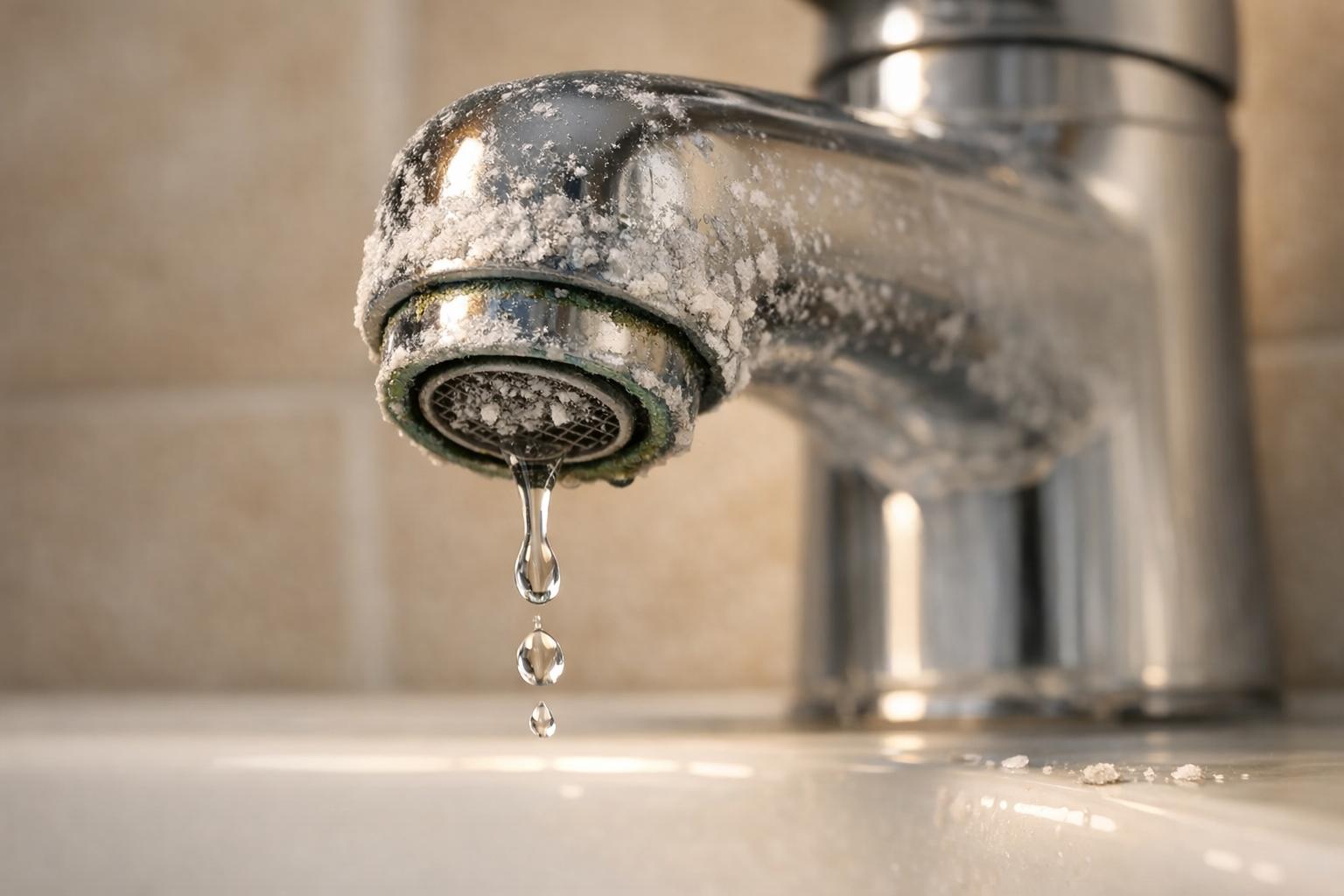
Basements are another hotspot for leak warnings. Look for white, chalky streaks – called "efflorescence" – on the walls. This happens when water seeps through concrete and evaporates, leaving behind mineral deposits. A drop in water pressure is another red flag, as it often means water is escaping the system before reaching your taps. Research shows that in homes with moisture issues, 31% had rotting, buckling, or peeling surfaces, while 26.5% had damp or wet areas.

Exterior and Slab Warning Signs

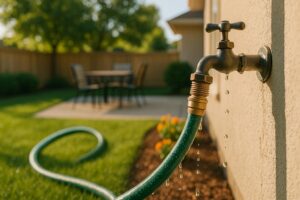
Clues outside your home are just as important. If you spot unusually green or fast-growing patches of grass, soggy areas in your yard, standing water when it hasn’t rained, or small sinkhole-like depressions, these could all indicate a buried water line leak. Cracks in your foundation, driveway, or patio might also point to water pressure building up under the concrete slab.

Slab leaks, in particular, can create warm spots on your floor, especially if they involve hot water lines. Take a barefoot walk across your ground floor to check for these warm areas. Other signs include damp or warped flooring and the sound of running water or humming noises beneath your home when no taps are on. Since underground leaks can go undetected for long periods, these signs are crucial to catch early.

Fixture and Appliance Warning Signs

Your home’s fixtures and appliances can also give away hidden leaks. For instance, 20–35% of residential toilets leak. If you hear a constant hissing or gurgling sound when the toilet isn’t in use, it’s worth investigating. A simple food coloring test can help: add a few drops of dye to the tank, and if the color shows up in the bowl within 10–30 minutes without flushing, the flapper valve is leaking.

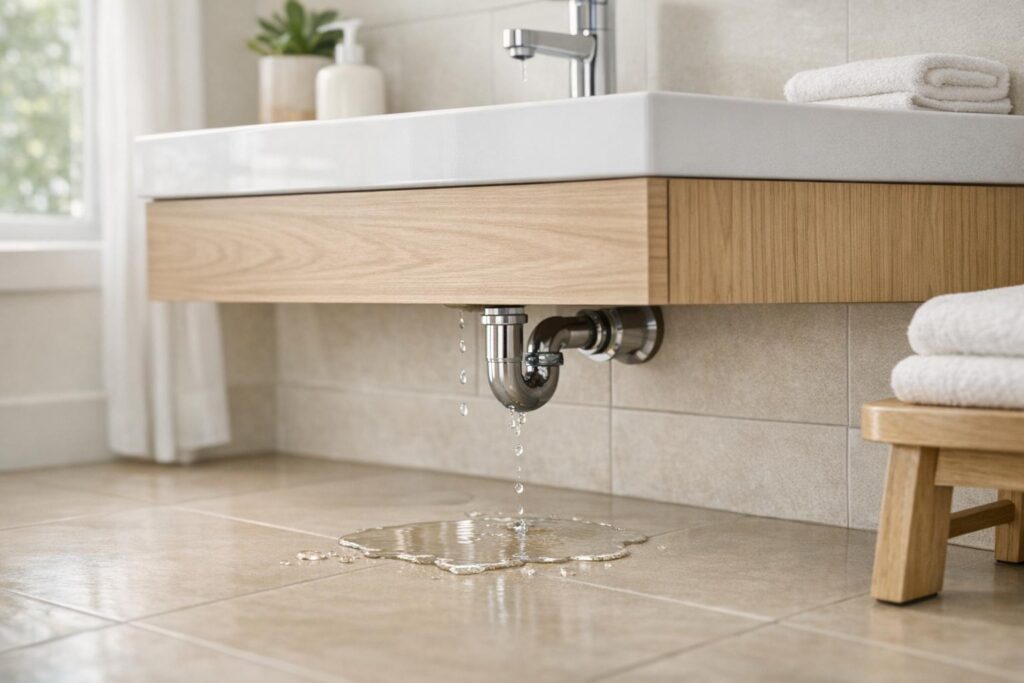
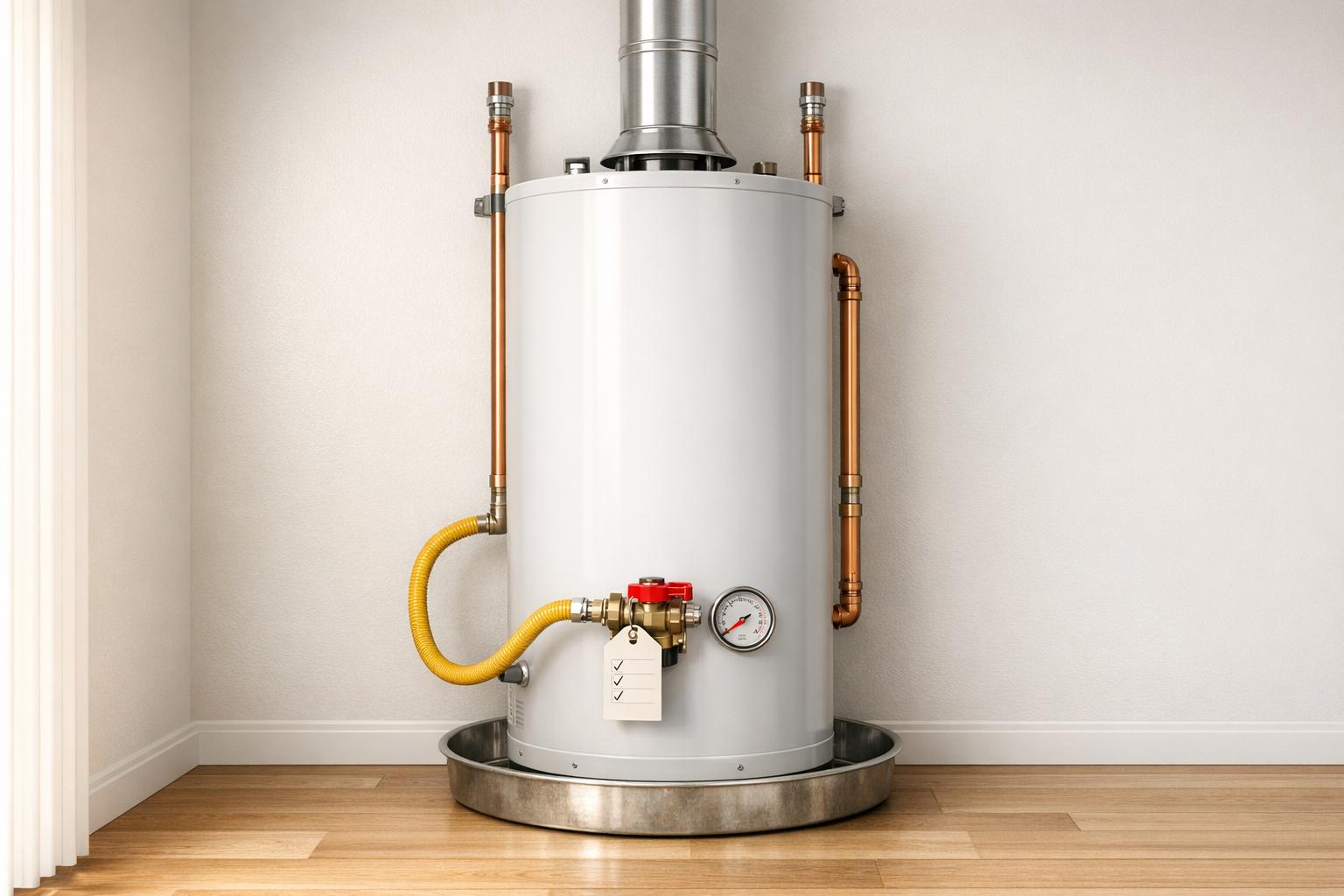
Check under sinks for warped wood, mold, or pooled water. Water heaters are another common culprit – any standing water in the safety pan beneath the unit usually signals a leak in the tank or its connections. Black particles in your tap water? That’s a sign of deteriorating rubber gaskets or O-rings. If your water softener seems to be recharging constantly during the day instead of at night, it might have an internal leak. And for refrigerators with ice makers or water dispensers, wet spots or stains on the floor behind the appliance often mean a slow leak in the supply line.

Catching these warning signs early can help you avoid major damage and keep repair costs under control. Paying attention to these details ensures your home stays dry, safe, and efficient.

Professional Leak Detection Methods

When signs point to a possible leak, advanced non-invasive techniques can accurately locate hidden issues, saving both time and money on repairs.

Electronic Acoustic Leak Detection

This method uses highly sensitive microphones to pick up the distinct low-frequency sounds created by leaking pressurized pipes. In systems operating at 30 psi or higher, leaks produce a unique "hollow" or baritone vibration, often accompanied by hissing, splashing, or whooshing sounds.

Technicians use specialized equipment, including noise-canceling headphones and digital amplifiers with filters, to scan pipes and isolate the leak’s location while minimizing interference from background noise. This approach works even when leaks are hidden behind walls or underground.

However, certain factors can impact its effectiveness. For instance, water pooling at the leak site may dampen the sound, and variables like pipe material, depth, soil type, and surface cover can affect accuracy. Typically, locating a hidden leak with this method costs between $170 and $200, excluding repair expenses.

For a different approach, visual inspection techniques like drain and sewer camera inspections offer another effective way to identify leaks.

Drain and Sewer Camera Inspections

Camera inspections provide a direct visual method to detect leaks and other pipe issues, particularly in drain and sewer lines. High-resolution cameras are inserted through cleanouts, toilet drains, or roof vents, delivering live video footage of the pipe’s interior. This allows technicians to identify cracks, breaks, blockages, and even root intrusions.

"Camera inspections are especially useful for identifying and locating sewer line leaks without needing to dig up the yard to access the pipe." – Rosenberg Plumbing & Air

This method not only pinpoints leaks but also determines if trenchless repair methods are an option, reducing the need for disruptive excavation. Catching minor problems early can prevent costly damage later – water leaks, after all, cause property damage at twice the rate of break-ins and fires combined.

Pressure Testing and Line Isolation

When acoustic or visual methods aren’t conclusive, pressure testing offers a reliable way to confirm hidden leaks. This technique is crucial for accurately locating leaks and minimizing potential damage.

Hydrostatic pressure testing involves filling the plumbing system with water up to the slab level and monitoring for pressure drops over about 20 minutes. A drop in water level signals the presence of a leak.

Line isolation, also known as static leak isolation, takes this process a step further. Inflatable plugs are used to seal off specific pipe sections, allowing technicians to pinpoint the exact location of the leak. A measurable pressure drop in the isolated segment confirms the issue. This method is often paired with line tracing and camera inspections for a comprehensive evaluation and is particularly helpful during pre-purchase inspections of older homes.

In the U.S., about 2 trillion gallons of treated drinking water are lost annually due to water main breaks. On average, distribution systems lose 16% of water, with 75% of that loss attributed to leaks.

Emergency Leak Containment and Repairs

Immediate Safety Steps

The first step is to stop the water flow. Find the shut-off valve for the specific fixture and turn it clockwise to close it. If the leak is more widespread, shut off the main water supply – usually located near your water meter.

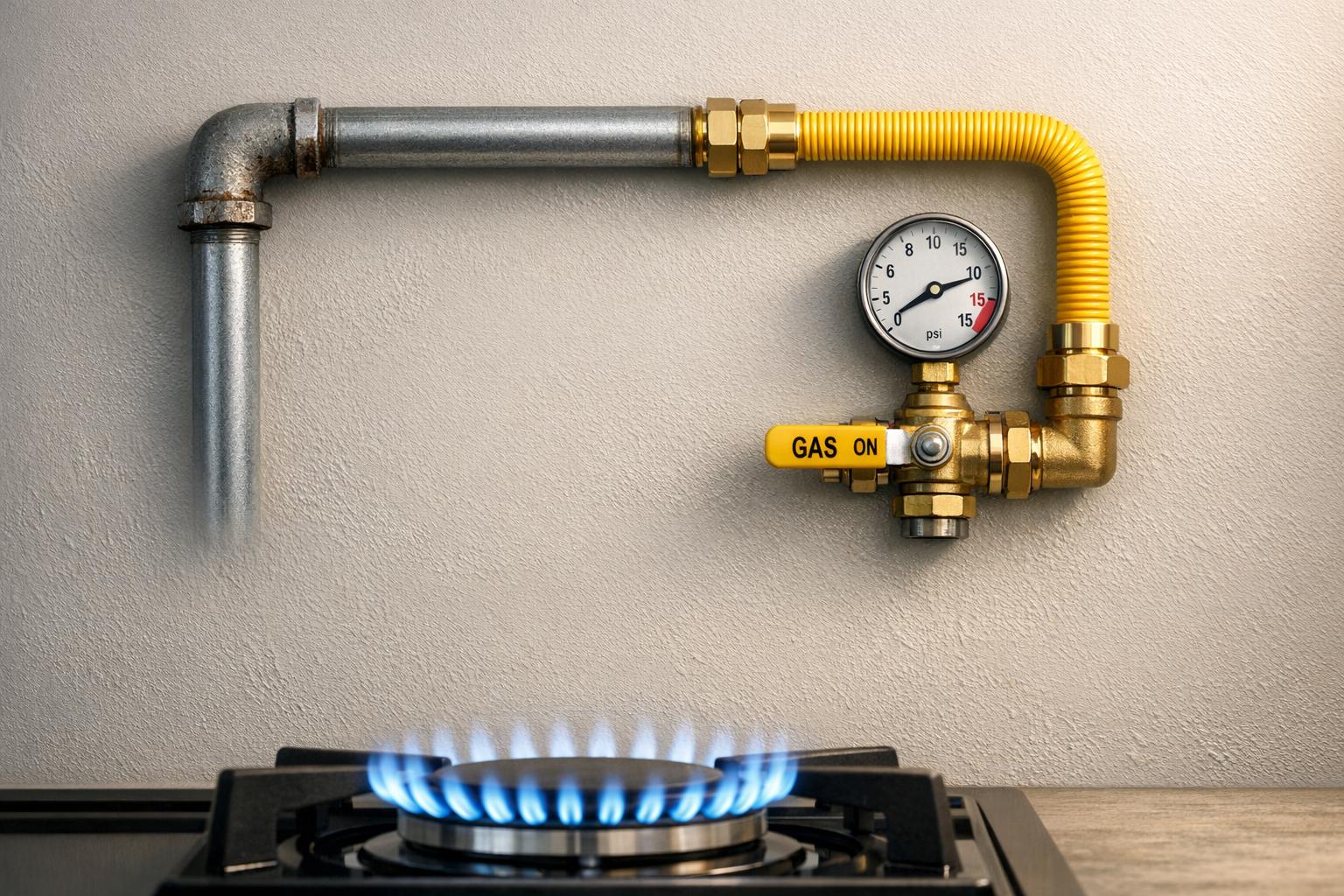
If water is pooling near electrical outlets, appliances, or wiring, turn off the power at the main breaker to avoid risks of electric shock or fire. For leaks involving water heaters, take extra precautions: turn off the unit’s power source. For electric models, flip the dedicated circuit breaker; for gas models, switch the gas valve to "off." Additionally, close the cold water supply valve located at the top of the tank.

Before cleaning up, document the damage with photos or videos. This is important because mold can begin to grow within 24 to 48 hours.

Temporary Containment Measures

While waiting for professional help, take steps to manage the leak and minimize further damage. Use buckets, towels, or plastic tarps to catch dripping water and protect valuable items. Remove any standing water using a wet/dry vacuum. To speed up drying and lower the risk of mold, set up fans and dehumidifiers. For minor issues like a dripping showerhead or faucet, wrapping plumber’s tape around the connection can temporarily reduce the leak until a proper fix is made.

Once you’ve taken these temporary measures, reach out to a professional for a thorough assessment and permanent solution.

Professional Repair Solutions

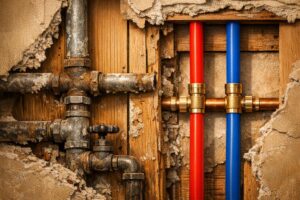
Professionals will assess the location and severity of the leak to determine the best course of action. In cases like slab leaks, repairs may involve cutting through concrete or rerouting the plumbing lines. For older systems showing signs of corrosion, a complete repiping of the house might be necessary. This often involves replacing outdated materials like polybutylene or corroded copper pipes with modern options like PEX or Schedule 40 PVC.

Fixture repairs are more straightforward and might include replacing parts like toilet flappers, wax rings, faucet washers, or pressure valves.

"Most leaks, if taken care of in a timely manner, will not lead to any structural issues. Most leaks will result in sheetrock damage or simply the need to repaint because of staining." – Brandon Foote, Owner & President, Advanced Roofing & Construction, LLC

How Round Rock Plumbing Can Help

Round Rock Plumbing

Complete Leak Detection Services

Round Rock Plumbing uses advanced, non-invasive tools to locate leaks anywhere on your property – whether they’re hidden behind walls, buried under concrete slabs, or even underground. And the best part? No unnecessary demolition is involved. Their team relies on cutting-edge equipment like acoustic listening devices, infrared thermal imaging, tracer gas detection, fiber-optic cameras, and electromagnetic pipeline locators to pinpoint leaks with incredible accuracy.

"Finding a hidden leak is not a guessing game. A general plumber may have to make multiple destructive holes in your walls or floors just to find the source." – Round Rock Plumbing

This technology allows them to locate leaks within inches, saving you from costly and messy exploratory work. With over eight years in business, a Master Plumber License (#38353), and a glowing 4.9-star customer rating, Round Rock Plumbing has built a reputation for precision and reliability. Their expertise is matched by their quick response times, ensuring your plumbing issues are handled efficiently.

24/7 Emergency Response

When plumbing emergencies strike, Round Rock Plumbing is ready to act – day or night. They provide immediate service to areas like Round Rock, Hutto, Leander, Pflugerville, Wells Branch, Jollyville, and Cedar Park, covering both residential and commercial properties.

"We will instantly dispatch a team of experts to your doorstep. They will reach your property, detect the leaks and fix them not in a matter of days but hours, letting you resolve your plumbing problems the very same day." – Round Rock Plumbing

Their licensed plumbers arrive fully prepared, equipped with the tools and parts needed to diagnose and fix the issue in one visit. Before any work begins, you’ll get a clear assessment and a transparent price estimate, so there are no surprises.

Long-Term Repair Solutions

Round Rock Plumbing doesn’t just stop at finding and fixing leaks – they go the extra mile to ensure your plumbing system is built to last. Their licensed plumbers tackle everything from slab leak repairs under concrete foundations to main line and irrigation fixes, as well as wall and ceiling pipe restoration. They even offer specialized services for swimming pool plumbing, including skimmer and pool structure repairs.

Conclusion

Water leaks can go unnoticed until they cause severe structural damage, encourage mold growth, or inflate your water bills. In fact, the amount of water lost annually from leaks could fill a backyard pool. To make matters worse, water damage often results in greater financial losses than break-ins or fires. Beyond wasting water and money, leaks can compromise the very foundation of a property.

This is where modern leak detection methods become invaluable. Tools like electronic acoustic detectors, infrared thermal imaging, and drain cameras can pinpoint leaks with incredible accuracy – often down to mere inches. These technologies eliminate the need for guesswork and prevent unnecessary demolition, making it possible to locate leaks hidden behind walls, under concrete slabs, or even underground.

"Finding a hidden water leak shouldn’t involve guesswork and a sledgehammer." – Round Rock Plumbing

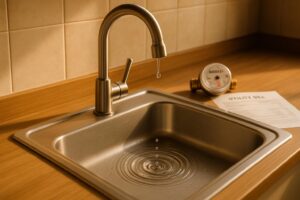
While homeowners can take simple steps like monitoring their water meter during a two-hour period of no water use or conducting a quick visual inspection, not all leaks are easy to find. If your water meter shows movement despite no visible signs of a leak, it’s time to call in the professionals. Fixing even small leaks can cut utility bills by about 10% and help prevent costly foundation repairs.

Precise detection and timely repairs are crucial to protecting your property. Round Rock Plumbing combines advanced technology with 24/7 emergency service and transparent pricing to tackle leaks quickly and effectively. With over eight years of local experience and a Master Plumber License, they’ve earned a reputation for their expertise, speed, and customer-first approach. When water starts leaking, every moment matters.

FAQs

What are the common signs of a hidden water leak in your home?

Hidden water leaks can be a challenge to detect, but there are some key signs that can give them away. Keep an eye out for things like a sudden spike in your water bill, musty or moldy odors, water stains appearing on walls or ceilings, bubbling paint, peeling wallpaper, or floors that feel soft or warped. Another clue? Hearing the sound of running water when all faucets and appliances are off.

Catching these signs early is crucial to avoiding expensive repairs. Tools like drain camera inspections and electronic leak detection can quickly and precisely locate the source of the issue, saving you time and hassle.

How do modern tools like acoustic sensors and thermal cameras detect water leaks?

Modern acoustic sensors are designed to detect water leaks by capturing the faint sounds produced when water escapes from a pressurized pipe. These sensors transform vibrations into electrical signals, which are then analyzed to pinpoint the distinct patterns associated with leaks. By carefully moving the sensor along walls, floors, or exposed pipes, plumbers can zero in on the exact location of a leak – without causing unnecessary damage to the surrounding structure.

Thermal cameras take a different approach by identifying temperature variations on surfaces. Since moisture interacts with heat differently than dry materials, areas with hidden leaks stand out as cooler or warmer spots on the camera’s display. This makes it possible to locate leaks even in tricky-to-access areas like crawl spaces or basements.

Both techniques are non-invasive, quick, and cost-effective. At Round Rock Plumbing, we rely on cutting-edge acoustic and thermal detection tools to deliver accurate leak detection services for homes and businesses throughout Round Rock, Texas.

What should I do right away if I think I have a water leak?

If you think you’ve got a water leak, it’s important to act fast. Not only can leaks cause serious water damage, but they can also drive up your water bill. Start by turning off the main water valve to stop any further water loss. Then, look for obvious signs like dripping water, puddles, or stains near faucets, toilets, water heaters, or irrigation lines.

If nothing is visible, you can check for hidden leaks using your water meter. Here’s how: turn off all water fixtures, take a reading from the meter, wait about 30 minutes, and check again. If the number has changed, you probably have a leak. For toilets, a simple test involves adding food coloring to the tank – if the color appears in the bowl without flushing, it’s time to replace the flapper.

When it’s time to call in the pros, Round Rock Plumbing is available 24/7. They use advanced tools like electronic leak detection and drain cameras to pinpoint and fix leaks quickly. Taking swift action can help you avoid costly repairs and keep your home safe from damage.

Related Blog Posts

Water Leak Detection: Methods That Work

⚡️ Quick Quote

⚡️ Recent Post

Water leaks can silently wreak havoc on your property, causing structural damage, inflated water bills, and health risks from mold. Detecting leaks early is critical to avoiding costly repairs. Here’s what you need to know:

  • Leaks waste over 10,000 gallons of water annually per household – enough to fill a swimming pool.
  • Hidden leaks can damage walls, foundations, and floors, leading to sagging, warping, or mold growth.
  • Modern detection methods like acoustic listening devices, infrared imaging, and camera inspections locate leaks with precision.
  • Warning signs include spiking water bills, stains on walls or ceilings, musty smells, and damp or warped floors.
  • Outdoor and underground leaks may show up as soggy patches, cracks in concrete, or warm spots on floors.

If you notice these signs, act quickly. Professional services use advanced tools to locate and fix leaks efficiently, saving time and money. Addressing even minor leaks can reduce water bills by 10% and prevent major damage.

Water Leak Detection Statistics and Warning Signs

Water Leak Detection Statistics and Warning Signs

How to do Leak Detection Step by Step | Plumbing 101

Warning Signs of Hidden Water Leaks

Spotting water leaks early can save you a significant amount in repairs and help protect your home from extensive damage. The tricky part? Many leaks hide in places like behind walls, under floors, or even beneath your foundation. But don’t worry – there are subtle signs, both indoors and outdoors, that can help you catch these sneaky leaks before they wreak havoc.

Interior Warning Signs

The first step in tackling water leaks is knowing what to look for inside your home. Yellow or brown stains on walls or ceilings, bubbling or peeling paint, and wallpaper lifting at the edges are strong indicators of moisture buildup. If your drywall feels soft or spongy, or if your floors are starting to warp or buckle, it’s a good bet that water has been pooling out of sight for a while.

Another big clue? A sudden spike in your water bill. If your household is using more than 2,000 gallons of water per person per month (excluding irrigation), there’s likely a hidden leak somewhere. You might also hear unusual sounds like dripping, hissing, or running water behind walls, even when all faucets are off. And if you notice a musty or earthy smell, it could mean mold or mildew is growing due to persistent moisture.

Basements are another hotspot for leak warnings. Look for white, chalky streaks – called "efflorescence" – on the walls. This happens when water seeps through concrete and evaporates, leaving behind mineral deposits. A drop in water pressure is another red flag, as it often means water is escaping the system before reaching your taps. Research shows that in homes with moisture issues, 31% had rotting, buckling, or peeling surfaces, while 26.5% had damp or wet areas.

Exterior and Slab Warning Signs

Clues outside your home are just as important. If you spot unusually green or fast-growing patches of grass, soggy areas in your yard, standing water when it hasn’t rained, or small sinkhole-like depressions, these could all indicate a buried water line leak. Cracks in your foundation, driveway, or patio might also point to water pressure building up under the concrete slab.

Slab leaks, in particular, can create warm spots on your floor, especially if they involve hot water lines. Take a barefoot walk across your ground floor to check for these warm areas. Other signs include damp or warped flooring and the sound of running water or humming noises beneath your home when no taps are on. Since underground leaks can go undetected for long periods, these signs are crucial to catch early.

Fixture and Appliance Warning Signs

Your home’s fixtures and appliances can also give away hidden leaks. For instance, 20–35% of residential toilets leak. If you hear a constant hissing or gurgling sound when the toilet isn’t in use, it’s worth investigating. A simple food coloring test can help: add a few drops of dye to the tank, and if the color shows up in the bowl within 10–30 minutes without flushing, the flapper valve is leaking.

Check under sinks for warped wood, mold, or pooled water. Water heaters are another common culprit – any standing water in the safety pan beneath the unit usually signals a leak in the tank or its connections. Black particles in your tap water? That’s a sign of deteriorating rubber gaskets or O-rings. If your water softener seems to be recharging constantly during the day instead of at night, it might have an internal leak. And for refrigerators with ice makers or water dispensers, wet spots or stains on the floor behind the appliance often mean a slow leak in the supply line.

Catching these warning signs early can help you avoid major damage and keep repair costs under control. Paying attention to these details ensures your home stays dry, safe, and efficient.

Professional Leak Detection Methods

When signs point to a possible leak, advanced non-invasive techniques can accurately locate hidden issues, saving both time and money on repairs.

Electronic Acoustic Leak Detection

This method uses highly sensitive microphones to pick up the distinct low-frequency sounds created by leaking pressurized pipes. In systems operating at 30 psi or higher, leaks produce a unique "hollow" or baritone vibration, often accompanied by hissing, splashing, or whooshing sounds.

Technicians use specialized equipment, including noise-canceling headphones and digital amplifiers with filters, to scan pipes and isolate the leak’s location while minimizing interference from background noise. This approach works even when leaks are hidden behind walls or underground.

However, certain factors can impact its effectiveness. For instance, water pooling at the leak site may dampen the sound, and variables like pipe material, depth, soil type, and surface cover can affect accuracy. Typically, locating a hidden leak with this method costs between $170 and $200, excluding repair expenses.

For a different approach, visual inspection techniques like drain and sewer camera inspections offer another effective way to identify leaks.

Drain and Sewer Camera Inspections

Camera inspections provide a direct visual method to detect leaks and other pipe issues, particularly in drain and sewer lines. High-resolution cameras are inserted through cleanouts, toilet drains, or roof vents, delivering live video footage of the pipe’s interior. This allows technicians to identify cracks, breaks, blockages, and even root intrusions.

"Camera inspections are especially useful for identifying and locating sewer line leaks without needing to dig up the yard to access the pipe." – Rosenberg Plumbing & Air

This method not only pinpoints leaks but also determines if trenchless repair methods are an option, reducing the need for disruptive excavation. Catching minor problems early can prevent costly damage later – water leaks, after all, cause property damage at twice the rate of break-ins and fires combined.

Pressure Testing and Line Isolation

When acoustic or visual methods aren’t conclusive, pressure testing offers a reliable way to confirm hidden leaks. This technique is crucial for accurately locating leaks and minimizing potential damage.

Hydrostatic pressure testing involves filling the plumbing system with water up to the slab level and monitoring for pressure drops over about 20 minutes. A drop in water level signals the presence of a leak.

Line isolation, also known as static leak isolation, takes this process a step further. Inflatable plugs are used to seal off specific pipe sections, allowing technicians to pinpoint the exact location of the leak. A measurable pressure drop in the isolated segment confirms the issue. This method is often paired with line tracing and camera inspections for a comprehensive evaluation and is particularly helpful during pre-purchase inspections of older homes.

In the U.S., about 2 trillion gallons of treated drinking water are lost annually due to water main breaks. On average, distribution systems lose 16% of water, with 75% of that loss attributed to leaks.

Emergency Leak Containment and Repairs

Immediate Safety Steps

The first step is to stop the water flow. Find the shut-off valve for the specific fixture and turn it clockwise to close it. If the leak is more widespread, shut off the main water supply – usually located near your water meter.

If water is pooling near electrical outlets, appliances, or wiring, turn off the power at the main breaker to avoid risks of electric shock or fire. For leaks involving water heaters, take extra precautions: turn off the unit’s power source. For electric models, flip the dedicated circuit breaker; for gas models, switch the gas valve to "off." Additionally, close the cold water supply valve located at the top of the tank.

Before cleaning up, document the damage with photos or videos. This is important because mold can begin to grow within 24 to 48 hours.

Temporary Containment Measures

While waiting for professional help, take steps to manage the leak and minimize further damage. Use buckets, towels, or plastic tarps to catch dripping water and protect valuable items. Remove any standing water using a wet/dry vacuum. To speed up drying and lower the risk of mold, set up fans and dehumidifiers. For minor issues like a dripping showerhead or faucet, wrapping plumber’s tape around the connection can temporarily reduce the leak until a proper fix is made.

Once you’ve taken these temporary measures, reach out to a professional for a thorough assessment and permanent solution.

Professional Repair Solutions

Professionals will assess the location and severity of the leak to determine the best course of action. In cases like slab leaks, repairs may involve cutting through concrete or rerouting the plumbing lines. For older systems showing signs of corrosion, a complete repiping of the house might be necessary. This often involves replacing outdated materials like polybutylene or corroded copper pipes with modern options like PEX or Schedule 40 PVC.

Fixture repairs are more straightforward and might include replacing parts like toilet flappers, wax rings, faucet washers, or pressure valves.

"Most leaks, if taken care of in a timely manner, will not lead to any structural issues. Most leaks will result in sheetrock damage or simply the need to repaint because of staining." – Brandon Foote, Owner & President, Advanced Roofing & Construction, LLC

How Round Rock Plumbing Can Help

Round Rock Plumbing

Complete Leak Detection Services

Round Rock Plumbing uses advanced, non-invasive tools to locate leaks anywhere on your property – whether they’re hidden behind walls, buried under concrete slabs, or even underground. And the best part? No unnecessary demolition is involved. Their team relies on cutting-edge equipment like acoustic listening devices, infrared thermal imaging, tracer gas detection, fiber-optic cameras, and electromagnetic pipeline locators to pinpoint leaks with incredible accuracy.

"Finding a hidden leak is not a guessing game. A general plumber may have to make multiple destructive holes in your walls or floors just to find the source." – Round Rock Plumbing

This technology allows them to locate leaks within inches, saving you from costly and messy exploratory work. With over eight years in business, a Master Plumber License (#38353), and a glowing 4.9-star customer rating, Round Rock Plumbing has built a reputation for precision and reliability. Their expertise is matched by their quick response times, ensuring your plumbing issues are handled efficiently.

24/7 Emergency Response

When plumbing emergencies strike, Round Rock Plumbing is ready to act – day or night. They provide immediate service to areas like Round Rock, Hutto, Leander, Pflugerville, Wells Branch, Jollyville, and Cedar Park, covering both residential and commercial properties.

"We will instantly dispatch a team of experts to your doorstep. They will reach your property, detect the leaks and fix them not in a matter of days but hours, letting you resolve your plumbing problems the very same day." – Round Rock Plumbing

Their licensed plumbers arrive fully prepared, equipped with the tools and parts needed to diagnose and fix the issue in one visit. Before any work begins, you’ll get a clear assessment and a transparent price estimate, so there are no surprises.

Long-Term Repair Solutions

Round Rock Plumbing doesn’t just stop at finding and fixing leaks – they go the extra mile to ensure your plumbing system is built to last. Their licensed plumbers tackle everything from slab leak repairs under concrete foundations to main line and irrigation fixes, as well as wall and ceiling pipe restoration. They even offer specialized services for swimming pool plumbing, including skimmer and pool structure repairs.

Conclusion

Water leaks can go unnoticed until they cause severe structural damage, encourage mold growth, or inflate your water bills. In fact, the amount of water lost annually from leaks could fill a backyard pool. To make matters worse, water damage often results in greater financial losses than break-ins or fires. Beyond wasting water and money, leaks can compromise the very foundation of a property.

This is where modern leak detection methods become invaluable. Tools like electronic acoustic detectors, infrared thermal imaging, and drain cameras can pinpoint leaks with incredible accuracy – often down to mere inches. These technologies eliminate the need for guesswork and prevent unnecessary demolition, making it possible to locate leaks hidden behind walls, under concrete slabs, or even underground.

"Finding a hidden water leak shouldn’t involve guesswork and a sledgehammer." – Round Rock Plumbing

While homeowners can take simple steps like monitoring their water meter during a two-hour period of no water use or conducting a quick visual inspection, not all leaks are easy to find. If your water meter shows movement despite no visible signs of a leak, it’s time to call in the professionals. Fixing even small leaks can cut utility bills by about 10% and help prevent costly foundation repairs.

Precise detection and timely repairs are crucial to protecting your property. Round Rock Plumbing combines advanced technology with 24/7 emergency service and transparent pricing to tackle leaks quickly and effectively. With over eight years of local experience and a Master Plumber License, they’ve earned a reputation for their expertise, speed, and customer-first approach. When water starts leaking, every moment matters.

FAQs

What are the common signs of a hidden water leak in your home?

Hidden water leaks can be a challenge to detect, but there are some key signs that can give them away. Keep an eye out for things like a sudden spike in your water bill, musty or moldy odors, water stains appearing on walls or ceilings, bubbling paint, peeling wallpaper, or floors that feel soft or warped. Another clue? Hearing the sound of running water when all faucets and appliances are off.

Catching these signs early is crucial to avoiding expensive repairs. Tools like drain camera inspections and electronic leak detection can quickly and precisely locate the source of the issue, saving you time and hassle.

How do modern tools like acoustic sensors and thermal cameras detect water leaks?

Modern acoustic sensors are designed to detect water leaks by capturing the faint sounds produced when water escapes from a pressurized pipe. These sensors transform vibrations into electrical signals, which are then analyzed to pinpoint the distinct patterns associated with leaks. By carefully moving the sensor along walls, floors, or exposed pipes, plumbers can zero in on the exact location of a leak – without causing unnecessary damage to the surrounding structure.

Thermal cameras take a different approach by identifying temperature variations on surfaces. Since moisture interacts with heat differently than dry materials, areas with hidden leaks stand out as cooler or warmer spots on the camera’s display. This makes it possible to locate leaks even in tricky-to-access areas like crawl spaces or basements.

Both techniques are non-invasive, quick, and cost-effective. At Round Rock Plumbing, we rely on cutting-edge acoustic and thermal detection tools to deliver accurate leak detection services for homes and businesses throughout Round Rock, Texas.

What should I do right away if I think I have a water leak?

If you think you’ve got a water leak, it’s important to act fast. Not only can leaks cause serious water damage, but they can also drive up your water bill. Start by turning off the main water valve to stop any further water loss. Then, look for obvious signs like dripping water, puddles, or stains near faucets, toilets, water heaters, or irrigation lines.

If nothing is visible, you can check for hidden leaks using your water meter. Here’s how: turn off all water fixtures, take a reading from the meter, wait about 30 minutes, and check again. If the number has changed, you probably have a leak. For toilets, a simple test involves adding food coloring to the tank – if the color appears in the bowl without flushing, it’s time to replace the flapper.

When it’s time to call in the pros, Round Rock Plumbing is available 24/7. They use advanced tools like electronic leak detection and drain cameras to pinpoint and fix leaks quickly. Taking swift action can help you avoid costly repairs and keep your home safe from damage.

Related Blog Posts

Round Rock Plumbing

Your Williamson County plumbing team.

Related Posts

You might also like...

How to Save Money on Pipe Replacement

Save on pipe replacement: choose the right material (PEX, copper, CPVC), use trenchless methods, schedule off-peak, get inspections and compare quotes....