A sewer line leak is more than just a plumbing issue – it can damage your home, increase your water bill, and create health risks. Here are five warning signs to watch out for:
- Foul odors: Rotten egg or sewage smells in your home or yard.
- Slow drains: Multiple drains backing up or draining sluggishly.
- Gurgling sounds: Bubbles or strange noises from pipes when using water fixtures.
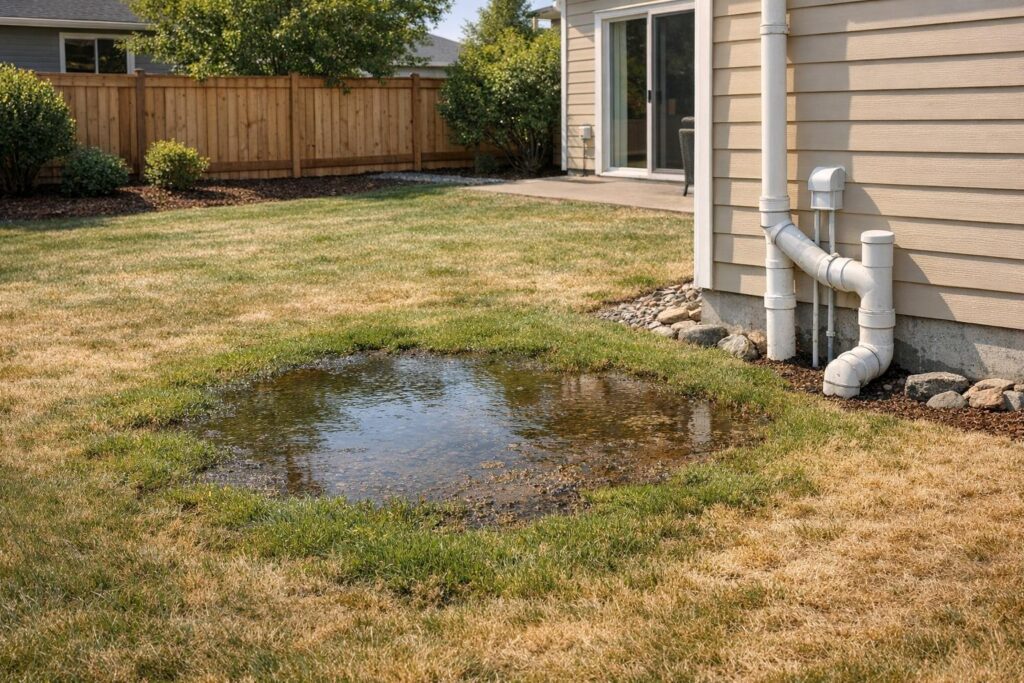
- Lush green patches or wet spots: Unusually green grass or soggy areas in your yard.
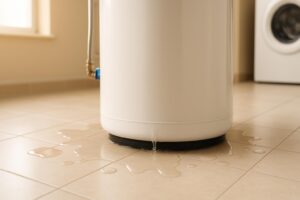
- Increased water bills or backups: Unexplained spikes in your bill or recurring plumbing backups.
These signs often point to issues like tree root intrusion, aging pipes, or blockages. Early detection is key to avoiding costly repairs. If you notice any of these, stop using water and contact a professional plumber for an inspection.

5 Warning Signs of a Sewer Line Leak
Warning Signs Your Sewer Line Is Backing Up
1. Foul Odors
Notice a smell like rotten eggs or raw sewage in your home or yard? That could be a sign of a sewer line leak. The culprit here is hydrogen sulfide gas, which forms as organic waste breaks down in stagnant water. When a sewer line leaks, this gas escapes into the air, creating that unmistakable rotten egg odor.
But that’s not all. A sewer leak can increase moisture levels, encouraging mold growth and bringing along a musty smell.
Here’s a quick test: Run water briefly in your floor drains or sinks. If the odor disappears, the issue might just be a dried-out P-trap. But if the smell lingers – especially in multiple drains or places like your basement – it could point to a bigger plumbing issue.
Outside your home, be on the lookout for areas of your yard that smell like sewage. Unusually green grass or soggy spots may also be clues. Leaking sewage acts like a fertilizer, causing these changes. Fun fact: humans can detect hydrogen sulfide at concentrations as low as 0.5 parts per million.
Don’t brush off these odors. High levels of hydrogen sulfide can lead to headaches, nausea, and even respiratory problems. If cleaning drains or refilling P-traps doesn’t solve the problem, it’s time to call in the pros. A video camera inspection can help locate cracks or breaks in your sewer line.
And keep an eye out for slow drains – they’re often tied to sewer line troubles.
2. Slow Drains
If just one drain in your home is slow, it’s likely a clog in that specific fixture. But when multiple drains – like your kitchen sink, bathtub, and toilets – start draining sluggishly all at once, it’s a red flag for a bigger problem: an issue with the main sewer line.
A single slow drain often means hair, grease, or soap scum has built up in that fixture’s trap. However, when every drain in the house is affected, you’re probably dealing with a blockage or a leak in the main sewer line that carries all your wastewater. Dito Rodriguez from High Priority Plumbing explains:
Slow drainage can signify a blockage or a leak in the sewer line. As waste materials accumulate or leaks weaken the pipe, the flow of water becomes restricted.
Several culprits can lead to these issues. Tree roots invading the pipes, grease and soap scum buildup, aging pipes, or even ground shifting that causes pipes to sag (commonly called "bellied" pipes) are all common causes. Homes with older plumbing systems are particularly vulnerable. Pipes made of cast iron or clay, often installed in homes over 40 years old, are prone to corrosion and deterioration.
One thing to avoid? Chemical drain cleaners. These products might seem like a quick fix, but they can erode your pipes over time. If plungers or drain snakes don’t do the trick, it’s time to stop using water and call a professional for a camera inspection. This will help identify the exact location of the blockage or leak.
Keep an eye on your basement drains and listen for strange sounds – these can be early warnings of sewer line trouble. Spotting these signs early can give you a clearer understanding of your sewer line’s condition and help prevent bigger issues down the road.
3. Gurgling Sounds
Hearing your toilet bubble when the dishwasher is running? Or maybe your sink gurgles when you flush the toilet? These odd sounds are often a sign that something is blocking the flow of water and air in your sewer line.
Here’s what’s happening: when water moves through your pipes, it can push trapped air upward, creating those gurgling noises. This usually means there’s a blockage or even a leak somewhere in the system, which disrupts the normal flow of water and air.
The location of the gurgling sounds can help you figure out if it’s a minor clog or something more serious. For example, if running your washing machine makes your toilet gurgle, or flushing one toilet causes bubbling in a nearby shower drain, it’s likely a main sewer line issue. This "cross-fixture" gurgling happens because a blockage forces air and waste to back up into other plumbing fixtures. It’s a clear sign that the problem isn’t just a simple clog.
Also, pay close attention to how loud the gurgling gets. In older homes, where tree roots can invade clay or concrete sewer lines, these noises tend to grow louder as more sewage backs up. That’s a red flag you don’t want to ignore.
If you’re hearing gurgling from multiple drains, especially if they’re draining slowly, it’s time to stop using water and call for an inspection. Catching these signs early can save you from dealing with a much bigger – and messier – sewage backup.
sbb-itb-5fe396b
4. Lush Green Patches or Wet Spots in the Yard
Your yard can sometimes reveal what’s happening beneath the surface, especially when it comes to sewer line leaks. Just like foul odors and slow drains inside your home, the outdoors may show telltale signs. If you’ve noticed a patch of your lawn looking unusually lush or greener than the rest, or if certain areas remain constantly wet, these could be red flags indicating a sewer line issue.
Here’s what’s happening underground: sewage is packed with organic waste and nutrients like nitrogen, which act as a natural fertilizer. When a sewer line cracks or breaks, this nutrient-rich wastewater leaks into the soil, causing the grass above the damaged area to grow faster, thicker, and brighter. As Milton Frank Plumbing & Cooling puts it, "Sewage acts as a fertilizer, so if there’s a leak underground, the grass above it might grow faster and appear healthier than the rest of your lawn."[^7] This visual clue often complements other signs, such as unpleasant smells or drainage problems inside your home.
The constant moisture from the leak can also keep the ground hydrated, even during dry spells when the rest of your lawn might start to brown. However, there’s a downside – persistent leakage can lead to a buildup of toxins in the soil, which can eventually harm your yard. Express Sewer & Drain warns, "The water and nutrients from your sewer line act as excellent fertilizers, but this method of irrigation is not recommended long-term. Over time, toxins can build up in the soil and leech to the surface."[^35]
Since sewer lines are typically buried at least four feet underground[^34], surface wetness often appears directly above the damaged section. If you’re seeing standing water, soggy patches, or areas that feel soft and spongy underfoot, the leak may be more severe than it seems. In extreme cases, the leaking water can erode the soil, causing sunken patches or even sinkholes to form. These signs should not be ignored and call for immediate professional attention.
Don’t forget about the distinct odor that often accompanies sewer leaks. A sulfur-like or "rotten egg" smell can confirm a leak rather than a simple case of overwatering. You might also notice an uptick in pests like rats, cockroaches, or flies, as they’re drawn to the moisture and organic material in leaking sewage. If these signs sound familiar, scheduling a camera inspection can help locate the problem before it worsens.
5. Increased Water Bills or Backups
Unexplained spikes in your water bill or recurring backups often point to sewer line problems. Just like foul odors and slow drains, these issues are clear indications that something isn’t right underground. A sudden jump in your water bill, for instance, is a strong clue. According to Express Sewer & Drain:
An unexplained spike in your water bill is the most accurate sign of pipe leakage; your bill provides an actual record of your water consumption over time versus random signs that could be due to something other than a leak.
Typically, water bills fluctuate by no more than $10–$15 each month. If your bill suddenly increases by $50, $100, or even more, and your household’s water usage hasn’t changed, it’s likely that a hidden leak is to blame. Leaks occurring between your water meter and your home are particularly tricky – they register as water usage even though the water never reaches your faucets.
Here’s a startling fact: the average North American household loses about 10,000 gallons of water every year due to leaks. Worse, 1 in 10 homes has severe leaks that waste 90 gallons or more per day. Hidden sewer leaks can go unnoticed for months, and as Accurate Leak and Line cautions:
Hidden sewer leaks can be expensive to repair and even more costly to ignore. Unfortunately, with hidden sewer leaks, you may not know there’s a problem until you get your water bill.
Some homeowners only realize there’s an issue after receiving an unusually high bill.
Beyond your water bill, backups in your plumbing are another red flag. These aren’t the occasional clogged drains you can fix with a plunger. Instead, widespread backups across multiple drains often point to a problem with the main sewer line. Laura Foudray, Chief Marketing Officer at Christian Brothers Air Conditioning Plumbing Electrical, explains:
If the backup is only in one toilet or drain, it may be an issue with a branching sewer pipe. However, if every drain in your home is backed up, it’s a sign that the main sewer line is leaking.
You might also notice strange cross-fixture reactions. For example, flushing an upstairs toilet could cause water to overflow from a downstairs drain, or running your washing machine might make your shower gurgle.
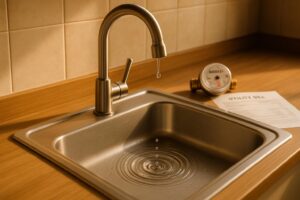
To confirm a leak, you can perform a simple test using your water meter. Turn off all faucets and water-using appliances, then check your meter. If the numbers change or the leak indicator moves after 20 minutes of no water usage, a leak is likely present. Many municipalities now provide alerts if they detect continuous water flow for 24 hours straight.
Ignoring these signs isn’t an option. Sewer leaks can cause significant damage to your home, including ruined floors, walls, and furniture. They can also saturate the soil around your foundation, leading to cracks or even sinkholes. If you’re dealing with unexplained bill increases or multiple drain backups, it’s time to call in the professionals. A camera inspection can pinpoint the exact location of the problem before it turns into a costly emergency. For those in Round Rock, Texas, Round Rock Plumbing offers expert leak detection and camera inspection services to address these issues quickly and efficiently.
Don’t delay – acting quickly can save you from more extensive (and expensive) repairs down the line.
What to Do Next
If you think you might have a sewer line leak, the first step is to stop using water immediately. This helps prevent backups or flooding from getting worse. Skip the chemical drain cleaners – they can corrode already weakened pipes and won’t solve the problem if the main sewer line is leaking. Instead, your priority should be getting a proper diagnosis. Acting quickly can save you from major property damage and expensive repairs.
A professional camera inspection is one of the best ways to figure out what’s going on. This process involves threading a waterproof camera through your sewer line to get a clear view of the problem. Whether it’s tree roots, a collapsed pipe, or a sagging section, the inspection pinpoints the issue without the need for digging up your yard. If the leak isn’t visible, electronic leak detection can help. Using sonar technology, this method listens for escaping water and accurately identifies the leak’s location. These advanced tools are available to residents in Round Rock.
Round Rock Plumbing provides 24/7 emergency services and uses state-of-the-art diagnostic tools like drain camera inspections and electronic leak detection. Their equipment can find leaks behind walls, under concrete slabs, or even beneath landscaping – without the need for demolition. Once the problem is identified, you’ll have options for repair, such as trenchless methods like pipe relining or pipe bursting, which minimize disruption to your property.
Taking action quickly is crucial. Early intervention from a professional can save you from costly repairs, sewage cleanup, and damage to your home’s foundation or landscaping.
Conclusion
Identifying sewer leaks early can save you from expensive repairs and extensive damage. Signs like foul odors, slow drains, gurgling noises, soggy spots in the yard, and unexpected spikes in utility bills often point to sewer line issues. Ignoring these warnings can lead to severe consequences, including foundation cracks, sinkholes, toxic mold growth, and pest infestations. Mold, for instance, can start forming in as little as 48 hours.
"Hidden sewer leaks can be expensive to repair and even more costly to ignore." – Accurate Leak and Line
Delaying repairs can cause costs to skyrocket, especially when you factor in structural damage, mold removal, and landscaping fixes. Homes with sewer lines older than 50 years are particularly vulnerable, as aging pipes are more prone to failure.
To address these risks effectively, advanced diagnostic tools are crucial. Technologies like video camera inspections and electronic leak detection help plumbers locate leaks with precision, avoiding unnecessary property damage. Trenchless repair methods, such as pipe lining, offer efficient solutions while keeping your yard and driveway intact. Companies like Round Rock Plumbing provide 24/7 emergency services, using cutting-edge equipment to detect leaks behind walls, under slabs, or beneath landscaping – delivering quick and reliable repairs when you need them most.
Don’t wait – taking action now can safeguard your home, health, and wallet.
FAQs
How can I tell if a bad smell is caused by a sewer line leak?
If you’re dealing with a stubborn rotten-egg smell, often linked to hydrogen sulfide, start by identifying where it’s strongest – near drains, in your yard, or around the house. Sometimes, the culprit is a dry trap, which happens when a drain hasn’t been used for a while. However, if the smell doesn’t go away, it’s a good idea to call a plumber. They can use tools like video cameras or electronic leak detectors to pinpoint the issue.
What should I do if multiple drains in my home are slow?
If you’re noticing that several drains in your home are running slow, it could point to a bigger problem – possibly a blockage or damage in your main sewer line. This isn’t something to ignore, as delays in addressing it can lead to more serious issues.
The first step is to check multiple fixtures, like sinks, bathtubs, and showers, to see if the problem is widespread. Steer clear of chemical drain cleaners; while they might seem like a quick fix, they can harm your pipes and won’t tackle blockages deep within the sewer line. Instead, it’s best to call a licensed plumber, such as Round Rock Plumbing, to assess the situation. Professionals have access to specialized tools, like waterproof cameras, that can pinpoint the problem and determine the right fix – whether that means clearing a clog, repairing a damaged pipe, or replacing part of the system.
Once the repairs are done, keep an eye on your drains to make sure everything is working as it should. And if the issue comes back, don’t hesitate to get in touch with your plumber for further assistance.
Why do I have unusually green or soggy spots in my yard?
Unusually lush or persistently soggy patches in your yard might be a sign of a sewer line leak. When a pipe is damaged, the wastewater that escapes is packed with nutrients like nitrogen and phosphorus – essentially acting as a natural fertilizer. This can lead to grass in the affected area growing faster, looking greener, and appearing much healthier than the rest of your lawn. At the same time, the escaping water can create overly moist or spongy spots, even during periods of dry weather.
If you spot these unusual changes in your yard, it’s a good idea to call in a professional plumber. Round Rock Plumbing specializes in identifying sewer line issues using advanced tools like drain cameras and electronic leak detection. By addressing the problem early, you can avoid further damage and expensive repairs while keeping your yard in great shape for all the right reasons.
Related Blog Posts
- Why Is My Water Bill So High This Month?
- How to Detect Hidden Water Leaks in Your Home
- When to Schedule a Sewer Line Inspection
- Water Leak Detection: Methods That Work
Need a Plumber in Round Rock?
Get fast, reliable service from licensed professionals.
Or call us now: (512) 598-4241