Opening a water bill that’s much higher than usual can be frustrating. The most common reasons include:
- Hidden leaks: A dripping faucet or leaky toilet can waste thousands of gallons monthly.
- Equipment issues: Faulty water heaters, irrigation systems, or underground supply lines may cause unnoticed water loss.
- Lifestyle or seasonal changes: Increased outdoor watering, hosting guests, or filling a pool can spike usage.
To identify the problem, start by checking your water meter, inspecting for visible leaks, and comparing past bills. Fixing leaks early and using water-efficient fixtures can save money and prevent further waste. If the issue persists, consider hiring a professional for advanced leak detection.
High water bill? Common causes & how to check for leaks
Main Reasons Your Water Bill Increased
If your water bill has suddenly spiked, pinpointing the cause is the first step toward fixing the issue. Most increases come down to three key factors: hidden leaks, equipment problems, or changes in how you use water. Let’s break down the specifics.
Hidden Leaks in Toilets, Faucets, and Fixtures
Toilet leaks are one of the biggest culprits of water waste – and they’re often silent. Considering that toilets make up about 30% of indoor water use, even a small, unnoticed leak can have a big impact on your bill. Worn-out flappers or faulty fill valves are common problems that let water continuously flow from the tank to the bowl.
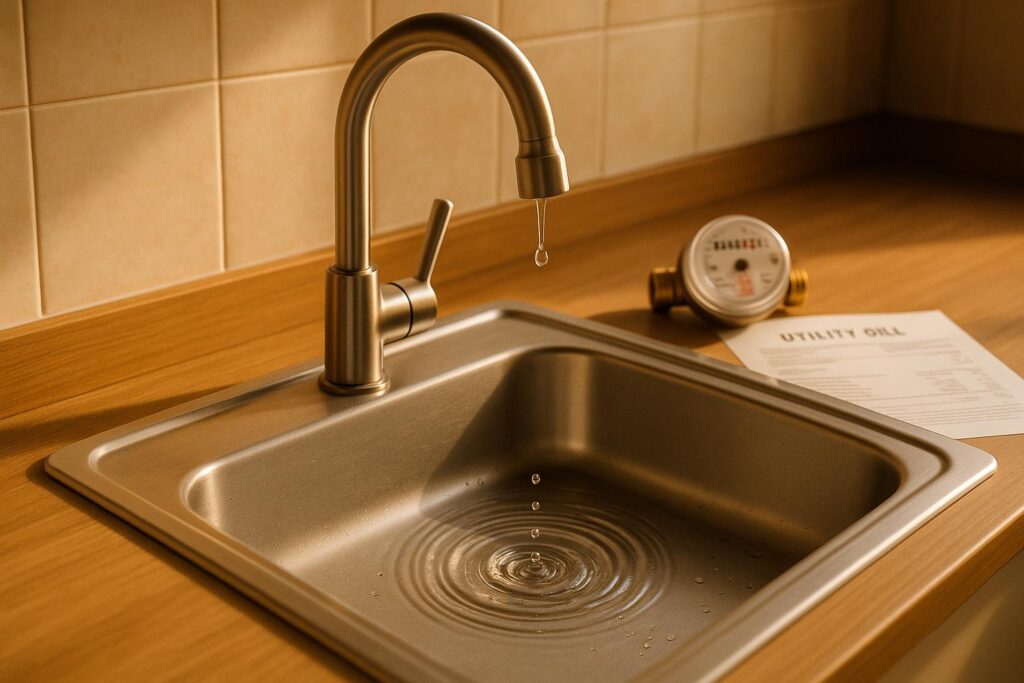
Faucet and showerhead leaks, though they might seem minor, can waste thousands of gallons over time. A faucet dripping once per second wastes over 3,000 gallons in a year, and faster drips can waste anywhere from 10 to 200 gallons daily. These leaks are often caused by worn washers, damaged valve seats, or excessive water pressure. Even a showerhead dripping at just 10 drips per minute can add up over time.
Water Heater and Supply Line Leaks
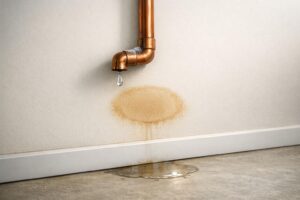
Water heater leaks are another sneaky source of water waste. Because water heaters are often tucked away in utility areas, leaks can go unnoticed. These can range from slow drips around connections to more severe issues like tank corrosion. Signs to watch for include rust stains, damp spots, or soggy areas near the base of the heater.
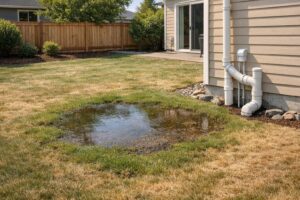
Underground supply line leaks are even harder to detect since they’re out of sight. These leaks can waste thousands of gallons before you realize there’s a problem, and they may also cause significant damage to your property.
Seasonal or Lifestyle Changes
Not every high water bill is due to a leak. Sometimes, seasonal shifts or changes in your routine can lead to increased water use. For example, summer irrigation in hot climates like Texas can double or triple your water consumption. Watering your lawn more frequently during hot months can quickly drive up your bill.
"However, Jones cautions that calculating the average water bill is complicated because a water bill will vary depending on if it’s for a residential or commercial building, if it’s an exceptionally hot or cold month, or if the city is experiencing a drought." – Erin Jones, Houston Public Works spokesperson
Lifestyle changes can also play a big role. A growing household, hosting guests, or even getting new pets can increase daily water usage. Small habits matter too – letting the water run while brushing your teeth can waste up to 200 gallons per month for a family of four. Cutting a 10-minute shower down to 5 minutes saves about 12.5 gallons each time.
Other factors, like filling or topping off a swimming pool, malfunctioning irrigation systems, or leaving hoses unattended, can also contribute. For reference, typical indoor water use for one person ranges from 2,000 to 4,000 gallons per month. In Houston, a single-family home usually uses 4,000 to 5,000 gallons monthly during mild weather with normal rainfall. If your usage is far above these averages, you’ve likely found the source of the problem.
How to Find the Source of Your High Water Bill
If your water bill has suddenly skyrocketed, don’t panic. You can track down the source of the problem using straightforward methods – no fancy tools or plumbing expertise required.
Check Your Water Meter for Leaks
Your water meter can be a great ally in uncovering hidden leaks. Here’s how you can use it to investigate:
- Turn off all water sources: Make sure no faucets, appliances, or toilets are in use.
- Find and note the meter reading: Water meters are usually located outside near the street or in a utility room. Write down the current reading.
- Wait without using any water: Leave everything off for one to two hours. For slower leaks, you may want to wait longer.
- Check the meter again: If the reading has changed, water is flowing somewhere. A fast-moving meter indicates a significant leak, while smaller changes could mean a slow drip that adds up to thousands of gallons over time.
Once you’ve confirmed a leak, the next step is to figure out where it’s coming from.
Look for Visible Signs of Leaks
A quick visual inspection can help you pinpoint the problem. Focus on these common trouble spots:
- Toilets: Check for water pooling around the base or listen for a constant running sound.
- Under sinks: Look for water stains, warped cabinet floors, or a musty smell.
- Water heater area: Inspect for rust marks, damp spots, or soggy areas near the base and connections.
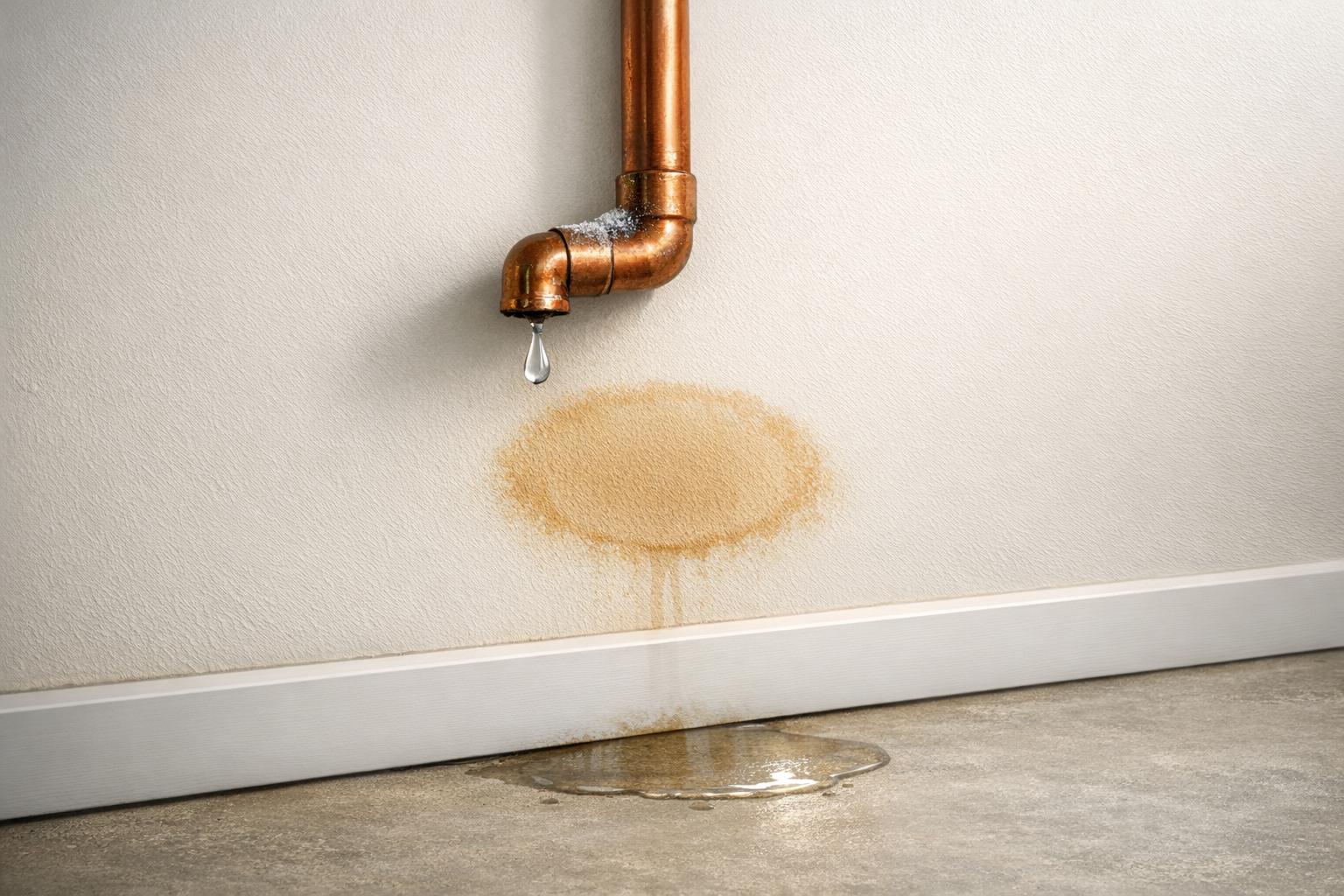
- Walls and ceilings: Watch for water stains, peeling paint, or mold – these are signs of hidden leaks.
- Outdoors: Check your irrigation system for broken sprinkler heads and look for unusually wet patches in your yard.
Even if you don’t spot anything immediately, these areas are often the culprits.
Compare Your Past Water Bills
After checking for physical leaks, take a closer look at your water bills. They can reveal a lot about what’s happening:
- Focus on usage, not cost: Water rates can fluctuate, so it’s better to track how many gallons you’re using.
- Watch for sudden spikes: Big jumps in usage are more alarming than gradual increases. For example, a $20 or higher jump likely points to a leak. Smaller increases, like $5 to $15, might just mean more usage, while anything under $5 could be due to rate changes.
- Low-usage months: Pay attention to January or February, when water use is typically lower. If a family of four uses more than 12,000 gallons during these months, it’s a strong indicator of a significant leak.
sbb-itb-5fe396b
How to Lower Your Water Costs
If you’ve pinpointed the reason behind your high water bill, the next step is to tackle the issue. Many water waste problems have simple fixes that can lead to noticeable savings over time.
Fix Leaks and Upgrade Old Fixtures
Take care of leaks right away. Start with the basics: double-check that all faucets are fully turned off and replace any worn-out washers or seals. A running toilet often just needs a quick flapper adjustment or a new fill valve.
Invest in water-efficient fixtures for long-term savings. Swapping out older plumbing fixtures for low-flow options can make a big difference. For example, EPA WaterSense-certified shower heads save about 4 gallons per shower, which adds up to 120 gallons per month per person. Similarly, WaterSense-certified dishwashers use 3.2 gallons or less per cycle – over 30% less than standard models. You can also consider installing an automatic whole-home water shut-off valve. These systems detect unusual water flow and stop it automatically, potentially qualifying you for rebates or insurance discounts.
Once you’ve tackled leaks and upgrades, fine-tune your daily habits to further cut back on water use.
Use Water More Efficiently at Home
Everyday habits play a big role in how much water you use. For instance, leaving the sink running while brushing your teeth wastes 8–10 gallons each time. Instead, turn off the faucet when it’s not needed – whether you’re brushing your teeth, washing dishes, or cleaning vegetables. Run appliances like dishwashers and washing machines only when they’re full, and set your water heater to 120°F to save both energy and water.
For outdoor water use, adjust your irrigation schedule to match seasonal and weather changes. Overwatering your lawn can quickly drive up your bill. Water your yard early in the morning or late in the evening to reduce evaporation, and regularly check sprinkler heads for damage or misalignment. If you have a large yard, smart sprinkler controllers like the Rachio 3 can help cut water waste by up to 15,000 gallons per year.
To maintain these savings, regular professional maintenance is key.
Schedule Regular Professional Maintenance
Preventive maintenance can help you catch small issues before they turn into costly problems. A professional plumber can identify slow leaks, inefficient fixtures, and other trouble spots that might go unnoticed. During inspections, they can check for issues like corroded pipes, worn seals, or outdated fixtures that waste water over time. They may also evaluate your water heater’s efficiency and suggest upgrades to reduce both water and energy use.
Outdoor fixtures need attention too, especially in places like Texas, where hose bibs and irrigation connections are prone to developing leaks. Keeping your plumbing system in good shape not only lowers water usage but also helps you avoid surprise repair bills.
When to Call a Professional Plumber
Sometimes, even your best DIY efforts can’t solve the problem. If your water bills remain unusually high despite your troubleshooting, it might be time to bring in a professional.
Signs You Need Professional Leak Detection
After you’ve tried the basics, there are certain red flags that suggest it’s time to call an expert.
Your water bill stays high, and your meter shows activity when no water is in use. This could mean a hidden leak, possibly underground or beneath your home’s slab foundation. These types of leaks can waste thousands of gallons of water without leaving obvious signs.
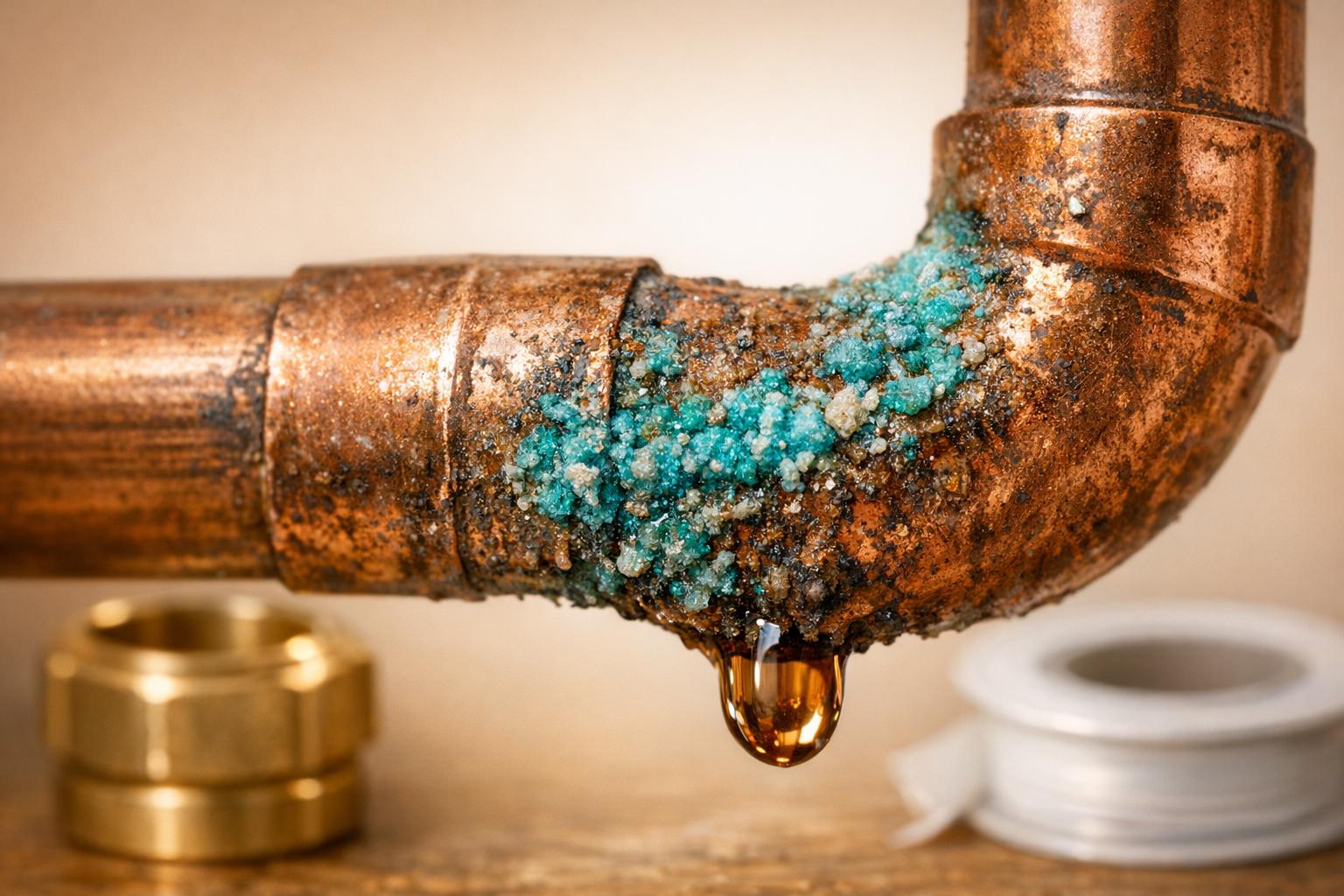
Damp spots or water damage keep coming back. If you notice wet areas on walls, ceilings, or floors that reappear after drying, you may have a leak inside walls or under slabs. These spots are often accompanied by musty odors or mold growth in places you wouldn’t expect. Fixing these issues usually requires tools and expertise beyond what most homeowners have.
Water pressure suddenly drops or fluctuates. A noticeable change in water pressure throughout your home can point to a major leak in your plumbing system or an issue with your main water line. These problems typically need professional attention to diagnose and fix.
You hear water running when everything is turned off. If you hear the sound of water flowing through walls, floors, or ceilings when no fixtures are in use, it’s a strong indicator of a hidden leak. These sounds are often more noticeable at night when the house is quiet.
How Advanced Diagnostic Tools Help
When standard checks don’t reveal the issue, professionals rely on advanced tools to find the source of the problem quickly and accurately.
Electronic leak detection systems are designed to locate underground leaks without the need to dig up your yard. These devices use acoustic technology to pick up the sound of water escaping from pipes, even if the leak is several feet below the surface.
Thermal imaging cameras can detect temperature changes caused by leaks behind walls or under floors. For instance, leaks in hot water lines show up as heat signatures, while cold water leaks appear as cooler spots on the camera display.
Video pipe inspection involves using small cameras attached to flexible cables to examine the inside of your pipes. This method helps plumbers identify blockages, cracks, or worn-out areas that may be causing leaks or affecting water flow. The real-time visuals provide a clear picture of what’s happening inside your pipes.
Pressure testing equipment isolates sections of your plumbing system to check for water loss. By testing under controlled conditions, plumbers can pinpoint which areas are compromised and require repairs.
These tools allow plumbers to diagnose problems with precision, often within hours. This means less disruption to your home and more targeted solutions to address the root cause of your high water bills.
Conclusion: Lower Bills Through Smart Water Management
Cutting down on water bills starts with staying on top of your usage. Even small leaks or minor pipe issues can waste thousands of gallons every month, causing your costs to skyrocket.
In Round Rock, tools like the City of Round Rock‘s Customer Portal make it easy to monitor your water usage. By visiting www.roundrocktexas.gov/paymybill, you can track your hourly, daily, and monthly consumption. You can even set up email or text alerts to catch unusual spikes in usage right away. These early warnings can save you from expensive repairs and wasted water.
Understanding the city’s tiered pricing system can also help you save. For instance, the first 10,000 gallons are billed at $2.57 per 1,000 gallons, but once your usage exceeds 34,000 gallons, the rate jumps to $7.96 per 1,000 gallons. This means cutting back on water usage in the higher tiers has a much greater impact on your bill.
Timing your water use can make a big difference, too. Round Rock bases wastewater charges on your average water use from November through February. By reducing your consumption during these cooler months – like turning off outdoor sprinklers and focusing on indoor efficiency – you can lower your wastewater bill for the entire year.
Take advantage of local programs to save even more. The City of Round Rock offers rebates through their Better Bathroom Rebate program for homes built before 1998. Additionally, you can pick up free leak detection supplies, such as dye tablets and plumber’s tape, from the Utility Billing office. If you suspect hidden leaks, consider hiring a professional. Their diagnostic tools can pinpoint issues that might otherwise go unnoticed, ensuring repairs pay off – especially given the tiered pricing structure.
Beyond quick fixes, smart water management is about building habits that prevent future problems. Regular checks, timely repairs, and making the most of local resources can keep your plumbing system efficient and your bills under control for years to come.
FAQs
How can I find hidden leaks at home that might be causing my high water bill?
If your water bill has been creeping up and you suspect a hidden leak, there are a few straightforward ways to check. Start by examining your water meter. Turn off all the water in your home, and after a few hours, see if the meter reading has changed – if it has, you probably have a leak. Next, inspect faucets, showerheads, and exposed pipes for any signs of dripping or moisture.
You can also test your toilet for leaks by adding a few drops of food coloring to the tank. If the color shows up in the bowl without flushing, there’s a leak to fix. Keep an eye out for water stains, mold, or a musty smell around your home, as these can point to hidden plumbing problems. Tackling leaks early not only keeps your water bill in check but also helps prevent costly damage down the line.
How can I lower my water usage during seasonal changes to keep my bill manageable?
Keeping your water bill under control as the seasons change doesn’t have to be complicated. Start by keeping an eye on your water usage – regular monitoring can help you catch any unexpected spikes early. Switching to water-efficient fixtures is another smart move, as they can cut down on unnecessary water waste. For outdoor watering, a smart irrigation system can help you use water more effectively, ensuring your lawn and garden get what they need without overdoing it.
You can also tweak your daily habits to save water. Simple actions like turning off the faucet while brushing your teeth or waiting until you have a full load before running the dishwasher or washing machine can make a noticeable difference. These small adjustments can add up to significant savings on your water bill.
When should I call a plumber about unusually high water bills?
If your water bill keeps climbing without a clear explanation – like seasonal shifts or a spike in usage – it might be time to call in a professional plumber. Problems such as hidden leaks, constantly running toilets, or outdated fixtures often need a trained eye to diagnose and fix.
Plumbers are skilled at uncovering issues you can’t see, like leaks in underground pipes or aging plumbing systems that no longer work efficiently. Tackling these problems quickly not only helps conserve water but can also cut down your expenses over time.