Summers in Round Rock can wreak havoc on your plumbing system. High temperatures, dry soil, and increased water usage create a perfect storm for issues like leaks, clogs, and damaged pipes. Here’s a quick rundown of the top problems homeowners face and how to tackle them:
- Pipe Expansion & Leaks: Heat causes pipes to expand, leading to cracks and water line leaks, especially in older systems.
- Water Pressure Drops: Increased summer water demand and mineral buildup from hard water can cause pressure issues, straining your system.
- Sewer Line & Tree Root Damage: Dry soil forces tree roots to invade sewer lines, causing blockages and costly repairs.
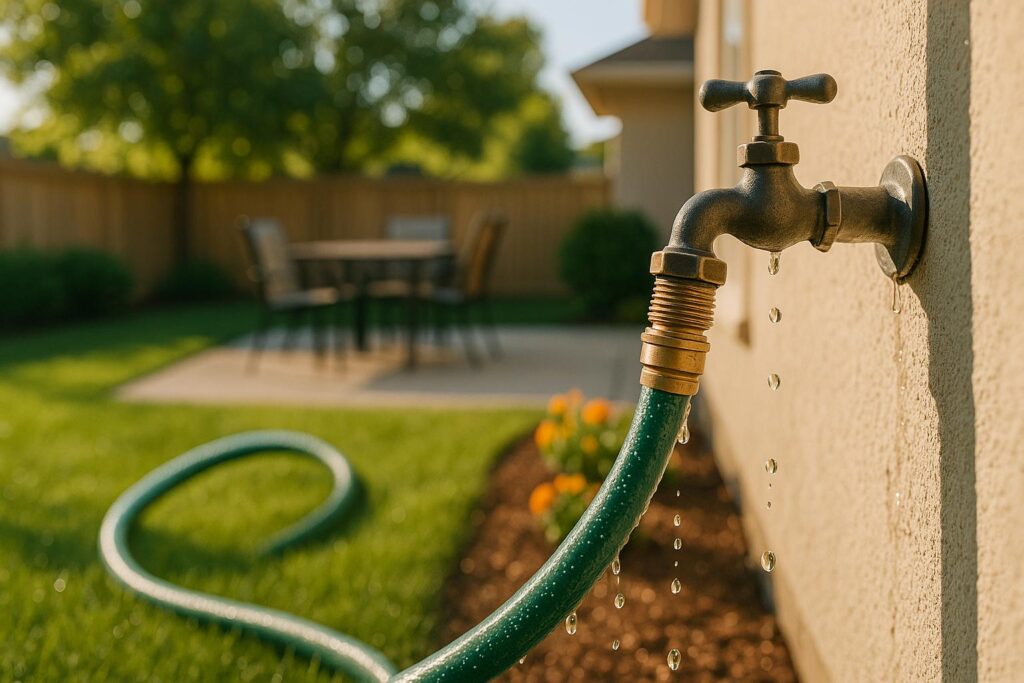
- Outdoor Plumbing Wear: Heat and UV exposure damage outdoor fixtures, sprinklers, and hose bibs, leading to leaks and inefficiencies.
- Water Heater Strain: Hard water and high usage cause sediment buildup, reducing efficiency and risking breakdowns.
Key Takeaway: Regular maintenance, like leak detection, water heater flushing, and sewer line inspections, can save you from expensive repairs. Don’t ignore warning signs like slow drains, low water pressure, or rising water bills – address them early to protect your home and wallet.
How Summer Can Mess Up Your Plumbing System
1. Pipe Expansion and Water Line Leaks
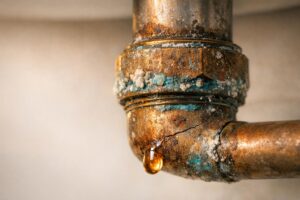
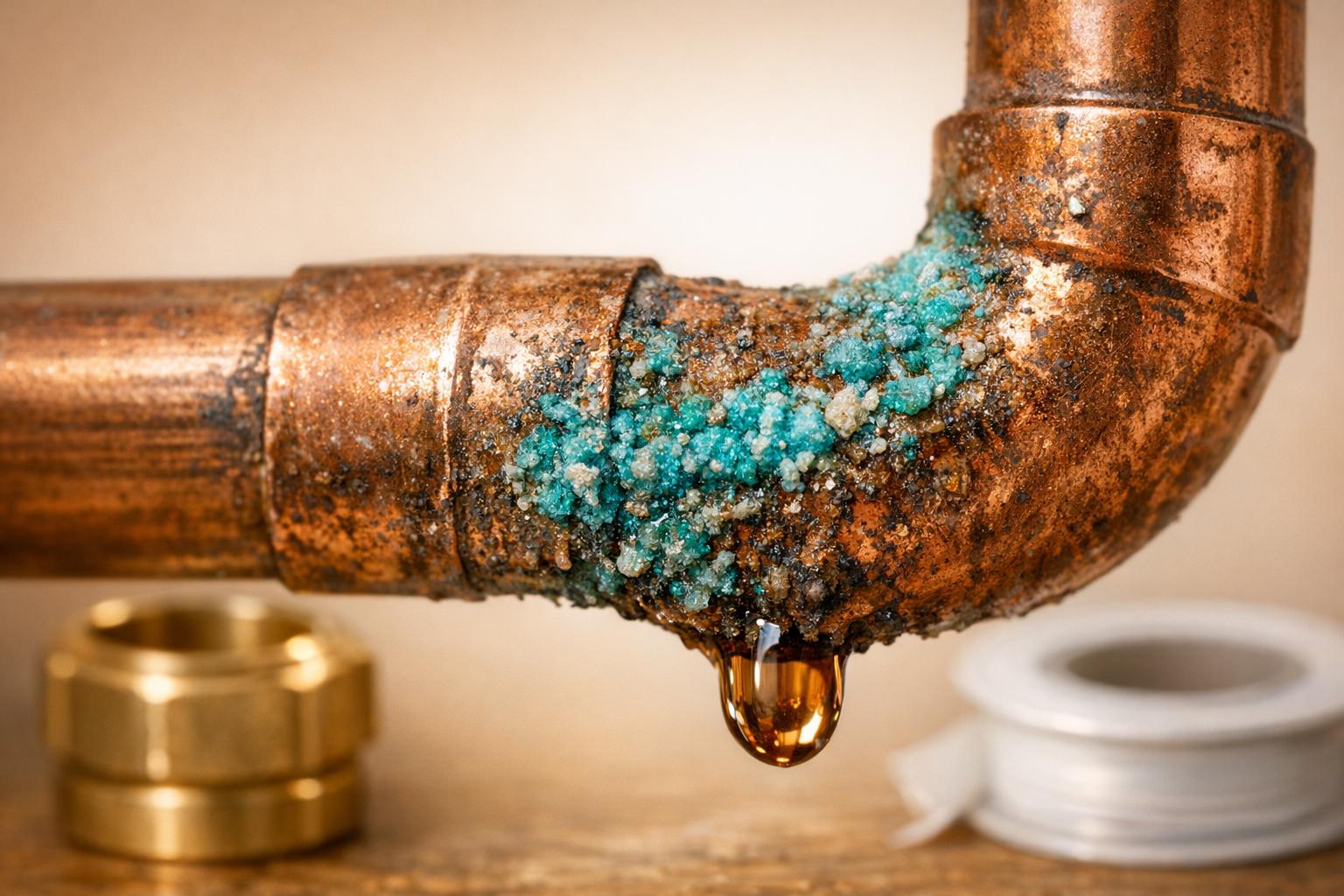
When the temperature in Round Rock soars above 90°F, your home’s plumbing system can face serious challenges due to heat expansion. Both metal and plastic pipes expand when exposed to high temperatures, putting extra pressure on joints and connections. This added stress can lead to cracks and leaks, impacting both indoor and outdoor plumbing.
Outdoor water lines and pipes in uninsulated areas, like attics, garages, and crawl spaces, are especially vulnerable during the intense Texas summer. Underground pipes face their own issues, as the dry, shifting soil adds strain to the system. Clay soil, in particular, contracts as it dries, increasing stress on the pipes.
Older plumbing systems are at an even higher risk. Over time, materials degrade, and joints or seals become weaker, making them less capable of handling the repeated expansion and contraction caused by temperature changes. For example, cast iron pipes, common in many older Round Rock homes, are prone to cracking from both ground movement and fluctuating temperatures.
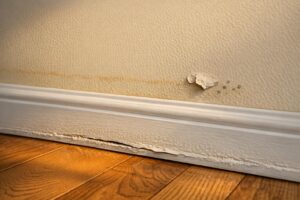
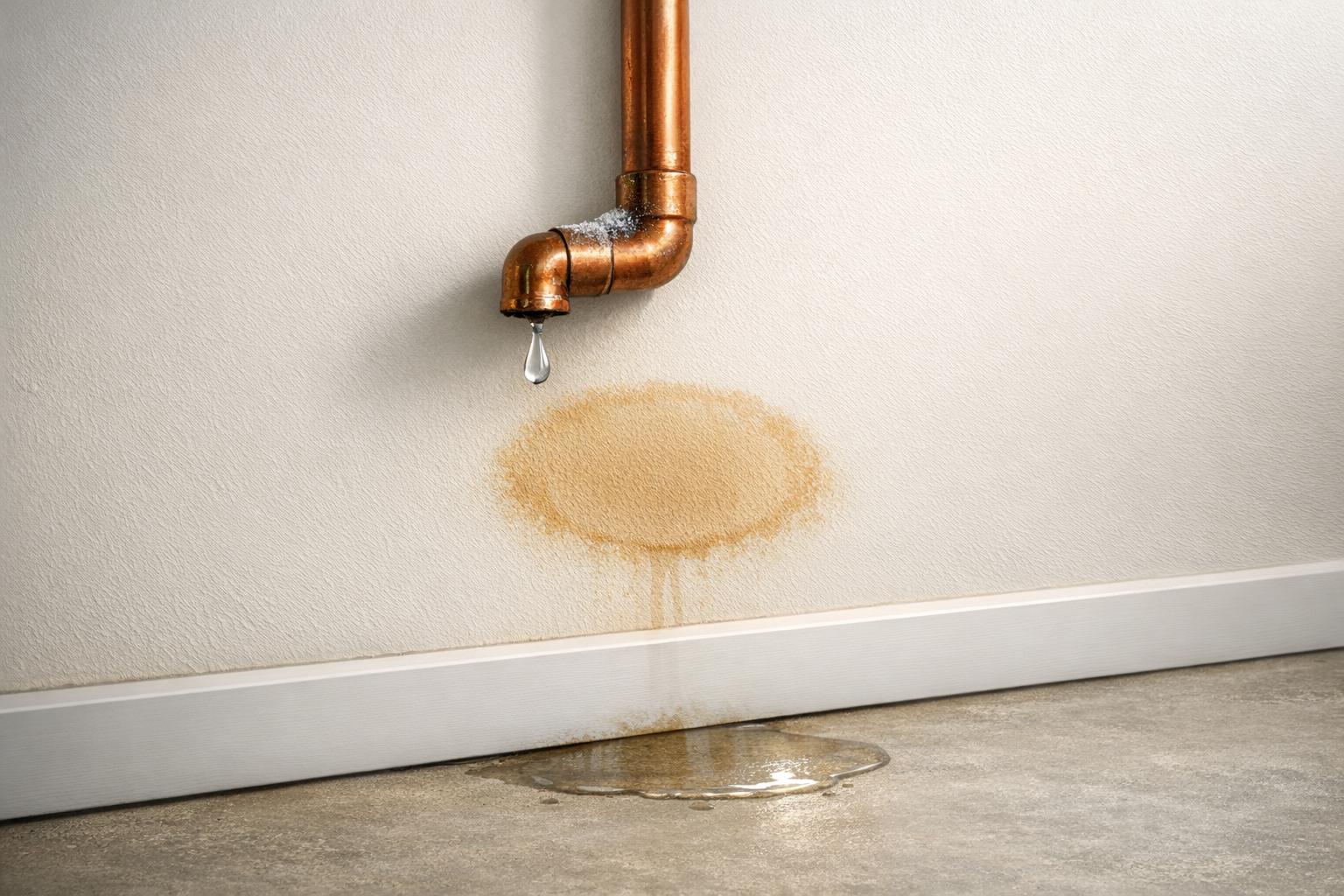
The warning signs of pipe issues often appear gradually. Be on the lookout for unexplained increases in your water bill, water stains on walls or ceilings, soft spots on floors, reduced water pressure, or persistent wet areas in your yard. Even a small leak can waste hundreds of gallons of water each month, driving up utility costs and potentially causing structural damage to your home.
Summer is the perfect time to prioritize professional leak detection. Tools like electronic leak detectors and drain cameras can locate hidden leaks without the need for invasive digging or wall removal, saving time and effort.
To safeguard your pipes, consider insulating outdoor lines and maintaining steady water temperatures. Regularly watering your lawn can also help reduce soil contraction around underground pipes. Most importantly, address small leaks as soon as you spot them – what starts as a minor issue can quickly escalate into an expensive emergency repair.
Scheduling routine plumbing inspections before summer hits can help you stay ahead of these heat-related problems. A proactive approach allows professionals to catch early signs of stress, leaks, or weakened joints, keeping repairs manageable and preventing costly damage down the road.
2. Water Pressure Changes
During the hot summer months in Round Rock, water usage can spike by 30–50% due to increased demand from sprinkler systems, swimming pools, frequent showers, and cooling systems. This surge often leads to noticeable drops in water pressure, especially during peak times when multiple households are using water simultaneously.
Adding to the challenge, over 85% of homes in Central Texas deal with hard water. Hard water contributes to mineral buildup in pipes, with calcium and magnesium deposits gradually restricting water flow. When combined with high water usage, this buildup can intensify pressure issues.
Some common signs of problematic water pressure include sudden drops or surges when faucets are turned on, inconsistent shower flow, toilets that refill more slowly than usual, and appliances like dishwashers or washing machines taking longer to complete their cycles. Using several water fixtures at once can make these issues even worse.
Fluctuating water pressure doesn’t just cause inconvenience – it can also strain pipes and fittings, leading to leaks, burst pipes, or joint failures. Homes in Round Rock with slab foundations face additional risks, such as slab leaks. These leaks often show up as unexplained drops in water pressure paired with higher water bills. The intense summer heat can also cause ground movement, further stressing underground pipes and compounding the problem.
To keep your plumbing system in good shape, it’s a good idea to monitor your water pressure regularly using a pressure gauge. The ideal range is 40–60 psi. Avoid running multiple high-demand fixtures at the same time, especially during peak hours, and keep an eye on your water bill for any unexpected spikes that might signal a hidden issue.
For extra protection, consider installing a pressure-reducing valve to help regulate high water pressure and safeguard your pipes. Adding a water softener can also help minimize mineral buildup, which is particularly important during periods of heavy water use. Addressing persistent issues quickly can prevent expensive damage, such as pipe bursts or hidden leaks.
If you suspect pressure-related problems, professional diagnostic tools like electronic leak detection and drain camera inspections can pinpoint issues early. These measures can help you maintain steady water flow and avoid major damage during the high-demand summer months. Up next, we’ll look at how these water pressure challenges can lead to sewer line problems and tree root damage.
3. Sewer Line Problems and Tree Root Damage
Round Rock’s hot, dry summers create the perfect conditions for tree roots to invade sewer lines. As the soil dries out, tree roots aggressively search for water sources underground. Sewer lines, which often carry moisture and nutrients, become an easy target. Trees common to Central Texas, like oak, elm, and willow, are particularly notorious for their strong, invasive root systems.
Older homes are especially at risk. Aging pipes made of cast iron or clay are prone to cracks and deterioration, making it easier for roots to infiltrate. Once roots find small openings in the pipes, they grow quickly, causing blockages and, in severe cases, complete pipe collapses. In some areas, tree root intrusions are responsible for up to 50% of sewer line blockages, with older neighborhoods being hit the hardest.
Signs of root intrusion aren’t hard to spot if you know what to look for. Slow-draining sinks or tubs, frequent toilet backups, gurgling sounds coming from drains, and unpleasant odors are all red flags. Another clue? Patches of grass above your sewer line that seem unusually green or lush – this could mean roots are tapping into the moisture and nutrients in your pipes. If multiple drains are backing up at once, it’s a strong indicator that your main sewer line is compromised.
Fixing these issues can be costly. Removing roots and cleaning out the line typically costs between $350 and $1,000 for a residential job. If the damage is more extensive, repairs can run anywhere from $1,000 to $4,000. In the worst-case scenario, replacing an entire sewer line could set you back anywhere from $3,000 to $25,000.
The good news? Preventive measures can help you avoid these hefty expenses. Regular sewer line inspections are essential, especially for older homes or properties with large trees nearby. In Central Texas, a camera inspection usually costs between $250 and $500 – a small price compared to emergency plumbing repairs. Watering your lawn regularly can also discourage roots from invading your pipes, and planting trees with less aggressive roots well away from sewer lines is another smart move.
If roots do infiltrate, plumbers can use drain cameras and electronic leak detectors to pinpoint the problem quickly. Depending on the severity, they might remove the roots using mechanical cutting, hydro-jetting, or chemical treatments. For homes with recurring issues, upgrading to modern, root-resistant materials like PVC can provide a more permanent fix.
With droughts and extreme heat becoming more frequent in Round Rock, the risk of root-related sewer problems is only growing. That’s why annual or biennial sewer line inspections are more important than ever. Catching small issues early through regular maintenance can save homeowners from facing major plumbing disasters down the line.
sbb-itb-5fe396b
4. Outdoor Plumbing Damage
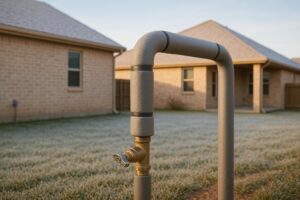
Summers in Round Rock can be tough on outdoor plumbing. Fixtures like faucets, hose bibs, and sprinkler systems take a beating from the intense heat. Metal parts expand under the sun, creating stress on joints and washers, which makes them more likely to crack. Add to that the increased use of these fixtures for watering plants, filling pools, and other outdoor activities, and the wear and tear only gets worse.
Plastic components don’t fare much better. UV rays weaken them over time, while heat-driven ground shifts put extra pressure on both buried and exposed pipes. This combination often leads to cracks, especially in hose connections and sprinkler system parts that sit in direct sunlight for long periods.
Sprinkler systems get hit particularly hard. Dry spells mean they’re running more often, which increases strain on underground lines and above-ground components. The result? Cracks, leaks, worn seals, warped parts, and even mineral buildup. These issues don’t just mess with your system’s efficiency – they can lead to uneven watering, higher water bills, and expensive repairs.
A leaky outdoor faucet might not seem like a big deal, but it can waste up to 20 gallons of water a day. Over an entire summer, that’s hundreds of gallons – and a hefty increase in your water bill. Worse, if water starts pooling around your home, it could lead to foundation damage or even mold growth.
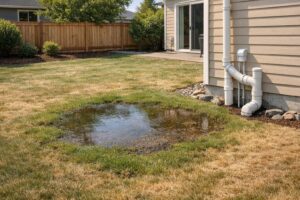
To catch problems early, keep an eye out for drips from faucet connections, soggy patches in your yard, or unexplained spikes in your water bill. A hose bib that keeps dripping after being turned off or won’t shut off completely is often a sign of failed seals or internal damage. And if you notice water pooling near your foundation, don’t ignore it – that’s a serious warning sign.
The best way to avoid costly repairs is regular maintenance. Check outdoor faucets for leaks, inspect your yard for unusually wet areas, and watch your water bill for unexpected increases. Replacing worn seals and washers before summer hits can save you a lot of trouble later. Covering exposed pipes with breathable insulation can also help protect them from the intense heat. For sprinkler systems, stick to a proper watering schedule and make sure drainage is adequate to reduce stress on the system.
Sometimes, though, even the best preventive measures aren’t enough. When issues arise, acting quickly is key.
"Do you suspect a leak in your plumbing system? Get it checked ASAP." – Round Rock Plumbing
Routine inspections, combined with professional leak detection, can stop small issues from turning into big problems. Investing in a professional inspection is a smart move for homeowners in Round Rock.
5. Water Heater Problems and Sediment Buildup
Summers in Round Rock aren’t just about rising temperatures – they also mean your water heater is working harder than ever. Think about it: more showers after outdoor activities, extra laundry loads, and an overall spike in water usage. All this puts added pressure on your water heater, especially when you factor in the region’s hard water. That’s why regular maintenance is more than just a good idea – it’s a necessity.
Hard water is a major troublemaker for water heaters in Central Texas. Its high levels of calcium and magnesium lead to sediment buildup at the bottom of your water heater tank. Over time, this sediment forms a layer that forces the heating element to work harder, using more energy to heat the same amount of water. This not only reduces efficiency – by as much as 30% – but also shortens the lifespan of the unit. Regular maintenance can help you avoid these costly headaches.
There are clear warning signs that your water heater might be struggling with sediment buildup. Rumbling or popping sounds coming from the tank often mean sediment is shifting as the water heats. You might also notice inconsistent water temperatures, higher energy bills, or white deposits around faucets. If your tap water looks cloudy, it’s another clue that minerals are building up throughout your plumbing system, including inside the water heater. When summer’s high demand hits an already strained system, a total breakdown becomes much more likely.
Here’s an example: One Round Rock family found themselves without hot water during a July heatwave. A technician discovered their tank was overloaded with sediment, causing the heating element to overheat and fail. After flushing the tank and replacing the damaged part, the water heater was back in action. But the entire ordeal – and the repair bill – could have been avoided with regular maintenance.
Prevention is always cheaper than repairs. The best way to keep your water heater running smoothly is with an annual tank flush to remove sediment. In areas with extremely hard water, you might need this service more often. Setting your water heater thermostat to 120°F can also help reduce energy use and prevent overheating during peak summer months. Pairing regular flushing with a water softener can protect your water heater and keep it running efficiently, even during the busiest times of the year.
In Round Rock, flushing services typically cost between $100 and $250, depending on your water heater’s size and type. Compare that to replacement costs, which can range from $800 to $2,500 for standard units, and it’s clear why maintenance is a smart investment. According to the U.S. Department of Energy, regular care can extend your water heater’s lifespan by 3 to 5 years, saving you money in the long run.
Many homeowners in the area are now scheduling post-summer maintenance to tackle sediment buildup after months of heavy use. This proactive step helps prevent emergencies and ensures your water heater is ready for the next high-demand season.
Don’t wait until it’s too late. Professional technicians can flush your tank, spot potential issues, and recommend water softening solutions tailored to Round Rock’s hard water conditions. With advanced tools, they can also detect efficiency problems early, saving you from costly breakdowns down the line.
Professional Maintenance and Repair Services
Keeping up with regular maintenance is one of the best ways to avoid turning small plumbing issues into expensive disasters. When the temperature rises and water usage spikes, pipes expand, joints loosen, and pressure builds across your system. Professional maintenance can spot these weak points early, preventing failures that could cost you hundreds – or even thousands – of dollars, especially during the peak summer months when problems tend to pile up.
Modern tools like drain cameras and electronic leak detectors make maintenance much more efficient. These advanced diagnostics help identify blockages, cracks, or hidden leaks in sewer lines and underground pipes without the need for invasive digging. By using these tools, plumbers can pinpoint problems with precision, offer targeted fixes, and save you money while protecting your home’s foundation and landscaping from water damage. Plus, these proactive inspections mean quicker responses when emergencies do arise.
Speaking of emergencies, 24/7 services are a lifesaver during summer when plumbing disasters can strike at any time. Burst pipes, sewer backups, or water heater breakdowns are notorious for happening during the most inconvenient moments – nights, weekends, or holidays. For Round Rock residents, this could mean dealing with sewer drains collapsing due to dry soil or pipes bursting from expansion stress. Quick emergency responses prevent small leaks from snowballing into major water damage and get essential systems back up and running fast.
Professional plumbing services are tailored to meet the specific needs of both homes and businesses. For residential properties, services focus on everyday needs like water heater maintenance, drain cleaning customized for household usage, leak detection in living areas, and outdoor faucet repairs for lawn irrigation or pool systems. On the other hand, commercial properties often require expertise in handling high water volumes, maintaining multiple water heaters or complex systems, and managing larger sewer lines. This customized approach ensures every property can handle the unique challenges of a hot Texas summer.
Seasonal maintenance programs are another great way to stay ahead of summer plumbing problems. These programs typically include pre-summer inspections, ongoing monitoring during the hottest months, and post-summer checkups to address any wear and tear. Services like water heater flushes, drain cleanings, faucet inspections, sewer line checks, and pressure testing are often part of these plans. Many programs even include guaranteed emergency response times for added peace of mind.
Once summer winds down, it’s the perfect time to tackle any lingering issues. With water usage dropping, post-summer repairs can be done more thoroughly, catching problems before they escalate. This approach not only extends the life of your plumbing system but also cuts down on costly emergency repairs while ensuring your home’s plumbing is in top shape for the next season.
To keep up with summer’s increased water demands, professional plumbers can evaluate your system’s capacity, identify pressure issues, and recommend upgrades. Solutions like installing expansion tanks, adjusting pressure regulators, or adding higher-capacity systems can help prevent low water pressure and leaks caused by stress on the system. For homes with pools or large irrigation setups, separate water lines or system upgrades may be suggested to handle the extra load.
"Hard water can cause limescale buildup in pipes and water heaters, reducing efficiency and causing clogs. Our team offers expert solutions, including water softener installations, to minimize mineral deposits and keep your plumbing system running smoothly."
Investing in professional maintenance is a smart move that pays off in the long run. By catching issues early, you can avoid expensive water damage, conserve water, and protect your home’s structural integrity. For Round Rock residents dealing with summer heat, hard water, and aging plumbing systems, professional maintenance is a must to safeguard your property and keep everything running smoothly.
Conclusion
Summer in Round Rock brings more than just heat – it puts your plumbing system under extra pressure, with water usage often spiking by up to 50% during these months. This increased demand can quickly reveal weak spots, leading to issues like burst pipes or sewer collapses that demand costly emergency repairs if not addressed promptly.
One of the most expensive headaches for homeowners during the hot Texas summers is slab leaks. These can cause significant damage and are among the most disruptive plumbing problems. Waiting to address summer plumbing issues often leads to higher repair bills, as emergency calls during peak season are far pricier than routine maintenance visits. Tackling problems early is not just easier on your wallet; it’s a smarter way to protect your home.
By taking preventative action, you can enjoy consistent water pressure for summer activities, avoid surprise water bills from hidden leaks, and keep your water heater running efficiently during periods of high demand. Most importantly, these measures provide peace of mind, knowing your plumbing system is ready to handle the season’s challenges without unexpected emergencies.
Our team stands ready to help, as highlighted by their commitment:
"Team addresses urgent plumbing issues promptly to mitigate damage and restore systems. Whether it’s a burst pipe, clogged drain, or water heater failure, our team is ready to respond quickly and provide reliable solutions to minimize damage and restore functionality."
Investing in regular plumbing maintenance is a practical decision for Round Rock homeowners, enhancing your home’s value while safeguarding your family’s comfort. The cost of a professional inspection is minimal compared to the expenses of major repairs. With advanced tools like drain camera inspections and electronic leak detection, hidden issues can be identified before they escalate. Plus, 24/7 emergency services ensure help is always available when you need it most.
Don’t ignore warning signs like slow drains, low water pressure, or unusual noises. Schedule your summer plumbing inspection with Round Rock Plumbing today and protect your home from the unique challenges brought by the Texas heat.
FAQs
How can I stop tree roots from damaging my sewer lines during the summer in Round Rock?
Tree roots tend to search for water sources during those scorching Texas summers, and unfortunately, sewer lines often become a prime target. To protect your pipes from potential damage, here are a few steps you can take:
- Get regular sewer line inspections: A professional inspection can catch early signs of root intrusion before it turns into a costly problem.
- Use root barriers: These barriers act as a shield, keeping roots from reaching your sewer lines.
- Choose tree locations wisely: Plant trees at a safe distance from sewer lines to minimize the chance of roots causing trouble.
If you think tree roots might already be an issue, don’t wait. Reach out to a plumbing expert to evaluate the situation and take care of it before it escalates.
How can I tell if my water heater has sediment buildup, and how often should I maintain it?
Sediment buildup in your water heater can lead to several problems, including decreased efficiency, odd noises like popping or rumbling, fluctuating water temperatures, or even discolored, cloudy, or rusty water. These are clear signs that your water heater might need some care.
To keep sediment under control, it’s recommended to flush your water heater annually. This simple maintenance step not only helps your unit run more efficiently but also extends its lifespan. If you’re unsure how to do this or prefer expert help, professional plumbers in Round Rock, Texas, are available to handle maintenance and repairs specifically suited to your needs.
Why does my water pressure drop in the summer, and how can I fix it?
During the scorching Texas summers, it’s not unusual for water pressure to dip. This can happen for several reasons – higher water demand in your neighborhood, heat causing pipes to expand, or even leaks in your plumbing system. These challenges are especially common in places like Round Rock, where the heat can be relentless.
To keep your water pressure steady, start by checking for any visible leaks or damaged pipes and addressing them quickly. Installing a pressure regulator can help manage sudden changes, and scheduling a professional inspection is a smart way to uncover any hidden issues. Staying on top of regular maintenance ensures your plumbing system stays in good shape throughout the summer heat.