When your plumbing system starts showing signs of wear, ignoring the problem can lead to costly repairs and health risks. Here are nine key warning signs that indicate it might be time to replace your pipes:
- Discolored Water: Rusty or brown water signals corrosion inside your pipes.
- Low Water Pressure: Consistent pressure drops may mean blockages or internal pipe damage.
- Frequent Clogs: Persistent drainage issues suggest debris buildup or pipe deterioration.
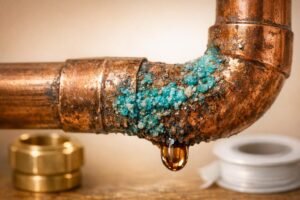
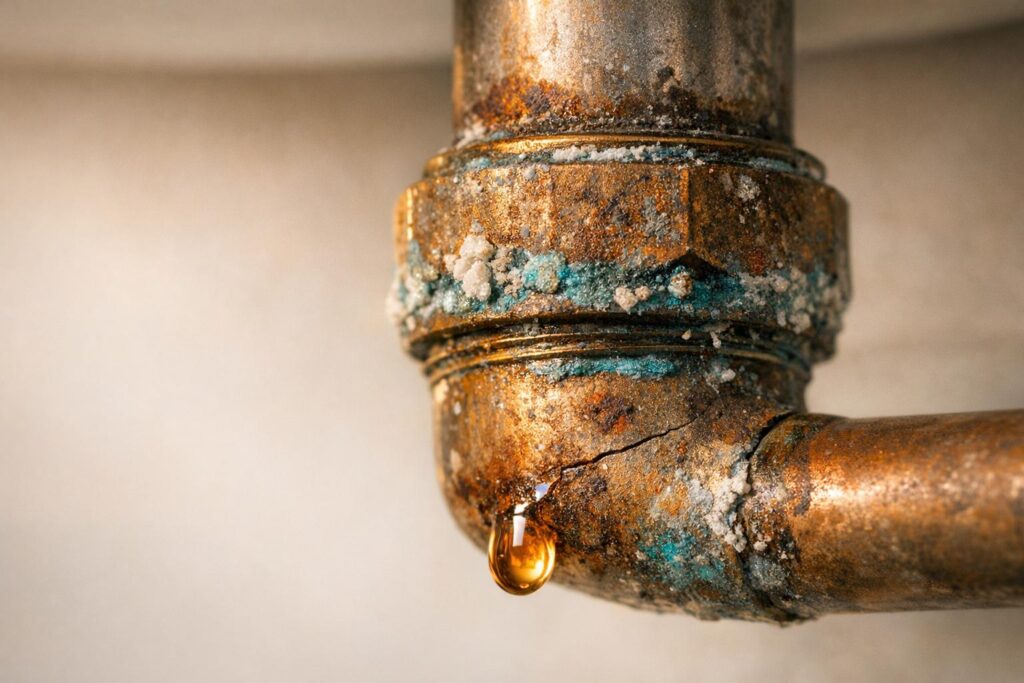
- Visible Corrosion: Rust, green stains, or swelling on pipes indicate advanced damage.
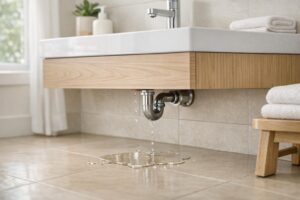
- Leaks or Water Stains: Recurring leaks or visible water damage often point to failing pipes.
- Unusual Noises: Banging or whistling sounds can be a sign of stress or blockages.
- Outdated Materials: Older pipes like galvanized steel, lead, or polybutylene are prone to failure.
- Multiple Leaks Over Time: Frequent leaks highlight systemic issues rather than isolated problems.
- Higher Water Bills: Unexplained increases in water usage could mean hidden leaks.
If your home is older or located in an area with hard water, these issues are even more likely. Acting early can save you from expensive repairs, water damage, and potential health hazards. For homes with aging plumbing systems, a full repipe might be the most cost-effective, long-term solution.

9 Warning Signs You Need New Pipes Infographic
1. Discolored or Rusty Water
Visual and Physical Signs of Pipe Damage
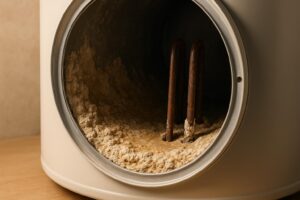
If you notice brown, yellow, or reddish water flowing from your faucet, it’s a strong indicator of pipe corrosion. Over time, aging pipes – especially galvanized steel – can lose their protective zinc coating, exposing the steel underneath to oxygen. This exposure leads to rust, which flakes off and mixes with your water supply.
"If your water looks like weak tea or rusty soup, that’s a problem. Corroded pipes, especially galvanized steel, are likely to blame." – Apollo Plumbing
Take a look at any visible pipes in your home, such as those in the basement or under sinks. Watch for signs like rust flakes, crusty mineral buildup around fixtures, small lumps on the pipe surface (known as tuberculation), or greenish stains at joints. These signs not only point to pipe damage but also impact water flow and quality.
Impact on Water Flow and Quality
Discolored water isn’t just unpleasant to look at – it signals deeper problems. Rust and sediment buildup inside pipes can restrict water flow, causing noticeable drops in water pressure throughout your home. You might also detect a metallic taste or rusty odor, both of which indicate pipe deterioration.
Try running cold water for a few minutes. If the discoloration clears up, the issue might be limited to a specific section of your plumbing. However, if the water remains discolored at multiple faucets, the problem could stem from your main supply lines or water heater. Either way, these signs suggest your pipes are nearing the end of their lifespan.
Age and Material of the Plumbing System
The age and material of your plumbing system play a big role in these issues. Galvanized steel pipes, common in older homes, typically last between 20 and 70 years before corrosion becomes a problem. Cast iron pipes have a lifespan of 60 to 75 years, while copper pipes can last 50 to 70 years – though acidic water may cause copper pipes to develop pinhole leaks over time.
Homes built before the 1980s are particularly at risk if they still have their original plumbing. In areas with hard water, like Round Rock, mineral deposits can speed up corrosion, further degrading water quality and pipe performance.
sbb-itb-5fe396b
2. Low Water Pressure
Impact on Water Flow and Quality
If the water trickling out of your showerhead or faucet feels more like a drizzle than a steady stream, the problem often goes beyond a clogged aerator. It may point to blockages or corrosion inside your pipes. Over time, corroded pipes struggle to maintain consistent water flow, leading to frustrating issues like fluctuating shower temperatures whenever someone flushes a toilet or uses another faucet nearby.
Visual or Physical Signs of Pipe Damage
Take a closer look at any exposed pipes in your basement or under your sinks. Rust flakes, greenish stains around joints, or swollen connections are red flags for internal corrosion. These signs suggest your pipes are narrowing from the inside out.
"When corrosion builds up on the interior of the pipe, water output is greatly reduced to sinks, showers and more." – SageWater
Unusual sounds, like a whistling noise, could mean water is squeezing through a small leak or a restricted section of pipe. If your water bill suddenly spikes while pressure drops, it might signal a hidden leak that’s wasting water before it can reach your fixtures. When paired with aging pipes, these symptoms often point to the need for a full system upgrade.
Age and Material of the Plumbing System
The lifespan of your plumbing system plays a major role in water pressure issues. Galvanized steel pipes, commonly found in homes built over 40 years ago, usually last 20 to 50 years before rust buildup significantly reduces water flow. Copper pipes tend to last longer – 50 to 70 years – but they’re not immune to problems. Acidic water can cause pinhole leaks in copper, leading to sudden drops in pressure.
If your home was built before the 1980s and still has its original plumbing, persistent low water pressure throughout the house is a sign that the system is nearing the end of its life. Upgrading to modern materials like PEX or copper, which resist corrosion and provide smooth interiors, can restore proper flow. However, if the problem is widespread, a complete repipe may be the only long-term solution to decades of buildup.
3. Frequent Clogs and Slow Drains
How Often Do Plumbing Issues Occur?
After noticing problems like discolored water or low pressure, frequent clogs are another red flag for internal pipe issues. If you find yourself grabbing the plunger multiple times a year for the same drain, it’s likely more than just a surface-level blockage. Persistent clogs often point to debris buildup inside the pipes, hinting at potential pipe deterioration beneath the surface.
Signs of Pipe Damage You Can See or Smell
Corrosion inside pipes creates rough surfaces that trap debris, leading to clogs and slow drainage. This buildup doesn’t just affect water flow – it can also cause unpleasant odors, signaling that waste is stagnating in damaged pipes.
How Blocked Pipes Affect Water Flow and Quality
Hard water speeds up limescale deposits in pipes, gradually narrowing the interior and restricting water flow. In metal pipes, rust adds another layer of blockage. If you’re dealing with slow drains and rusty or discolored water at the same time, it’s a strong sign that internal corrosion is significant.
The Role of Pipe Age and Material
The likelihood of clogs depends heavily on the age and material of your plumbing. Galvanized steel pipes, common in homes built 40 to 60 years ago, are particularly prone to rust and mineral buildup that restricts water flow. Copper pipes, on the other hand, can last 50 to 80 years, but their lifespan depends on factors like water chemistry. When these recurring issues combine with aging materials, discolored water, and pressure drops, it’s a clear sign that professional pipe replacement may soon be necessary.
4. Visible Corrosion on Pipes
Visual or Physical Signs of Pipe Damage
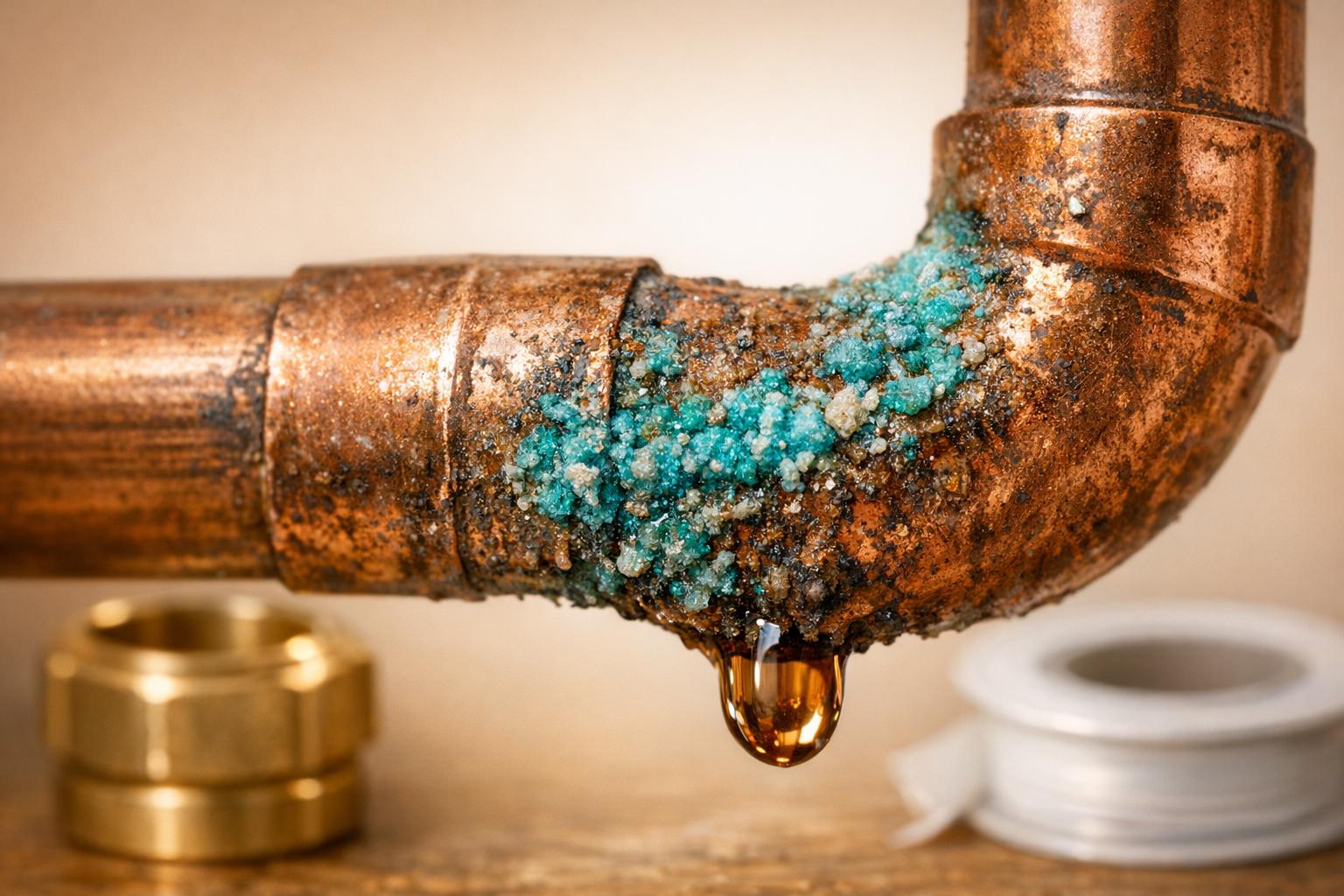
When you notice visible corrosion on your pipes, it’s a red flag that repairs may be overdue. Corrosion often shows up as reddish-brown rust on galvanized steel or iron pipes, while copper pipes tend to develop a bluish-green discoloration around joints and fittings.
Other signs include dimpling, peeling metal, or a powdery residue on the pipe’s surface. Pay close attention to pipe joints, as greenish stains, mineral deposits, or persistent moisture can indicate trouble. Advanced corrosion may cause pipes to bulge, crack, or form swollen joints, which are clear indicators of serious damage.
"If pipes are corroding on the outside, assume they’re doing the same on the inside." – Hoover Electric, Plumbing, Heating & Cooling
Impact on Water Flow or Quality
External corrosion isn’t just a cosmetic issue – it hints at internal damage. As corrosion progresses, rust and mineral buildup inside the pipes can narrow the diameter, reducing water flow. This rough, uneven surface inside the pipes also creates a breeding ground for bacteria, which can make your water smell unpleasant, like must or rotten eggs. Additionally, flakes of rust and metal particles can enter the water supply, causing discoloration (brown, yellow, or orange) and a metallic taste.
Age and Material of the Plumbing System
The lifespan of your plumbing system plays a major role in assessing the severity of visible corrosion. For example, galvanized steel pipes generally last 20 to 50 years, while copper pipes can last 50 to 70 years. If your pipes are nearing or have already surpassed these lifespans and show signs of corrosion, it’s likely the damage is widespread.
| Material | Typical Lifespan | Common Signs of Failure |
|---|---|---|
| Galvanized Steel | 20–50 years | Rust buildup, brown water, reduced flow |
| Copper | 50–70 years | Green stains, pitting, pinhole leaks |
| Cast Iron | 60–100 years | Tuberculation (internal lumps), slow drains |
| Polybutylene | Unreliable | Brittle sections, sudden breaks at fittings |
If you’re spotting corrosion on several pipes, especially in an older home, it’s often a sign of systemic wear rather than isolated issues. Make it a habit to inspect exposed pipes in areas like basements, crawlspaces, or under sinks for these warning signs.
These visible indicators, paired with water quality or flow issues, suggest that your plumbing system may need immediate attention to prevent further damage.
5. Leaks or Water Stains
Visual or Physical Signs of Pipe Damage
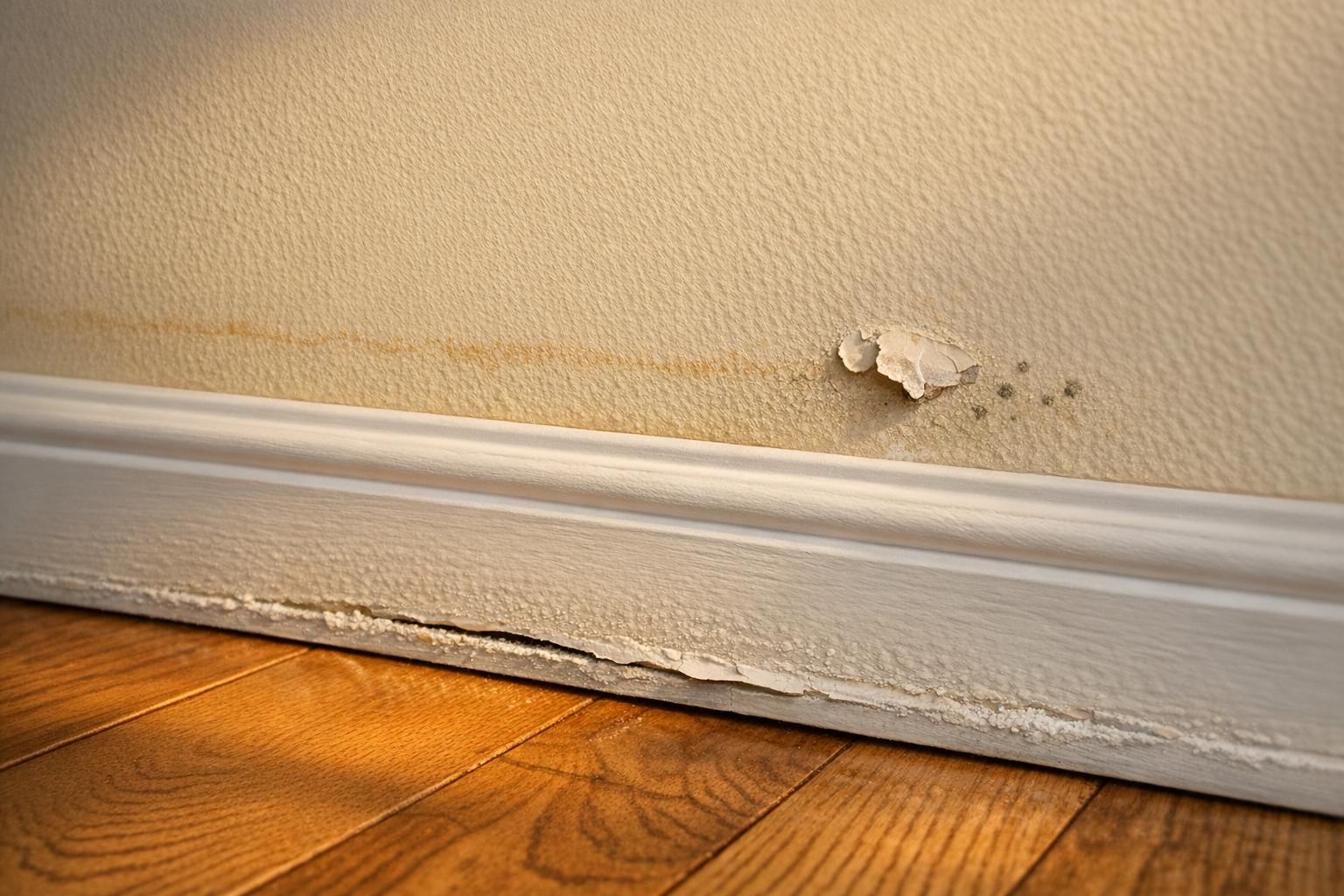
Take a close look at ceilings, walls, and areas near fixtures for telltale water rings or stains. These marks often show up as brown, yellow, or reddish-brown patches and might be accompanied by peeling paint or wallpaper. They’re a strong indicator of slow leaks.
Don’t forget to check under sinks and around fixtures for puddles, damp spots, or mineral buildup. If you spot crystalline deposits on copper or brass pipes, it could point to pinhole leaks caused by water chemistry issues or corrosion. Other signs of water leaks include warped floors, soft drywall, or even mold growth. Walking barefoot might reveal warm spots on the floor, which could suggest a hot water line leaking under a concrete slab foundation. These physical clues often go hand-in-hand with other signs of pipe trouble discussed in this guide.
Impact on Water Flow or Quality
Leaks don’t just waste water – they can also bring rust and sediment into your supply, affecting both quality and pressure. Corroding pipes can release rust particles and sediment, which might discolor your water and give it a metallic taste.
Additionally, leaks can lead to a noticeable drop in water pressure, as water escapes before it reaches your faucets or showerheads. Deteriorating pipes can also harbor biofilm – bacterial growth that can impact the taste and safety of your water.
Frequency and Severity of Plumbing Issues
Recurring leaks are a red flag. If you’re dealing with frequent plumbing calls for leak repairs, it could mean your system is failing as a whole, especially in older setups. Even a single leak may signal it’s time to consider repiping.
"A leak may be a sign that a major plumbing issue is brewing… Even one leak in an older pipe could be a reason to talk to a plumber about repiping."
– Michael Greene, Bobby L. Greene Plumbing, Heating And Cooling
Hidden leaks are especially tricky. A sudden spike in your water bill without any increase in usage might mean water is escaping behind walls or under your foundation. For example, a small toilet leak can waste up to 3 gallons per minute, adding up to over 30,000 gallons in just three weeks. To check for hidden leaks, turn off all fixtures and watch your water meter. If it’s still moving, you’ve likely got a problem. Spotting these signs early can save you from bigger headaches later, a topic we’ll dive into in the next section.
Signs Your Pipes Need Replacing | Don’t Ignore These Warning Signs
6. Unusual Noises from Pipes
Strange noises coming from your pipes can be an early warning sign of trouble, much like discoloration or leaks. These sounds might not seem alarming at first, but they could signal issues that threaten both your water quality and the structural integrity of your home.
Visual or Physical Signs of Pipe Damage
When pipes make unusual noises, it’s often a sign of physical stress. For example, a "water hammer" – a banging or clanging noise caused by sudden stops in water flow – can weaken pipes over time, eventually leading to cracks and leaks.
"Those sounds aren’t ghosts. That’s what happens when old pipes shake or have ‘water hammer.’"
– Apollo Plumbing
Noisy pipes might also indicate problems like corrosion, loose mounting straps, or trapped air. While an occasional noisy fixture might not raise concern, repeated or widespread noises throughout your home could point to a more serious, systemic issue.
Impact on Water Flow or Quality
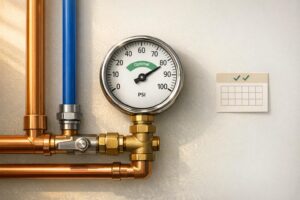
Different types of noises often hint at specific pipe problems. For instance, whistling or shrieking sounds can mean mineral deposits have built up, narrowing the pipes and restricting water flow. This can lead to reduced water pressure – anything below 40 psi on a pressure gauge is a red flag.
Gurgling sounds, on the other hand, suggest air blockages caused by drainage issues. In more severe cases, corrosion might release rust particles into the water, impacting its quality. Persistent noises across your plumbing system are rarely isolated and often signal a larger problem.
Frequency and Severity of Plumbing Issues
A single instance of a noisy pipe – like a bang after turning off the shower – might not be a big deal. However, frequent noises, especially when high-demand appliances like washing machines are in use, suggest your plumbing system is under strain. Ignoring these signs can lead to serious consequences, such as burst pipes or extensive water damage.
Homes with older plumbing systems are particularly at risk. Aging pipes tend to thin and weaken over time, making them more prone to failure. If you hear consistent unusual noises, it’s crucial to call in a professional to inspect your plumbing system and address potential issues before they escalate.
7. Outdated Pipe Materials
Age and Material of the Plumbing System
The materials used in your residential plumbing system can be a red flag for potential problems, especially if your house was built before the 1970s and still has its original pipes. Older plumbing systems often feature materials like galvanized steel, copper, or cast iron, which can deteriorate over time. These materials are prone to issues like internal corrosion and scaling. Even worse, if your home has lead or polybutylene pipes, you’re dealing with materials known for serious safety and reliability concerns.
Lead pipes, commonly used in homes built before the 1980s, are a major health hazard because lead can leach into your drinking water. Similarly, polybutylene (PB) pipes – popular between 1978 and 1995 – are highly unreliable. This gray plastic material reacts poorly with water disinfectants, often leading to sudden and catastrophic failures. If you experience a burst, contact an emergency plumber immediately.
"Lead pipes pose serious health risks, while galvanized steel pipes are prone to corrosion and clogs. If your home has these types of pipes, it’s critical to replace them with safer, more durable materials." – Daniel Fahrner, ACME Plumbing Service
Visual or Physical Signs of Pipe Damage
Take a close look at any exposed pipes in your basement or crawl space. Signs of deterioration can often be spotted with the naked eye. For example, copper pipes may show dimpling, flaking, or greenish stains, all of which indicate advanced corrosion. Galvanized steel pipes, on the other hand, might display rust-colored stains or crusty mineral deposits around joints. If you come across gray, flexible pipes, you’re likely dealing with polybutylene, which should be replaced without delay.
Impact on Water Flow or Quality
Outdated pipe materials don’t just wear out – they can also negatively affect your water quality and flow. Galvanized steel pipes are a prime example, as they corrode from the inside out. This corrosion can release rust particles into your water, turning it brown or yellow and giving it a metallic taste. Scaling inside these pipes can also restrict water flow, causing persistent low water pressure throughout your home. Another telltale sign of aging pipes is erratic water temperature changes, like when your shower water suddenly shifts from scalding hot to freezing cold because another fixture is in use. These pressure fluctuations often point to pipes that are no longer up to the task.
8. Multiple Leaks Over Time
Frequency and Severity of Plumbing Issues
If you find yourself calling the plumber multiple times a year for leaks, it’s a strong indicator of a deeper plumbing issue. These recurring leaks aren’t just isolated problems – they’re often a sign of widespread internal corrosion affecting your entire system. Over time, constantly patching up leaks becomes more expensive than opting for a full replacement [1, 50].
"One big burst can end up costing way more than a carefully scheduled repipe once you factor in water damage, mold remediation, and living in a hotel." – Legendary Service
To address this, keep a record of leaks by date and location, or contact a professional for advanced leak detection. If you’re dealing with two or more leaks annually, it’s time to consider a full-system evaluation. Often, these repeated leaks come with other signs of pipe deterioration that shouldn’t be ignored.
Visual or Physical Signs of Pipe Damage
Take a close look at any exposed pipes in your home. Do you see rust flakes, greenish-blue corrosion, or "weeping" joints? These are red flags for widespread leaks. Additionally, if you notice paint bubbling, peeling, or water stains in multiple areas, it’s likely not an isolated problem but a symptom of systemic pipe damage. Another clue? A sudden spike in your water bill could point to hidden leaks under floors or inside walls.
Impact on Water Flow or Quality
Leaks don’t just waste water – they also accelerate the deterioration of your pipes. As corrosion builds up, it narrows the pipe’s interior, restricting water flow. This can lead to noticeable drops in water pressure at your faucets and showerheads. Plus, you might start seeing discolored water – brown, yellow, or red – caused by rust particles breaking free from the corroded pipes. This discoloration is often paired with a metallic taste or a rusty smell, further signaling the need for action.
9. Higher Water Bills
Frequency and Severity of Plumbing Issues
Noticing a sudden, unexplained rise in your water bill? This could be a red flag for hidden plumbing leaks. Aging pipes often develop leaks in hard-to-spot areas, like behind walls or under floors, which can quietly waste water over time. Even tiny leaks in older copper pipes can go undetected for months, gradually driving up your water usage and costs.
"A sudden increase in your water bill without an increase in usage could indicate a hidden leak in your pipes. As pipes age, they can develop small, undetectable leaks that waste water and increase your costs." – Daniel Fahrner, ACME Plumbing
To spot potential issues, compare your current water bill to the same month in previous years. If there’s an unexpected spike, it’s worth investigating further.
Visual or Physical Signs of Pipe Damage
Hidden leaks often leave behind physical clues. Keep an eye out for sweating pipes, mold or mildew growth, or damp spots on walls and floors. In basements or crawl spaces, exposed pipes may show greenish stains (a telltale sign of copper corrosion) or rust flakes on galvanized steel pipes, both of which indicate leakage.
Age and Material of the Plumbing System
The materials and age of your plumbing system can also play a big role in leaks and rising water bills. Older materials like galvanized steel and polybutylene are particularly susceptible to wear and tear, leading to frequent leaks and higher costs. If your home has these materials and you’re dealing with rising water bills, it might be time to weigh the cost of constant repairs against a full home repipe. Replacing your plumbing system typically costs between $1,500 and $15,000, depending on the size of your home. Keeping an eye on your water bills can help you decide when it’s time to make this investment.
When to Call Round Rock Plumbing
Discolored water, frequent leaks, or unexpected spikes in your water bill are clear signs that it’s time to call Round Rock Plumbing. Using advanced diagnostic tools like drain cameras, acoustic sensors, and thermal imaging, they can locate pipe issues without unnecessary digging. These camera inspections are not only budget-friendly but also help uncover hidden problems like blockages, root intrusions, or corrosion that might otherwise go undetected.
In addition to camera inspections, Round Rock Plumbing uses electronic leak detection tools to identify issues behind walls or under concrete slabs. This is especially important in areas with porous limestone, where pinpointing problems requires specialized equipment.
"Taking the time to explain options and get the job done efficiently is what we’re all about." – Eddie, Plumber, ROD Plumbing Inc
Round Rock Plumbing offers solutions tailored to your specific needs, delivered by licensed and insured professionals. They proudly serve Round Rock and nearby areas like Cedar Park, Georgetown, Hutto, and Pflugerville. Plus, their 24/7 emergency services mean they’re ready to handle urgent plumbing issues whenever they arise.
If you’ve had to call a plumber multiple times in a single year for leaks in different parts of your home, it might be time to consider repiping. This can save you money in the long run compared to repeatedly patching individual leaks.
Don’t wait for minor problems to turn into costly disasters. Schedule a camera inspection today to address potential issues before they escalate.
Conclusion
Your plumbing system often sends warning signals long before a major failure occurs. Ignoring these signs, as outlined earlier, can lead to more than just structural damage – it can compromise your family’s health by introducing issues like contaminated water or mold.
"Delaying a full repipe doesn’t save money – it multiplies the damage. Leaks destroy drywall, flooring, and furniture. They create mold problems and foundation headaches." – Apollo Plumbing
If your home is 40–50 years old and still has its original plumbing, it’s time to schedule a professional evaluation. Acting now can save you from skyrocketing costs down the line. A whole-home repipe typically ranges from $1,500 to $15,000, which is far less than the expense of emergency repairs and extensive water damage restoration.
Round Rock Plumbing is ready to assist with a thorough evaluation using advanced diagnostic tools to identify issues and recommend personalized repair or repipe solutions. With 24/7 emergency services just a phone call away, expert help is always within reach.
FAQs
What are the signs that my home’s plumbing pipes are outdated?
Outdated plumbing pipes often reveal themselves through a handful of telltale signs. If your home is older, start by identifying the type and age of your pipes. Here’s a quick guide: galvanized steel pipes typically last 20–50 years, copper pipes can exceed 50 years, and PVC pipes generally hold up for 20–40 years. If your home has exceeded these timeframes – or if you’re unsure about the materials – it’s a good idea to get them inspected.
Look out for rust-colored water, frequent leaks, low water pressure, or visible corrosion. These are red flags that your pipes may be deteriorating and could need replacing. Materials like galvanized steel and cast iron are particularly vulnerable to rust and buildup, which can eventually lead to pipe failure.
If you’re experiencing these issues, a professional plumber can evaluate your system and advise on whether it’s time for an upgrade. Staying on top of regular maintenance and scheduling inspections can save you from expensive repairs in the future.
What health problems can corroded pipes cause?
Corroded pipes can introduce dangerous substances into your water, such as lead, heavy metals, and bacteria. These contaminants pose serious health risks, including lead poisoning, kidney damage, and infections. Children are particularly at risk, as exposure to these toxins can interfere with their development.
If you think your home’s pipes might be corroded, it’s crucial to act quickly. Taking prompt steps can safeguard your family’s health and provide access to clean, safe water.
How do I know if replacing my pipes is more cost-effective than repairing them?
Replacing your pipes can often save you more money in the long run than repeatedly repairing them, especially when they’re showing clear signs of wear or damage. Some telltale signs include frequent leaks, discolored or rusty water, low water pressure, or even visible corrosion. If your pipes are made of outdated materials or have surpassed their typical lifespan – usually between 20 to 50 years depending on the material – it’s usually smarter to replace them.
Upgrading to newer pipes not only helps you avoid constant repair bills but also improves your water quality and ensures your plumbing system works reliably. Not sure if it’s time to replace? Reach out to a professional plumber who can evaluate your pipes and guide you toward the best decision for your home.