Signs of Pipe Corrosion and How to Fix It

Pipe corrosion can lead to costly repairs, health risks, and structural damage if ignored. Here’s what you need to know:

  • Causes: Corrosion is often triggered by water chemistry (acidic pH, high oxygen, chlorides), mixing dissimilar metals, or aging pipes.
  • Signs: Look for discolored water, low water pressure, leaks, metallic tastes or odors, and visible rust on exposed pipes.
  • Fixes: Minor issues like surface rust can be cleaned or temporarily patched. Severe corrosion often requires pipe replacement, costing $2,000–$15,000 for a full system.
  • Prevention: Use water treatment systems, schedule routine maintenance, and avoid mixing metals in your plumbing.

For Round Rock, Texas residents, professional services like inspections, pipe replacements, and water treatment installations are available to ensure long-term plumbing health.

What Causes Pipe Corrosion

Understanding why pipe corrosion happens is key to avoiding costly plumbing issues down the line. Three major culprits are at play: water chemistry, dissimilar metals, and the natural aging of pipes. Each one speeds up the corrosion process in different ways, and tackling them requires specific precautions.

Water Chemistry

The composition of your water has a direct impact on how quickly your pipes corrode. Factors like acidic pH (below 7.0), high levels of dissolved oxygen, elevated temperatures, and the presence of chlorides, sulfates, and other dissolved solids all contribute to the problem. Soft water, which lacks minerals that form a protective layer inside pipes, poses an even bigger risk. For instance, in Pennsylvania, about 60% of private wells, springs, and cisterns have water that promotes corrosion, and 20% of private systems show dangerous levels of dissolved lead due to this process.

Dissimilar Metals

Mixing different metals in a plumbing system can trigger galvanic corrosion. This happens when two incompatible metals come into contact, causing one to deteriorate faster as electrons transfer between them. It’s a common issue in older homes where materials like cast iron, galvanized steel, and copper were often combined. Even modern plastic systems like PVC or PEX need proper isolation of metallic fittings to prevent this reaction. To make matters worse, stray electrical currents in copper pipes can amplify the corrosion process.

Aging Pipes

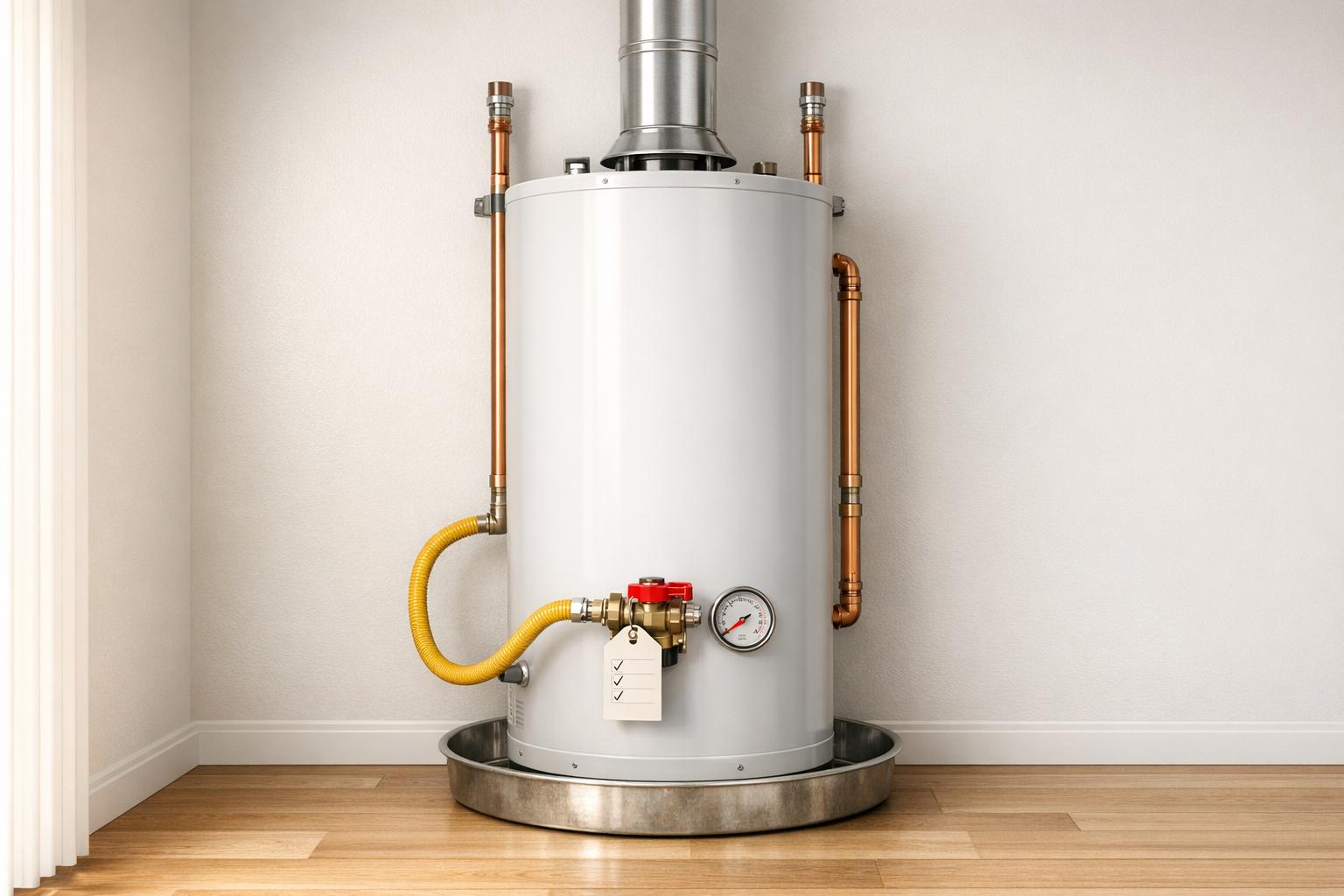
The material of your pipes determines how long they last. Galvanized steel pipes generally fail within 20 to 30 years, while copper pipes can hold up for 50 years or more. Homes with plumbing systems over 40 years old are especially vulnerable and may need expert pipe replacement. As pipes age, mineral deposits build up inside, reducing water flow and damaging components like valves and fixtures. In coastal regions, the salty air speeds up corrosion, further shortening the life of your pipes. Fortunately, signs like reduced water pressure or rusty water can alert homeowners to corrosion problems before they escalate. If you suspect a major failure, contacting an emergency plumber can prevent extensive water damage.

Signs Your Pipes Are Corroding

Pipe corrosion can show up in ways that are easy to miss or impossible to ignore. Spotting these signs early can help you avoid costly repairs and water damage, giving you the chance to address issues before they escalate.

Discolored or Rusty Water

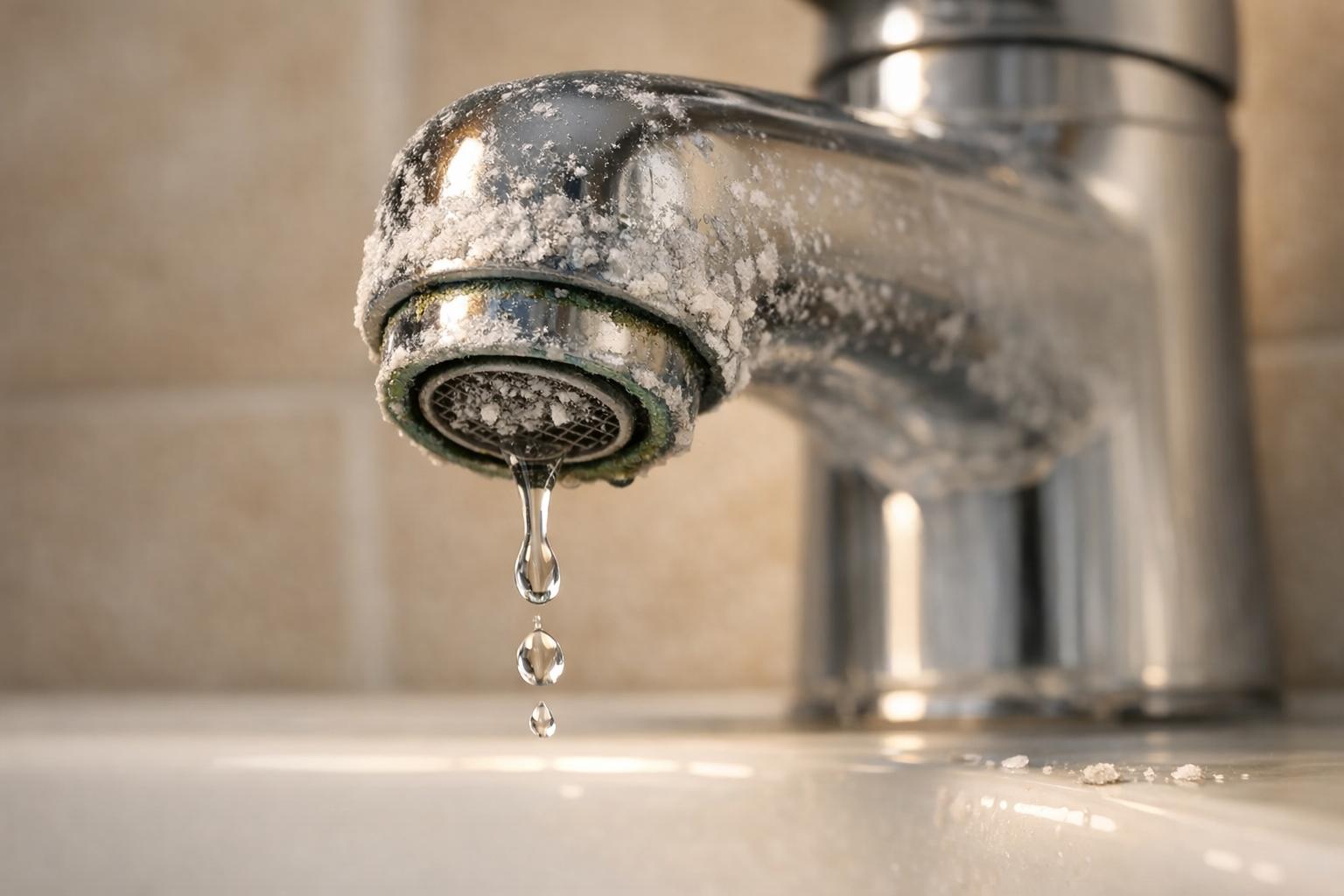
If your water comes out brown, yellow, or reddish, it could mean your iron or galvanized steel pipes are rusting. Blue or green water, on the other hand, often points to deteriorating copper pipes. This discoloration is usually most noticeable when you first turn on the tap in the morning, as water that sits overnight can pick up more metal particles. Persistent stains in sinks, tubs, or toilet tanks – especially brown, orange, or yellow – are another red flag. To check for discoloration, fill a clear glass with cold water and hold it against a white background. If you find rust flakes or reddish-brown sediment in faucet aerators or showerheads across multiple fixtures, it’s a likely sign of internal pipe corrosion.

Low Water Pressure

When pipes corrode, the buildup of rust-like scales and mineral deposits inside the pipes reduces their diameter, restricting water flow. This can lead to noticeably lower water pressure and even strange noises when the water is running. If cleaning fixtures doesn’t restore normal pressure, the problem might not be a simple clog but rather corrosion inside the pipes. Reduced pressure can also indicate hidden leaks. To check, turn off all faucets and appliances, then watch your water meter for any unexplained movement.

Water Leaks and Damp Spots

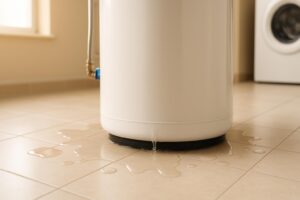
Corroded pipes become weaker over time, making them prone to leaks. Signs of leaks include damp spots on walls or ceilings, bubbling paint, or unexpected increases in your water bill. You might also notice puddles under sinks or patches of mold in unusual places. Homes with plumbing systems over 50 years old, often made from cast iron or copper, are particularly vulnerable to this type of damage.

Metallic Taste, Odors, or Stains

A metallic taste in your water or unusual odors can signal that metal particles are contaminating your supply. Sulfur-reducing bacteria, which thrive in rusted pipes, can create a rotten egg smell. Additionally, consistent brown, orange, or blue-green stains on fixtures suggest metal particles are traveling through your water. These symptoms warrant a closer look, such as a water quality test or a video camera inspection of your pipes. Visual inspections can help confirm whether corrosion is the culprit.

Visible Rust or Deposits on Exposed Pipes

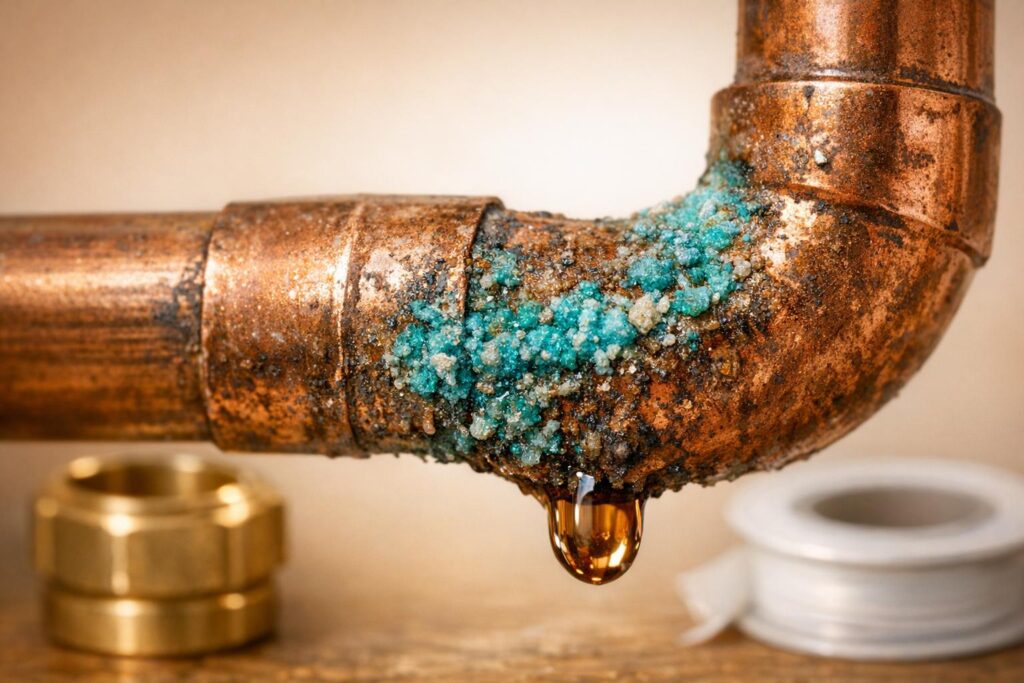
Regularly checking exposed pipes – like those in basements, crawlspaces, or under sinks – can help you catch corrosion early. Look for reddish-brown flakes (a sign of iron or steel corrosion), bluish-green patinas (indicating copper deterioration), or white, powdery mineral deposits. Uneven surfaces, small bulges, or discoloration can also signal trouble. If you notice sudden changes in water temperature during use, it might mean corrosion has damaged internal components like anti-scald mechanisms or insulation.

For homeowners in Round Rock, Texas, reaching out to Round Rock Plumbing for a professional inspection can help you address corrosion issues and keep your plumbing system in good shape for years to come.

How to Fix Pipe Corrosion

Pipe Material Comparison: Cost, Durability and Corrosion Resistance

Pipe Material Comparison: Cost, Durability and Corrosion Resistance

When dealing with pipe corrosion, the first step is to decide whether a temporary repair will suffice or if a full replacement is necessary. Minor surface problems might allow for short-term fixes, but extensive or deep corrosion usually means replacing the affected pipes entirely is the best course of action.

Cleaning and Temporary Fixes for Minor Corrosion

For small-scale corrosion, such as surface rust or mineral buildup, temporary solutions can help. Start by flushing your plumbing system – running the taps for a few minutes can clear out rust and sediment buildup. If mineral deposits are clogging your drains, try pouring a gallon of distilled white vinegar down the drain. Let it sit for 30 minutes, scrub with a long-handled brush, and then flush thoroughly with water. For larger pipes with moderate buildup, professional descaling equipment can restore water flow without the need for replacement.

Another option is using corrosion inhibitors, like phosphates, which create a protective coating inside your pipes. For small external leaks, epoxy putty or pipe clamps can provide a quick fix. These materials typically cost between $10 and $30, but they’re not a long-term solution for aging plumbing systems.

If you’re in Round Rock, Texas, consider reaching out to Round Rock Plumbing for professional drain cleaning and leak detection services. They can help determine if temporary fixes are enough or if more extensive repairs are required.

If minor repairs fail to resolve the issue, it’s time to consider replacing the pipes.

Pipe Replacement for Severe Corrosion

When corrosion leads to multiple leaks or persistent water discoloration, replacing the pipes is often the only viable solution. This is especially true for homes with lead or galvanized steel pipes, which are common in properties built before 1986. These materials not only pose health risks but are also prone to structural failures, making replacement a necessity.

The cost of replacing a single corroded pipe typically falls between $150 and $300. For a full repiping job, costs range from $2,000 to $15,000, depending on the size of the home and the materials selected.

Modern materials offer better durability and resistance to corrosion compared to older options. Here’s a quick comparison of common pipe materials:

Pipe Material Relative Cost Durability Corrosion Resistance
Galvanized Steel High (Labor) Low (40–50 years) Low; prone to rust and scale
Copper High (Material) High (50+ years) Moderate; vulnerable to acidic water
PEX Low High (40–50 years) High; nearly immune to corrosion
CPVC Moderate High (50–75 years) High; resistant to chemicals and heat

PEX and CPVC are excellent choices for their resistance to corrosion and long lifespan. To assess the full extent of internal pipe damage, advanced diagnostic tools like pipe cameras or ultrasonic thickness testers can be used. Additionally, when connecting new pipes to older metal ones, installing dielectric unions can prevent galvanic corrosion caused by dissimilar metals.

For homeowners in Round Rock, Texas, Round Rock Plumbing offers pipe replacement services and guidance on selecting the best materials to ensure your plumbing system remains reliable for years to come.

How to Prevent Pipe Corrosion

Once you’ve addressed corrosion problems, the next step is safeguarding your plumbing system for the long haul. By combining water treatment, routine maintenance, and smart installation practices, you can significantly extend the life of your pipes.

Water Treatment Systems

Water softeners play a key role in protecting your pipes from hard water damage. These systems remove calcium and magnesium, two minerals responsible for buildup and calcification inside pipes. If your water is acidic (pH below 7), consider using pH neutralizers and calcite filters to balance the water’s chemistry and shield your pipes from damage.

To combat high chlorine levels – which can accelerate corrosion – install specialized filters. Additionally, keep your water heater’s temperature below 180°F, as higher temperatures can speed up corrosive reactions.

Since the introduction of the Lead and Copper Rule in 1991, professional corrosion control measures have made a massive impact, reducing lead action level exceedances in the U.S. by over 90%.

But water treatment alone isn’t enough – regular maintenance is crucial to ensure your system remains in top shape.

Routine Maintenance

Scheduling annual inspections, including water quality testing, can help you catch potential issues before they escalate into costly repairs. These inspections typically check pH levels, water hardness, and the Langelier Saturation Index (LSI), which measures your water’s potential to cause corrosion. Plumbers use advanced diagnostic tools, like moisture sensors and infrared imaging, to detect weak spots or early signs of decay that are invisible to the naked eye. They can then recommend tailored prevention strategies based on your home’s specific needs.

For example, Round Rock Plumbing in Texas offers comprehensive annual inspections using cutting-edge technology to spot hidden issues before they lead to water damage or system failures.

Avoid Mixing Metals

Material compatibility is another critical factor in preventing corrosion. When two different metals come into contact within your plumbing system, galvanic corrosion can occur. This happens when an electrical current flows between the metals, causing the more reactive one to deteriorate quickly. This process often leads to localized pitting and, in severe cases, sudden system failures.

To prevent this, use dielectric unions when connecting dissimilar metals. These fittings include an insulating liner that stops the metals from touching and blocks electrical currents. For added protection, you can also apply epoxy or polyethylene wraps to keep water from contacting the metal surfaces.

"Protective measures, such as dielectric unions or the isolation of dissimilar metals, are necessary to avoid galvanic corrosion in pipes." – Hitchcock Plumbing Editor

The safest option, however, is sticking to uniform materials throughout your plumbing system – either all copper or all plastic (PVC/PEX). This eliminates the risk of electrochemical reactions entirely. By consistently applying these methods, you can help ensure your plumbing system lasts for decades.

Conclusion

Pipe corrosion often begins with small, easy-to-miss signs like discolored water, a metallic taste, or a slight drop in water pressure. If ignored, these minor issues can snowball into severe problems, including major leaks, structural damage, or even health risks like the growth of Legionella. Regular inspections and early detection are key to avoiding costly repairs and potential hazards.

Taking proactive steps can make all the difference. Professional plumbers rely on tools like video camera inspections and pressure testing to uncover hidden damage before it becomes a bigger issue.

For those in Round Rock, Texas, local help is just a phone call away. Round Rock Plumbing provides a wide range of plumbing services for both homeowners and businesses. From electronic leak detection and drain camera inspections to full pipe replacements and water treatment system installations, they’ve got you covered. Plus, with 24/7 emergency support, Round Rock Plumbing is always ready to deliver reliable inspections and lasting solutions to protect your plumbing system.

FAQs

Is corroded pipe water unsafe to drink?

Yes, drinking water from corroded pipes can be unsafe. Corrosion can introduce rust, metals, and other harmful substances into the water, potentially affecting your health. If you think your pipes might be corroded, it’s important to address the problem quickly to ensure your water remains safe for consumption.

How can I tell if corrosion is in one pipe or the whole house?

If you notice rusty or discolored water, a metallic taste, or rust stains appearing across multiple fixtures, it’s a red flag for widespread corrosion in your plumbing system. On the other hand, if the problem seems confined to a single area, such as leaks, pinholes, or discoloration from one faucet, the corrosion is likely limited to specific pipes. Widespread symptoms typically point to issues throughout the system, while localized problems suggest isolated pipe damage.

Should I repipe with PEX, CPVC, or copper?

When deciding between PEX, CPVC, and copper, it’s important to weigh factors like durability, cost, and resistance to corrosion.

  • PEX stands out for being affordable, resistant to corrosion, and simple to install, making it a popular choice for many homeowners.
  • Copper offers exceptional durability, often lasting 40–50 years. However, it comes with a higher price tag and can be impacted by certain soil or water conditions.
  • CPVC provides a budget-friendly, corrosion-resistant alternative, though its lifespan typically doesn’t match that of copper.

To make the right choice for your specific situation, it’s always a good idea to consult with a professional plumber. They can guide you based on your home’s unique requirements.
Related Blog Posts

Signs of Pipe Corrosion and How to Fix It

⚡️ Quick Quote

⚡️ Recent Post

Pipe corrosion can lead to costly repairs, health risks, and structural damage if ignored. Here’s what you need to know:

  • Causes: Corrosion is often triggered by water chemistry (acidic pH, high oxygen, chlorides), mixing dissimilar metals, or aging pipes.
  • Signs: Look for discolored water, low water pressure, leaks, metallic tastes or odors, and visible rust on exposed pipes.
  • Fixes: Minor issues like surface rust can be cleaned or temporarily patched. Severe corrosion often requires pipe replacement, costing $2,000–$15,000 for a full system.
  • Prevention: Use water treatment systems, schedule routine maintenance, and avoid mixing metals in your plumbing.

For Round Rock, Texas residents, professional services like inspections, pipe replacements, and water treatment installations are available to ensure long-term plumbing health.

What Causes Pipe Corrosion

Understanding why pipe corrosion happens is key to avoiding costly plumbing issues down the line. Three major culprits are at play: water chemistry, dissimilar metals, and the natural aging of pipes. Each one speeds up the corrosion process in different ways, and tackling them requires specific precautions.

Water Chemistry

The composition of your water has a direct impact on how quickly your pipes corrode. Factors like acidic pH (below 7.0), high levels of dissolved oxygen, elevated temperatures, and the presence of chlorides, sulfates, and other dissolved solids all contribute to the problem. Soft water, which lacks minerals that form a protective layer inside pipes, poses an even bigger risk. For instance, in Pennsylvania, about 60% of private wells, springs, and cisterns have water that promotes corrosion, and 20% of private systems show dangerous levels of dissolved lead due to this process.

Dissimilar Metals

Mixing different metals in a plumbing system can trigger galvanic corrosion. This happens when two incompatible metals come into contact, causing one to deteriorate faster as electrons transfer between them. It’s a common issue in older homes where materials like cast iron, galvanized steel, and copper were often combined. Even modern plastic systems like PVC or PEX need proper isolation of metallic fittings to prevent this reaction. To make matters worse, stray electrical currents in copper pipes can amplify the corrosion process.

Aging Pipes

The material of your pipes determines how long they last. Galvanized steel pipes generally fail within 20 to 30 years, while copper pipes can hold up for 50 years or more. Homes with plumbing systems over 40 years old are especially vulnerable and may need expert pipe replacement. As pipes age, mineral deposits build up inside, reducing water flow and damaging components like valves and fixtures. In coastal regions, the salty air speeds up corrosion, further shortening the life of your pipes. Fortunately, signs like reduced water pressure or rusty water can alert homeowners to corrosion problems before they escalate. If you suspect a major failure, contacting an emergency plumber can prevent extensive water damage.

Signs Your Pipes Are Corroding

Pipe corrosion can show up in ways that are easy to miss or impossible to ignore. Spotting these signs early can help you avoid costly repairs and water damage, giving you the chance to address issues before they escalate.

Discolored or Rusty Water

If your water comes out brown, yellow, or reddish, it could mean your iron or galvanized steel pipes are rusting. Blue or green water, on the other hand, often points to deteriorating copper pipes. This discoloration is usually most noticeable when you first turn on the tap in the morning, as water that sits overnight can pick up more metal particles. Persistent stains in sinks, tubs, or toilet tanks – especially brown, orange, or yellow – are another red flag. To check for discoloration, fill a clear glass with cold water and hold it against a white background. If you find rust flakes or reddish-brown sediment in faucet aerators or showerheads across multiple fixtures, it’s a likely sign of internal pipe corrosion.

Low Water Pressure

When pipes corrode, the buildup of rust-like scales and mineral deposits inside the pipes reduces their diameter, restricting water flow. This can lead to noticeably lower water pressure and even strange noises when the water is running. If cleaning fixtures doesn’t restore normal pressure, the problem might not be a simple clog but rather corrosion inside the pipes. Reduced pressure can also indicate hidden leaks. To check, turn off all faucets and appliances, then watch your water meter for any unexplained movement.

Water Leaks and Damp Spots

Corroded pipes become weaker over time, making them prone to leaks. Signs of leaks include damp spots on walls or ceilings, bubbling paint, or unexpected increases in your water bill. You might also notice puddles under sinks or patches of mold in unusual places. Homes with plumbing systems over 50 years old, often made from cast iron or copper, are particularly vulnerable to this type of damage.

Metallic Taste, Odors, or Stains

A metallic taste in your water or unusual odors can signal that metal particles are contaminating your supply. Sulfur-reducing bacteria, which thrive in rusted pipes, can create a rotten egg smell. Additionally, consistent brown, orange, or blue-green stains on fixtures suggest metal particles are traveling through your water. These symptoms warrant a closer look, such as a water quality test or a video camera inspection of your pipes. Visual inspections can help confirm whether corrosion is the culprit.

Visible Rust or Deposits on Exposed Pipes

Regularly checking exposed pipes – like those in basements, crawlspaces, or under sinks – can help you catch corrosion early. Look for reddish-brown flakes (a sign of iron or steel corrosion), bluish-green patinas (indicating copper deterioration), or white, powdery mineral deposits. Uneven surfaces, small bulges, or discoloration can also signal trouble. If you notice sudden changes in water temperature during use, it might mean corrosion has damaged internal components like anti-scald mechanisms or insulation.

For homeowners in Round Rock, Texas, reaching out to Round Rock Plumbing for a professional inspection can help you address corrosion issues and keep your plumbing system in good shape for years to come.

How to Fix Pipe Corrosion

Pipe Material Comparison: Cost, Durability and Corrosion Resistance

Pipe Material Comparison: Cost, Durability and Corrosion Resistance

When dealing with pipe corrosion, the first step is to decide whether a temporary repair will suffice or if a full replacement is necessary. Minor surface problems might allow for short-term fixes, but extensive or deep corrosion usually means replacing the affected pipes entirely is the best course of action.

Cleaning and Temporary Fixes for Minor Corrosion

For small-scale corrosion, such as surface rust or mineral buildup, temporary solutions can help. Start by flushing your plumbing system – running the taps for a few minutes can clear out rust and sediment buildup. If mineral deposits are clogging your drains, try pouring a gallon of distilled white vinegar down the drain. Let it sit for 30 minutes, scrub with a long-handled brush, and then flush thoroughly with water. For larger pipes with moderate buildup, professional descaling equipment can restore water flow without the need for replacement.

Another option is using corrosion inhibitors, like phosphates, which create a protective coating inside your pipes. For small external leaks, epoxy putty or pipe clamps can provide a quick fix. These materials typically cost between $10 and $30, but they’re not a long-term solution for aging plumbing systems.

If you’re in Round Rock, Texas, consider reaching out to Round Rock Plumbing for professional drain cleaning and leak detection services. They can help determine if temporary fixes are enough or if more extensive repairs are required.

If minor repairs fail to resolve the issue, it’s time to consider replacing the pipes.

Pipe Replacement for Severe Corrosion

When corrosion leads to multiple leaks or persistent water discoloration, replacing the pipes is often the only viable solution. This is especially true for homes with lead or galvanized steel pipes, which are common in properties built before 1986. These materials not only pose health risks but are also prone to structural failures, making replacement a necessity.

The cost of replacing a single corroded pipe typically falls between $150 and $300. For a full repiping job, costs range from $2,000 to $15,000, depending on the size of the home and the materials selected.

Modern materials offer better durability and resistance to corrosion compared to older options. Here’s a quick comparison of common pipe materials:

Pipe Material Relative Cost Durability Corrosion Resistance
Galvanized Steel High (Labor) Low (40–50 years) Low; prone to rust and scale
Copper High (Material) High (50+ years) Moderate; vulnerable to acidic water
PEX Low High (40–50 years) High; nearly immune to corrosion
CPVC Moderate High (50–75 years) High; resistant to chemicals and heat

PEX and CPVC are excellent choices for their resistance to corrosion and long lifespan. To assess the full extent of internal pipe damage, advanced diagnostic tools like pipe cameras or ultrasonic thickness testers can be used. Additionally, when connecting new pipes to older metal ones, installing dielectric unions can prevent galvanic corrosion caused by dissimilar metals.

For homeowners in Round Rock, Texas, Round Rock Plumbing offers pipe replacement services and guidance on selecting the best materials to ensure your plumbing system remains reliable for years to come.

How to Prevent Pipe Corrosion

Once you’ve addressed corrosion problems, the next step is safeguarding your plumbing system for the long haul. By combining water treatment, routine maintenance, and smart installation practices, you can significantly extend the life of your pipes.

Water Treatment Systems

Water softeners play a key role in protecting your pipes from hard water damage. These systems remove calcium and magnesium, two minerals responsible for buildup and calcification inside pipes. If your water is acidic (pH below 7), consider using pH neutralizers and calcite filters to balance the water’s chemistry and shield your pipes from damage.

To combat high chlorine levels – which can accelerate corrosion – install specialized filters. Additionally, keep your water heater’s temperature below 180°F, as higher temperatures can speed up corrosive reactions.

Since the introduction of the Lead and Copper Rule in 1991, professional corrosion control measures have made a massive impact, reducing lead action level exceedances in the U.S. by over 90%.

But water treatment alone isn’t enough – regular maintenance is crucial to ensure your system remains in top shape.

Routine Maintenance

Scheduling annual inspections, including water quality testing, can help you catch potential issues before they escalate into costly repairs. These inspections typically check pH levels, water hardness, and the Langelier Saturation Index (LSI), which measures your water’s potential to cause corrosion. Plumbers use advanced diagnostic tools, like moisture sensors and infrared imaging, to detect weak spots or early signs of decay that are invisible to the naked eye. They can then recommend tailored prevention strategies based on your home’s specific needs.

For example, Round Rock Plumbing in Texas offers comprehensive annual inspections using cutting-edge technology to spot hidden issues before they lead to water damage or system failures.

Avoid Mixing Metals

Material compatibility is another critical factor in preventing corrosion. When two different metals come into contact within your plumbing system, galvanic corrosion can occur. This happens when an electrical current flows between the metals, causing the more reactive one to deteriorate quickly. This process often leads to localized pitting and, in severe cases, sudden system failures.

To prevent this, use dielectric unions when connecting dissimilar metals. These fittings include an insulating liner that stops the metals from touching and blocks electrical currents. For added protection, you can also apply epoxy or polyethylene wraps to keep water from contacting the metal surfaces.

"Protective measures, such as dielectric unions or the isolation of dissimilar metals, are necessary to avoid galvanic corrosion in pipes." – Hitchcock Plumbing Editor

The safest option, however, is sticking to uniform materials throughout your plumbing system – either all copper or all plastic (PVC/PEX). This eliminates the risk of electrochemical reactions entirely. By consistently applying these methods, you can help ensure your plumbing system lasts for decades.

Conclusion

Pipe corrosion often begins with small, easy-to-miss signs like discolored water, a metallic taste, or a slight drop in water pressure. If ignored, these minor issues can snowball into severe problems, including major leaks, structural damage, or even health risks like the growth of Legionella. Regular inspections and early detection are key to avoiding costly repairs and potential hazards.

Taking proactive steps can make all the difference. Professional plumbers rely on tools like video camera inspections and pressure testing to uncover hidden damage before it becomes a bigger issue.

For those in Round Rock, Texas, local help is just a phone call away. Round Rock Plumbing provides a wide range of plumbing services for both homeowners and businesses. From electronic leak detection and drain camera inspections to full pipe replacements and water treatment system installations, they’ve got you covered. Plus, with 24/7 emergency support, Round Rock Plumbing is always ready to deliver reliable inspections and lasting solutions to protect your plumbing system.

FAQs

Is corroded pipe water unsafe to drink?

Yes, drinking water from corroded pipes can be unsafe. Corrosion can introduce rust, metals, and other harmful substances into the water, potentially affecting your health. If you think your pipes might be corroded, it’s important to address the problem quickly to ensure your water remains safe for consumption.

How can I tell if corrosion is in one pipe or the whole house?

If you notice rusty or discolored water, a metallic taste, or rust stains appearing across multiple fixtures, it’s a red flag for widespread corrosion in your plumbing system. On the other hand, if the problem seems confined to a single area, such as leaks, pinholes, or discoloration from one faucet, the corrosion is likely limited to specific pipes. Widespread symptoms typically point to issues throughout the system, while localized problems suggest isolated pipe damage.

Should I repipe with PEX, CPVC, or copper?

When deciding between PEX, CPVC, and copper, it’s important to weigh factors like durability, cost, and resistance to corrosion.

  • PEX stands out for being affordable, resistant to corrosion, and simple to install, making it a popular choice for many homeowners.
  • Copper offers exceptional durability, often lasting 40–50 years. However, it comes with a higher price tag and can be impacted by certain soil or water conditions.
  • CPVC provides a budget-friendly, corrosion-resistant alternative, though its lifespan typically doesn’t match that of copper.

To make the right choice for your specific situation, it’s always a good idea to consult with a professional plumber. They can guide you based on your home’s unique requirements.
Related Blog Posts

Round Rock Plumbing

Your Williamson County plumbing team.

Related Posts

You might also like...

Low-Flow Fixtures for Commercial Properties

Low-flow faucets, toilets, showerheads and urinals can cut commercial water use 30–50%, lower utility bills, and require proper installation, maintenance and code compliance....