Gas leaks in Round Rock are a serious safety concern, with risks ranging from explosions to health hazards. Recent incidents highlight the dangers posed by aging infrastructure, construction activity, and shifting soil. Here’s what you need to know:
- Key Causes: Old gas lines, construction damage, and soil movement are leading factors.
- Warning Signs: Rotten egg smell, hissing sounds, dead vegetation, and health symptoms like dizziness or nausea.
- Detection Tools: Methane detectors, electronic leak sensors, and advanced methods like thermal imaging and acoustic testing.
- Solutions: Professional repairs using modern materials, 24/7 emergency services, and regular inspections.
- Prevention Tips: Install detectors, schedule maintenance, and educate residents about gas leak safety.
If you suspect a gas leak, evacuate immediately, avoid using electrical devices, and call 911 and your gas provider. Safety starts with awareness and proactive measures.

Gas Leak Safety Response: 5 Critical Steps for Round Rock Residents
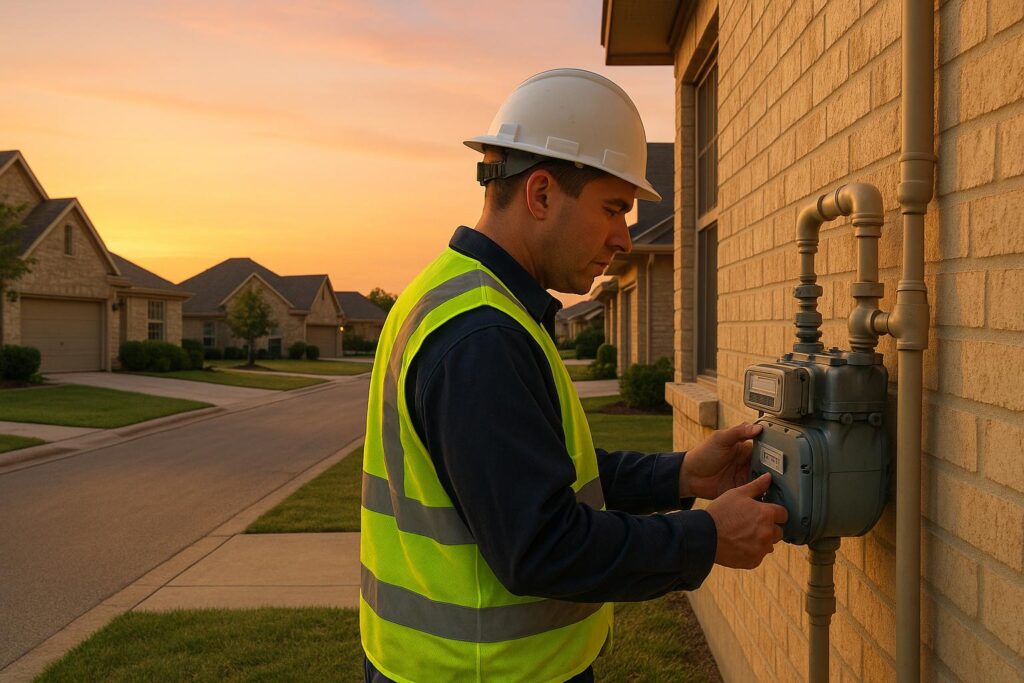
Stay Safe With Gas: Trust your nose – Gas Leaks Outdoors
What Causes Gas Leaks in Round Rock
Gas leaks in Round Rock often result from a mix of aging infrastructure, rapid urban development, and the region’s challenging soil conditions. These factors frequently interact, creating vulnerabilities that can lead to hazardous leaks. Let’s take a closer look at the main causes.
Old Gas Lines and Infrastructure
Outdated gas piping is a major culprit. Many homes and buildings in Round Rock still rely on steel or iron gas pipes installed decades ago. Unlike modern materials like polyethylene or coated steel, these older pipes are far more prone to corrosion – both inside and out. Over the years, pipe walls can thin, joints may loosen, and fittings can degrade. Compounding the issue, older properties often lack adequate corrosion protection or have pipes buried at shallow depths, making them more susceptible to damage. In some cases, unmarked private gas lines can be disturbed during renovations or landscaping. Without regular inspections or timely upgrades, these aging systems are at risk of developing pinhole leaks or joint failures, which can escalate into serious problems.
Construction and Landscaping Damage
With Round Rock expanding rapidly, excavation work is a constant presence – and digging is one of the leading causes of gas leaks in the area. For example, a recent leak in northwest Round Rock occurred when construction crews accidentally struck a gas main. The incident led to road closures, power outages, and the evacuation of nearby homes while crews worked to manage gas levels and repair the damage. Everyday projects like installing irrigation systems, fence posts, or new subdivisions can also puncture or disturb poorly marked underground gas lines. Even heavy machinery can crack or shift pipes, sometimes causing slow leaks that can go unnoticed for longer periods.
Weather and Soil Movement in Round Rock
The region’s expansive clay soils add another layer of complexity. These soils swell during wet periods and shrink when dry, causing underground pipes to shift. This constant movement can bend, shear, or even pull apart gas pipes and fittings – especially older, rigid metallic lines that lack flexibility. Central Texas frequently experiences cycles of prolonged drought followed by heavy rainstorms, which only intensify the problem. Homes built on sloping lots or near drainage areas are particularly vulnerable, as soil settlement in these locations can twist or pull gas lines where they connect to the foundation. Improperly backfilled trenches can also create voids that stress pipes over time, leading to cracks, joint separations, or gasket failures.
How to Identify a Gas Leak
Spotting a gas leak early can prevent serious dangers. While natural gas itself is colorless and odorless, a chemical called mercaptan is added to give it a strong, sulfur-like "rotten egg" smell. Beyond this telltale odor, there are several physical, health-related, and technological signs to watch for.
Physical Signs
Start by paying attention to unusual smells, sounds, and sights around your property. A strong rotten egg odor near gas lines or appliances is a major red flag. Listen closely for hissing, whistling, or roaring sounds, which often indicate gas escaping under pressure. Outside, look for dead or dying plants above buried gas lines – especially if there’s no clear reason for their condition. Other signs include dirt or dust blowing near gas meters or bubbles forming in standing water or puddles around gas lines. Inside your home, a yellow or orange flame on a gas appliance (instead of the usual blue) might signal incomplete combustion and a potential leak.
However, relying only on your sense of smell isn’t foolproof. Certain factors, like prolonged exposure, can dull your ability to detect the odor, leaving you vulnerable.
Health Symptoms
Gas leaks can also affect your health. Symptoms such as headaches, dizziness, nausea, fatigue, irregular breathing, chest pain, or flu-like sensations could mean you’ve been exposed. Natural gas reduces oxygen levels in enclosed spaces, which can lead to asphyxiation symptoms within minutes. This is particularly risky for those with a diminished sense of smell due to conditions like colds, allergies, smoking, or even certain medications. Prolonged exposure can also lead to "olfactory fatigue", making it harder for you to notice the smell of gas even when it’s present.
Detection Devices
When physical and health signs aren’t enough, gas detection devices offer an extra layer of security. Methane detectors and natural gas alarms are designed to sound an alert when gas levels reach 5-15% of the lower explosive limit. These devices meet NFPA 715 standards and Underwriters Laboratories testing requirements, often identifying leaks before you can smell them. Install them near gas appliances, in bedrooms, and in basements, following the manufacturer’s guidelines. Regular maintenance is key – test them monthly, replace batteries annually, and clean them to prevent false alarms. While these devices are incredibly helpful, they work best when paired with your own vigilance in recognizing physical and health-related signs.
Advanced Gas Leak Detection Methods
When physical signs and basic detectors fall short, professionals turn to advanced technologies to locate gas leaks with precision, minimizing unnecessary disruptions.
Electronic Leak Detection
Electronic gas detectors utilize infrared or semiconductor sensors to measure methane and natural gas levels down to parts per million (ppm). These devices not only sound audible alarms but also provide digital readouts, allowing technicians to identify leaks within inches. This level of accuracy far surpasses relying on smell alone. For instance, utilities like Atmos Energy train their teams to systematically use these portable detectors to monitor odorant levels throughout gas systems, ensuring thorough inspections.
These sensors excel even in challenging environments where natural factors mask gas odors – a frequent issue in Round Rock’s clay-heavy terrain. With quantifiable data, technicians can pinpoint leaks as small as 10 ppm or as large as 100 ppm. This precise approach lays the groundwork for further non-invasive diagnostics.
Thermal Imaging and Acoustic Testing
To complement electronic detection, thermal imaging and acoustic testing offer additional tools for locating leaks. Thermal imaging cameras work by identifying temperature variations. Escaping gas cools nearby surfaces or soil, creating visible cold spots on infrared images. This method allows technicians to identify underground leaks without the need for disruptive digging – making it especially useful for subsurface applications.
Acoustic testing, on the other hand, employs highly sensitive microphones and ground sensors to detect high-frequency sounds caused by pressurized gas escaping. By filtering out background noise, the equipment can triangulate the exact location of a leak. Utilities across the country report that these techniques can cut repair times by 50–70% compared to traditional excavation-based methods.
Round Rock Plumbing‘s Detection Services
In Round Rock, where clay-heavy soils present unique challenges, Round Rock Plumbing employs these advanced techniques to address gas leaks effectively. Their tools include infrared portable detectors and sophisticated diagnostics to assess both residential and commercial properties quickly. They also use thermal imaging to detect subsurface temperature changes and acoustic testing to identify leak sounds. With 24/7 emergency response services, their team can rapidly deploy camera inspections and leak locators, ensuring quick repairs with minimal disruption.
sbb-itb-5fe396b
Gas Leak Repair Solutions
Detecting a gas leak quickly is the first step toward ensuring safety and restoring normal operations. Once a leak is identified, professionals act swiftly to isolate and repair the issue. The repair process varies based on the severity and location of the damage but always adheres to strict safety protocols to safeguard both residents and property.
Gas Line Repair and Replacement
The repair process starts with isolating the affected section of the gas line. For instance, crews may construct bypasses to keep the damaged area separate, allowing repairs to proceed safely without causing widespread service interruptions.
For minor issues, technicians use welding or specialized fittings to seal the leak. However, if the damage is severe, replacing the section becomes necessary. Modern materials, such as coated steel or high-pressure polyethylene, are often used for replacements. These materials are not only more resistant to corrosion but also better equipped to handle soil movement caused by seasonal weather changes. They comply with Texas Railroad Commission standards, ensuring durability and safety.
Once repairs are complete, crews perform pressure testing to confirm the line’s integrity before restoring service. For example, during a gas leak on Chert Drive in Round Rock, containment was achieved by 11:34 a.m., and service was safely restored within hours after thorough safety checks were conducted.
24/7 Emergency Response
Gas leaks are serious emergencies because natural gas is highly flammable and can ignite with the smallest spark. Immediate action is essential, and emergency crews work quickly to isolate leaks, shut off the gas supply, and address potential hazards.
Round Rock Plumbing offers 24/7 emergency gas line repair services. Their team is equipped to respond promptly, isolating leaks, performing temporary shutoffs, and making necessary repairs. Using advanced diagnostic tools, their licensed technicians handle urgent situations in both residential and commercial settings. With over 20 years of experience in the area, they are well-prepared to restore systems efficiently while keeping safety as the top priority.
After emergency repairs, a detailed inspection ensures the system is secure and ready for continued use.
Full System Inspections
Once repairs are completed, a comprehensive inspection is carried out to ensure the entire gas system is functioning safely. These inspections often include pressure tests and camera evaluations to confirm that all components meet current safety regulations.
Such inspections are critical for compliance with the International Fuel Gas Code and local Round Rock ordinances. They also play a key role in securing insurance coverage and maintaining property resale value. For example, during the Creek Bend Boulevard incident, Atmos Energy expanded air monitoring due to high humidity and poor gas dispersion, conducting system-wide checks before declaring the area safe. Similarly, Round Rock Plumbing performs thorough inspections, providing certifications that assure homeowners and businesses their gas systems meet all safety standards. This process offers peace of mind and ensures long-term reliability.
How to Prevent Gas Leaks
After addressing detection and repair strategies, it’s time to focus on prevention. In Round Rock, property owners face unique challenges like aging infrastructure, shifting soil, and nearby construction. Taking proactive steps can make a big difference in ensuring long-term safety.
Schedule Regular Maintenance
Routine inspections are crucial for catching problems early. Professionals use advanced tools like electronic leak detectors and acoustic sensors to check for corrosion, weak connections, and other vulnerabilities. Round Rock Plumbing specializes in diagnosing issues in underground gas lines, especially those impacted by local soil conditions. Their team often conducts gas pressure testing, which involves pressurizing pipes with air or gas to ensure they’re secure. It’s recommended to schedule these inspections every 1–2 years or after major events like severe weather or construction work. According to utility data from Atmos Energy, regular maintenance can cut emergency calls by 30–50%.
Install Gas Leak Detectors
Adding methane detectors can provide an extra layer of safety. These devices continuously monitor natural gas levels and sound alarms before concentrations become dangerous. Be sure to choose UL-listed detectors that comply with NFPA 715 standards. Place them near gas appliances and in common areas, and test them monthly to ensure they’re working properly. Regular battery replacements are also essential. While inspections are vital, detectors act as an important backup to help secure your gas system.
Educate Property Owners and Tenants
Knowledge is a powerful tool in preventing gas-related incidents. Everyone on the property should know the warning signs of a gas leak, such as the smell of rotten eggs, hissing sounds, or physical symptoms like headaches and nausea. If a leak is suspected, evacuate immediately without using electrical devices, then call 911 and contact Atmos Energy at 866-322-8667 from a safe location.
Property managers can play a big role in safety by hosting meetings, displaying emergency contact information, and distributing brochures. Sharing real-life examples, like the Chert Drive evacuation or the Creek Bend Boulevard incident, can highlight the importance of quick action. Round Rock Plumbing also offers free safety seminars to help property managers educate tenants and reduce delays in responding to emergencies.
Conclusion
Gas leaks in Round Rock aren’t just hypothetical – they’re a real danger. Recent incidents in the area have led to evacuations and disrupted daily life, showing how quickly a damaged line can threaten lives and property.
That said, gas systems can be operated safely when maintained properly. By using modern detection technology, scheduling regular professional inspections, installing NFPA 715-certified methane detectors, and having clear emergency procedures in place, the risk of serious incidents can be greatly reduced. If you ever notice a rotten egg smell, hear a hissing sound, or spot dead vegetation near a gas line, don’t wait – evacuate immediately and call 911, along with Atmos Energy at 866-322-8667. These steps could make all the difference in preventing a disaster.
Repairing gas lines is not a DIY job – it demands specialized skills and tools. Natural gas is extremely flammable, and even a small spark can lead to a fire or explosion. That’s why professional teams, equipped with advanced detection tools and offering 24/7 emergency services, are essential for safe, code-compliant repairs. Round Rock Plumbing provides these services, ensuring the safety of your home or business with emergency response, gas line repairs and replacements, and thorough system inspections.
Taking proactive steps like installing and testing methane detectors, inspecting aging gas lines and appliances, and scheduling a professional safety inspection can go a long way in reducing risks. Round Rock Plumbing is here to help you safeguard your family, tenants, employees, and property. Gas safety isn’t something to put off – it starts with simple, actionable steps today.
FAQs
What steps should I take right away if I think there’s a gas leak in my home?
If you think there’s a gas leak, it’s crucial to act fast to protect yourself and others. Leave your home immediately, ensuring that everyone else inside evacuates as well. Avoid using anything that could cause a spark, like electrical devices, light switches, or open flames, as these can ignite the gas.
Once you’re safely outside, call 911 or your local emergency services to report the situation. After the immediate threat has been handled, reach out to a licensed professional to inspect and fix the gas line. Quick action can help prevent serious harm to both your home and your health.
How often should I have my gas lines inspected to prevent leaks?
Regular inspections and maintenance of your gas lines every 3 to 5 years can go a long way in minimizing the risk of gas leaks. Staying on top of this upkeep not only helps catch potential issues early but also ensures your system operates safely and efficiently.
However, some warning signs shouldn’t wait for your next scheduled maintenance. If you detect strange odors, hear hissing sounds near gas lines, or see a sudden spike in your gas bills, it’s crucial to schedule an inspection right away – no matter how recently your system was checked.
What are the best tools for detecting gas leaks in Round Rock homes?
When it comes to spotting gas leaks, electronic sensors and gas detectors are among the most dependable tools available. These devices are built to quickly pinpoint leaks with precision, helping to ensure safety and avoid potential dangers in both homes and businesses.
For even more accurate results, modern techniques like electronic leak detection stand out. These approaches not only streamline the process but also minimize disruptions while locating leaks, making them an efficient option for tackling gas line problems effectively.