Aging in place means staying in your home as you grow older, but it requires making adjustments for safety and ease of use. Bathrooms, where 80% of home falls happen, are a key area to focus on. Here are seven practical plumbing upgrades to improve safety and accessibility:
- Grab Bars & Handrails: Provide support for mobility and reduce fall risks. Cost: $100–$500 per bar (installed).
- Walk-In Tubs & Low-Threshold Showers: Easier entry with features like built-in seating and slip-resistant surfaces. Cost: $6,000–$33,000.
- Comfort Height Toilets & Bidets: Easier transfers and improved hygiene. Cost: $40–$1,000+.
- Anti-Scald Valves: Prevent burns by regulating water temperature. Cost: $100–$12,000.
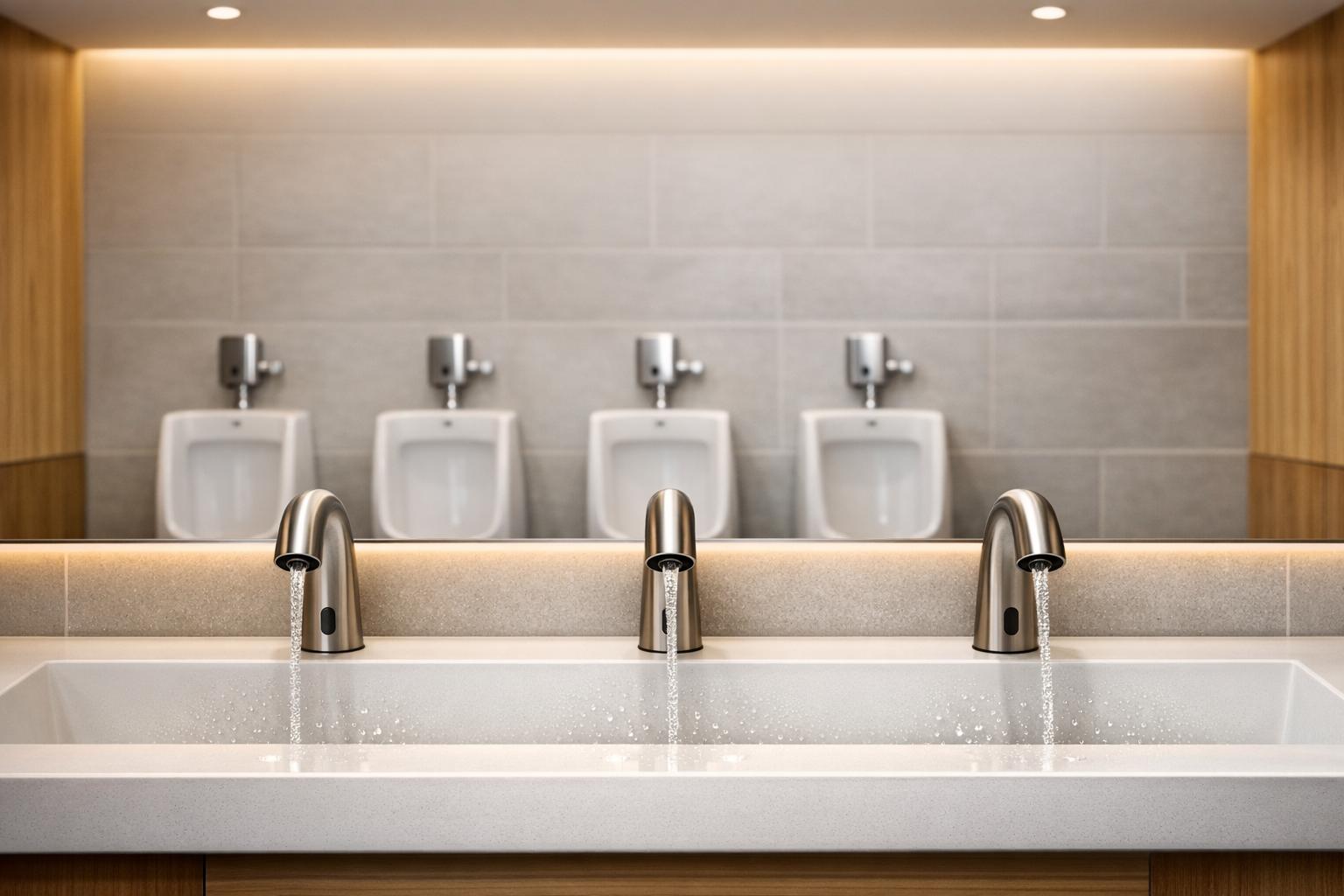
- Lever-Style & Touchless Faucets: Simplify operation and reduce germ spread. Cost: $80–$495.
- Non-Slip Shower Surfaces & Accessible Drains: Improve traction and eliminate tripping hazards. Cost: $10–$12,000.
- Smart Leak Detection Systems: Prevent water damage with automatic shutoff and real-time alerts. Cost: $110–$550.
These upgrades enhance safety, reduce risks, and help seniors maintain independence. Professional installation is recommended for most modifications to ensure proper function and compliance with safety standards.

7 Essential Plumbing Upgrades for Aging in Place: Features and Cost Comparison
1. Grab Bars & Handrails
Safety and Accessibility Features
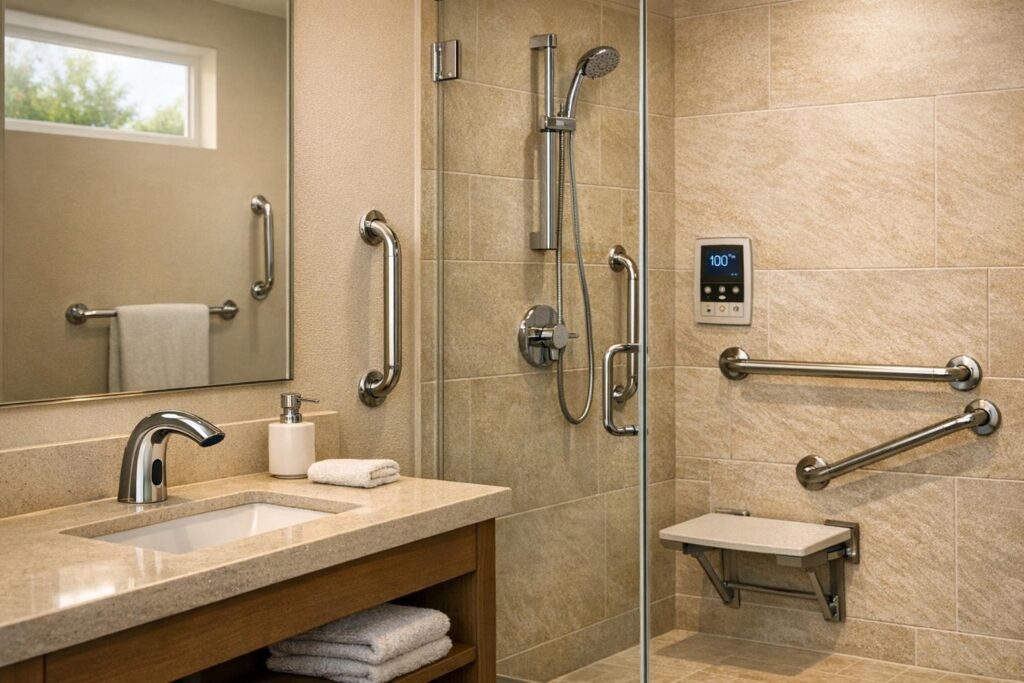
Grab bars are a key feature for improving bathroom safety, especially for seniors. They provide essential support for tasks like stepping over tub walls, entering or exiting showers, and transitioning between sitting and standing at the toilet. A vertical grab bar can help steady individuals who may feel faint after standing up too quickly, while horizontal bars offer extra stability for everyday movements.
The design of grab bars matters, too. Curved or "S-shaped" bars offer multiple grip heights, making them more versatile and secure. For smaller bathrooms, foldable grab bars that lie flat against the wall are a smart option. If the toilet isn’t near a wall, a dual-arm toilet frame can provide much-needed support for those with limited upper body strength.
Proper installation is just as important as the design to ensure these safety features work effectively.
Installation Complexity
For ceramic tile walls, you’ll need to drill pilot holes using a masonry bit. Keep in mind that suction-style grab bars are only suitable for balance assistance – they’re not designed to support full body weight. If you’re remodeling your bathroom, consider adding wall reinforcement (blocking) during the renovation process. This makes it much easier to install grab bars securely later on.
Cost Range (USD)
The price of grab bars varies widely depending on the type and design:
- Standard grab bars: $12.90 to $73.54
- Designer or wave-shaped models (which can also double as towel racks): $47.36 to $119.99
- Bariatric grab bars: $81.00 to $145.00
For professional installation, expect to pay an additional $100 to $200 per bar, bringing the total cost to $100 to $500 per fixture. Interior railings for stairs or hallways are more expensive, averaging around $1,000.
2. Walk-In Tubs and Low-Threshold Showers
Safety and Accessibility Features
Walk-in tubs and low-threshold showers are designed to make bathrooms safer and more accessible, especially for those planning to age in place. Walk-in tubs feature a watertight door built directly into the tub wall, reducing the step-in height to just 3 to 7 inches – much lower than the standard 14 to 20 inches of traditional bathtubs. On the other hand, low-threshold showers take accessibility to the next level with a curbless entry, allowing users to step straight in without lifting their feet over a curb. For individuals who use wheelchairs, this curbless design provides essential roll-in access, with a recommended turning radius of 60 inches to ensure easy maneuvering.
Both options prioritize safety with features like built-in seating, which helps reduce fatigue and minimizes the risk of slipping. They also come with slip-resistant flooring (with a coefficient of friction of at least 0.42) to further enhance stability in wet conditions. Handheld sprayers are another thoughtful addition, making it easier to rinse while seated. Considering that roughly 80% of senior falls occur in the bathroom, these safety-focused designs address one of the most hazardous areas in the home. However, proper installation is key to ensuring these features work as intended.
Installation Complexity
Transforming a standard tub into a walk-in tub or installing a low-threshold shower is no small task. These projects require detailed planning and professional expertise. Converting a bathroom to accommodate these features often involves extensive remodeling, such as relocating plumbing lines, adding electrical circuits, and modifying floor joists or subfloors to ensure proper drainage . Walk-in tubs may also require upgrading to a larger water heater – typically 50 gallons or more – which can add up to $3,000 to the total cost.
"Whenever we add or widen a doorway, we first check to see if that opening is part of a structural wall. To be sure, consult an architect or a structural engineer."
– Bob Tschudi, General Contractor
Homeowners should also prepare for temporary inconveniences during the remodel, such as losing access to water in the bathroom, which could last several days. To ensure the work meets accessibility standards, hiring contractors with a Certified Aging in Place Specialist (CAPS) designation is highly recommended.
Cost Range (USD)
The costs for these upgrades can vary significantly depending on the features and complexity of the installation. Walk-in tubs typically range between $5,500 and $13,000 for basic models, while high-end versions with jets or additional features can cost anywhere from $9,500 to $33,000 or more. Low-threshold showers, including installation, usually cost between $6,000 and $12,000 . For those looking to create a fully waterproof wet room with an open-concept design, the average cost is around $9,000.
Financial assistance may be available for qualifying seniors through programs like Medicaid Home and Community-Based Services (HCBS) waivers, the Department of Veterans Affairs, or USDA rural housing grants. If you’re located in Round Rock, Texas, Round Rock Plumbing offers expert installation and personalized advice to help ensure your bathroom is as safe and accessible as possible.
3. Comfort Height Toilets and Bidet Attachments
Safety and Accessibility Features
Comfort height toilets, which meet ADA standards, are designed to be 17–19 inches tall, making transfers easier for seniors or anyone with mobility challenges. This added height, about 2 to 3 inches more than standard toilets, reduces strain on the knees, back, and hips.
Bidet attachments offer a modern, hygienic solution for personal cleaning. Many models now include features like heated seats, warm water sprays, air deodorizers, and drying functions.
"Bidet toilets have skyrocketed in popularity… They’re also more hygienic and help older adults remain independent" – Sheryl Jean, contributing writer for AARP
Ease of Use for Seniors
The higher seating of comfort height toilets significantly aids those with mobility issues by making sitting and standing less strenuous.
"A toilet at a comfort height of 17 to 19 inches, compared to a standard 14 to 15 inches, makes it easier for those with mobility challenges to transfer to and from the toilet" – Neal K. Shah, CEO of CareYaya Health Technologies
For shared bathrooms, raised toilet seats are a practical option since they can be easily added or removed to suit different users. When choosing a raised seat, prioritize models with secure locking systems and non-slip pads to avoid unwanted movement. Additionally, experts suggest reinforcing walls near the toilet during renovations to allow for sturdy grab bar installations. Properly installed grab bars can greatly enhance safety and accessibility.
Installation Complexity
Installing a bidet attachment or toilet riser is usually a simple process. Many models are designed to clamp directly onto the existing toilet bowl, often requiring no tools. However, replacing a standard toilet with a comfort height model is more involved. This task typically requires a professional plumber to ensure proper installation, including secure sealing and accurate height adjustments. For those in Round Rock, Texas, local experts like Round Rock Plumbing can handle these installations to ensure everything is done correctly.
Cost Range (USD)
Bidet attachments are available starting at around $40, while more advanced bidet toilets with features like heated seats can cost several hundred to over $1,000. Comfort height toilets are generally priced slightly higher than standard models. For budget-friendly options, raised toilet seats and adjustable risers are available for under $100 and can often be installed as DIY projects. For larger bathroom modifications aimed at improving mobility, homeowners should plan to spend an average of $9,000.
4. Anti-Scald Valves and Temperature Controls
Safety and Accessibility Features
Anti-scald valves are designed to automatically regulate water temperature, preventing sudden hot water surges. This is particularly important for seniors, who may have reduced sensitivity to heat or slower reaction times, making them more vulnerable to burns from dangerously high temperatures.
"Anti-scald valves automatically regulate the water temperature, preventing sudden surges and providing a consistent, safe temperature during showers and handwashing." – Bob Means Plumbing
Thermostatic Mixing Valves take this a step further by blending hot and cold water to maintain a steady temperature. Considering that nearly 235,000 people visit emergency rooms each year due to bathroom-related injuries, these safety features are critical for reducing risks in the home. Beyond safety, these valves simplify daily routines by ensuring a consistent and comfortable water temperature.
Ease of Use for Seniors
Once installed, anti-scald devices operate seamlessly without the need for ongoing adjustments. Seniors can confidently use faucets and showers without worrying about sudden temperature spikes. For those with cognitive challenges, preset temperature faucets offer an additional layer of convenience by automatically delivering water at a safe, consistent temperature.
Installation Complexity
When it comes to installation, the process depends on the type of device. Simple anti-scald attachments can be easily connected to existing showerheads and faucets, making them a quick and straightforward upgrade. On the other hand, Thermostatic Mixing Valves require professional installation, as they are typically installed behind shower walls or at the water heater. This more involved process calls for skilled plumbers to ensure proper integration with your plumbing system. Trusted professionals, like those at Round Rock Plumbing, can handle these installations with precision.
Cost Range (USD)
The cost of anti-scald devices and related fixtures varies widely, ranging from $100 to $12,000 depending on the type and complexity of the installation. For example, showerheads with built-in temperature control features typically cost between $100 and $450. These investments are especially worthwhile given that approximately 80% of home falls occur in the bathroom, highlighting the importance of safety upgrades in this high-risk area.
5. Lever-Style and Touchless Faucets
Safety and Accessibility Features
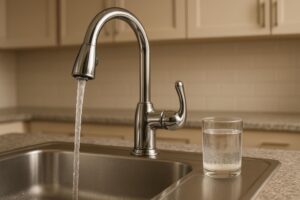
Upgrading to lever-style and touchless faucets can significantly improve home safety, especially for seniors. Traditional round faucet knobs often require twisting motions, which can be difficult for older adults. Lever-style faucets, on the other hand, allow for easy, one-handed operation. In fact, the ADA specifies that faucets should require less than 5 pounds of force to operate and should not involve tight grasping, pinching, or wrist twisting.
Touchless faucets take convenience a step further by removing the need for physical contact. These models use infrared sensors to detect hands and start the water flow automatically, making them ideal for seniors with limited dexterity. Many also include automatic shut-off features to prevent overflows – an especially valuable safety measure for those with cognitive challenges. Additionally, built-in temperature controls, such as under-sink mixing valves or adjustable side levers, help caregivers set safe water temperatures, reducing the risk of scalding.
"Touchless faucets, known for their ease of use, ergonomic design, and sleek aesthetics, are an ideal enhancement for any bathroom." – Mark Snell, Founder and Owner, Polestar Plumbing
These practical designs create a safer, more accessible environment for daily routines.
Ease of Use for Seniors
Lever handles are versatile – they can be operated with a closed fist, palm, or even an elbow. This adaptability simplifies everyday tasks like handwashing or brushing teeth for those with limited grip strength. Touchless faucets offer even greater ease – seniors simply place their hands under the spout, and water flows automatically.
"These touchless faucets are designed to be water-efficient and can save roughly 30% to 50% more water compared to their manual counterparts." – Jason Brady, Owner of Above and Beyond Service Company
Beyond convenience, touchless models help reduce germ transmission and stay cleaner by minimizing fingerprints and soap buildup. For older adults who may need more light to see clearly – especially by age 75 – finishes like brushed nickel or chrome enhance visibility, making these faucets easier to locate and use.
Installation Complexity
Lever-style faucets are relatively easy to install and can often be handled as a DIY project. With basic plumbing skills, you can disconnect old supply lines and secure the new faucet using locknuts. Similarly, battery-powered touchless faucets are DIY-friendly since they don’t require under-sink wiring. However, plug-in models need access to a GFI outlet, which may involve additional setup.
When selecting a touchless faucet, it’s important to choose models with reliable sensors. These straightforward installation options keep upgrade costs manageable while improving safety and usability.
Cost Range (USD)
Touchless faucets come in a range of prices. Budget options, such as Vibrant Bath or Charmingwater models, start at around $80 to $120. Mid-range models typically cost between $120 and $300, while high-end commercial-grade versions, like the Kohler Insight, can exceed $495. Lever-style faucets are generally more affordable and widely available at hardware stores. Plus, the water savings from touchless models – often 30% to 50% compared to manual faucets – can help offset their higher initial cost.
sbb-itb-5fe396b
6. Non-Slip Shower Surfaces and Accessible Drains
Safety and Accessibility Features
Bathroom falls are a serious concern, especially for seniors. That’s why non-slip shower surfaces are a key part of aging-in-place plumbing upgrades. These surfaces provide much-needed traction on wet floors, reducing the risk of slips. When picking slip-resistant flooring, look for tiles with a DCOF (Dynamic Coefficient of Friction) rating of 0.42 or higher for proper grip.
"Water and slick tile are a bad combination. Look for slip-resistant tile or vinyl. The more textured the tile, the less slippery it is." – Consumer Reports
Smaller tiles are especially helpful because the extra grout lines naturally improve traction. Pairing these with curbless drains eliminates tripping hazards. For maximum accessibility, aim for a shower area of at least 5 ft x 5 ft to allow easy movement.
These thoughtful upgrades lay the groundwork for safer and more user-friendly bathrooms.
Ease of Use for Seniors
Curbless showers with accessible drains remove the obstacle of raised thresholds, making bathing significantly safer and easier. Linear drains, in particular, create a smooth, even slope, providing a flat and secure surface. Plus, their removable grates make cleaning hassle-free.
"Anyone at any time can have something happen that prevents them from fully using their bathroom if it’s not designed accessibly. You should do it regardless of your age or athleticism. It’s life-proofing your home." – Jamie Gold, Certified Aging in Place Specialist
These changes promote independence by allowing seniors to bathe without assistance, while also reducing the physical strain on caregivers.
Installation Complexity
When it comes to installation, there are both simple and more complex options. For quick fixes, you can add a $10 rubber suction-cup mat or apply adhesive textured strips to your existing shower floor. Another affordable option is using a non-slip sealer on tile surfaces, which enhances traction without requiring a full replacement.
On the other hand, installing a curbless, walk-in shower is a more involved project. This type of renovation typically requires professional help, including plumbing adjustments, structural modifications, and floor slope adjustments for proper drainage. To ensure the design meets mobility needs, hiring a Certified Aging in Place Specialist (CAPS) is highly recommended. For those in Round Rock, Texas, Round Rock Plumbing (https://roundrockplumbing.co) offers expert services to help plan and execute these upgrades.
Cost Range (USD)
If you’re working on a budget, non-slip rubber mats are an affordable solution, starting at about $10. Anti-slip coatings, which cover roughly 400 square feet and last 3 to 5 years, cost around $85 per gallon. Upgrading to non-slip flooring materials can range from $3 to $14 per square foot. For a full curbless shower installation, the price jumps to between $6,000 and $12,000. While this is a significant investment, these permanent modifications not only reduce fall risks but can also add value to your home by aligning with modern design preferences.
7. Smart Leak Detection and Shutoff Systems
Safety and Accessibility Features
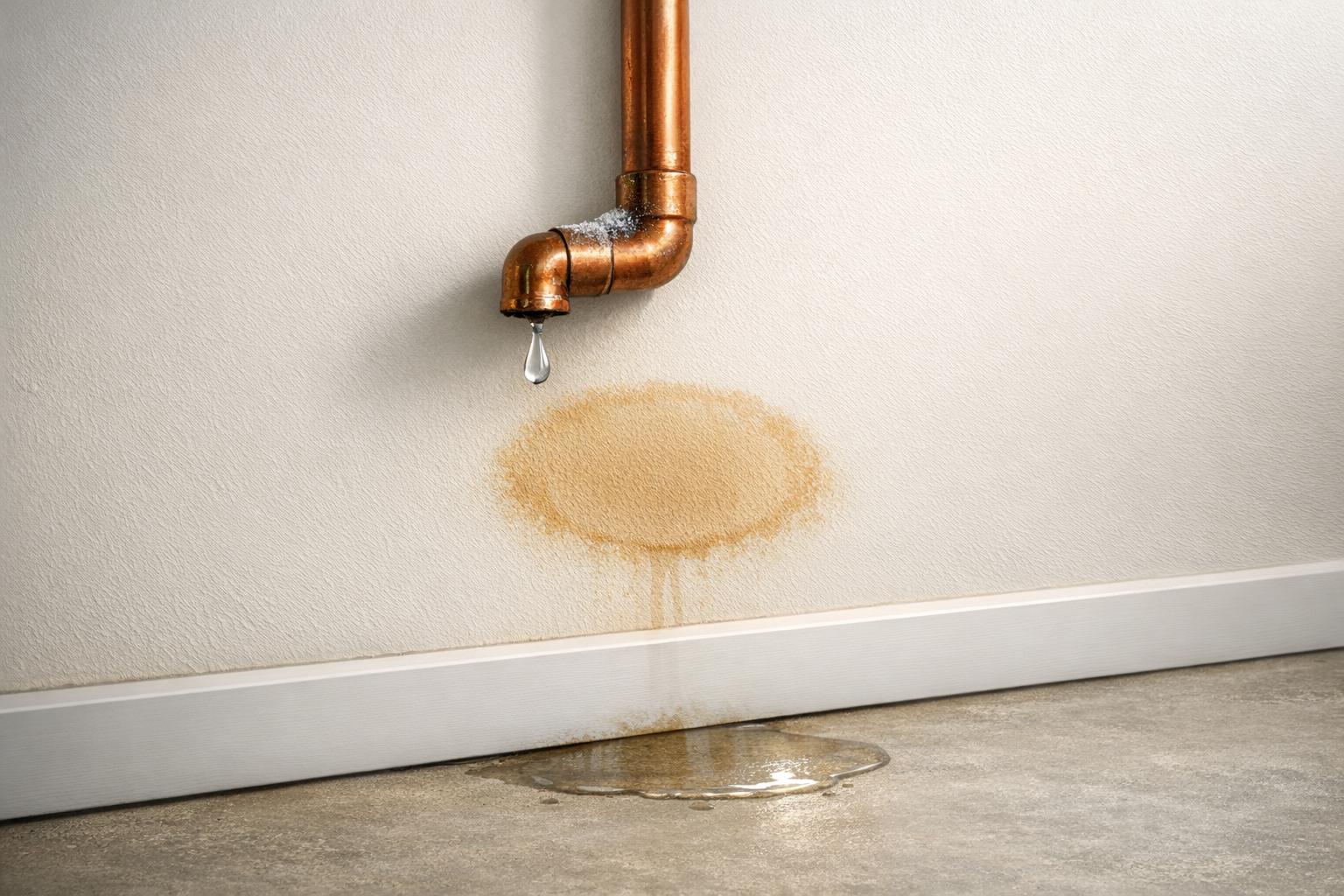
Water damage happens far more often than theft or fire – six times and eight times more often, respectively – making leak protection a top priority, especially for seniors aging in place. Smart leak detection and shutoff systems step in to handle emergencies by automatically closing the main water valve when they detect unusual water flow or moisture. This eliminates the need for seniors to manually operate heavy shutoff valves during a crisis.
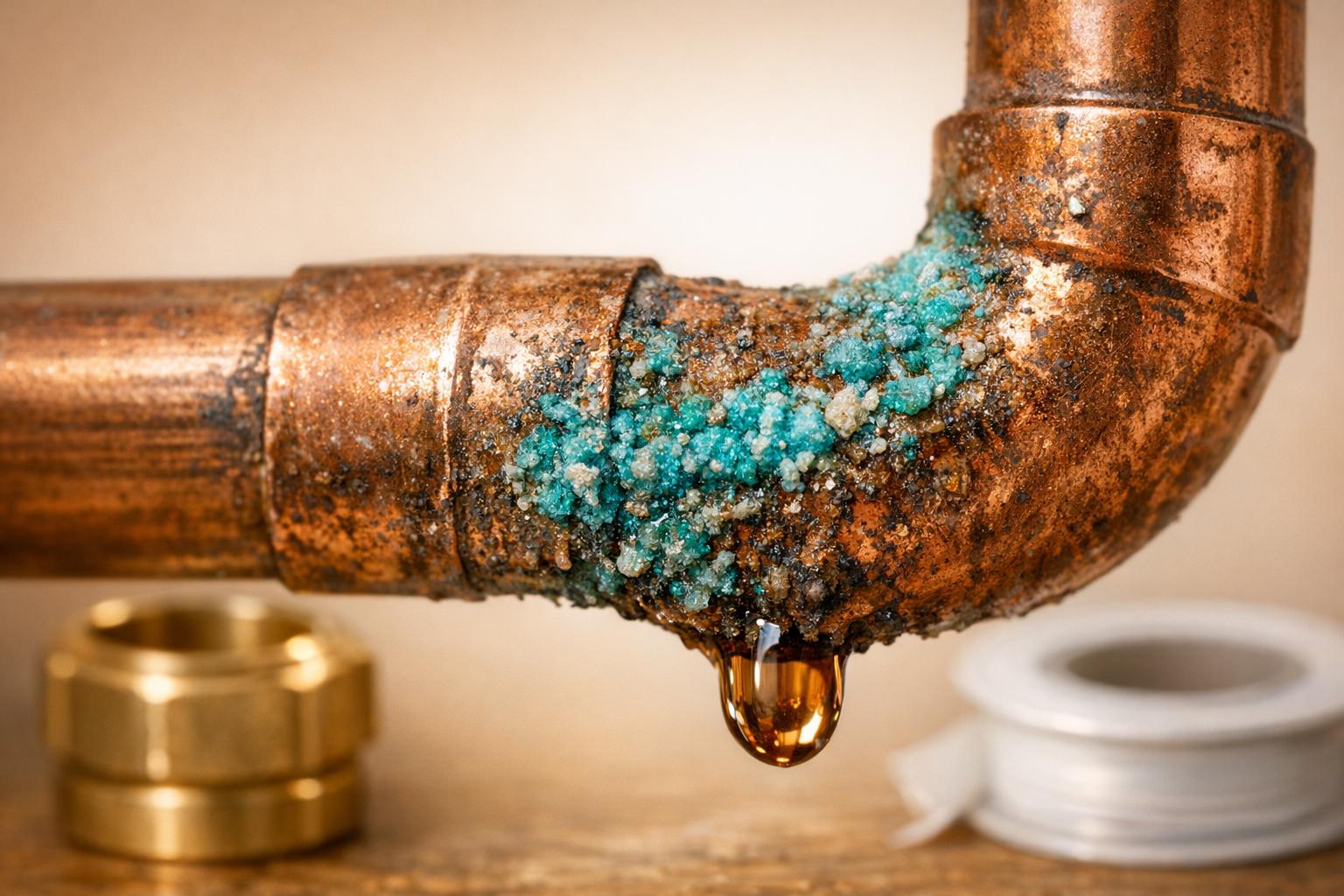
These systems use advanced sensors, including MicroLeak technology, to catch even the smallest leaks – like a single drop per minute – hidden behind walls or under appliances. By identifying these slow drips early, they help prevent mold growth and structural damage. They also monitor pipe temperatures, providing early warnings for freezing or potential bursts. For seniors with limited mobility, these systems often integrate with voice assistants like Amazon Alexa or Google Assistant, allowing them to check the system’s status or shut off water using simple voice commands. This blend of technology and convenience ensures greater plumbing safety with minimal effort.
"If your system detects a leak, your smart water valve will automatically close to prevent flooding – all without you even lifting a finger." – Moen
Ease of Use for Seniors
These systems are designed to be as effortless as possible, offering a true "set-it-and-forget-it" experience. Real-time alerts are sent directly to smartphones, via text messages, emails, or even automated phone calls, so seniors stay informed without needing to actively monitor an app. Interestingly, within 30 days of installation, 60% of homeowners receive alerts about leaks they didn’t even know existed.
Many systems use AI to learn typical household water usage patterns, which helps reduce false alarms over time. Family members or caregivers can also monitor alerts remotely, adding an extra layer of reassurance. Features like "Vacation Mode" are particularly useful, safeguarding against frozen pipes and major leaks when no one is home, without requiring daily attention.
Installation Complexity
Installing these systems often requires professional help, as they are typically integrated into the main water line where it enters the home. A licensed plumber is usually needed for these more complex setups. However, for those looking for a simpler solution, DIY-friendly lever actuators are available. These fit over existing valves without requiring any pipe cutting – just be sure there’s 3–5 inches of clearance around the water pipe for proper operation.
For maximum protection, it’s a good idea to place remote sensors in high-risk areas like under the water heater, washing machine, and kitchen sink. Additionally, systems with battery backups ensure they continue to function during power outages. If you’re unsure about the best setup, companies like Round Rock Plumbing (https://roundrockplumbing.co) offer professional leak detection services and can help design a system tailored to your home.
Cost Range (USD)
The cost of these systems varies widely depending on their complexity. Entry-level DIY kits are priced between $110 and $230, while high-end integrated systems, such as the Moen Flo, range from $330 to $550. Some providers also offer subscription-based options, costing between $19.99 and $29.99 per month for 36 months.
After installation, don’t forget to check with your home insurance provider – many offer discounts for homes equipped with automatic shutoff systems. These smart devices can reduce water damage insurance claims by an impressive 96%. Beyond the financial benefits, these systems provide peace of mind and help create a safer, more manageable living environment for seniors.
Shower Upgrades for Aging in Place | Ask This Old House
Conclusion
From grab bars to smart leak detection systems, every upgrade contributes to creating a safer and more accessible home environment. These improvements not only enhance safety but also maintain comfort, making them practical investments – especially as many Americans aged 50 and older plan to age in place. Bathrooms, where the risk of falls is highest, are a key focus for these upgrades.
To ensure these modifications meet safety standards, it’s essential to work with licensed professionals. Certified Aging-in-Place Specialists (CAPS) from the National Association of Home Builders can evaluate your needs and recommend tailored solutions.
For instance, curbless showers require careful adjustments to the floor slope to prevent water pooling and reduce slip hazards. This level of precision calls for professional expertise. When done correctly, these changes can significantly improve daily safety. Companies like Round Rock Plumbing (https://roundrockplumbing.co) offer expert installation services and can assist in designing systems customized to your home.
Take the time to assess your home’s specific needs and collaborate with a specialist to prioritize modifications that support safety and independence. While the national average for aging-in-place remodels is around $10,000, many upgrades can be completed gradually, making them more manageable over time.
FAQs
What are the benefits of installing a walk-in tub for seniors?
Walk-in tubs are designed to make bathing safer and more accessible for seniors. They feature a low step-in threshold and a watertight door, which helps minimize the risk of slips and falls – an issue often associated with traditional tubs.
Beyond safety, many walk-in tubs come equipped with therapeutic features like hydrotherapy jets. These jets can help ease arthritis symptoms, soothe joint discomfort, and relieve muscle pain. By combining safety with comfort, these tubs support seniors in maintaining greater independence in their daily lives.
What are smart leak detection systems, and how do they help prevent water damage?
Smart leak detection systems rely on advanced sensors to keep an eye on water leaks or irregular flow patterns. What makes them stand out is their ability to send real-time alerts straight to your smartphone or other connected devices, giving you immediate updates if something seems off.
Some models take protection a step further with an automatic shut-off valve. The moment a leak is detected, the system cuts off the water supply, minimizing the risk of expensive damage and repairs. These systems are particularly helpful for anyone looking to safeguard their home, including seniors who value both safety and ease of use.
What should I look for in a non-slip shower surface to make it safe for seniors?
When selecting a non-slip shower surface for a senior-friendly bathroom, slip resistance should be your top priority. Look for materials with a Dynamic Coefficient of Friction (DCOF) rating of at least 0.42 when wet. This level of traction aligns with most safety standards and provides reliable footing.
Pay attention to the material and texture as well. Cushioned vinyl, rubber, or treated ceramic tiles with fine-grit finishes are excellent choices, offering both safety and comfort. Steer clear of surfaces with raised edges, deep grooves, or overly busy patterns, as these can increase the risk of tripping.
Don’t overlook maintenance and durability. Opt for materials that resist water, are easy to clean, and discourage mold growth. If you’re in Round Rock, TX, and need professional help, Round Rock Plumbing can guide you in choosing and installing the perfect non-slip surface for a safe and accessible shower.