Texas winters can be tough on plumbing, especially with sudden freezes that catch many off guard. Burst pipes can lead to costly repairs, water damage, and even insurance headaches if you’re not prepared. The good news? A few simple steps can help you avoid these problems entirely.
Here’s what you need to do:
- Insulate exposed pipes: Use foam sleeves or pipe wraps to protect vulnerable areas like attics, garages, and exterior walls.
- Seal air leaks: Close gaps around doors, windows, and utility entry points to keep cold air out.
- Maintain steady indoor temperatures: Keep your thermostat at least 55°F, even when you’re away, and open cabinet doors to let warm air reach pipes.
- Protect outdoor faucets: Disconnect garden hoses, cover outdoor faucets, and drain irrigation systems.
- Let faucets drip: A slow trickle of water can prevent freezing and relieve pressure in pipes.
- Monitor at-risk areas: Check for frost or reduced water flow in exposed pipes during cold snaps.
- Prepare for emergencies: Know where your main water shut-off valve is and have supplies ready for quick fixes.
Taking these precautions can save you from the stress and expense of burst pipes. Don’t wait until it’s too late – start winter-proofing your home today.
How Do I Prevent My Pipes from Freezing? | 5 Easy Tips
1. Insulate Exposed Pipes with Approved Materials
One of the best ways to protect your pipes during cold weather is by insulating them with approved materials. Products like pipe wraps or foam sleeves are specifically designed to act as a barrier, keeping pipes warmer when temperatures drop unexpectedly in Texas.
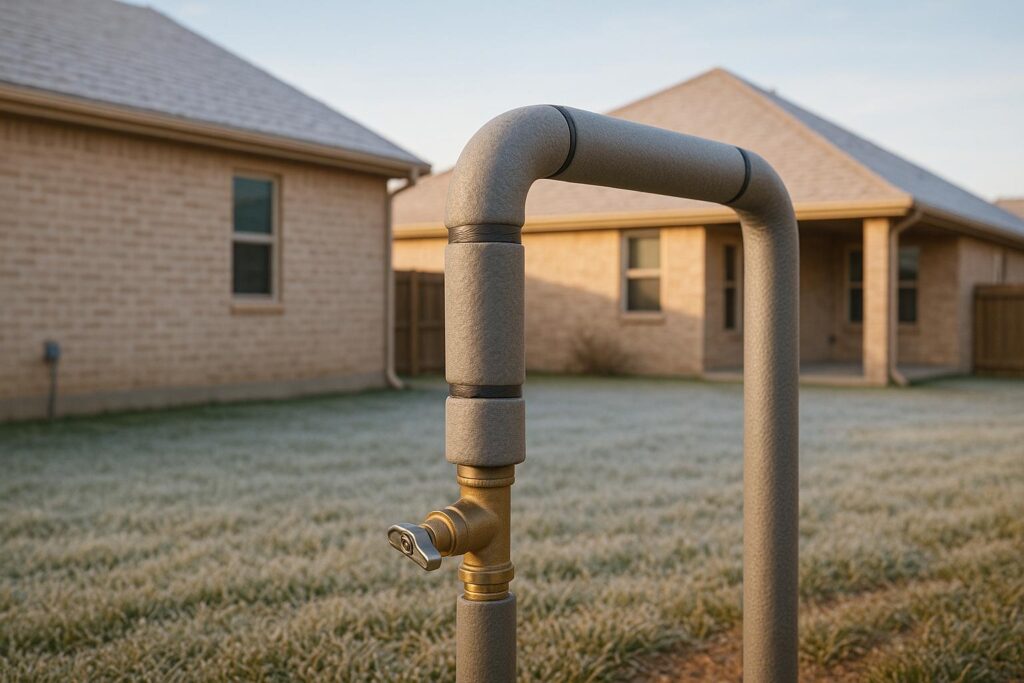
Pay special attention to areas where pipes are most vulnerable, such as attics, unheated garages, crawl spaces, and exterior walls. For outdoor faucets and exposed pipes, use insulated covers or foam insulators made for outdoor use. Don’t forget to disconnect and drain garden hoses before winter hits – this simple step prevents water from backing up into your pipes.
Effectiveness in Preventing Pipe Freezes
"The most effective way to prevent freezing is to add insulation to exposed pipes." – BTAC Inc.
Insulation helps maintain water temperatures inside pipes above the freezing point of 32°F. Even during brief cold snaps, well-insulated pipes are far less likely to freeze and burst. For extra protection in particularly cold areas, you can use heat tape or heating cables to actively warm the pipes during freezing conditions.
Easy for Homeowners to Implement
Installing pipe insulation is a task that many homeowners can handle themselves. Foam sleeves can simply be slid over straight sections of pipe, while pipe wraps can be wound around fittings according to the manufacturer’s instructions.
If you need an immediate fix and don’t have insulation materials on hand, you can temporarily wrap pipes with items like rags or newspapers. While not a permanent solution, these materials can provide short-term protection until proper insulation is available. Taking these steps not only safeguards your pipes but also helps you avoid the financial burden of repairs.
A Cost-Effective Solution
Pipe insulation is affordable and widely available at hardware stores. Spending a small amount on insulation now can save you from the much higher costs of repairing water damage caused by burst pipes. Flooding can ruin walls, ceilings, floors, and furniture – and some homeowners’ insurance policies may not cover the damage if basic preventative measures weren’t taken.
Perfect for Texas Winters
Many homes in Texas lack the insulation levels found in colder climates, making pipe insulation especially important. Materials like foam rubber wraps, fiberglass sleeves, and outdoor faucet covers are ideal for handling Texas’s unpredictable temperature drops. Unlike northern states where cold weather builds gradually, Texas often experiences sudden freezes that catch plumbing systems off guard.
To stay ahead of the cold, install insulation before the first freeze. It’s a simple step that can make all the difference.
2. Seal Air Leaks Around Plumbing
Sealing air leaks is a simple yet effective way to protect your plumbing from freezing temperatures. While insulating pipes is essential, sealing gaps and cracks prevents cold air from sneaking into your home and lowering the temperature around your pipes. Even if your house feels warm, cold air entering through these leaks can put your plumbing at risk of freezing, especially in areas like crawl spaces, basements, and walls.
How to Spot Air Leaks
The first step is to identify where the cold air is getting in. Check common problem areas such as windows, doors, utility entry points, and the spots where your home meets the foundation. Look for cracks, gaps, or any openings that might be letting in drafts. Once you’ve found these leaks, sealing them becomes a crucial step in safeguarding your pipes.
How It Protects Your Pipes
Sealing air leaks creates a barrier that blocks cold air from reaching your plumbing. Even small cracks can let in a surprising amount of freezing air, especially when strong winds push it through. By closing these openings, you help maintain a warmer environment around your pipes, reducing the chance of them freezing.
Easy Fixes for Homeowners
The good news? Most air sealing tasks are DIY-friendly. For small gaps around windows and doors, a tube of caulk does the trick. For larger gaps, like those around utility entry points, spray foam is a great option. During freezing weather, you can also close crawl space vents to limit cold air circulation. Temporary fixes like covering foundation vents with plastic sheeting or plywood can provide extra protection during a cold snap. These steps are quick, easy, and can make a big difference.
Affordable and Practical
Sealing air leaks is not only effective but also budget-friendly. Materials like caulk and spray foam are inexpensive, with caulk costing under $5 per tube and spray foam priced around $10–15. These small investments can save you from the hefty expense of repairing burst pipes while also helping to lower your heating bills.
Why It Matters in Texas
Texas homes often face unique challenges due to their design. Many are built with less insulation and feature crawl spaces or pier-and-beam foundations, which allow cold air to circulate more freely. With the state’s unpredictable weather – where temperatures can drop suddenly – sealing air leaks is especially important to protect your pipes from unexpected freezes. A little preparation can go a long way in keeping your plumbing safe.
3. Keep Indoor Temperature Consistent
Maintaining a steady indoor temperature is one of the simplest ways to prevent pipes from freezing during Texas winters. When temperatures inside your home drop too low, pipes in unheated areas or those along exterior walls can freeze – especially during those sudden, sharp cold spells.
How It Helps Prevent Frozen Pipes
To protect your plumbing, set your thermostat to at least 55°F when you’re away and 68°F while you’re home. This ensures warm air circulates to all parts of your home, including areas where pipes are more exposed. For added protection, open cabinet doors under sinks in kitchens and bathrooms so warm air can reach the plumbing, particularly for pipes along exterior walls or in unheated spaces.
As Brycen Sperlich, owner of Prime Drain Cleaning and Plumbing, advises: "Open cupboards and vanities to allow warm air to reach pipes, especially in kitchens and bathrooms."
These simple adjustments can save you from the headache and expense of burst pipes, making them a practical solution for Texas homeowners.
Easy Steps for Homeowners
Keeping your home’s temperature consistent doesn’t require much effort. Start by leaving interior doors open so warm air can flow freely throughout your living spaces. On sunny winter days, open curtains and blinds to let natural heat in, and close them at night to keep the warmth inside.
Another effective tip is to run ceiling fans in reverse at a low speed. Most ceiling fans have a switch to change the direction of the blades, which helps push warm air downward and distribute it more evenly across the room.
If you’re planning to leave your home before a freeze, turn off the water at the shutoff valve and leave your heat on. This combination provides an extra layer of protection for your pipes while you’re away.
Balancing Costs and Benefits
While keeping your heater running may slightly increase your energy bills, this cost is far less than dealing with the repairs and water damage caused by burst pipes. Setting your thermostat to 55°F when you’re away uses less energy than maintaining 68°F, but it still protects your plumbing system.
In extremely cold conditions, consider using space heaters in unheated areas like garages or basements where pipes are exposed. Just be sure to keep space heaters away from flammable materials and never leave them unattended. This targeted heating approach is a budget-friendly way to safeguard vulnerable areas without overworking your central heating system.
Why It Matters in Texas
Texas winters can bring sudden and unexpected freezes, making these precautions especially important. Many homes in the state lack the insulation common in colder regions, leaving pipes more vulnerable when temperatures drop. Unlike homes in northern states, which are built to withstand prolonged freezing conditions, Texas homes often need extra attention during these rare but severe cold snaps.
4. Protect Outdoor Faucets and Plumbing
Outdoor faucets and plumbing are especially vulnerable during freezing weather. Unlike indoor pipes, which benefit from the warmth of your home’s heating system, outdoor fixtures are fully exposed to the elements. Without proper precautions, these pipes can freeze, crack, or even burst, leading to costly repairs. Here’s how you can protect them and avoid winter headaches.
How to Prevent Outdoor Pipes from Freezing
Outdoor plumbing in Texas is particularly at risk due to the lack of insulation in many homes. Taking a few simple steps can help you avoid expensive damage when temperatures drop.
- Disconnect and drain garden hoses: Before freezing weather sets in, remove any attached hoses from outdoor faucets. Leftover water in the hose can freeze, expand, and damage both the hose and faucet. After disconnecting, turn on the faucet briefly to drain any remaining water in the line.
- Use insulated covers: Cover outdoor faucets with insulated covers to shield them from the cold. If you don’t have a faucet cover handy, you can use temporary materials like rags, newspapers, or bubble wrap to wrap exposed pipes.
- Shut off and drain outdoor valves: If your home has outdoor shut-off valves, turn them off and drain the connected pipes to prevent freezing.
- Winterize sprinkler systems: Drain irrigation supply lines and protect outdoor pumps to avoid damage during a freeze.
- Seal foundation vents: Cover vents around your foundation to block cold air from reaching crawl spaces and exterior walls, which can help protect nearby plumbing.
These preventive steps can save you from the frustration and expense of repairing frozen or burst pipes.
Why It’s Worth the Effort
Winterizing outdoor faucets is a small investment of time and money that can save you from much larger repair bills. Burst pipes can cause significant water damage, and repairs aren’t cheap. By addressing the issue before freezing weather hits, you’re protecting not just your plumbing but also your wallet.
For a long-term fix, consider upgrading to frost-proof outdoor faucets. These faucets are designed to withstand freezing temperatures and are a smart option for areas prone to sudden cold snaps.
Why This Matters in Texas
Texas winters are unpredictable, with occasional freezing temperatures that can catch homeowners off guard. Many homes in the region lack the insulation needed to protect outdoor plumbing, making proactive measures even more important. By taking steps to secure outdoor faucets and pipes, you can ensure your home is ready for whatever winter throws your way.
sbb-itb-5fe396b
5. Let Faucets Drip During Freezing Weather
Letting your faucets drip during freezing weather is a simple yet effective way to protect your pipes. When temperatures plunge below freezing, even a small trickle of water can make a big difference. Why? Because moving water is less likely to freeze than still water, reducing the risk of ice buildup that could lead to pipe bursts.
When water freezes, it expands, putting pressure on pipes that can cause them to crack. By keeping the water flowing, you help prevent ice from forming and relieve pressure that could otherwise lead to a costly disaster.
Easy to Do, No Special Tools Needed
This method is straightforward and doesn’t require any special equipment or professional help. All you need to do is turn on your faucets to create a gentle trickle, focusing on pipes located in vulnerable areas like exterior walls, garages, attics, or crawl spaces. It’s especially important to do this overnight when temperatures are at their lowest. For added protection, try turning on both the hot and cold taps, or set a single-handle faucet to the middle position so that both water lines stay active.
A Cost-Effective Solution
While letting faucets drip may slightly increase your water bill, the cost is minimal compared to the expense of repairing burst pipes. Still, it’s a good idea to check with your local government to ensure there aren’t any water usage restrictions during freezing periods.
Perfect for Texas Winters
This method is particularly practical for Texas homes, where insulation might not be as extensive as in colder regions. Organizations like BTAC Inc., the Texas Department of Insurance, New Braunfels Utilities, and Texas Disposal Systems recommend this strategy as a reliable way to safeguard your pipes during winter.
Next, discover how to monitor your plumbing for signs of vulnerable pipes.
6. Monitor and Address At-Risk Pipes
Once you’ve taken steps to prevent freezing, keeping a close eye on your pipes is key to avoiding bigger problems down the line.
Make it a habit to inspect pipes in vulnerable areas like garages, attics, crawl spaces, and exterior walls. Look for signs of frost or ice buildup, as these are early indicators of trouble.
Pay attention to your faucets as well. A reduced water flow or just a trickle could mean a pipe is starting to freeze. If no water comes out at all, it’s a sign that a pipe has completely frozen and needs immediate attention.
After a freeze, take the time to thoroughly check these areas. This helps ensure no pipes have been damaged, giving you peace of mind that your plumbing is ready to handle the rest of the winter.
7. Prepare for Plumbing Emergencies
Even in Texas, winter plumbing emergencies can happen. Despite your best efforts to prevent issues, unexpected plumbing problems might arise. Being ready can save you both time and money.
First, make sure you know where your main water shut-off valve is located. This valve can stop all water flow to your home and should be the first thing you turn off if a pipe bursts. Practice turning it off ahead of time so you can respond quickly when every second matters.
It’s also a good idea to have some basic emergency supplies on hand in an easy-to-reach spot:
- For thawing frozen pipes: Use a hair dryer, warm towels, an electric heating pad, or a portable space heater.
- For containing water damage: Keep buckets, towels, and a wet/dry vacuum nearby.
- For insurance purposes: Have a camera or smartphone ready to document any damage.
One important safety tip: never use open flames like blowtorches, kerosene heaters, or propane heaters to thaw pipes. These can create serious fire risks.
By preparing in advance, you can handle emergencies more efficiently and reduce repair costs. While these steps won’t stop pipes from freezing, they can minimize the damage when they do.
Benefits of Being Prepared
Investing in a smart water monitor can give you an early warning of unusual pressure changes or leaks before a pipe bursts. These devices can help you act quickly, preventing a minor issue from turning into a major disaster.
Knowing how to shut off your water, having essential supplies on hand, and learning safe thawing methods are simple steps that can make a big difference during a crisis.
Cost-Effectiveness of the Solution
Putting together a basic emergency kit is a small expense compared to the high cost of repairing water damage from burst pipes. This small investment can save you from significant financial headaches.
Suitability for Texas Winters
Texas homeowners face unique challenges when sudden cold snaps hit. These unexpected temperature drops can be tough on plumbing systems. Make sure you have the contact information for a 24-hour emergency plumber readily available. Many plumbing services offer around-the-clock help for burst pipes. When the thermometer plunges, having professional assistance on standby can be critical for restoring water service and preventing further damage.
Comparison Table
Building on the prevention strategies covered earlier, here’s a table that breaks down both emergency and long-term pipe protection options. This guide can help you decide what suits your needs and budget best:
| Solution Type | Materials/Methods | Best For |
|---|---|---|
| Emergency Measures | Dripping faucets, opening cabinet doors, space heaters | Immediate response during freezing temperatures |
| Basic Insulation | Foam rubber sleeves, fiberglass pipe wraps | Exposed pipes in areas like garages or crawl spaces |
| Advanced Insulation | Heat tape or heating cables combined with insulation | Pipes in outdoor or unheated areas prone to repeated freezing |
| Temporary Protection | Rags, newspapers, bubble wrap | Short-term fixes when proper insulation isn’t available |
Emergency measures are essential for quick action during sudden freezes, while basic and advanced insulation provide more reliable, year-round protection. Advanced options, like heat tape, are particularly useful in harsher conditions where freezing is a recurring issue. Temporary solutions, on the other hand, are meant for situations when immediate action is required, but better materials aren’t at hand.
For Texas homeowners, a practical approach is to combine solid insulation for everyday protection with the ability to quickly apply emergency measures during unexpected cold snaps. This is especially relevant given the state’s generally mild winters, which can occasionally be interrupted by severe freezes.
Conclusion
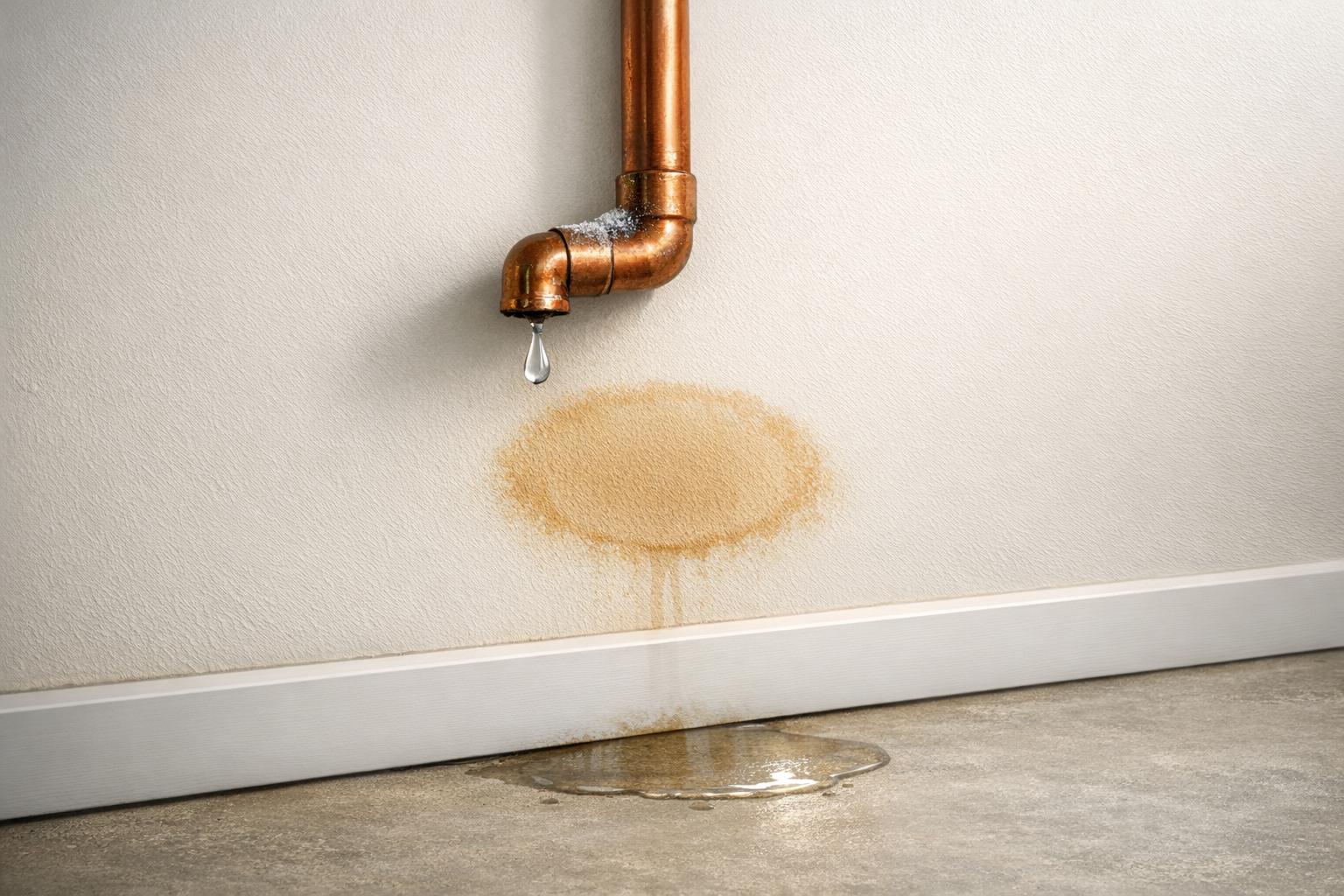
Texas winters can be unpredictable, but getting prepared doesn’t have to be complicated. The seven strategies outlined in this guide – from insulating exposed pipes to keeping an eye on vulnerable areas – can help you avoid the steep costs of burst pipes. Just think back to Winter Storm Uri in February 2021, which caused widespread damage and became the largest insurance claim event in Texas history. During that storm, nearly one-third of Texans experienced water damage in their homes. Taking these preventative measures can go a long way in protecting your home.
As the Insurance Institute for Business and Home Safety points out, “Burst pipes are one of the most common causes of property damage during the winter and can cause thousands of dollars in water damage – easily $5,000 or more”. The problem is especially pronounced in Texas, where many homes lack sufficient insulation, leaving pipes more vulnerable when the temperature drops. Simple actions like wrapping outdoor faucets, sealing drafts, and maintaining a steady indoor temperature can make a big difference.
Here’s why this matters: frozen pipes expand and often burst. And if you haven’t taken reasonable precautions – like keeping your heater on during a freeze – your insurance might not cover the damage. That’s why staying ahead of the game is so important.
If, despite your best efforts, your pipes do freeze or burst, acting quickly is essential. Your preparation throughout the season creates a safety net, but when emergencies happen, you don’t have to face them alone. Round Rock Plumbing offers 24/7 emergency services to handle situations like these. Being proactive is always the best approach, but when things go wrong, professional help is just a call away.
FAQs
How can I tell if my pipes might freeze during a Texas winter?
If you turn on a faucet and only a small stream of water – or none at all – comes out, your pipes might be freezing. This often happens during sudden cold snaps, which are a hallmark of Texas winters.
To help prevent freezing, pay attention to pipes that are exposed or lack insulation, and make sure your home stays at a steady temperature, even in less-used spaces like attics or garages. Quick action can save you from bigger problems, like a burst pipe.
What steps should I take right away if I think a pipe has burst in my home?
If you think a pipe has burst, it’s crucial to act fast to limit the damage. Start by shutting off your home’s main water supply. The shut-off valve is typically located near your water meter or where the main water line enters your house.
After that, if it’s safe, turn off the electricity in the affected area to avoid any electrical risks. Once these steps are done, reach out to a professional plumber right away to inspect and fix the problem. Quick action can make a big difference in preventing further damage to your home.
What are some effective long-term ways to keep outdoor faucets from freezing in Texas winters?
To keep your outdoor faucets from freezing during Texas winters, think about installing frost-proof outdoor spigots. These are specially made to handle freezing temperatures. Another easy step is to use insulated faucet covers, which add an extra layer of protection. For a more permanent fix, you can add pipe insulation to the water lines connected to your outdoor faucets. This is especially helpful during sudden cold snaps. Taking these precautions can help ensure your faucets stay in good shape and work properly, even when the weather gets icy.