Hard Water vs Soft Water: Effects on Your Plumbing

Hard water and soft water impact your plumbing differently, and understanding these effects can save you from costly repairs.

  • Hard water contains minerals like calcium and magnesium, which cause scale buildup in pipes, water heaters, and appliances. This reduces water flow, increases energy usage, and leads to higher maintenance costs.
  • Soft water, while preventing scale, can corrode metal pipes over time, potentially causing leaks and introducing metals like copper into your water.

Key Takeaways:

  • Hard Water Problems: Scale deposits clog pipes, lower water pressure, and damage appliances.
  • Soft Water Concerns: Can corrode copper and metal pipes and increase sodium levels in water.
  • Solutions: Test your water hardness, use water softeners, and perform regular plumbing maintenance to avoid long-term damage.

Here’s how to identify water hardness in your home, protect your plumbing system, and choose the right water treatment for your needs.

Battling the Effects of Hard Water on Your Pipes

Hard Water vs Soft Water: The Basics

Let’s dive deeper into the mineral differences that separate hard water from soft water. These minerals not only influence taste but also play a big role in how efficiently your plumbing operates.

What is Hard Water?

Hard water is created when water absorbs calcium and magnesium from sources like limestone, chalk, or gypsum. Water is classified as "moderately hard" when it contains 3.5–7 grains per gallon (gpg) of these minerals and "hard" when levels exceed 7 gpg. In parts of Texas, hardness levels can soar to 15–20 gpg.

The signs of hard water are hard to miss. White, chalky residue on faucets and showerheads? That’s calcium carbonate buildup. Soap that refuses to lather properly? Blame the minerals. And those pesky spots on dishes and glassware after washing? That’s another hallmark of hard water. The same minerals causing these visible issues are also quietly building up inside your pipes, potentially leading to costly plumbing problems.

What is Soft Water?

Soft water, on the other hand, contains less than 1 gpg of minerals. In most homes in Round Rock, this is achieved through water softening systems, which use ion exchange to replace calcium and magnesium with sodium or potassium ions. This process not only prevents scale buildup but also changes the water’s texture and behavior. Soft water feels slippery to the touch and produces a rich lather when used with soap.

Naturally soft water is rare in Texas due to the region’s limestone and chalk-heavy geology. Instead, most soft water in Round Rock homes comes from installed water softeners. These systems are key to managing the high mineral content that’s typical in the area.

Why Water Hardness Affects Your Home

The minerals in your water have a direct impact on your plumbing. With hard water, the calcium and magnesium don’t stay dissolved when the water heats up or sits still in pipes. Instead, they form solid deposits that cling to pipe walls, appliance components, and fixtures.

These scale deposits can cause serious problems. For example, a 1/8-inch layer of scale inside pipes can reduce water flow by 40%. In water heaters, scale acts like insulation, making the unit work overtime and use more energy to heat water.

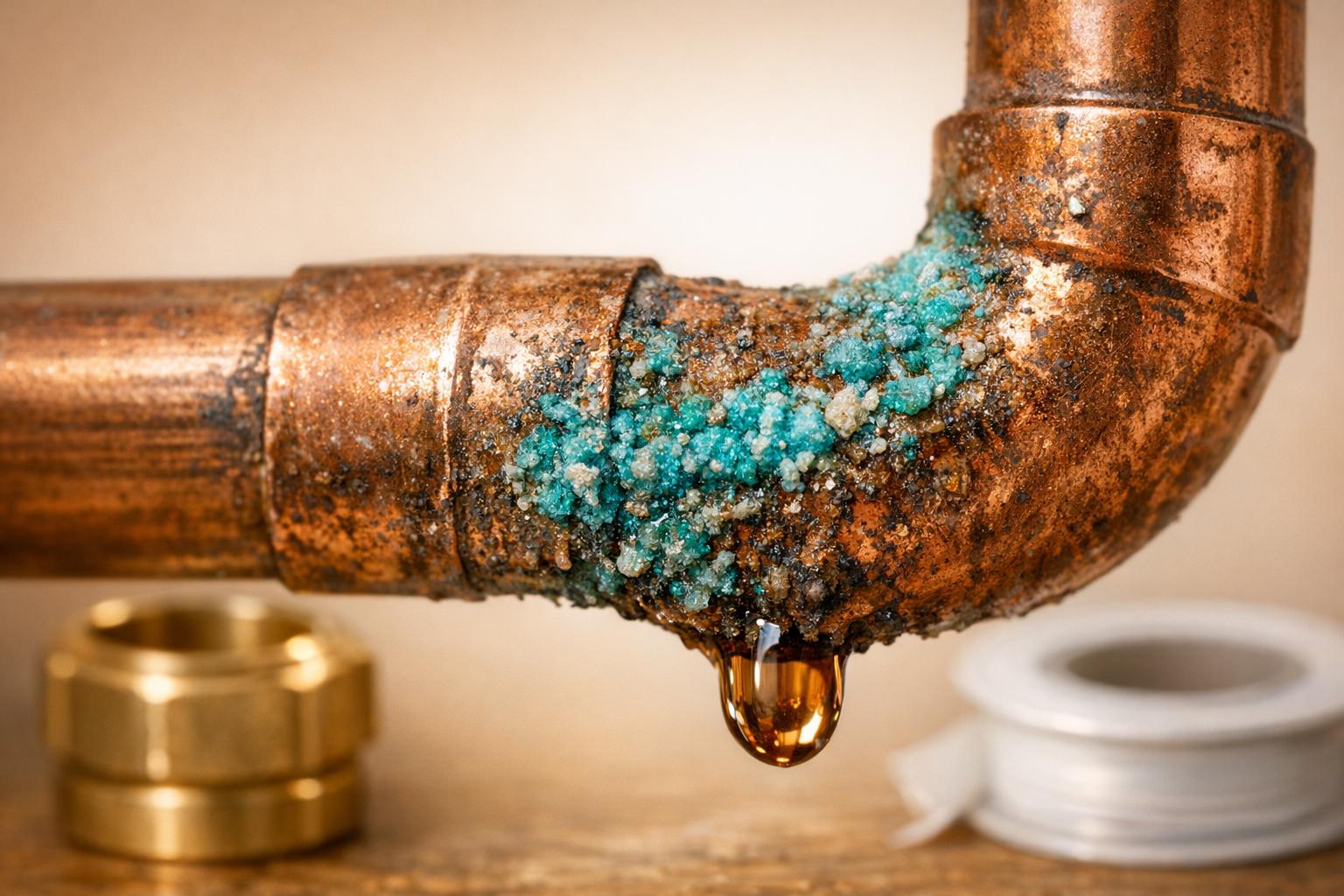
Soft water, while free of scale-causing minerals, brings its own set of challenges. Without those minerals, soft water becomes more chemically aggressive, which can lead to corrosion in metal pipes. Over time, it may even dissolve small amounts of copper from pipes, causing pinhole leaks. The sodium introduced during the softening process can further accelerate corrosion in certain plumbing materials.

The impact of water hardness on your home largely depends on its age and the materials used in its plumbing. Newer homes with PEX piping are generally unaffected by either hard or soft water, but older homes with copper pipes may face different challenges based on the water’s mineral content.

How Hard Water Damages Your Plumbing

The minerals in hard water can wreak havoc on your plumbing system. Calcium and magnesium, which are responsible for water hardness, leave behind deposits that disrupt performance and reduce functionality. Let’s break down how these mineral deposits, also known as scale, can damage your system.

Scale Buildup in Pipes and Appliances

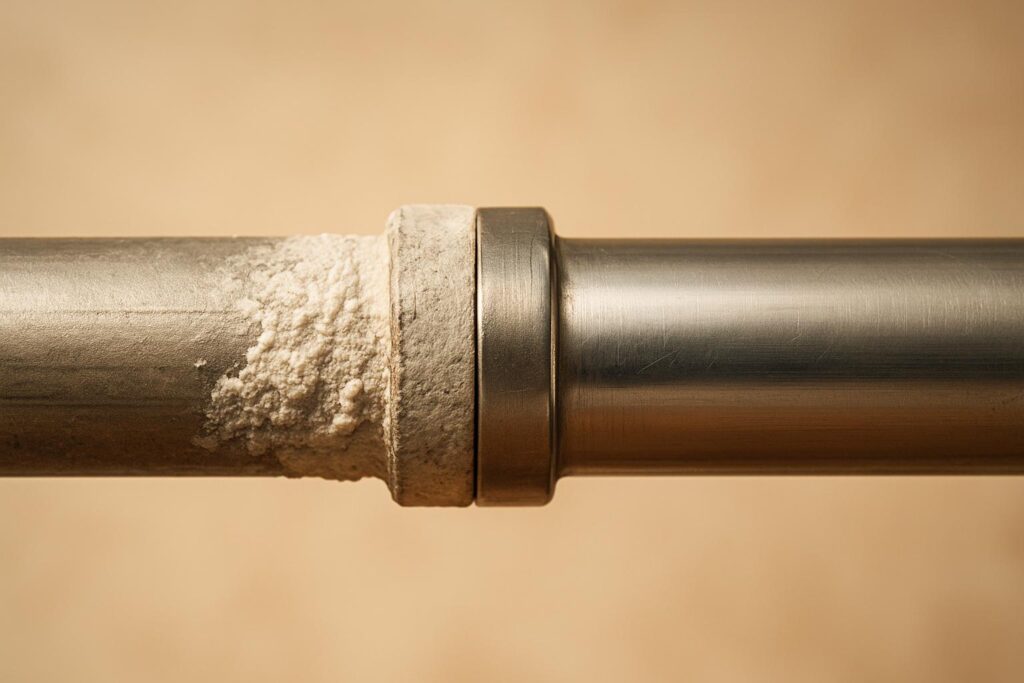
When hard water flows through your pipes, minerals gradually settle on the surfaces, forming white, crusty deposits. While these deposits are unsightly, the bigger issue is how they restrict water flow. Hot water lines are particularly vulnerable because higher temperatures speed up the formation of scale.

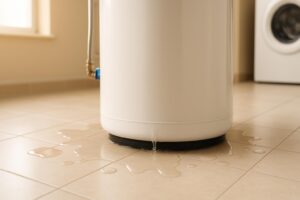
Water heaters are often hit the hardest. Scale builds up on heating elements and tank walls, creating a barrier that reduces heat transfer. This inefficiency drives up energy bills and can cause the heating elements to fail prematurely. Over time, mineral buildup can make your water heater work harder, costing you more in both energy and repairs.

Pipes don’t escape unscathed either. As scale accumulates on their interior walls, the diameter of the pipes effectively shrinks, leading to reduced water pressure. In extreme cases, the buildup can become so severe that it necessitates replacing entire sections of piping. Appliances like dishwashers, washing machines, coffee makers, and ice machines are also at risk. Mineral deposits can clog their internal components, diminishing performance and causing premature wear and tear.

Higher Maintenance and Repair Costs

The damage caused by hard water often translates into higher maintenance and repair bills. Beyond increased energy costs, homeowners with hard water frequently deal with more service calls and equipment replacements.

Faucets and showerheads are particularly prone to clogging due to mineral deposits. This can lead to time-consuming cleanings or the need for replacements sooner than expected. Tasks like drain cleaning and pipe repairs also become more common, as scale buildup contributes to corrosion and weakens pipe joints. These issues not only disrupt water flow but also drive up repair costs over time.

Damage to Fixtures and Surfaces

Hard water doesn’t just harm your plumbing – it also takes a toll on your home’s fixtures and surfaces. Faucets often develop chalky deposits around aerators and handles, which can be tough to clean and may even interfere with their functionality.

Other areas in your home are affected, too. Toilets frequently show stubborn stains in both the bowl and tank. Glass shower doors and bathroom mirrors can accumulate water spots and cloudy films that are difficult to remove. Even kitchen sinks and countertops, whether made of stainless steel, granite, or natural stone, can lose their shine and develop unsightly etching over time. Hard water’s impact extends far beyond what you see – it’s a problem that affects the very functionality of your home.

Soft Water Benefits and Drawbacks

Soft water can make life easier by reducing the mineral deposits that often lead to plumbing headaches. But before deciding on a water softening system, it’s worth considering both the perks and the potential downsides. Let’s take a closer look at how soft water can safeguard your plumbing and the possible concerns it might raise.

How Soft Water Protects Your Plumbing

Soft water plays a significant role in keeping your plumbing in good shape. By preventing the buildup of calcium and magnesium deposits, it helps keep your pipes clear of scale. This means water can flow freely, maintaining proper pressure throughout your home. Appliances like water heaters, dishwashers, and washing machines benefit too, as they can run more efficiently without scale clogging things up. Plus, soft water improves soap lather, making cleaning easier and leaving less residue behind.

Cleaner Fixtures and Less Maintenance

One of the more noticeable benefits of soft water is how it keeps your fixtures looking spotless. Say goodbye to those stubborn white spots and hard water stains on faucets, showerheads, and glass surfaces. This not only keeps your kitchen and bathroom looking polished but also reduces the need for heavy-duty cleaning products and constant upkeep.

Possible Issues with Soft Water

Despite its benefits, soft water does come with a few drawbacks:

  • The ion exchange process used in softening can increase sodium levels in the water. This might be a concern for those on low-sodium diets or managing high blood pressure.
  • Soft water can be more corrosive to certain metal pipes, like copper, brass, and galvanized steel, because it lacks the minerals found in hard water. This could lead to pinhole leaks and even cause harmful metals, such as lead and copper, to leach into your drinking water.
  • The discharge of sodium chloride from water softeners can harm aquatic environments and degrade soil quality.
  • Soft water may also wear down rubber components in plumbing systems and could alter the taste of your water.

While soft water can reduce plumbing issues and cut down on maintenance, it’s essential to balance these benefits with the potential risks. Carefully weighing these factors will help you decide if a water softening system is the right fit for your home.

Water Hardness Solutions for Round Rock, Texas Homes

Hard water can wreak havoc on plumbing systems, so finding practical solutions is a must for homeowners in Round Rock. Tackling the problem starts with testing your water and choosing the right treatment.

Testing Your Water Hardness

Before diving into water treatment options, you’ll need to figure out how hard your water is. Hardness is measured in grains per gallon (gpg) or milligrams per liter (mg/l), and water is classified as hard when it exceeds 3 gpg. Across the U.S., about 85% of homes deal with hard water, and it’s a particularly common issue in Texas.

If you’re in Round Rock, there are several ways to test your water. The easiest method is to check your local water quality report. For instance, residents served by Brushy Creek MUD can find weekly water hardness updates on their website. Annual Water Quality Reports are also available on city and water agency websites.

For a quick at-home test, try this DIY trick: fill a bottle one-third full with tap water, add 10 drops of dish soap, and shake it for about 10 seconds. If you see lots of suds, your water is likely soft. Minimal suds usually point to hard water. For more accuracy, you can purchase hard water test kits online or at home improvement stores. These kits often include test strips or digital tools, and some even let you send a sample to an EPA-certified lab for detailed results.

Water Treatment System Options

Once you’ve confirmed hard water in your home, it’s time to consider a water treatment system. Popular choices include whole-home water softeners, reverse osmosis systems, or whole-house filtration systems.

Traditional water softeners use an ion exchange process to remove calcium and magnesium, which are the main culprits behind hard water. Reverse osmosis systems go a step further, eliminating most minerals and contaminants. When deciding on a system, think about your family’s water usage, budget, and any specific water quality concerns. Pairing your treatment system with regular plumbing maintenance will keep everything running smoothly over time.

Regular Plumbing Maintenance

Even with a water treatment system, routine maintenance is essential to combat any residual mineral buildup and protect your plumbing. Both professional services and simple DIY tasks can help extend the life of your system.

Start by draining your water heater tank twice a year to clear out sediment. While you’re at it, test the pressure relief valve by placing a bucket underneath and lifting the tab to ensure water flows properly.

Faucets and showerheads also need attention. Clean aerators and showerheads monthly using a vinegar solution to remove mineral deposits. For more stubborn buildup, soak removable parts in white vinegar for about eight hours to restore water flow and pressure. Adding mesh filters to faucets can also catch mineral particles before they cause problems.

Annual professional drain cleaning is another smart move. Experts like Round Rock Plumbing can safely remove deeper mineral deposits, preventing blockages or drops in water pressure.

For surface stains on fixtures, a simple paste made from two tablespoons of baking soda and water can do wonders. Apply it to the stained area, buff gently, and rinse clean for a polished finish.

If you notice reduced water pressure, odd noises from your pipes, or other signs of buildup, don’t wait – schedule a professional plumbing inspection. Catching hard water damage early can save you from costly repairs or premature replacement of pipes and appliances.

How to Tell if You Have Hard or Soft Water

Figuring out whether you have hard or soft water can be as simple as paying attention to how water behaves in your home. By observing certain signs, you can get a clearer picture of your water quality and decide on the next steps. Let’s take a closer look at the telltale signs of hard water.

Hard Water Warning Signs

Hard water leaves behind some pretty noticeable clues. One of the biggest giveaways is the white, chalky residue or flaky buildup you’ll spot on faucets, showerheads, and glass surfaces. If your water pressure seems weaker than usual, it could be due to mineral deposits clogging up your fixtures. You might even notice showerhead nozzles getting blocked or water spraying in odd directions because of these deposits.

Here are some other common signs of hard water:

  • Scaly spots on dishes: Even after running them through the dishwasher, you might see spots or residue on your dishes, no matter how good your detergent is.
  • Soap scum buildup: Hard water often leaves stubborn soap scum in sinks and bathtubs that’s tough to clean.
  • Poor soap lathering: Soaps and shampoos don’t lather as well, leaving your skin or hair feeling dry.
  • Faded or dingy laundry: Clothes may come out of the wash looking grayish and worn, and they may wear out faster over time.
  • Higher energy bills or plumbing issues: Hard water can lead to clogs, leaks, or other plumbing problems, which not only stress your appliances but can also increase your energy costs.

Soft Water Indicators

Soft water, on the other hand, provides a much smoother experience. You’ll notice that soap and body wash create a rich lather with minimal effort, meaning you use less product and still get better results. Appliances like dishwashers and washing machines tend to last longer because they don’t have to deal with mineral buildup. Around the house, dishes come out spotless, and fixtures stay cleaner. Laundry feels softer, looks brighter, and colors stay vibrant.

If these benefits are accompanied by operational issues, it’s worth consulting a professional to ensure everything’s working as it should.

When to Call a Plumber

If you’re dealing with heavy scale buildup inside your pipes, reduced water flow, or even backups, it’s time to call a plumber. Hard water can restrict water flow over time, much like plaque in an artery, and this can lead to serious plumbing problems.

"Scale deposits build up inside your pipes, like plaque inside an artery, constricting the flow of water, eventually leading to backups and that require a call to a plumber." – Clean Water Center

Round Rock Plumbing offers a variety of services to address hard water issues. They can perform detailed water testing, inspect your pipes, and suggest customized solutions for your home. Whether you need water heater repairs, new installations, or a sewer camera inspection to assess pipe conditions, they’ve got you covered.

Don’t wait until hard water causes serious damage. Taking action early can save you money and protect your plumbing system from long-term problems.

Protecting Your Round Rock, Texas Plumbing System

Your plumbing system is one of your home’s most important assets, and understanding water hardness can save you from expensive repairs down the road. Hard water, loaded with minerals like calcium and magnesium, can slowly wreak havoc on your pipes, reduce the efficiency of your appliances, and lead to frustrating maintenance costs. On the flip side, soft water helps protect your plumbing and keeps your system running efficiently.

Choosing whether to deal with hard water or invest in a water softener is more than just a matter of convenience – it’s about safeguarding your home. Over time, scale buildup from hard water can restrict water flow, damage water heaters, and even shorten the lifespan of your appliances.

Round Rock Plumbing is here to help tackle water hardness problems. With 24/7 emergency services, advanced diagnostic tools, and customized solutions, they offer services like water heater repair, pipe replacement, and electronic leak detection to keep your system in top shape.

Don’t wait – regular maintenance and professional water testing can help you avoid costly repairs caused by hard water issues.

FAQs

How can I tell if my home has hard water, and what are the common signs?

You can often spot hard water in your home through a few telltale signs. Look for white, chalky residue on faucets and showerheads, soap scum lingering on sinks or bathtubs, and cloudy or streaky spots on glassware and dishes. When doing laundry, clothes might come out feeling stiff or appear faded, and after bathing, your skin may feel dry or irritated.

Other indicators include reduced water pressure, which can happen when mineral deposits clog your pipes, and the need for frequent plumbing fixes due to scale buildup. If these problems sound familiar, it’s worth testing your water to determine its hardness.

What impact does soft water have on older metal plumbing systems over time?

Soft water is great for avoiding scale buildup, but it can have a downside when it comes to older metal pipes, particularly those made from copper or lead. Over time, it can slowly corrode these pipes, potentially causing leaks or even allowing metals to seep into your water supply.

If your home has an aging plumbing system, it’s worth reaching out to a professional. They can evaluate any risks and recommend solutions, such as applying protective coatings to the pipes or considering alternative water treatment methods, to help reduce the chance of corrosion.

Does soft water increase sodium levels, and should I be concerned about its impact on health?

Softened water can lead to a slight increase in sodium levels because of the ion exchange process used in most water softeners. That said, the added sodium is usually minimal and unlikely to cause health issues for the majority of people. To put it into perspective, an 8-ounce glass of softened water typically contains less sodium than what’s found in a single slice of bread.

If you’re following a low-sodium diet or have specific health concerns, it’s a good idea to consult your doctor. You can also explore options like installing a reverse osmosis system or using potassium chloride instead of sodium in your water softener to reduce sodium content even further.


Related Blog Posts

Hard Water vs Soft Water: Effects on Your Plumbing

⚡️ Quick Quote

⚡️ Recent Post

Hard water and soft water impact your plumbing differently, and understanding these effects can save you from costly repairs.

  • Hard water contains minerals like calcium and magnesium, which cause scale buildup in pipes, water heaters, and appliances. This reduces water flow, increases energy usage, and leads to higher maintenance costs.
  • Soft water, while preventing scale, can corrode metal pipes over time, potentially causing leaks and introducing metals like copper into your water.

Key Takeaways:

  • Hard Water Problems: Scale deposits clog pipes, lower water pressure, and damage appliances.
  • Soft Water Concerns: Can corrode copper and metal pipes and increase sodium levels in water.
  • Solutions: Test your water hardness, use water softeners, and perform regular plumbing maintenance to avoid long-term damage.

Here’s how to identify water hardness in your home, protect your plumbing system, and choose the right water treatment for your needs.

Battling the Effects of Hard Water on Your Pipes

Hard Water vs Soft Water: The Basics

Let’s dive deeper into the mineral differences that separate hard water from soft water. These minerals not only influence taste but also play a big role in how efficiently your plumbing operates.

What is Hard Water?

Hard water is created when water absorbs calcium and magnesium from sources like limestone, chalk, or gypsum. Water is classified as "moderately hard" when it contains 3.5–7 grains per gallon (gpg) of these minerals and "hard" when levels exceed 7 gpg. In parts of Texas, hardness levels can soar to 15–20 gpg.

The signs of hard water are hard to miss. White, chalky residue on faucets and showerheads? That’s calcium carbonate buildup. Soap that refuses to lather properly? Blame the minerals. And those pesky spots on dishes and glassware after washing? That’s another hallmark of hard water. The same minerals causing these visible issues are also quietly building up inside your pipes, potentially leading to costly plumbing problems.

What is Soft Water?

Soft water, on the other hand, contains less than 1 gpg of minerals. In most homes in Round Rock, this is achieved through water softening systems, which use ion exchange to replace calcium and magnesium with sodium or potassium ions. This process not only prevents scale buildup but also changes the water’s texture and behavior. Soft water feels slippery to the touch and produces a rich lather when used with soap.

Naturally soft water is rare in Texas due to the region’s limestone and chalk-heavy geology. Instead, most soft water in Round Rock homes comes from installed water softeners. These systems are key to managing the high mineral content that’s typical in the area.

Why Water Hardness Affects Your Home

The minerals in your water have a direct impact on your plumbing. With hard water, the calcium and magnesium don’t stay dissolved when the water heats up or sits still in pipes. Instead, they form solid deposits that cling to pipe walls, appliance components, and fixtures.

These scale deposits can cause serious problems. For example, a 1/8-inch layer of scale inside pipes can reduce water flow by 40%. In water heaters, scale acts like insulation, making the unit work overtime and use more energy to heat water.

Soft water, while free of scale-causing minerals, brings its own set of challenges. Without those minerals, soft water becomes more chemically aggressive, which can lead to corrosion in metal pipes. Over time, it may even dissolve small amounts of copper from pipes, causing pinhole leaks. The sodium introduced during the softening process can further accelerate corrosion in certain plumbing materials.

The impact of water hardness on your home largely depends on its age and the materials used in its plumbing. Newer homes with PEX piping are generally unaffected by either hard or soft water, but older homes with copper pipes may face different challenges based on the water’s mineral content.

How Hard Water Damages Your Plumbing

The minerals in hard water can wreak havoc on your plumbing system. Calcium and magnesium, which are responsible for water hardness, leave behind deposits that disrupt performance and reduce functionality. Let’s break down how these mineral deposits, also known as scale, can damage your system.

Scale Buildup in Pipes and Appliances

When hard water flows through your pipes, minerals gradually settle on the surfaces, forming white, crusty deposits. While these deposits are unsightly, the bigger issue is how they restrict water flow. Hot water lines are particularly vulnerable because higher temperatures speed up the formation of scale.

Water heaters are often hit the hardest. Scale builds up on heating elements and tank walls, creating a barrier that reduces heat transfer. This inefficiency drives up energy bills and can cause the heating elements to fail prematurely. Over time, mineral buildup can make your water heater work harder, costing you more in both energy and repairs.

Pipes don’t escape unscathed either. As scale accumulates on their interior walls, the diameter of the pipes effectively shrinks, leading to reduced water pressure. In extreme cases, the buildup can become so severe that it necessitates replacing entire sections of piping. Appliances like dishwashers, washing machines, coffee makers, and ice machines are also at risk. Mineral deposits can clog their internal components, diminishing performance and causing premature wear and tear.

Higher Maintenance and Repair Costs

The damage caused by hard water often translates into higher maintenance and repair bills. Beyond increased energy costs, homeowners with hard water frequently deal with more service calls and equipment replacements.

Faucets and showerheads are particularly prone to clogging due to mineral deposits. This can lead to time-consuming cleanings or the need for replacements sooner than expected. Tasks like drain cleaning and pipe repairs also become more common, as scale buildup contributes to corrosion and weakens pipe joints. These issues not only disrupt water flow but also drive up repair costs over time.

Damage to Fixtures and Surfaces

Hard water doesn’t just harm your plumbing – it also takes a toll on your home’s fixtures and surfaces. Faucets often develop chalky deposits around aerators and handles, which can be tough to clean and may even interfere with their functionality.

Other areas in your home are affected, too. Toilets frequently show stubborn stains in both the bowl and tank. Glass shower doors and bathroom mirrors can accumulate water spots and cloudy films that are difficult to remove. Even kitchen sinks and countertops, whether made of stainless steel, granite, or natural stone, can lose their shine and develop unsightly etching over time. Hard water’s impact extends far beyond what you see – it’s a problem that affects the very functionality of your home.

Soft Water Benefits and Drawbacks

Soft water can make life easier by reducing the mineral deposits that often lead to plumbing headaches. But before deciding on a water softening system, it’s worth considering both the perks and the potential downsides. Let’s take a closer look at how soft water can safeguard your plumbing and the possible concerns it might raise.

How Soft Water Protects Your Plumbing

Soft water plays a significant role in keeping your plumbing in good shape. By preventing the buildup of calcium and magnesium deposits, it helps keep your pipes clear of scale. This means water can flow freely, maintaining proper pressure throughout your home. Appliances like water heaters, dishwashers, and washing machines benefit too, as they can run more efficiently without scale clogging things up. Plus, soft water improves soap lather, making cleaning easier and leaving less residue behind.

Cleaner Fixtures and Less Maintenance

One of the more noticeable benefits of soft water is how it keeps your fixtures looking spotless. Say goodbye to those stubborn white spots and hard water stains on faucets, showerheads, and glass surfaces. This not only keeps your kitchen and bathroom looking polished but also reduces the need for heavy-duty cleaning products and constant upkeep.

Possible Issues with Soft Water

Despite its benefits, soft water does come with a few drawbacks:

  • The ion exchange process used in softening can increase sodium levels in the water. This might be a concern for those on low-sodium diets or managing high blood pressure.
  • Soft water can be more corrosive to certain metal pipes, like copper, brass, and galvanized steel, because it lacks the minerals found in hard water. This could lead to pinhole leaks and even cause harmful metals, such as lead and copper, to leach into your drinking water.
  • The discharge of sodium chloride from water softeners can harm aquatic environments and degrade soil quality.
  • Soft water may also wear down rubber components in plumbing systems and could alter the taste of your water.

While soft water can reduce plumbing issues and cut down on maintenance, it’s essential to balance these benefits with the potential risks. Carefully weighing these factors will help you decide if a water softening system is the right fit for your home.

Water Hardness Solutions for Round Rock, Texas Homes

Hard water can wreak havoc on plumbing systems, so finding practical solutions is a must for homeowners in Round Rock. Tackling the problem starts with testing your water and choosing the right treatment.

Testing Your Water Hardness

Before diving into water treatment options, you’ll need to figure out how hard your water is. Hardness is measured in grains per gallon (gpg) or milligrams per liter (mg/l), and water is classified as hard when it exceeds 3 gpg. Across the U.S., about 85% of homes deal with hard water, and it’s a particularly common issue in Texas.

If you’re in Round Rock, there are several ways to test your water. The easiest method is to check your local water quality report. For instance, residents served by Brushy Creek MUD can find weekly water hardness updates on their website. Annual Water Quality Reports are also available on city and water agency websites.

For a quick at-home test, try this DIY trick: fill a bottle one-third full with tap water, add 10 drops of dish soap, and shake it for about 10 seconds. If you see lots of suds, your water is likely soft. Minimal suds usually point to hard water. For more accuracy, you can purchase hard water test kits online or at home improvement stores. These kits often include test strips or digital tools, and some even let you send a sample to an EPA-certified lab for detailed results.

Water Treatment System Options

Once you’ve confirmed hard water in your home, it’s time to consider a water treatment system. Popular choices include whole-home water softeners, reverse osmosis systems, or whole-house filtration systems.

Traditional water softeners use an ion exchange process to remove calcium and magnesium, which are the main culprits behind hard water. Reverse osmosis systems go a step further, eliminating most minerals and contaminants. When deciding on a system, think about your family’s water usage, budget, and any specific water quality concerns. Pairing your treatment system with regular plumbing maintenance will keep everything running smoothly over time.

Regular Plumbing Maintenance

Even with a water treatment system, routine maintenance is essential to combat any residual mineral buildup and protect your plumbing. Both professional services and simple DIY tasks can help extend the life of your system.

Start by draining your water heater tank twice a year to clear out sediment. While you’re at it, test the pressure relief valve by placing a bucket underneath and lifting the tab to ensure water flows properly.

Faucets and showerheads also need attention. Clean aerators and showerheads monthly using a vinegar solution to remove mineral deposits. For more stubborn buildup, soak removable parts in white vinegar for about eight hours to restore water flow and pressure. Adding mesh filters to faucets can also catch mineral particles before they cause problems.

Annual professional drain cleaning is another smart move. Experts like Round Rock Plumbing can safely remove deeper mineral deposits, preventing blockages or drops in water pressure.

For surface stains on fixtures, a simple paste made from two tablespoons of baking soda and water can do wonders. Apply it to the stained area, buff gently, and rinse clean for a polished finish.

If you notice reduced water pressure, odd noises from your pipes, or other signs of buildup, don’t wait – schedule a professional plumbing inspection. Catching hard water damage early can save you from costly repairs or premature replacement of pipes and appliances.

How to Tell if You Have Hard or Soft Water

Figuring out whether you have hard or soft water can be as simple as paying attention to how water behaves in your home. By observing certain signs, you can get a clearer picture of your water quality and decide on the next steps. Let’s take a closer look at the telltale signs of hard water.

Hard Water Warning Signs

Hard water leaves behind some pretty noticeable clues. One of the biggest giveaways is the white, chalky residue or flaky buildup you’ll spot on faucets, showerheads, and glass surfaces. If your water pressure seems weaker than usual, it could be due to mineral deposits clogging up your fixtures. You might even notice showerhead nozzles getting blocked or water spraying in odd directions because of these deposits.

Here are some other common signs of hard water:

  • Scaly spots on dishes: Even after running them through the dishwasher, you might see spots or residue on your dishes, no matter how good your detergent is.
  • Soap scum buildup: Hard water often leaves stubborn soap scum in sinks and bathtubs that’s tough to clean.
  • Poor soap lathering: Soaps and shampoos don’t lather as well, leaving your skin or hair feeling dry.
  • Faded or dingy laundry: Clothes may come out of the wash looking grayish and worn, and they may wear out faster over time.
  • Higher energy bills or plumbing issues: Hard water can lead to clogs, leaks, or other plumbing problems, which not only stress your appliances but can also increase your energy costs.

Soft Water Indicators

Soft water, on the other hand, provides a much smoother experience. You’ll notice that soap and body wash create a rich lather with minimal effort, meaning you use less product and still get better results. Appliances like dishwashers and washing machines tend to last longer because they don’t have to deal with mineral buildup. Around the house, dishes come out spotless, and fixtures stay cleaner. Laundry feels softer, looks brighter, and colors stay vibrant.

If these benefits are accompanied by operational issues, it’s worth consulting a professional to ensure everything’s working as it should.

When to Call a Plumber

If you’re dealing with heavy scale buildup inside your pipes, reduced water flow, or even backups, it’s time to call a plumber. Hard water can restrict water flow over time, much like plaque in an artery, and this can lead to serious plumbing problems.

"Scale deposits build up inside your pipes, like plaque inside an artery, constricting the flow of water, eventually leading to backups and that require a call to a plumber." – Clean Water Center

Round Rock Plumbing offers a variety of services to address hard water issues. They can perform detailed water testing, inspect your pipes, and suggest customized solutions for your home. Whether you need water heater repairs, new installations, or a sewer camera inspection to assess pipe conditions, they’ve got you covered.

Don’t wait until hard water causes serious damage. Taking action early can save you money and protect your plumbing system from long-term problems.

Protecting Your Round Rock, Texas Plumbing System

Your plumbing system is one of your home’s most important assets, and understanding water hardness can save you from expensive repairs down the road. Hard water, loaded with minerals like calcium and magnesium, can slowly wreak havoc on your pipes, reduce the efficiency of your appliances, and lead to frustrating maintenance costs. On the flip side, soft water helps protect your plumbing and keeps your system running efficiently.

Choosing whether to deal with hard water or invest in a water softener is more than just a matter of convenience – it’s about safeguarding your home. Over time, scale buildup from hard water can restrict water flow, damage water heaters, and even shorten the lifespan of your appliances.

Round Rock Plumbing is here to help tackle water hardness problems. With 24/7 emergency services, advanced diagnostic tools, and customized solutions, they offer services like water heater repair, pipe replacement, and electronic leak detection to keep your system in top shape.

Don’t wait – regular maintenance and professional water testing can help you avoid costly repairs caused by hard water issues.

FAQs

How can I tell if my home has hard water, and what are the common signs?

You can often spot hard water in your home through a few telltale signs. Look for white, chalky residue on faucets and showerheads, soap scum lingering on sinks or bathtubs, and cloudy or streaky spots on glassware and dishes. When doing laundry, clothes might come out feeling stiff or appear faded, and after bathing, your skin may feel dry or irritated.

Other indicators include reduced water pressure, which can happen when mineral deposits clog your pipes, and the need for frequent plumbing fixes due to scale buildup. If these problems sound familiar, it’s worth testing your water to determine its hardness.

What impact does soft water have on older metal plumbing systems over time?

Soft water is great for avoiding scale buildup, but it can have a downside when it comes to older metal pipes, particularly those made from copper or lead. Over time, it can slowly corrode these pipes, potentially causing leaks or even allowing metals to seep into your water supply.

If your home has an aging plumbing system, it’s worth reaching out to a professional. They can evaluate any risks and recommend solutions, such as applying protective coatings to the pipes or considering alternative water treatment methods, to help reduce the chance of corrosion.

Does soft water increase sodium levels, and should I be concerned about its impact on health?

Softened water can lead to a slight increase in sodium levels because of the ion exchange process used in most water softeners. That said, the added sodium is usually minimal and unlikely to cause health issues for the majority of people. To put it into perspective, an 8-ounce glass of softened water typically contains less sodium than what’s found in a single slice of bread.

If you’re following a low-sodium diet or have specific health concerns, it’s a good idea to consult your doctor. You can also explore options like installing a reverse osmosis system or using potassium chloride instead of sodium in your water softener to reduce sodium content even further.

Related Blog Posts

Round Rock Plumbing

Your Williamson County plumbing team.

Related Posts

You might also like...