How Hard Water Impacts Water Heater Cleaning

Hard water can quietly damage your water heater, leading to higher energy bills, shorter equipment life, and costly repairs. In areas like Round Rock, Texas, where water is rich in calcium and magnesium, these minerals settle inside your heater, forming sediment and scale. Over time, this buildup reduces efficiency, causes strange noises, and even risks tank failure.

Here’s how to prevent these issues:

  • Flush your water heater regularly (every 6–12 months) to remove sediment.
  • Install a water softener to reduce mineral buildup.
  • Watch for warning signs like rumbling noises, discolored water, or fluctuating temperatures.
  • Schedule professional maintenance annually for deep cleaning and inspections.

Taking these steps can extend your water heater’s lifespan and save you money on energy costs.

How To Flush A Hot Water Heater To Remove Sediment

How Hard Water Affects Water Heaters

The minerals in Round Rock’s hard water don’t just disappear – they stick around and gradually wear down your water heater. Understanding how calcium and magnesium cause this damage highlights why regular maintenance is so important.

Sediment Buildup and Scale Formation

When hard water enters your water heater and heats up, the calcium and magnesium in it undergo a chemical change. These minerals become less soluble in hot water, meaning they separate out and form solid particles.

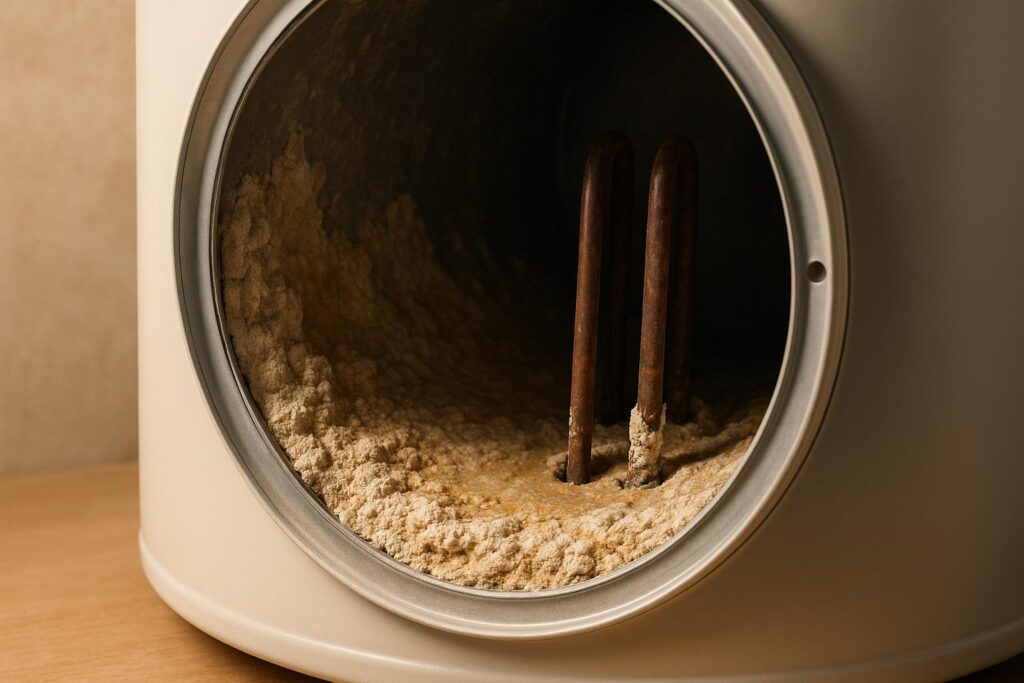
These particles behave differently based on where they end up. Some settle at the bottom of the tank – where the water is hottest – forming a thick layer of sediment over time. If this sediment isn’t flushed out regularly, it hardens into a tough, rock-like layer that often requires professional equipment to remove.

Other particles stick to hot metal surfaces, like electric heating elements, the inside of gas-fired tanks, or the heat-exchanger passages in tankless water heaters. This buildup, known as limescale, shows up as a chalky, off-white or tan crust. You might recognize it from your faucets or showerheads, but inside your water heater, it creates a much bigger problem by coating components and blocking direct contact between water and metal.

In tank water heaters, sediment mostly collects at the bottom, reducing the tank’s capacity and insulating the heating element from the water. In tankless systems, the issue is more about narrow heat-exchanger passages, where deposits restrict water flow and heat transfer. Left unchecked, these clogs can trigger error codes or even shut the system down. Both types of heaters suffer reduced efficiency and increased wear when sediment and scale take over.

Impact on Efficiency and Equipment Lifespan

Once sediment builds up, it starts affecting your water heater’s performance and lifespan. The sediment layer acts as a barrier, making it harder for heat to transfer from the burner or heating element to the water. As a result, your water heater has to work harder and run longer to reach the desired temperature, which drives up energy costs. In fact, studies show that even a thin 1/16-inch layer of scale can increase energy use by over 10%.

This inefficiency becomes noticeable in everyday use. You might find that hot water takes longer to reach your faucets, your showers don’t stay hot as long, or you run out of hot water faster because the sediment takes up space that would otherwise hold heated water.

The scale on heating elements or other surfaces also creates localized hot spots – areas where heat gets trapped because the scale blocks normal heat dissipation. These hot spots can damage electric heating elements and weaken the steel in gas-fired tanks, stressing components like thermostats, temperature sensors, and burner assemblies. Over time, this strain leads to premature failures.

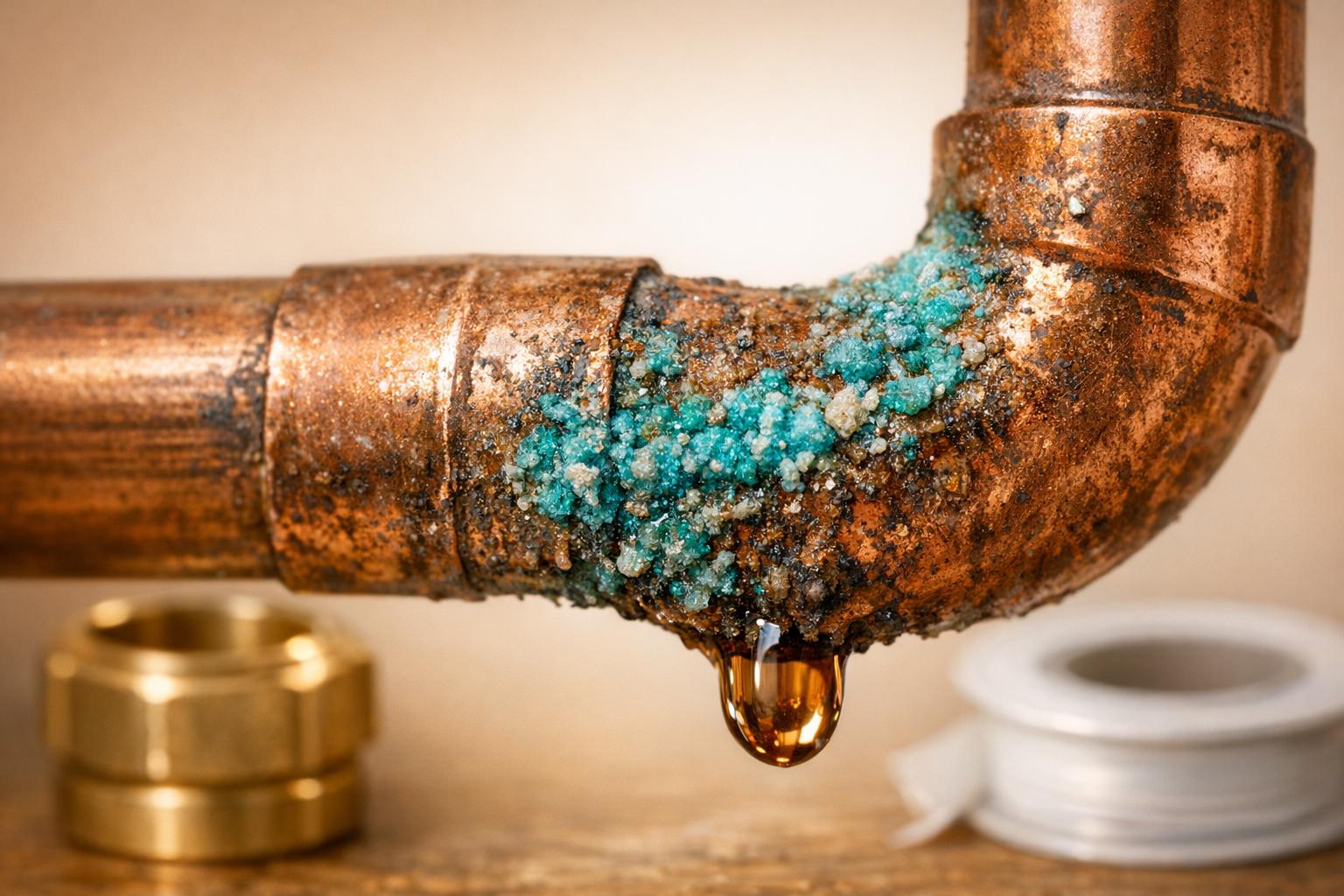
Mineral buildup also promotes internal corrosion by trapping moisture against metal surfaces and exposing damaged tank linings. Combined with overheating and stress, this corrosion can significantly shorten your water heater’s lifespan. While most residential tank water heaters last 8 to 12 years under normal conditions, untreated hard water and neglected maintenance can drastically reduce that timeframe. In severe cases, sediment buildup can cause overheating, increase internal pressure, and even lead to leaks or tank ruptures. If safety devices fail, the consequences could be catastrophic.

If your water heater makes rumbling, popping, or hissing sounds during heating cycles, that’s sediment at work. These noises come from water trapped under the sediment layer turning into steam and escaping as bubbles. Corrosion caused by sediment and scale can also release rust particles into your hot water, which may show up as discolored water at your faucets or in your appliances.

"Hard water can cause limescale buildup in pipes and water heaters, reducing efficiency and causing clogs." – Round Rock Plumbing

For homeowners in Round Rock, where the water is naturally rich in minerals, these problems aren’t just possibilities – they’re almost guaranteed without proper upkeep. Regular flushing and descaling can minimize sediment buildup, maintain efficiency, and extend your water heater’s lifespan. By keeping up with maintenance, you’ll save money on energy bills and avoid the premature costs of replacing your system. Taking these steps ensures your water heater runs smoothly for as long as possible.

Signs Your Water Heater Needs Cleaning

Catching sediment buildup early can save you from expensive repairs and keep your water heater running smoothly. If you’re a Round Rock homeowner dealing with hard water, there are several signs that mineral deposits might be causing trouble.

Common Warning Signs

Unusual noises are one of the first signs to watch for. If your water heater starts making loud popping or rumbling sounds, it’s likely caused by steam escaping from water trapped under mineral deposits. While a healthy heater might emit a soft hum, these louder noises often point to hard water deposits.

Running out of hot water too quickly can also indicate a problem. Sediment buildup takes up valuable space in your water heater tank, reducing the amount of hot water available. For example, in a 40- to 50-gallon tank, sediment can occupy several inches of space, leaving less room for heated water. This might mean shorter showers or not having enough hot water for both bathing and running appliances like your dishwasher. Additionally, the sediment acts as insulation around the burner or heating element, forcing the heater to work overtime to maintain the desired temperature.

Fluctuating water temperatures are another red flag. If your shower alternates between scalding hot and lukewarm water, or if it never gets as hot as it used to, mineral deposits could be interfering with the heater’s controls, thermostats, or even the burner flame.

Higher energy bills might also point to sediment issues. When deposits coat the tank’s bottom or the heating element, they act like a barrier, preventing efficient heat transfer. This forces your water heater to stay on longer to reach the set temperature, driving up your utility costs.

Discolored or gritty hot water is a clear sign of sediment buildup. If your hot water appears brown, yellow, or rusty – while your cold water remains clear – it’s likely that sediment and corrosion are being stirred up inside the tank. You might even notice small gritty particles in your sink or bathtub.

White, chalky scale on faucets and showerheads is a visible indicator of hard water in your home. If you’re seeing this buildup on your fixtures, there’s a strong chance the same minerals are accumulating inside your water heater, where they’re harder to spot.

Symptom Everyday Signs Sediment Impact
Rumbling or popping noises Loud sounds during heating Steam escapes through trapped water under sediment
Reduced hot water volume Showers turn lukewarm faster Sediment takes up space and insulates the heat source
Fluctuating water temperature Alternating hot and lukewarm water Deposits disrupt thermostats and heating patterns
Higher utility bills Rising costs without increased usage Heater works harder due to sediment insulation
Cloudy, rusty, or gritty water Discolored water from hot taps Sediment stirred up inside the tank
Scale on fixtures White crust on faucets and showerheads Hard water deposits throughout the home

Recognizing these symptoms is the first step. To confirm sediment as the culprit, a few simple tests can help.

How to Tell if Sediment is the Problem

If you’ve noticed these warning signs, here’s how to check if sediment buildup is to blame. Keep in mind, not every water heater issue is caused by sediment – sometimes, it’s a failed thermostat or a burned-out heating element. The key is looking for patterns that suggest mineral deposits.

Compare hot and cold water performance. If your cold water runs fine but your hot water struggles, it’s often a sign of sediment buildup. A completely failed heating element or gas valve typically results in no hot water at all, rather than a gradual decline.

Think about your maintenance history and any gradual changes. If your water heater hasn’t been flushed in years and you’ve noticed increasing noise, shorter hot water availability, or higher energy bills over time, sediment is likely the problem. Regular flushing can prevent these issues, whereas a sudden loss of hot water without prior symptoms often points to a mechanical failure.

Try a simple drain test. Open the water heater’s drain valve briefly and collect the water in a bucket. If the water is cloudy, sandy, or contains visible mineral flakes, sediment buildup is the issue. Clear water from the drain usually means the problem lies elsewhere.

Consider local water conditions. Round Rock’s hard water, rich in calcium and magnesium, makes sediment buildup a common issue. In just a few years, mineral deposits can cause noticeable problems like rumbling noises, reduced hot water supply, and higher utility bills – especially if the heater hasn’t been flushed regularly.

If you’re dealing with persistent noise, discolored water, or rising energy costs, professional cleaning can bring your water heater back to peak performance. Round Rock Plumbing can drain and descale your tank, check the anode rod and burner, and help you decide if installing a water softener or scheduling more frequent maintenance is the best solution for your home.

Cleaning and Maintenance Solutions for Hard Water

Once you’ve pinpointed sediment buildup in your water heater, it’s time to deal with it. Homeowners in Round Rock typically have two choices: handle a basic flush on their own or hire a professional for a more thorough cleaning and inspection. The decision depends on how comfortable you are with DIY tasks, the extent of the buildup, and the age of your water heater.

DIY Water Heater Cleaning Steps

If your water heater is relatively new and you’re comfortable tackling minor home maintenance, flushing the tank yourself can help clear out loose sediment. Keep in mind, the water needs to cool before you begin.

Start with safety measures. Turn off the power supply, close the cold-water valve, and give the water time to cool. For electric heaters, switch off the breaker. For gas models, turn the control knob to "off" or "pilot." Then, shut off the cold-water supply valve on top of the tank to stop fresh water from entering while you drain.

Secure a garden hose to the drain valve. Place the other end of the hose in a safe spot where the hot, sediment-filled water can drain – like a floor drain, sump pump, or an outdoor area. Make sure the connection is tight to avoid leaks.

Drain and flush the tank. Open a hot-water faucet in your home, such as a bathtub faucet, to relieve pressure. Then, open the drain valve and let the water flow out. At first, the water will likely be cloudy or discolored. Once the tank is nearly empty, briefly open the cold-water supply valve to stir up any leftover sediment at the bottom. Repeat these short bursts of flushing until the water runs clear and free of grit.

Refill and restore power. Close the drain valve, remove the hose, and reopen the cold-water supply valve. Leave a hot-water faucet open to allow trapped air to escape. Once the water flows steadily without sputtering, turn the faucet off and restore power or gas to the heater. You should have hot water again within an hour.

How often should you flush? In areas like Round Rock, where hard water is common, plumbing experts recommend flushing your tank every six months. If your water heater is older or you live in an area with extremely hard water, you may need to flush it more often.

Know when to stop. While DIY flushing works well for routine care on newer tanks, it has its limits. If the drain valve is stuck or heavily corroded, forcing it open could cause damage. Similarly, if you still hear rumbling noises or the water remains cloudy after flushing, it’s likely that hardened mineral deposits have formed. In these cases, professional maintenance is the way to go.

Professional Cleaning and Maintenance Services

If routine flushing no longer clears up the water or your heater is showing consistent problems, it’s time to call in a professional. While DIY flushing can handle light sediment, professionals can address deeper, more stubborn buildup.

Deep cleaning and descaling. Over time, mineral deposits can harden on the bottom of the tank, heating elements, and internal surfaces. Plumbers use specialized pumps and descaling solutions to dissolve these tough deposits, improving heat transfer and efficiency. This service is especially beneficial for older heaters or units that haven’t been maintained in years.

Anode rod inspection and replacement. The anode rod plays a key role in preventing corrosion by attracting minerals and corrosive elements, effectively protecting the tank. In hard-water areas, the rod can wear out faster, leaving the tank vulnerable to rust. Checking and replacing the anode rod is a job best left to professionals and can significantly extend the life of your water heater.

Safety and efficiency checks. During a professional visit, plumbers inspect critical components like the temperature and pressure relief valve, burner assemblies on gas units, and the gas and venting systems. They can also spot early signs of tank failure, such as rust or small leaks, that might not be obvious to the average homeowner.

Scheduled maintenance programs. Companies like Round Rock Plumbing offer maintenance plans tailored to your water usage and the area’s hard-water conditions. Regular services, such as tank flushing, anode rod replacement, and descaling, can prevent costly emergency repairs and extend the life of your water heater. With proper care, a water heater can last 10 to 15 years, but heavy sediment buildup can shorten that lifespan significantly.

When to call a professional. If you hear persistent rumbling or banging noises even after flushing, notice rusty or discolored water, spot leaks, or realize your heater has never been professionally inspected, it’s time to bring in an expert. Professional service is especially important for older units or when DIY efforts don’t resolve the issue.

Preventing Hard Water Damage to Water Heaters

Hard water can wreak havoc on water heaters, but you can avoid costly repairs and inefficiencies by tackling mineral buildup early. Sediment from hard water is a common culprit behind reduced efficiency and a shorter lifespan for water heaters. Homeowners in Round Rock who take preventive measures can save money, extend their water heater’s life, and maintain energy efficiency.

Water Softeners and Filtration Systems

A water softener is a powerful tool for preventing scale buildup in water heaters. By swapping out calcium and magnesium ions (the minerals responsible for water hardness) with sodium or potassium, softeners help protect the tank bottom, heating elements, and other internal surfaces.

How water softeners help. When hard water passes through a softener before entering your water heater, scale buildup is drastically reduced. This means heating elements can transfer heat more efficiently, the tank avoids damaging hot spots, and the unit operates more reliably for years. Without a softener, water heaters in hard-water areas can lose 30–50% of their efficiency over time due to scale accumulation on heating elements and tank walls.

Installation and sizing tips. Water softeners typically cost $500 to $1,500, including installation. Choosing the right system for your household’s water usage and Round Rock’s hardness levels is essential. A plumbing expert can test your water, estimate daily consumption, and recommend a system that regenerates at the appropriate intervals.

"Hard water can cause limescale buildup in pipes and water heaters, reducing efficiency and causing clogs. Our team offers expert solutions, including water softener installations, to minimize mineral deposits and keep your plumbing system running smoothly." – Round Rock Plumbing

Ongoing maintenance. To keep a water softener effective, regular upkeep is required. Most systems regenerate every few days to flush minerals from the resin bed, and the salt reservoir needs refilling every 4–8 weeks, depending on usage. Whole-house water softeners are highly rated (4.5–4.8 out of 5) on major home improvement sites, with users praising the benefits of softer water, cleaner fixtures, and reduced energy bills.

Adding sediment filters. If your water contains visible particles like grit, sand, or rust – common with well water or older municipal systems – a sediment filter can capture debris before it reaches your water heater. These filters cost $50 to $150 for the unit and $100 to $200 for installation. Users often rate them between 4.3 and 4.7 out of 5, appreciating the clearer water and fewer clogs.

Combining systems for better protection. Homes with high mineral content benefit from using both a pre-filter and a water softener. This combination prevents coarse sediment from settling on the tank floor and reduces hard mineral scale on internal surfaces. Pairing these systems with regular maintenance ensures your water heater performs optimally for years.

Feature Water Softener Sediment Filter
Purpose Removes calcium and magnesium (hardness minerals) Removes sand, dirt, and particulate matter
Best for Hard water areas (like Round Rock) Gritty or well water with visible particles
Prevents Scale on heating elements and tank walls Coarse sediment from settling in the tank
Typical cost (unit + install) $650–$1,800 $150–$350
Maintenance frequency Regeneration every few days; salt refill every 4–8 weeks Cartridge change every 3–6 months

Even with a water softener installed, your water heater still needs regular care. A consistent maintenance routine tailored to local water conditions can extend your water heater’s lifespan from the standard 8–10 years to as long as 10–15 years.

Key maintenance tasks:

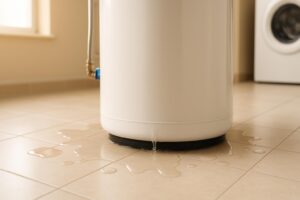
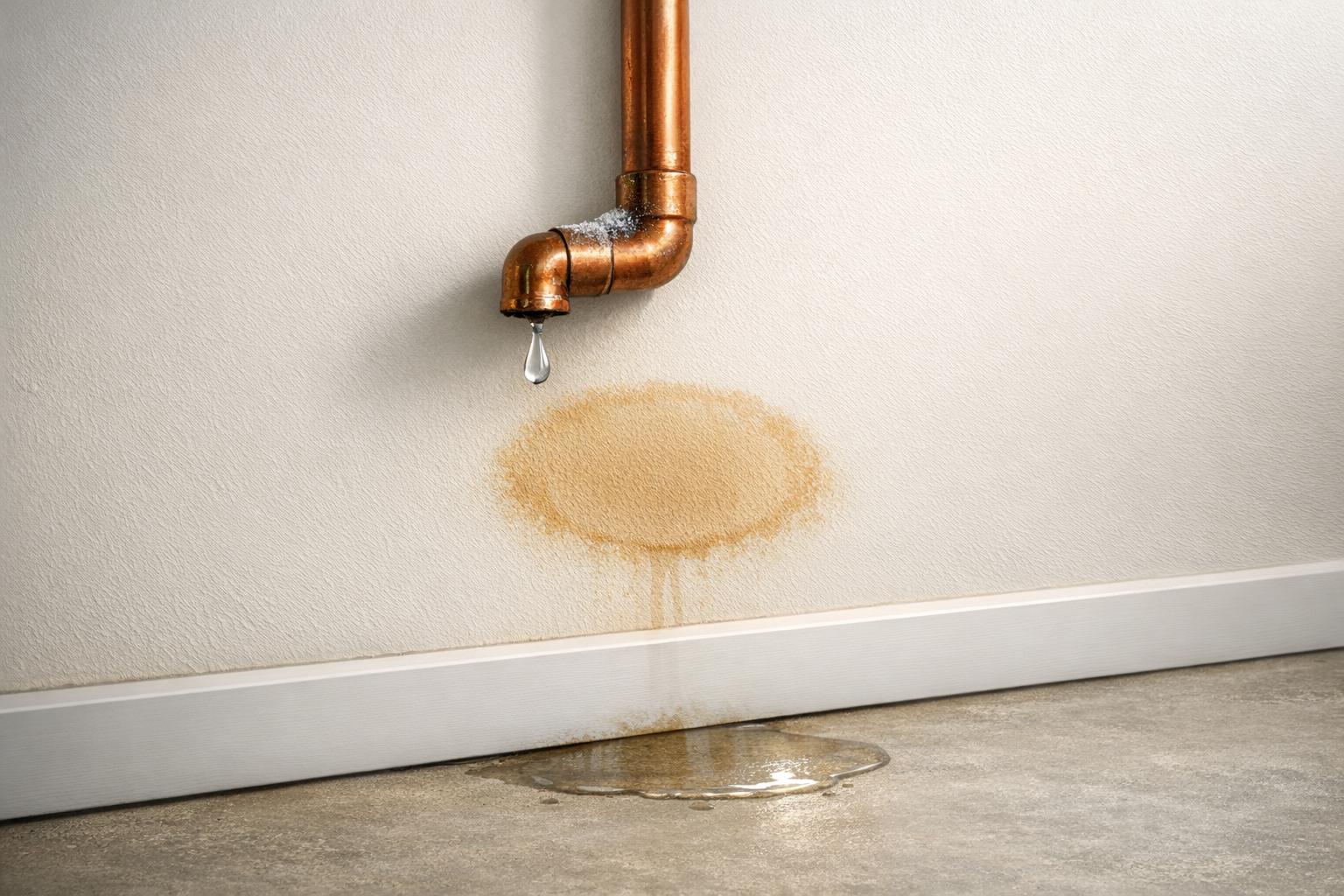
  • Monthly checks: Look for leaks, rust stains, or pooling water. Pay attention to unusual noises like rumbling or popping and keep the temperature setting between 120°F and 140°F to avoid accelerating scale formation.
  • Annual flushing: Flush your water heater once a year to remove sediment before it hardens. This simple step can extend the heater’s life and cut energy use by 5–10%.
  • Professional inspections: Schedule a professional inspection annually. Technicians can drain and flush the tank, inspect and replace the anode rod, check heating elements, verify thermostat and safety valve operations, and catch early signs of corrosion or leaks. These visits generally cost $100 to $200.
  • Anode rod replacement: This component attracts corrosive elements, protecting the tank. Regular inspections will help determine when it needs replacing.

Signs of hard water damage. Stay alert for early warning signs, such as white, chalky deposits on faucets or showerheads, fluctuating water temperatures, longer hot water recovery times, unusual noises from the heater, or small spikes in utility bills. If you notice these, flush the tank, schedule a professional inspection, and consider upgrading or adding softening and filtration systems.

Comprehensive plumbing strategy. Protecting your home’s plumbing requires a multi-faceted approach: regular water testing, properly sized softening and filtration systems, consistent water heater maintenance, and periodic inspections of fixtures and appliances. Partnering with a professional service like Round Rock Plumbing can help you create a tailored plan to address your household’s needs and local water conditions. This proactive approach, combined with filtration solutions, ensures long-term protection against hard water damage.

Conclusion

Dealing with hard water in Round Rock can take a toll on your water heater, leading to higher energy bills and a shorter lifespan. The mineral deposits and sediment that build up inside the tank and on heating elements force the system to work harder and run longer just to produce the usual amount of hot water. Over time, this buildup not only accelerates corrosion but also increases the chances of leaks, cutting down the typical 10–15 year lifespan of a water heater.

The good news? You don’t have to wait until your water heater breaks down. Simple maintenance, like annual flushing and checking the anode rod, can prevent the formation of rock-hard scale and slow down corrosion. Pairing these steps with tools like water softeners or sediment filters helps keep your heater running efficiently and reduces energy costs. Taking a proactive approach can help stabilize your monthly bills and delay the expense of replacing your unit before its time.

Be on the lookout for warning signs such as rumbling noises, discolored water, or a noticeable drop in hot water supply. These are clear indicators that sediment and scale are already impacting your heater’s performance – and ignoring them will only make things worse. If you spot any of these issues, or if your water heater is older and hasn’t been professionally serviced, it’s a good idea to schedule an inspection with a licensed plumber who’s familiar with local water conditions.

FAQs

What are the signs that hard water is affecting my water heater, and how can I identify them?

Hard water can lead to sediment buildup inside your water heater, resulting in several telltale issues. You might notice a decrease in hot water availability, inconsistent water temperatures, or even strange noises like popping or rumbling coming from the tank. Another red flag is a spike in your energy bills, as the heater has to work overtime to perform effectively.

To avoid serious damage, it’s a good idea to schedule routine maintenance and cleaning for your water heater – especially if you live in areas like Round Rock, Texas, where hard water is a common concern. If any of these problems sound familiar, contacting a professional plumber for an inspection and thorough cleaning can help keep your water heater running smoothly.

How does a water softener protect my water heater and improve its performance?

Installing a water softener can do wonders for the lifespan of your water heater by tackling one of its biggest enemies: sediment buildup from hard water. Hard water is packed with minerals like calcium and magnesium, which tend to settle in your water heater tank over time. This sediment not only makes your heater work harder, but it also cuts down its efficiency, drives up energy consumption, and can lead to expensive repairs or even early replacement.

A water softener steps in by removing these minerals before they get into your plumbing system. This means your water heater can run more efficiently and won’t need constant cleaning to stay in good shape. The result? Reliable hot water, lower energy bills, and far fewer maintenance hassles.

When should I hire a professional for water heater maintenance instead of doing it myself?

If your water heater is acting up – like giving you inconsistent water temperatures, making strange noises, or showing visible sediment buildup – it might be time to call in a professional. These experts have the right tools and knowledge to tackle tricky issues, such as flushing out stubborn sediment or pinpointing hidden leaks, which can be tough to handle on your own.

For those living in areas with hard water, like Round Rock, Texas, professional maintenance is even more important. Hard water can lead to mineral buildup that damages your water heater over time. Regular check-ups from a reliable local service can help protect your system, keep it running longer, and spare you from expensive repairs later. Plus, they’ll make sure everything is handled safely and efficiently, saving you both time and headaches.

Related Blog Posts

How Hard Water Impacts Water Heater Cleaning

⚡️ Quick Quote

⚡️ Recent Post

Hard water can quietly damage your water heater, leading to higher energy bills, shorter equipment life, and costly repairs. In areas like Round Rock, Texas, where water is rich in calcium and magnesium, these minerals settle inside your heater, forming sediment and scale. Over time, this buildup reduces efficiency, causes strange noises, and even risks tank failure.

Here’s how to prevent these issues:

  • Flush your water heater regularly (every 6–12 months) to remove sediment.
  • Install a water softener to reduce mineral buildup.
  • Watch for warning signs like rumbling noises, discolored water, or fluctuating temperatures.
  • Schedule professional maintenance annually for deep cleaning and inspections.

Taking these steps can extend your water heater’s lifespan and save you money on energy costs.

How To Flush A Hot Water Heater To Remove Sediment

How Hard Water Affects Water Heaters

The minerals in Round Rock’s hard water don’t just disappear – they stick around and gradually wear down your water heater. Understanding how calcium and magnesium cause this damage highlights why regular maintenance is so important.

Sediment Buildup and Scale Formation

When hard water enters your water heater and heats up, the calcium and magnesium in it undergo a chemical change. These minerals become less soluble in hot water, meaning they separate out and form solid particles.

These particles behave differently based on where they end up. Some settle at the bottom of the tank – where the water is hottest – forming a thick layer of sediment over time. If this sediment isn’t flushed out regularly, it hardens into a tough, rock-like layer that often requires professional equipment to remove.

Other particles stick to hot metal surfaces, like electric heating elements, the inside of gas-fired tanks, or the heat-exchanger passages in tankless water heaters. This buildup, known as limescale, shows up as a chalky, off-white or tan crust. You might recognize it from your faucets or showerheads, but inside your water heater, it creates a much bigger problem by coating components and blocking direct contact between water and metal.

In tank water heaters, sediment mostly collects at the bottom, reducing the tank’s capacity and insulating the heating element from the water. In tankless systems, the issue is more about narrow heat-exchanger passages, where deposits restrict water flow and heat transfer. Left unchecked, these clogs can trigger error codes or even shut the system down. Both types of heaters suffer reduced efficiency and increased wear when sediment and scale take over.

Impact on Efficiency and Equipment Lifespan

Once sediment builds up, it starts affecting your water heater’s performance and lifespan. The sediment layer acts as a barrier, making it harder for heat to transfer from the burner or heating element to the water. As a result, your water heater has to work harder and run longer to reach the desired temperature, which drives up energy costs. In fact, studies show that even a thin 1/16-inch layer of scale can increase energy use by over 10%.

This inefficiency becomes noticeable in everyday use. You might find that hot water takes longer to reach your faucets, your showers don’t stay hot as long, or you run out of hot water faster because the sediment takes up space that would otherwise hold heated water.

The scale on heating elements or other surfaces also creates localized hot spots – areas where heat gets trapped because the scale blocks normal heat dissipation. These hot spots can damage electric heating elements and weaken the steel in gas-fired tanks, stressing components like thermostats, temperature sensors, and burner assemblies. Over time, this strain leads to premature failures.

Mineral buildup also promotes internal corrosion by trapping moisture against metal surfaces and exposing damaged tank linings. Combined with overheating and stress, this corrosion can significantly shorten your water heater’s lifespan. While most residential tank water heaters last 8 to 12 years under normal conditions, untreated hard water and neglected maintenance can drastically reduce that timeframe. In severe cases, sediment buildup can cause overheating, increase internal pressure, and even lead to leaks or tank ruptures. If safety devices fail, the consequences could be catastrophic.

If your water heater makes rumbling, popping, or hissing sounds during heating cycles, that’s sediment at work. These noises come from water trapped under the sediment layer turning into steam and escaping as bubbles. Corrosion caused by sediment and scale can also release rust particles into your hot water, which may show up as discolored water at your faucets or in your appliances.

"Hard water can cause limescale buildup in pipes and water heaters, reducing efficiency and causing clogs." – Round Rock Plumbing

For homeowners in Round Rock, where the water is naturally rich in minerals, these problems aren’t just possibilities – they’re almost guaranteed without proper upkeep. Regular flushing and descaling can minimize sediment buildup, maintain efficiency, and extend your water heater’s lifespan. By keeping up with maintenance, you’ll save money on energy bills and avoid the premature costs of replacing your system. Taking these steps ensures your water heater runs smoothly for as long as possible.

Signs Your Water Heater Needs Cleaning

Catching sediment buildup early can save you from expensive repairs and keep your water heater running smoothly. If you’re a Round Rock homeowner dealing with hard water, there are several signs that mineral deposits might be causing trouble.

Common Warning Signs

Unusual noises are one of the first signs to watch for. If your water heater starts making loud popping or rumbling sounds, it’s likely caused by steam escaping from water trapped under mineral deposits. While a healthy heater might emit a soft hum, these louder noises often point to hard water deposits.

Running out of hot water too quickly can also indicate a problem. Sediment buildup takes up valuable space in your water heater tank, reducing the amount of hot water available. For example, in a 40- to 50-gallon tank, sediment can occupy several inches of space, leaving less room for heated water. This might mean shorter showers or not having enough hot water for both bathing and running appliances like your dishwasher. Additionally, the sediment acts as insulation around the burner or heating element, forcing the heater to work overtime to maintain the desired temperature.

Fluctuating water temperatures are another red flag. If your shower alternates between scalding hot and lukewarm water, or if it never gets as hot as it used to, mineral deposits could be interfering with the heater’s controls, thermostats, or even the burner flame.

Higher energy bills might also point to sediment issues. When deposits coat the tank’s bottom or the heating element, they act like a barrier, preventing efficient heat transfer. This forces your water heater to stay on longer to reach the set temperature, driving up your utility costs.

Discolored or gritty hot water is a clear sign of sediment buildup. If your hot water appears brown, yellow, or rusty – while your cold water remains clear – it’s likely that sediment and corrosion are being stirred up inside the tank. You might even notice small gritty particles in your sink or bathtub.

White, chalky scale on faucets and showerheads is a visible indicator of hard water in your home. If you’re seeing this buildup on your fixtures, there’s a strong chance the same minerals are accumulating inside your water heater, where they’re harder to spot.

Symptom Everyday Signs Sediment Impact
Rumbling or popping noises Loud sounds during heating Steam escapes through trapped water under sediment
Reduced hot water volume Showers turn lukewarm faster Sediment takes up space and insulates the heat source
Fluctuating water temperature Alternating hot and lukewarm water Deposits disrupt thermostats and heating patterns
Higher utility bills Rising costs without increased usage Heater works harder due to sediment insulation
Cloudy, rusty, or gritty water Discolored water from hot taps Sediment stirred up inside the tank
Scale on fixtures White crust on faucets and showerheads Hard water deposits throughout the home

Recognizing these symptoms is the first step. To confirm sediment as the culprit, a few simple tests can help.

How to Tell if Sediment is the Problem

If you’ve noticed these warning signs, here’s how to check if sediment buildup is to blame. Keep in mind, not every water heater issue is caused by sediment – sometimes, it’s a failed thermostat or a burned-out heating element. The key is looking for patterns that suggest mineral deposits.

Compare hot and cold water performance. If your cold water runs fine but your hot water struggles, it’s often a sign of sediment buildup. A completely failed heating element or gas valve typically results in no hot water at all, rather than a gradual decline.

Think about your maintenance history and any gradual changes. If your water heater hasn’t been flushed in years and you’ve noticed increasing noise, shorter hot water availability, or higher energy bills over time, sediment is likely the problem. Regular flushing can prevent these issues, whereas a sudden loss of hot water without prior symptoms often points to a mechanical failure.

Try a simple drain test. Open the water heater’s drain valve briefly and collect the water in a bucket. If the water is cloudy, sandy, or contains visible mineral flakes, sediment buildup is the issue. Clear water from the drain usually means the problem lies elsewhere.

Consider local water conditions. Round Rock’s hard water, rich in calcium and magnesium, makes sediment buildup a common issue. In just a few years, mineral deposits can cause noticeable problems like rumbling noises, reduced hot water supply, and higher utility bills – especially if the heater hasn’t been flushed regularly.

If you’re dealing with persistent noise, discolored water, or rising energy costs, professional cleaning can bring your water heater back to peak performance. Round Rock Plumbing can drain and descale your tank, check the anode rod and burner, and help you decide if installing a water softener or scheduling more frequent maintenance is the best solution for your home.

Cleaning and Maintenance Solutions for Hard Water

Once you’ve pinpointed sediment buildup in your water heater, it’s time to deal with it. Homeowners in Round Rock typically have two choices: handle a basic flush on their own or hire a professional for a more thorough cleaning and inspection. The decision depends on how comfortable you are with DIY tasks, the extent of the buildup, and the age of your water heater.

DIY Water Heater Cleaning Steps

If your water heater is relatively new and you’re comfortable tackling minor home maintenance, flushing the tank yourself can help clear out loose sediment. Keep in mind, the water needs to cool before you begin.

Start with safety measures. Turn off the power supply, close the cold-water valve, and give the water time to cool. For electric heaters, switch off the breaker. For gas models, turn the control knob to "off" or "pilot." Then, shut off the cold-water supply valve on top of the tank to stop fresh water from entering while you drain.

Secure a garden hose to the drain valve. Place the other end of the hose in a safe spot where the hot, sediment-filled water can drain – like a floor drain, sump pump, or an outdoor area. Make sure the connection is tight to avoid leaks.

Drain and flush the tank. Open a hot-water faucet in your home, such as a bathtub faucet, to relieve pressure. Then, open the drain valve and let the water flow out. At first, the water will likely be cloudy or discolored. Once the tank is nearly empty, briefly open the cold-water supply valve to stir up any leftover sediment at the bottom. Repeat these short bursts of flushing until the water runs clear and free of grit.

Refill and restore power. Close the drain valve, remove the hose, and reopen the cold-water supply valve. Leave a hot-water faucet open to allow trapped air to escape. Once the water flows steadily without sputtering, turn the faucet off and restore power or gas to the heater. You should have hot water again within an hour.

How often should you flush? In areas like Round Rock, where hard water is common, plumbing experts recommend flushing your tank every six months. If your water heater is older or you live in an area with extremely hard water, you may need to flush it more often.

Know when to stop. While DIY flushing works well for routine care on newer tanks, it has its limits. If the drain valve is stuck or heavily corroded, forcing it open could cause damage. Similarly, if you still hear rumbling noises or the water remains cloudy after flushing, it’s likely that hardened mineral deposits have formed. In these cases, professional maintenance is the way to go.

Professional Cleaning and Maintenance Services

If routine flushing no longer clears up the water or your heater is showing consistent problems, it’s time to call in a professional. While DIY flushing can handle light sediment, professionals can address deeper, more stubborn buildup.

Deep cleaning and descaling. Over time, mineral deposits can harden on the bottom of the tank, heating elements, and internal surfaces. Plumbers use specialized pumps and descaling solutions to dissolve these tough deposits, improving heat transfer and efficiency. This service is especially beneficial for older heaters or units that haven’t been maintained in years.

Anode rod inspection and replacement. The anode rod plays a key role in preventing corrosion by attracting minerals and corrosive elements, effectively protecting the tank. In hard-water areas, the rod can wear out faster, leaving the tank vulnerable to rust. Checking and replacing the anode rod is a job best left to professionals and can significantly extend the life of your water heater.

Safety and efficiency checks. During a professional visit, plumbers inspect critical components like the temperature and pressure relief valve, burner assemblies on gas units, and the gas and venting systems. They can also spot early signs of tank failure, such as rust or small leaks, that might not be obvious to the average homeowner.

Scheduled maintenance programs. Companies like Round Rock Plumbing offer maintenance plans tailored to your water usage and the area’s hard-water conditions. Regular services, such as tank flushing, anode rod replacement, and descaling, can prevent costly emergency repairs and extend the life of your water heater. With proper care, a water heater can last 10 to 15 years, but heavy sediment buildup can shorten that lifespan significantly.

When to call a professional. If you hear persistent rumbling or banging noises even after flushing, notice rusty or discolored water, spot leaks, or realize your heater has never been professionally inspected, it’s time to bring in an expert. Professional service is especially important for older units or when DIY efforts don’t resolve the issue.

Preventing Hard Water Damage to Water Heaters

Hard water can wreak havoc on water heaters, but you can avoid costly repairs and inefficiencies by tackling mineral buildup early. Sediment from hard water is a common culprit behind reduced efficiency and a shorter lifespan for water heaters. Homeowners in Round Rock who take preventive measures can save money, extend their water heater’s life, and maintain energy efficiency.

Water Softeners and Filtration Systems

A water softener is a powerful tool for preventing scale buildup in water heaters. By swapping out calcium and magnesium ions (the minerals responsible for water hardness) with sodium or potassium, softeners help protect the tank bottom, heating elements, and other internal surfaces.

How water softeners help. When hard water passes through a softener before entering your water heater, scale buildup is drastically reduced. This means heating elements can transfer heat more efficiently, the tank avoids damaging hot spots, and the unit operates more reliably for years. Without a softener, water heaters in hard-water areas can lose 30–50% of their efficiency over time due to scale accumulation on heating elements and tank walls.

Installation and sizing tips. Water softeners typically cost $500 to $1,500, including installation. Choosing the right system for your household’s water usage and Round Rock’s hardness levels is essential. A plumbing expert can test your water, estimate daily consumption, and recommend a system that regenerates at the appropriate intervals.

"Hard water can cause limescale buildup in pipes and water heaters, reducing efficiency and causing clogs. Our team offers expert solutions, including water softener installations, to minimize mineral deposits and keep your plumbing system running smoothly." – Round Rock Plumbing

Ongoing maintenance. To keep a water softener effective, regular upkeep is required. Most systems regenerate every few days to flush minerals from the resin bed, and the salt reservoir needs refilling every 4–8 weeks, depending on usage. Whole-house water softeners are highly rated (4.5–4.8 out of 5) on major home improvement sites, with users praising the benefits of softer water, cleaner fixtures, and reduced energy bills.

Adding sediment filters. If your water contains visible particles like grit, sand, or rust – common with well water or older municipal systems – a sediment filter can capture debris before it reaches your water heater. These filters cost $50 to $150 for the unit and $100 to $200 for installation. Users often rate them between 4.3 and 4.7 out of 5, appreciating the clearer water and fewer clogs.

Combining systems for better protection. Homes with high mineral content benefit from using both a pre-filter and a water softener. This combination prevents coarse sediment from settling on the tank floor and reduces hard mineral scale on internal surfaces. Pairing these systems with regular maintenance ensures your water heater performs optimally for years.

Feature Water Softener Sediment Filter
Purpose Removes calcium and magnesium (hardness minerals) Removes sand, dirt, and particulate matter
Best for Hard water areas (like Round Rock) Gritty or well water with visible particles
Prevents Scale on heating elements and tank walls Coarse sediment from settling in the tank
Typical cost (unit + install) $650–$1,800 $150–$350
Maintenance frequency Regeneration every few days; salt refill every 4–8 weeks Cartridge change every 3–6 months

Even with a water softener installed, your water heater still needs regular care. A consistent maintenance routine tailored to local water conditions can extend your water heater’s lifespan from the standard 8–10 years to as long as 10–15 years.

Key maintenance tasks:

  • Monthly checks: Look for leaks, rust stains, or pooling water. Pay attention to unusual noises like rumbling or popping and keep the temperature setting between 120°F and 140°F to avoid accelerating scale formation.
  • Annual flushing: Flush your water heater once a year to remove sediment before it hardens. This simple step can extend the heater’s life and cut energy use by 5–10%.
  • Professional inspections: Schedule a professional inspection annually. Technicians can drain and flush the tank, inspect and replace the anode rod, check heating elements, verify thermostat and safety valve operations, and catch early signs of corrosion or leaks. These visits generally cost $100 to $200.
  • Anode rod replacement: This component attracts corrosive elements, protecting the tank. Regular inspections will help determine when it needs replacing.

Signs of hard water damage. Stay alert for early warning signs, such as white, chalky deposits on faucets or showerheads, fluctuating water temperatures, longer hot water recovery times, unusual noises from the heater, or small spikes in utility bills. If you notice these, flush the tank, schedule a professional inspection, and consider upgrading or adding softening and filtration systems.

Comprehensive plumbing strategy. Protecting your home’s plumbing requires a multi-faceted approach: regular water testing, properly sized softening and filtration systems, consistent water heater maintenance, and periodic inspections of fixtures and appliances. Partnering with a professional service like Round Rock Plumbing can help you create a tailored plan to address your household’s needs and local water conditions. This proactive approach, combined with filtration solutions, ensures long-term protection against hard water damage.

Conclusion

Dealing with hard water in Round Rock can take a toll on your water heater, leading to higher energy bills and a shorter lifespan. The mineral deposits and sediment that build up inside the tank and on heating elements force the system to work harder and run longer just to produce the usual amount of hot water. Over time, this buildup not only accelerates corrosion but also increases the chances of leaks, cutting down the typical 10–15 year lifespan of a water heater.

The good news? You don’t have to wait until your water heater breaks down. Simple maintenance, like annual flushing and checking the anode rod, can prevent the formation of rock-hard scale and slow down corrosion. Pairing these steps with tools like water softeners or sediment filters helps keep your heater running efficiently and reduces energy costs. Taking a proactive approach can help stabilize your monthly bills and delay the expense of replacing your unit before its time.

Be on the lookout for warning signs such as rumbling noises, discolored water, or a noticeable drop in hot water supply. These are clear indicators that sediment and scale are already impacting your heater’s performance – and ignoring them will only make things worse. If you spot any of these issues, or if your water heater is older and hasn’t been professionally serviced, it’s a good idea to schedule an inspection with a licensed plumber who’s familiar with local water conditions.

FAQs

What are the signs that hard water is affecting my water heater, and how can I identify them?

Hard water can lead to sediment buildup inside your water heater, resulting in several telltale issues. You might notice a decrease in hot water availability, inconsistent water temperatures, or even strange noises like popping or rumbling coming from the tank. Another red flag is a spike in your energy bills, as the heater has to work overtime to perform effectively.

To avoid serious damage, it’s a good idea to schedule routine maintenance and cleaning for your water heater – especially if you live in areas like Round Rock, Texas, where hard water is a common concern. If any of these problems sound familiar, contacting a professional plumber for an inspection and thorough cleaning can help keep your water heater running smoothly.

How does a water softener protect my water heater and improve its performance?

Installing a water softener can do wonders for the lifespan of your water heater by tackling one of its biggest enemies: sediment buildup from hard water. Hard water is packed with minerals like calcium and magnesium, which tend to settle in your water heater tank over time. This sediment not only makes your heater work harder, but it also cuts down its efficiency, drives up energy consumption, and can lead to expensive repairs or even early replacement.

A water softener steps in by removing these minerals before they get into your plumbing system. This means your water heater can run more efficiently and won’t need constant cleaning to stay in good shape. The result? Reliable hot water, lower energy bills, and far fewer maintenance hassles.

When should I hire a professional for water heater maintenance instead of doing it myself?

If your water heater is acting up – like giving you inconsistent water temperatures, making strange noises, or showing visible sediment buildup – it might be time to call in a professional. These experts have the right tools and knowledge to tackle tricky issues, such as flushing out stubborn sediment or pinpointing hidden leaks, which can be tough to handle on your own.

For those living in areas with hard water, like Round Rock, Texas, professional maintenance is even more important. Hard water can lead to mineral buildup that damages your water heater over time. Regular check-ups from a reliable local service can help protect your system, keep it running longer, and spare you from expensive repairs later. Plus, they’ll make sure everything is handled safely and efficiently, saving you both time and headaches.

Related Blog Posts

Round Rock Plumbing

Your Williamson County plumbing team.

Related Posts

You might also like...