Sewer backups are messy, hazardous, and expensive if not handled quickly. Here’s what you need to know:
- Health Risks: Raw sewage contains harmful bacteria like E. coli and Salmonella, which can cause serious infections.
- Property Damage: Costs can range from $7,000 to $12,000, with mold forming within 24–48 hours if not addressed.
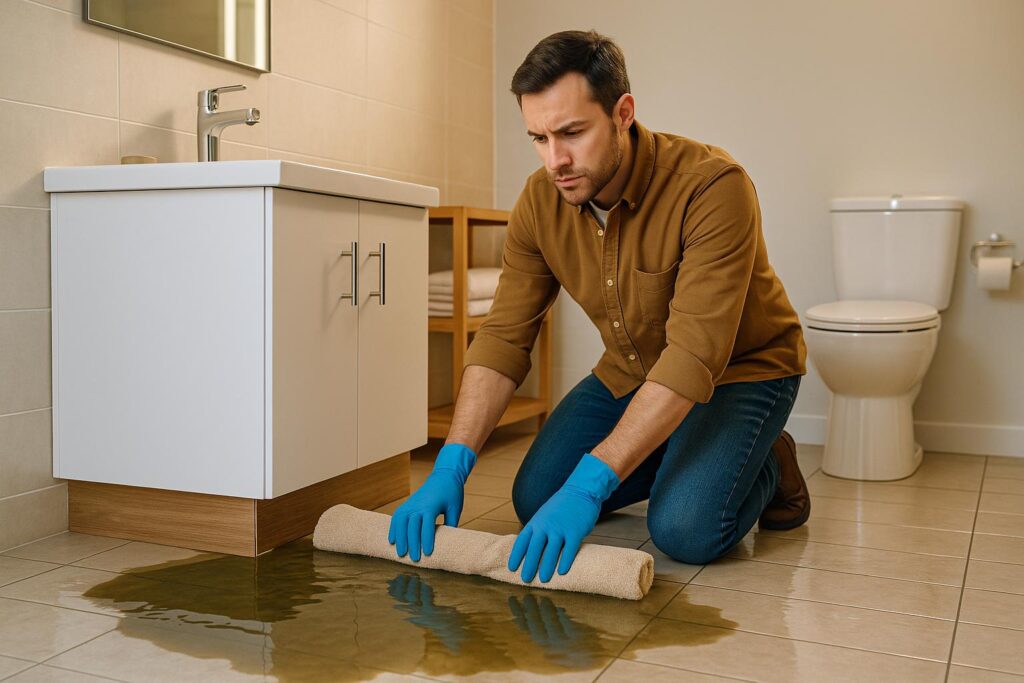
- Immediate Action: Stop water usage, wear protective gear, and contain the spill. Shut off the main water valve if safe.
- When to Call a Pro: Multiple clogged fixtures, sewage odors, or recurring issues require professional help. Tools like sewer cameras and hydro-jetters are essential for resolving main line backups.
- Prevention Tips: Avoid flushing non-degradable items, schedule regular inspections, and consider installing a backwater valve.
Act fast. Quick action can reduce damage by up to 50% and protect your home and health.

Sewer Backup Emergency Response: 5 Critical Steps to Take Immediately
How to Recognize a Sewer Backup Emergency
Warning Signs of a Sewer Backup
Spotting the early signs of a sewer backup can save you from serious health risks and expensive repairs. One of the most glaring signs is sewage water backing up into your home. You might notice dirty, foul-smelling water bubbling up in toilets, spilling out of floor drains, or even overflowing from sinks and showers. This water often has visible debris, like bits of toilet paper, signaling that wastewater is flowing the wrong way into your house.
Another red flag is persistent, strong sewer odors throughout your home. Unlike a fleeting smell from a single drain, these odors are caused by anaerobic bacteria in stagnant sewage. They tend to get worse when you use water, suggesting sewer gases are escaping through your plumbing system.
Pay attention to unusual noises, too. If you hear gurgling sounds coming from multiple drains – like toilets, sinks, and showers – it could point to a blockage in your main sewer line. Slow drainage or water pooling near lower-level drains are other clues that something is wrong. Recognizing these signs early can help you differentiate between a simple clog and a more serious sewer issue.
Minor Clogs vs. Main Line Backups
Understanding the difference between a minor clog and a main line backup is key to knowing how to handle the problem. A minor clog typically affects just one fixture. For instance, a single toilet might overflow after heavy use but clear up with a plunger, or a single sink might drain slowly but respond to a drain snake. These issues are usually limited to branch lines connected to individual fixtures.
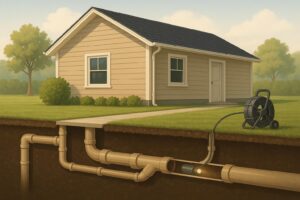
On the other hand, a main line backup is a much bigger problem, affecting multiple fixtures throughout your home. Common culprits include tree roots, grease buildup, and items like wipes that don’t break down properly. Unlike minor clogs, main line backups require professional help. Specialized tools like sewer cameras and hydro-jetters are needed to locate and clear the blockage. DIY methods often can’t reach these deep-seated problems and might even make things worse.
What to Do after a Gross Sewer Backup Occurs in Your Home
Safety and Damage Control Steps
When a sewer backup occurs, acting quickly is crucial to ensure safety and limit damage.
Protecting People and Pets
The first priority is to remove children, pets, and anyone vulnerable from the contaminated area. Raw sewage is loaded with harmful pathogens like E. coli, norovirus, and hepatitis A, which can cause serious health issues through skin contact, inhalation, or accidental ingestion.
If entering the area is unavoidable, wear protective gear such as rubber gloves, boots, and an N95 or HEPA respirator to minimize exposure. After any contact, wash your hands thoroughly with soap and warm water for at least 20 seconds, scrubbing well, and dry them with disposable towels. Any clothing that comes into contact with sewage should be treated as contaminated until properly disinfected.
Stopping Water Flow and Containing Sewage
Stop using water immediately – this means no flushing toilets, running faucets, taking showers, or using water-dependent appliances. Continuing water use can make the backup worse.
If it’s safe to do so, locate and shut off your home’s main water supply valve. This is usually found in the basement near the water meter, a utility room, garage, or outside near the curb. Turn the valve clockwise while wearing gloves and ensuring the area is dry. Once the water is off, use towels, rags, or plastic sheeting to block floor drains and contain the sewage. Acting quickly – within the first hour or two – can cut cleanup costs by 30–40%.
Handling Electrical and Structural Dangers
Check for standing water near electrical outlets, appliances, or cords, but do not touch anything. If you can safely access the electrical panel from a dry area, turn off the circuit breakers for the affected zones. Avoid this step entirely if you’re standing in water, can’t locate the panel, or feel lightheaded from fumes. It’s worth noting that 10–15% of flood-related deaths are caused by electrocution. If you’re unsure, leave the area and call for professional help.
To reduce risks, open windows and doors to ventilate your home and disperse sewer gases like methane and hydrogen sulfide, which can cause dizziness, nausea, and breathing problems. If there’s no electrical hazard, a box fan can help push the contaminated air outside, further improving ventilation.
sbb-itb-5fe396b
When to Call a Professional Plumber
Situations That Require a Plumber
Certain plumbing issues call for immediate professional attention. For example, if multiple fixtures in your home back up at the same time, it’s a clear sign that something is wrong. Other red flags include persistent clogs in the same drain, slow drainage throughout the house, or sewage backing up in a lower-level fixture – like a basement floor drain – when you use a sink or toilet upstairs.
You should also act quickly if you find raw sewage on your floors, especially near electrical outlets or appliances, or if strong sewer odors linger in your living spaces. If you’ve tried DIY fixes and the problem keeps coming back, it could point to serious issues like tree root intrusion, pipe collapse, or misaligned joints. These situations often require specialized tools and expertise to resolve safely and effectively.
Round Rock Plumbing Emergency Services
Round Rock Plumbing offers 24/7 emergency services for sewer backups, ensuring a licensed plumber is available at any hour to handle urgent situations. Their team can quickly stop active overflows and assess the damage before it worsens. Using advanced drain camera inspections, they pinpoint blockages or structural problems in the sewer line. Once identified, they deploy hydro-jetting equipment to clear out stubborn grease, mineral deposits, and invasive tree roots, restoring proper flow and reducing the risk of future backups.
If the inspection reveals damaged pipes – whether cracked, corroded, or collapsed – Round Rock Plumbing can handle repairs or replacements. This might include spot repairs, full replacements, or even trenchless solutions when possible. Their services go beyond just fixing the immediate issue; they also address related problems like damaged branch lines or leaking joints during the same visit. If the problem involves the public sewer main, they can assist with coordinating efforts with city or utility services to ensure the issue is fully resolved.
Working with City or Utility Services
In most areas, homeowners are responsible for the plumbing within their property and the lateral sewer line up to a specific point, often where it connects to the public sewer main. If multiple homes in your neighborhood are experiencing backups at the same time, or if the issue follows heavy rainfall, the problem may be with the public sewer system. In such cases, contact your city’s sewer or public works department immediately.
Plumbers can help determine whether the issue lies with the public main by using camera inspections and checking exterior cleanouts. If the problem is confirmed, it’s important to document everything – take photos, save inspection reports, and create itemized lists of damages. These records can be crucial for filing insurance claims or working with the city to address the issue or seek reimbursement. Always prioritize safety and document damages as soon as the area is secure.
Cleanup and Prevention
How to Clean Up Safely
Once immediate dangers are under control, it’s time to focus on a thorough cleanup and taking steps to prevent future issues. Before you start, make sure you’re properly protected. Wear rubber gloves, boots, goggles, an N95 respirator, and disposable coveralls. Keep children and pets far from the affected area.
Start by removing standing water as quickly as possible – ideally within 48 hours – to limit further damage. Use a wet/dry vacuum or a sump pump specifically designed for handling sewage. Unfortunately, porous items like carpets, rugs, mattresses, upholstered furniture, drywall, insulation, and particle board that have been exposed to sewage must be discarded. These materials can’t be fully disinfected and may continue to pose health risks.
For hard surfaces such as tile, concrete, or sealed wood, clean them thoroughly with a bleach solution (mix 1 cup of bleach with 5 gallons of water) or an EPA-approved disinfectant labeled for sewage cleanup. Rinse the surfaces and allow them to air dry. To speed up drying and prevent mold, use fans and dehumidifiers immediately. Mold can begin to grow within 24–48 hours. Open windows to improve ventilation, but avoid using fans that might spread contaminants before the area has been disinfected. If the sewage backup is severe (Category 3), it’s often best to call in professional cleanup services equipped to handle these situations safely and completely.
Once the cleanup is complete, take proactive measures to reduce the chances of future sewer backups.
How to Prevent Future Sewer Backups
The first step in prevention is being mindful of what you flush. Only flush toilet paper and human waste. Items like wipes (even if labeled "flushable"), sanitary products, paper towels, cotton balls, grease, oils, and coffee grounds should always go in the trash. Installing drain screens can also help catch hair and debris before they enter your pipes.
Another effective measure is installing a backwater valve in your sewer line. This one-way valve ensures wastewater flows out but prevents it from coming back into your home during heavy rains or sewer line issues. This is especially helpful if you have a basement or low-lying drains.
Regular maintenance is also key. Schedule annual professional inspections using a drain camera and consider hydro jetting to clear out tree roots, grease, or cracks in the pipes before they escalate into major problems. Services like those offered by Round Rock Plumbing can help identify these issues early.
Hydro jetting, for instance, has been shown to clear 99% of buildup and prevent 80% of clogs. Ignoring backups, on the other hand, can lead to costly restoration bills ranging from $5,000 to $20,000. Prevention is not just about avoiding inconvenience – it can save you from significant expenses down the road.
Conclusion
Dealing with a sewer backup can be overwhelming, but acting quickly and wisely can help limit the damage. Recognizing the signs of a minor clog versus a main line backup is key to responding effectively and avoiding unnecessary expenses.
Start by prioritizing safety: get everyone, including pets, out of the affected area, wear protective gear, shut off electricity in wet areas, and stop using water immediately. For severe backups, it’s crucial to leave the cleanup to professionals – health risks and electrical hazards aren’t worth the risk.
When it comes to main line backups, persistent clogs, or issues caused by structural damage or tree roots, calling a professional plumber is the way to go. Round Rock Plumbing offers 24/7 emergency services and uses advanced tools like drain cameras and hydro jetting to tackle blockages safely and thoroughly.
Taking swift action is only part of the equation – preventive measures are just as important. Regular inspections and professional drain cleaning can catch potential issues early. Simple habits, like avoiding flushing wipes or pouring grease down the drain, can help keep your pipes running smoothly. For homes with basements, installing a backwater valve adds an extra layer of protection. These steps can save you from costly repairs down the road.
With Round Rock Plumbing just a call away, you’ll have the support you need to restore your home to a safe and sanitary condition in no time.
FAQs
What should I do first if I have a sewer backup?
If you spot a sewer backup, the first thing to do is stop using all water fixtures immediately – that means no sinks, toilets, or showers. Using them can make the problem worse by causing more overflow or damage. Avoid flushing anything or pouring water down the drains.
After that, shut off your home’s main water supply to prevent further issues. Once everything is under control, reach out to a professional plumber without delay. They’ll be able to inspect the situation and handle the repair safely.
How can I tell if I’m dealing with a small clog or a sewer line backup?
A minor clog typically impacts a single drain or fixture, like a sink or tub that drains slowly. On the other hand, a sewer line backup tends to affect multiple drains across your home all at once. Some telltale signs of a sewer backup include gurgling noises, unpleasant odors, or water appearing in unexpected places – like a toilet bubbling when you turn on the sink. If you spot any of these problems, acting quickly can help you avoid more serious damage.
What steps can I take to prevent sewer backups in the future?
To help prevent sewer backups, steer clear of flushing items that don’t break down easily, such as wipes, paper towels, or hygiene products. Install drain screens to catch hair and other debris before they enter your pipes. Also, avoid pouring grease, oil, or harsh chemicals down the drain – these substances can gradually build up and create stubborn clogs. Regular drain cleaning and inspections are a smart way to spot potential problems early and ensure your plumbing system stays in good working order.