Plumbing emergencies can cause significant damage if not addressed quickly. Here’s what you need to know to minimize harm and protect your home:
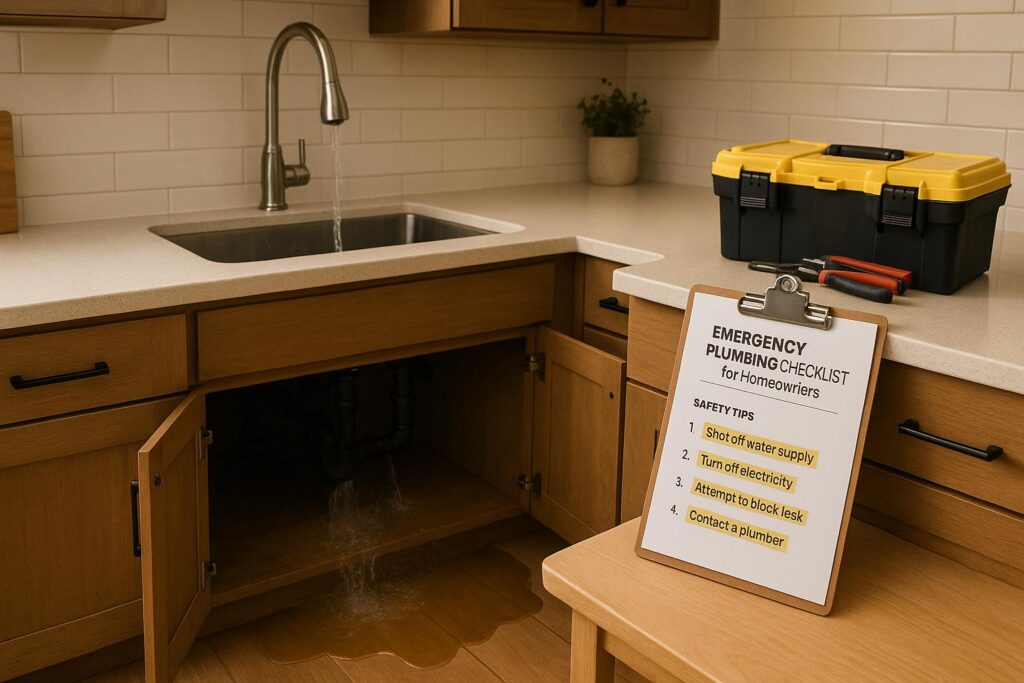
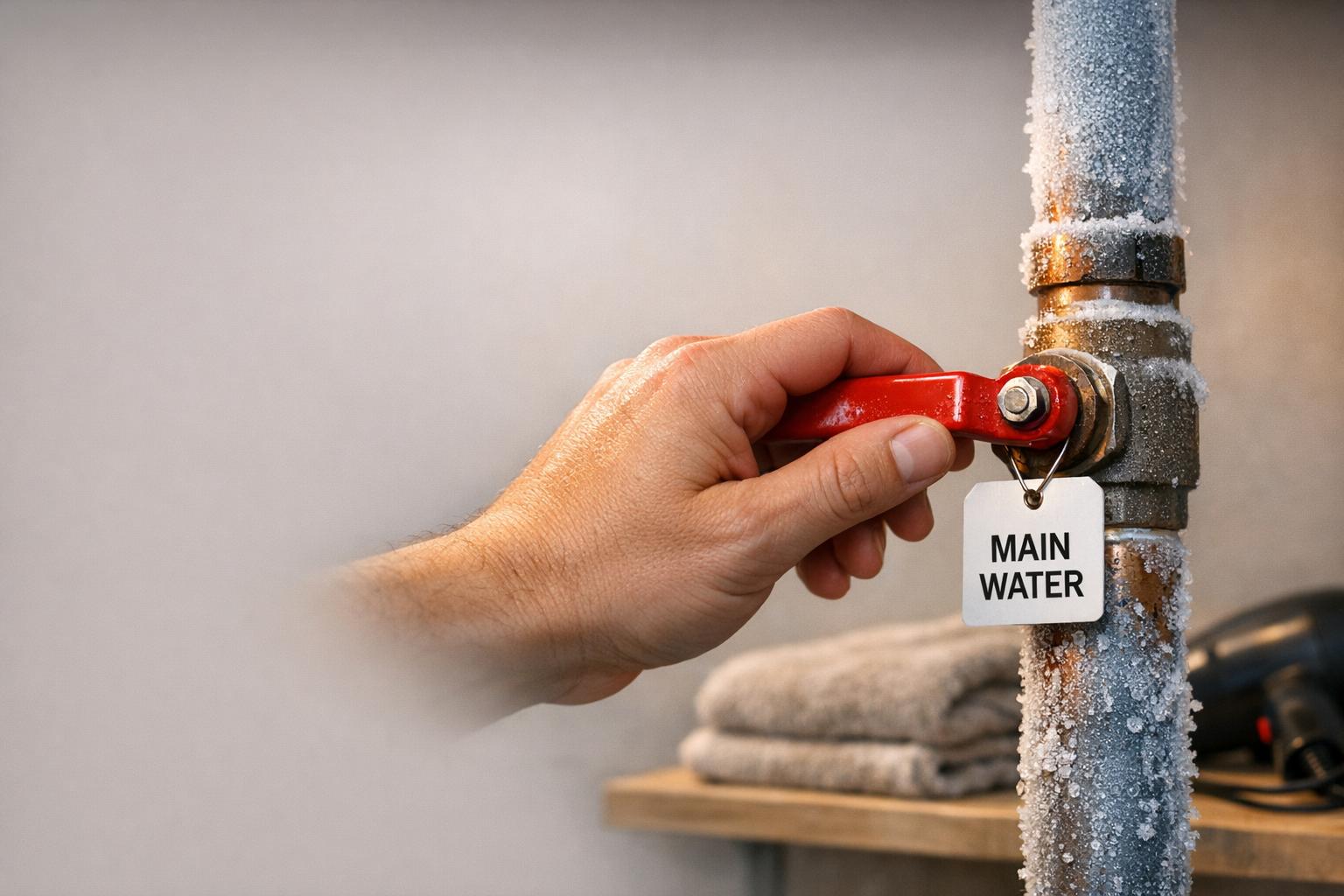
- Shut Off the Water: Locate and turn off the main water valve to stop the flow of water.
- Turn Off the Water Heater: Prevent overheating or damage by shutting off the water heater safely.
- Handle Electrical Risks: Avoid water and electricity contact; turn off power if necessary and safe.
- Limit Water Spread: Use towels, buckets, and barriers to contain water and protect valuables.
- Document the Damage: Take photos and videos for insurance and repair purposes.
- Call a Professional: For issues like sewage backups, uncontrollable water flow, or structural risks, contact a plumber immediately.
Prepare by keeping an emergency plumbing kit with gloves, a flashlight, a wrench, and other essentials. Knowing these steps can save time, money, and stress during a plumbing crisis.
The ULTIMATE $50 Plumbing Emergency Repair Kit (Fixes 90% of All Leaks!) | GOT2LEARN

First Steps During a Plumbing Emergency
When water starts pouring from a pipe or pooling across your floor, how you react in those first moments can make a huge difference in limiting the damage. Acting quickly and following these steps can save you from expensive repairs and headaches down the line.
Find and Shut Off the Water Supply
Stop the water flow immediately. The longer water continues to gush, the greater the damage to your home’s structure and belongings.
First, locate your main water shut-off valve. In most Round Rock homes, you’ll find it in one of these spots:
- Near the water meter at the street (often in a covered box)
- On an exterior wall where the main line enters the house
- In the garage near the water heater
- In a utility room or basement
To shut off the valve, turn it clockwise until it’s completely closed. Some valves may require a water meter key or wrench, which you can pick up at any hardware store. Familiarizing yourself with the valve’s location and operation ahead of time ensures you’re ready to act fast in an emergency.
For leaks at specific fixtures, like a sink or toilet, use the individual shut-off valves located nearby to isolate the problem without cutting off water to the entire house.
Once the water flow is under control, address any other immediate hazards.
Turn Off the Water Heater
Shutting off the main water supply can cause pressure to build up in your water heater, which may lead to overheating or damage. If the heater itself gets submerged or flooded, it could short out or corrode its components, increasing the risk of fire or explosion.
- For electric water heaters: Locate your electrical panel and turn off the "Hot Water Heater" circuit breaker. This is usually a double-pole breaker labeled for 240 volts.
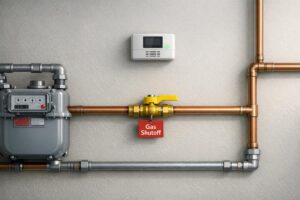
- For gas water heaters: Find the gas control valve on the heater and turn it to "Off". Alternatively, you can set it to "Pilot". The gas valve is typically near the base of the heater and can be turned off by rotating it 90 degrees.
If you smell gas, evacuate immediately. Call your gas utility or emergency services from outside the home. Don’t attempt to shut off gas appliances unless instructed by a technician, as improper handling can be dangerous.
Handle Electrical Hazards
Water and electricity are a dangerous mix. If you notice water near electrical outlets, appliances, switches, or your breaker panel, proceed with extreme caution.
- Unplug small appliances if it’s safe and water hasn’t reached the outlets.
- Keep people out of areas where water and electricity might come into contact.
If you see sparks, hear breakers tripping, or smell something burning, leave your home immediately and call emergency services.
If water has reached your main electrical panel or wiring, you may need to shut off power at the main breaker. Only do this if it’s absolutely safe – wear rubber-soled shoes and insulated gloves, and avoid standing in water. For severe electrical hazards, call 911 and let professionals handle it.
"The National Fire Protection Association (NFPA) warns of fire and shock hazards when water contacts electrical systems." – National Fire Protection Association (NFPA)
Once safety is ensured, shift your focus to containing the water.
Stop Water from Spreading
Act quickly to limit the damage. After addressing safety concerns, work to keep water from spreading to other areas of your home.
- Use towels, blankets, and buckets to soak up standing water.
- Place buckets or pans under active leaks to catch dripping water.
- Create barriers with towels to redirect water away from furniture, electronics, and important items.
Move valuables, electronics, and important documents to dry, elevated areas as quickly as possible. A wet/dry vacuum can be a lifesaver for removing water fast.
Open windows and doors to improve airflow and reduce moisture, which can help prevent mold from taking hold. Mold can start growing within 24–48 hours in damp conditions, especially in Round Rock’s humid environment.
Finally, take photos of the damage. These will be essential for insurance claims and can also help plumbers assess the situation more effectively.
Emergency Plumbing Tools to Keep on Hand
Being prepared with the right tools can make all the difference when faced with a plumbing emergency. A well-stocked emergency plumbing kit, stored in an easy-to-reach spot, can help minimize water damage and buy you time until a professional arrives.
Basic Tools for Leaks and Clogs
Safety and Cleanup Supplies
- Gloves: Keep disposable nitrile gloves for lighter tasks and heavy-duty rubber gloves for messier cleanups.
- Safety Goggles: Protect your eyes from splashes and debris with wraparound goggles that offer full coverage.
- Flashlight or Headlamp: A bright LED flashlight or headlamp is essential for working in dark spaces. Don’t forget to store spare batteries and check them periodically.
- Buckets: A five-gallon bucket is handy for catching water and storing tools. Smaller buckets can help manage minor leaks.
- Towels and Rags: Old towels and rags are perfect for soaking up water and shielding surfaces.
- Wet/Dry Vacuum: Quickly remove standing water with a reliable wet/dry vacuum.
- Face Masks or Respirators: Use N95 respirators or similar masks to protect yourself from harmful pathogens, especially when dealing with sewage backups or areas with potential mold growth.
For tougher situations, it’s smart to have more advanced tools on hand.
Advanced Tools for Complex Problems
When basic supplies fall short, advanced tools can help tackle more complicated plumbing issues.
- Waterproof Tarps and Plastic Sheeting: Use these to redirect water or protect furniture and surfaces from leaks. They’re compact and easy to store.
- Waterproof Boots and Knee Pads: These will keep you safe from slips and make extended cleanup efforts more comfortable.
Store your emergency plumbing supplies in a waterproof container that’s easy for everyone in the household to locate. Regularly inspect your kit, replacing worn-out or expired items, so it’s always ready when you need it most.
How to Handle Common Plumbing Emergencies
If your water heater suddenly stops working or starts leaking, quick action is key to minimizing damage.
Water Heater Problems
The moment you notice your water heater leaking, turn off the water supply to prevent further issues. Once that’s done, reach out to a professional plumber to assess the situation and carry out any necessary repairs. Acting swiftly can save you from bigger headaches down the line.
sbb-itb-5fe396b
Preparing for Professional Help
Once you’ve managed to contain the immediate problem, it’s time to prepare for your plumber’s arrival. A little preparation on your end can make their job quicker and more efficient.
Document the Damage
If you’ve already started documenting the situation during the initial emergency, now is the time to expand on it. Take photos and videos of the affected area before you begin any cleanup. Make sure to note the time, and if you notice anything unusual – like strange sounds or smells – add those details as well. This information can be incredibly helpful, both for diagnosing the issue and for supporting any insurance claims.
If your plumbing service allows it, send photos or videos via text or email. This way, your plumber can assess the situation in advance and bring the tools and materials they’ll need to address your specific problem.
Clear the Work Area
Give your plumber easy access to the problem area by clearing out any obstacles. Move furniture, storage boxes, or personal items out of the way. For example, if the issue is under your kitchen sink, remove all cleaning supplies and other items from the cabinet. A clutter-free workspace not only speeds up repairs but also reduces the risk of damage to your belongings.
Don’t overlook your pets. Secure dogs or cats in another room to keep them safe and out of the way. If you have pets, let your plumber know when you call so they can take any necessary precautions.
Another important step is to ensure the main water shut-off valve is accessible. If it’s blocked by stored items or located in a tight space, clear the area so it can be reached quickly if needed. Once everything is ready, share any relevant details about the setup with your plumber.
What to Tell Your Plumber
Be as specific as possible when describing the problem. For instance, instead of saying, "Something’s wrong with the bathroom", try, "The toilet in the second-floor guest bathroom is overflowing, and water is leaking through the ceiling into the kitchen below." Pinpoint the exact location of the issue, whether it’s in the basement, kitchen, or another part of the house.
Let your plumber know what steps you’ve already taken, such as shutting off the main water valve, turning off individual fixture valves, or cutting power to the water heater. This saves time and avoids unnecessary duplication of efforts.
If there are any safety concerns, mention them immediately. For example, let them know if you’ve noticed standing water near electrical outlets, if you smell gas, or if electricity or gas lines might be involved. Additionally, provide details about your home, such as its age, the type of plumbing system, and any recent remodeling or plumbing work.
"Before your plumber arrives, make a list of any details you want to mention or questions you have. This helps your plumber get started quickly and ensures nothing important is missed." – King Rooter & Plumbing
Finally, share any symptoms you’ve observed, like wet ceilings, sagging floors, stains, sewage odors, or unusual pipe noises. These details can help your plumber identify potential causes before they even begin their inspection.
When to Call a Professional Right Away
While some plumbing emergencies can be temporarily managed with basic tools and quick action, there are certain situations that demand immediate professional help. These scenarios can pose serious risks to your safety, health, and property, far beyond what any homeowner should attempt to handle alone. Here’s when you need to pick up the phone and call in the experts.
Water That Won’t Stop
If you’ve shut off the main water valve but water is still gushing uncontrollably, you’re dealing with a critical emergency. This could point to an issue with the water meter, the connection between your home and the street, or a major plumbing failure that bypasses the shut-off valve entirely.
In such cases, don’t waste time trying to diagnose the problem. Every minute that water continues to flow unchecked can cause significant damage, skyrocketing repair costs from hundreds to thousands of dollars. If water reaches walls, floors, or electrical systems, the situation becomes even more urgent.
For instance, a burst pipe under high pressure can quickly compromise structural elements. If the pressure makes it unsafe to approach, step away immediately and call for professional help.
Sewage Backups or Contamination
Sewage-related issues are not just messy – they’re dangerous. Situations like sewage backing up through floor drains, overflowing toilets filled with waste, or wastewater entering your living space require immediate professional attention. Sewage contains harmful pathogens that can pose serious health risks upon contact.
Professional plumbers are equipped with the tools, protective gear, and expertise needed to safely handle contaminated water and follow proper disinfection protocols.
Even if you don’t see visible sewage but notice foul odors coming from your drains, it could signal a serious issue with your sewer line or septic system. These problems can escalate quickly into full-scale backups. Don’t wait to see if the issue resolves itself – it likely won’t.
Another urgent concern is potential cross-contamination between drinking water and wastewater. If your tap water has an unusual color, smell, or taste, stop using it immediately and contact a professional to assess the situation.
Structural or Electrical Risks
Water damage doesn’t just stop at ruining carpets or furniture – it can threaten your home’s structure and electrical systems. If you see sagging ceilings, bulging walls, or floors that feel soft or spongy, water has likely compromised key structural elements. These conditions can lead to collapses if left unaddressed. A professional inspection is essential to determine whether the area is safe to occupy.
Water near electrical systems is another red flag. It creates a serious risk of electrical shock or fire. If you notice water pooling around outlets, appliances, or your breaker box, turn off the electricity to the affected area (if it’s safe to do so) and call a professional immediately.
Gas line involvement takes the urgency up another notch. If you smell gas alongside plumbing issues or see water near gas appliances or lines, evacuate your home right away. Call your gas company and a plumber to address the situation safely.
Lastly, watch for water pooling around your home’s foundation. If it’s seeping into your basement or crawl space, it can lead to settling, cracks, or other structural problems that become exponentially more expensive to fix over time.
For emergencies like these, trust Round Rock Plumbing’s 24/7 services to keep your home and family safe.
Final Tips for Plumbing Emergencies
When faced with a plumbing emergency, quick action is crucial to minimize damage. Start by knowing exactly where your home’s main water shut-off valve is located – this simple step can save you from a lot of trouble.
It’s also a smart idea to keep an emergency kit ready. This kit, along with the regular maintenance habits we’ve discussed earlier, can make a big difference when things go wrong.
Speaking of maintenance, staying on top of routine checks can often prevent emergencies altogether. Schedule yearly water heater inspections, keep an eye out for leaks under sinks, and address any warning signs early. Tackling small issues before they grow can save you time, stress, and money.
Remember, temporary fixes can only hold things together for so long. For a permanent solution, it’s always best to have a professional handle the repairs.
And if you’re ever unsure about what to do, don’t hesitate to call in the experts. Round Rock Plumbing offers 24/7 services to ensure your home and family stay safe, no matter the hour.
FAQs
Why is it important to know where the main water shut-off valve is, and how can I find it in my home?
Knowing the location of your main water shut-off valve can make all the difference during a plumbing emergency. It lets you stop the water flow quickly, helping to reduce potential damage.
Typically, the valve is near your water meter, in the basement, a utility room, or outside near your home’s foundation. If you’re not sure where to look, follow the main water line as it enters your house. Spending a few minutes to find it now could save you a lot of time and money down the road.
What should I do right away if I think there’s a sewage backup in my home, and why is it important to act quickly?
If you think there’s a sewage backup in your home, stop using water right away. This means no flushing toilets, running faucets, or using appliances like dishwashers and washing machines. Sewage backups can bring harmful bacteria and contaminants into your home, posing serious health risks, so it’s important to act fast.
Get in touch with a licensed plumber immediately to inspect and fix the issue. Quick action can reduce damage to your home, avoid further problems, and help keep your family and property safe.
Why should I turn off my water heater during a plumbing emergency, and what should I do if I think there’s a gas leak?
When dealing with a plumbing emergency, turning off your water heater is a key step to avoid potential damage or overheating, especially if you’ve had to shut off the main water supply. Without a steady flow of water into the tank, pressure can build up, creating a potentially hazardous situation. For gas water heaters, switch the control to pilot mode. If you have an electric water heater, cut the power at the circuit breaker.
In the event of a suspected gas leak, safety should be your top priority. Avoid using electrical switches or appliances, stay away from open flames, and leave the area immediately. Once you’re in a safe location, reach out to your gas company or a licensed plumber to address the issue.