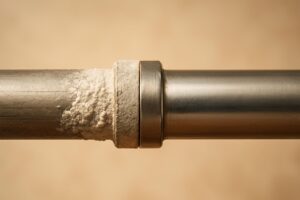
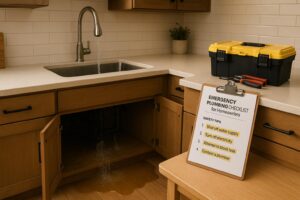
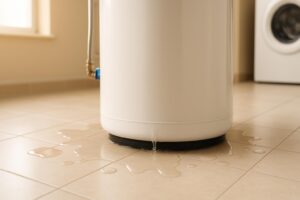
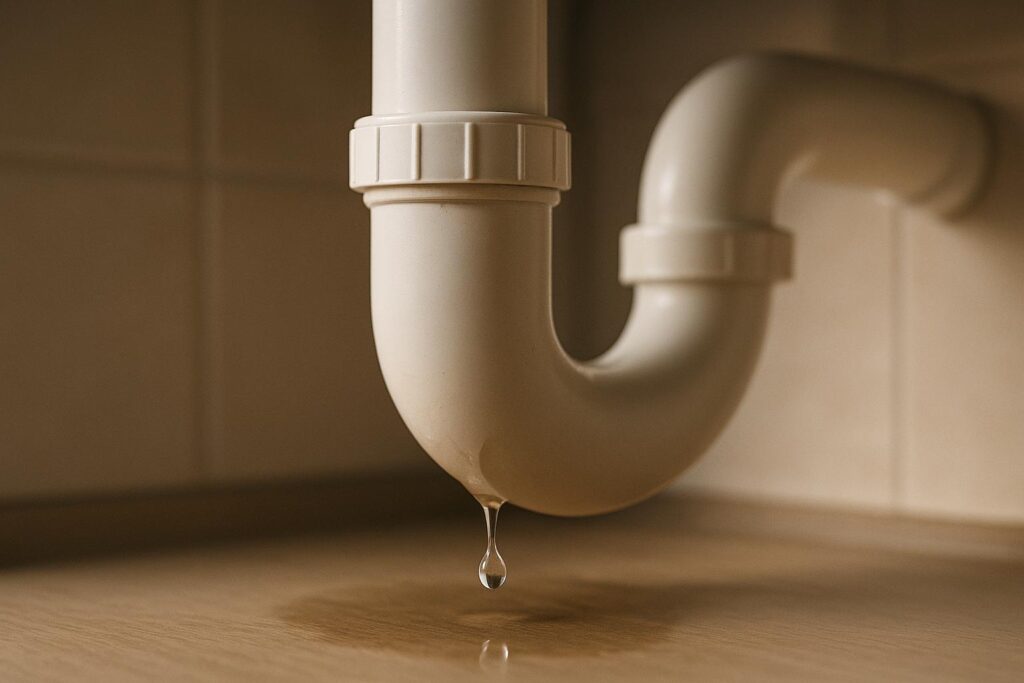
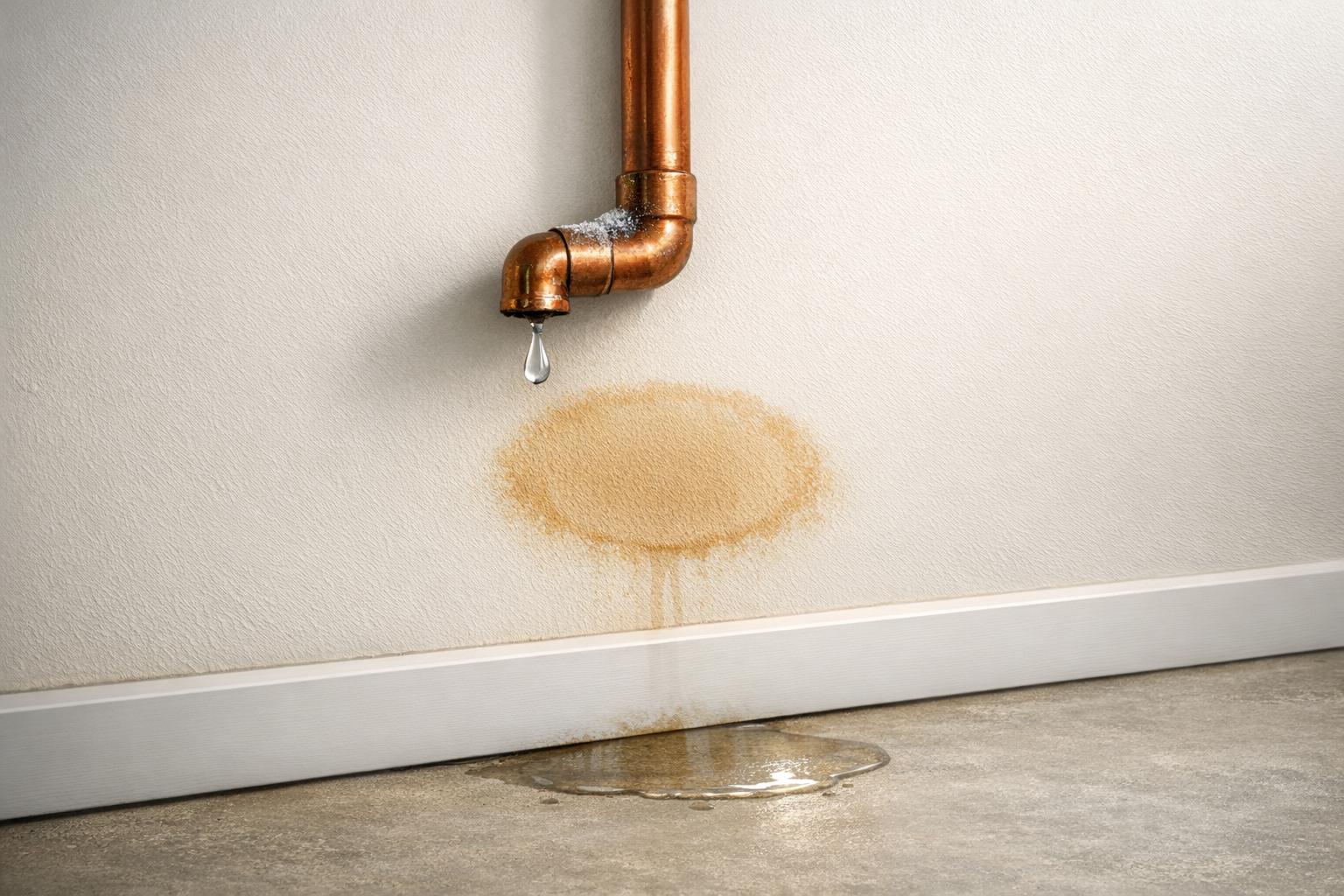
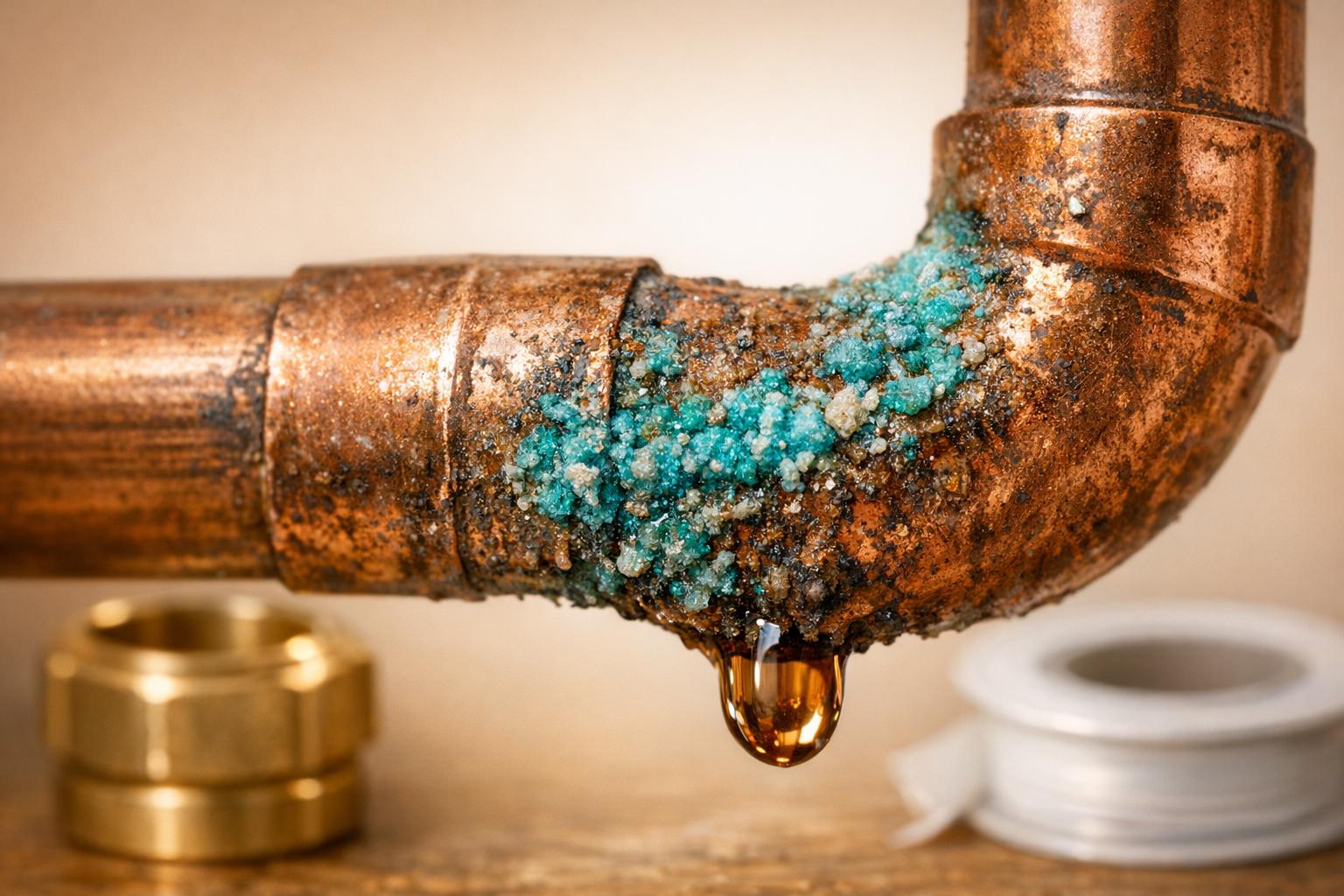
Hidden water leaks can quietly damage your home, increase your water bill, and create health risks from mold. Early detection can save you thousands in repairs and prevent structural problems. Here’s a quick guide to spotting and addressing these leaks:
- Signs to Watch For: Musty smells, water stains, or unexplained spikes in your water bill.
- DIY Tests:
- Water Meter Test: Check for movement on your meter with all water off.
- Toilet Leak Test: Add food coloring to the tank; if it seeps into the bowl, there’s a leak.
- When to Call Professionals: If you can’t locate the source or suspect leaks behind walls or under floors, experts use tools like infrared cameras and acoustic sensors to find hidden issues.
- Prevention Tips: Regular plumbing inspections, smart leak detectors, and seasonal maintenance can help avoid future problems.
Act quickly if you suspect a leak. A small issue now can prevent major damage later.
How to Detect Hidden Water Leaks in Walls | Easy DIY Leak Detection Tips
Common Signs of Hidden Water Leaks
One telltale sign of a hidden water leak is a lingering musty or moldy smell. This odor often points to mold growth in places where moisture has accumulated, such as behind walls or beneath sinks, due to unnoticed leaks.
"Persistent odors often signal hidden mold. Mold thrives in dark, damp spots behind walls, under floors, or near plumbing fixtures." – Mr. Rooter
If you detect these odors in confined areas like cabinets, basements, or around plumbing fixtures, it’s essential to check for signs of moisture or mold right away. You can also try simple DIY methods to pinpoint the source of the leak.
DIY Methods to Find Hidden Water Leaks
Before calling in a professional, you can try a few straightforward ways to detect hidden water leaks in your home. These methods require minimal tools and can help you pinpoint the problem, saving both time and money.
Water Meter Test for Leak Detection
Your water meter can be a handy tool for spotting leaks. Start by locating it – usually found in the ground near the curb in front of your house. It’s typically covered by a metal or plastic lid marked "Water Meter". Carefully remove the lid to access the meter.
Once you’ve found the meter, turn off all water-using appliances and fixtures in your home. This includes showers, sinks, washing machines, dishwashers, and any irrigation systems. With everything off, check the meter. Most meters have a small leak detection dial, often shaped like a triangle or snowflake and colored red or blue. If this dial is moving, even slightly, it means water is flowing somewhere in your system.
To confirm, take note of the dial’s position and wait for a few hours without using any water. If the dial has moved, you’ve got a leak.
To figure out whether the leak is inside or outside your home, shut off the main water valve. This valve is usually found near your hot water heater in the basement or garage. After turning it off, open an indoor faucet. If water still flows, recheck the meter. If the meter continues to move, the leak is likely in the underground line. If it stops, the issue is inside your home.
Now, let’s move on to checking for toilet leaks.
Food Coloring Test for Toilet Leaks
Toilet leaks can waste a surprising amount of water, but they’re easy to check for. Use the food coloring test: add a few drops of brightly colored food dye to the water in your toilet tank. Let it sit for 10 to 30 minutes without flushing. Then, check the bowl. If you see colored water in the bowl, it’s a sign of a leak, often caused by a flapper that isn’t sealing correctly.
These simple tests can help you identify leaks and take action before the problem worsens.
sbb-itb-5fe396b
Professional Leak Detection Methods and When to Call Experts
While DIY methods can handle obvious leaks, hidden damage often requires specialized tools and professional expertise. If your water meter indicates a leak but you can’t locate the source, or if you suspect issues behind walls or under slabs, it’s time to bring in the experts.
Infrared Cameras and Electronic Leak Detection
Plumbers use tools like thermal imaging cameras to spot temperature variations in walls, floors, and ceilings. This method identifies moisture behind drywall without tearing it apart, making it easier to pinpoint leaks that would otherwise remain hidden.
Electronic leak detection combines advanced equipment such as acoustic sensors, moisture meters, and thermal cameras. These tools amplify the sounds of escaping water and measure moisture levels with precision. For more intricate systems, professionals may also use isolation techniques to focus on specific sections of plumbing.
Hydrostatic Testing and Isolation Methods
For plumbing systems that are more complex, hydrostatic testing is a go-to method. This involves pressurizing sections of the system to identify where pressure drops, signaling a leak.
Acoustic listening devices are another valuable tool, amplifying the sound of water moving through pipes to detect leaks in underground lines or wall cavities. For particularly tricky situations, such as slab leaks, tracer gas detection is highly effective. This process introduces a harmless gas into the plumbing and uses sensors to detect where it escapes, revealing the exact location of the issue.
DIY vs. Professional Leak Detection Comparison
Knowing when to attempt a DIY fix and when to call in professionals can save both time and money. Here’s a side-by-side comparison:
| Aspect | DIY Methods | Professional Services |
|---|---|---|
| Accuracy | Limited to visible signs and basic tests | High precision with advanced tools and expertise |
| Detection Range | Surface-level and obvious leaks | Hidden leaks behind walls, under floors, or in hard-to-reach spots |
| Tools Required | Basic items like food coloring or meter readings | Infrared cameras, acoustic sensors, moisture meters |
| Damage Risk | Higher risk due to trial-and-error approaches | Non-invasive techniques that minimize property damage |
| Time Investment | Can take hours or days | Quick and efficient detection |
| Long-term Cost | Lower upfront cost but risks incomplete fixes | Higher initial cost but prevents extensive future damage |
Professional services stand out for their precision and ability to tackle hidden or complex leaks. Although the upfront cost may be higher, their expertise often prevents the need for repeated repairs and reduces the risk of long-term damage.
One thing many homeowners don’t realize is that home insurance policies often cover professional leak detection. This includes trace and access coverage, which can significantly lower out-of-pocket expenses. By addressing the root cause of the problem, professionals help prevent recurring issues and avoid costly repairs down the road.
If basic methods fail, leaks are hidden in hard-to-reach areas, or unexplained water damage continues, it’s time to consult an expert. This is especially critical in Texas, where foundation issues can make leak detection and repairs even more challenging. Hiring professionals gives you peace of mind and ensures the job is done right.
How to Prevent Hidden Water Leaks
While catching water leaks early is crucial, taking steps to prevent them in the first place can save you from expensive repairs down the line. Here’s how you can protect your Round Rock home from hidden leaks.
Regular Plumbing Inspections and Maintenance
In addition to simple DIY leak tests, scheduling regular plumbing inspections is a smart move. A professional inspection, especially before the intense summer heat, can identify problems early. Pair this with monthly DIY checks of visible pipes, water heaters, and crawl spaces. For homes in Texas, including Round Rock, the expansive clay soil poses a unique challenge. It swells and shrinks with changes in moisture, which can shift foundations and strain pipes under concrete slabs. Catching small issues like dripping faucets or worn-out seals early can help you avoid costly repairs later.
Smart Leak Detectors and Monitoring Systems
Smart leak detectors are a game-changer. These devices notify you immediately when they detect unusual water flow or potential leaks. Install them in high-risk areas such as under sinks, near water heaters, around washing machines, or in basements. When choosing a leak detector, look for models that provide instant alerts and can connect easily to your phone or other devices. These gadgets work alongside regular inspections, giving you an extra layer of protection against hidden leaks.
Preparing Your Texas Home for Seasonal Changes
The clay soil in Round Rock requires special attention to foundation drainage. Keep gutters clean and use downspout extensions to direct water away from your home. Before summer, have a plumber check your water pressure and inspect pipes under the slab. For winter, wrap exposed pipes, drain garden hoses, and locate your main shutoff valve in case of emergencies. Additionally, inspect caulking around windows and doors every year and check your roof flashing after severe storms to address any vulnerabilities before they turn into bigger problems.
Conclusion: Find Leaks Early to Protect Your Home
Catching hidden water leaks before they spiral into major issues is one of the smartest moves you can make as a homeowner. Even a small leak can waste up to 90 gallons of water per day. Over time, that adds up – not just in wasted water, but also in the potential for costly damage. Acting quickly can save you from hefty repair bills down the road.
Start with simple DIY tests to spot leaks early. Keep an eye out for telltale signs like unexplained water usage spikes, damp spots, or mold growth. But if these efforts suggest a deeper issue – like a persistent leak, signs of foundation trouble, or visible mold – it’s time to call in the professionals. Leak detection services typically cost between $100 and $500, depending on the leak’s location and severity. While this may seem like an upfront expense, it’s a small price to pay compared to the sky-high costs of foundation repairs or mold remediation.
For homeowners in areas like Round Rock, where expansive clay soils can increase the risk of slab leaks, expert help is invaluable. Companies like Round Rock Plumbing use advanced tools, including infrared cameras and electronic leak detectors, to find leaks without tearing into your walls or floors unnecessarily. Their precision and expertise can make all the difference, especially when dealing with tricky slab leaks.
The bottom line? Early detection is your best defense against escalating repair costs and serious damage. Fixing a small leak now might cost a few hundred dollars, but ignoring it could lead to foundation issues, widespread mold, and structural repairs that run into the tens of thousands. Regular inspections, professional maintenance, and smart water detectors can protect your home, your budget, and your family’s well-being. Catching leaks early isn’t just smart – it’s essential.
FAQs
How can I tell if a musty smell in my home is caused by a hidden water leak?
A musty odor lingering in your home often points to excess moisture, which might stem from a hidden water leak. These leaks tend to show up in spots like basements, behind walls, or under sinks – places where water can quietly collect, creating the perfect environment for mold or mildew to thrive.
To figure out if the smell is tied to a leak, keep an eye out for telltale signs such as damp patches, peeling paint, or discoloration on walls and ceilings. Another simple check? Monitor your water meter for unexpected spikes or inspect areas prone to moisture for any visible signs of water. Tackling the problem promptly can save you from more extensive damage and hefty repair bills.
What makes smart leak detectors better than traditional methods for finding water leaks?
Smart leak detectors bring a modern twist to managing water usage and preventing damage. Unlike traditional methods, these devices keep a close eye on your water flow in real-time. If something seems off – like a sudden spike in usage – they can automatically shut off your water supply. This quick action not only helps avoid expensive water damage but also cuts down on waste, which could lower your utility bills.
What’s even better? These detectors can send instant alerts straight to your smartphone. Whether you’re at work, on vacation, or just out running errands, you’ll know right away if there’s an issue. It’s a smarter, more reliable way to catch hidden leaks before they turn into costly disasters, giving you that extra peace of mind.
How do tools like infrared cameras and acoustic sensors help find hidden water leaks?
Infrared cameras detect temperature changes in walls, floors, or ceilings caused by water leaks. These temperature shifts can expose hidden leaks that might otherwise go unnoticed. Meanwhile, acoustic sensors work by capturing the sound of water escaping from pipes, even if the leak is buried deep underground or concealed behind walls.
Together, these tools allow plumbers to locate leaks precisely without tearing into your home unnecessarily, offering an efficient and non-invasive solution.