Gas leaks are dangerous and require immediate action. Here’s how you can detect and respond safely:
- Smell: A “rotten egg” odor often indicates a natural gas leak.
- Sound: Listen for hissing or whistling near appliances or gas lines.
- Visual Signs: Look for yellow/orange flames (instead of blue), dead plants near gas lines, or bubbling in outdoor puddles.
- Health Symptoms: Headaches, dizziness, nausea, or fatigue could signal exposure to leaking gas or carbon monoxide.
If you suspect a leak:
- Evacuate Immediately: Get everyone out of the house. Avoid using electronics, switches, or anything that could spark.
- Call for Help: From a safe distance, contact 911 or your gas utility’s emergency number.
- Use Detectors: Install gas and carbon monoxide detectors for continuous monitoring.
For electronic leak detection or repairs, always rely on licensed professionals. Never attempt DIY fixes, as they pose serious risks.

Gas Leak Detection and Emergency Response Guide
Signs of a Gas Leak
Smell, Sound, and Physical Symptoms
One of the most noticeable signs of a gas leak is a strong rotten egg smell. This odor comes from mercaptan, a chemical added to otherwise odorless natural gas to make leaks easier to detect. Gary Lightfoot, Owner of Lightfoot Plumbing, Heating, Air & Electrical, explains:
"Any time you experience an unexplained smell of sulfur or rotting eggs, you most likely have a gas leak".
Unusual sounds can also indicate a problem. A hissing, whistling, or persistent buzzing noise near gas-powered appliances often points to escaping gas. Physical symptoms are another red flag. These can include headaches, dizziness, nausea, fatigue, chest pain, and irregular breathing. If you notice these symptoms improving when you leave your home and worsening when you return, it might be time to investigate further.
Interestingly, pets can detect gas leaks before humans. If your pet seems disoriented, lethargic, or begins vomiting, has red or watery eyes, or shows shallow breathing, take these signs seriously. While natural gas exposure often causes a pale complexion in humans, carbon monoxide poisoning can result in a bright red or pink face.
Beyond smells and sounds, there are visual cues that can confirm a gas leak.
What to Look For
Start by inspecting appliance flames. A healthy flame should burn blue. If it’s yellow or orange, that’s a warning sign. Outdoors, keep an eye out for unusual signs like patches of dead grass, dirt blowing from a specific area, or bubbling in puddles near gas lines. These can indicate leaking gas displacing oxygen in the soil, which suffocates plants.
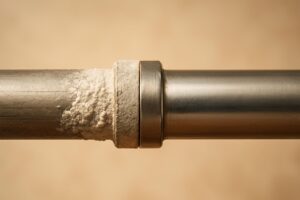
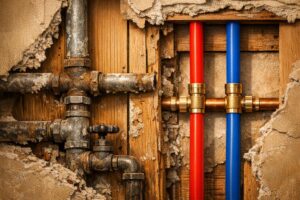
Inside your home, look for dying houseplants, white mist or fog near gas lines, or physical damage like cracks, rust, or corrosion on gas line connections. These clues, combined with sensory warnings, can help confirm the presence of a gas leak.
sbb-itb-5fe396b
What to Do If You Suspect a Gas Leak
Leave Your Home Immediately
If you suspect a gas leak, the most important step is to get everyone out of the house right away. Natural gas is extremely flammable, so time is of the essence.
Ryan Nelson, Investor and Property Manager at RentalRealEstate, stresses:
"The moment suspicion takes hold, every second counts. First and foremost, there must be no flames, sparks or sudden power switches".
As you evacuate, avoid doing anything that might create a spark. This includes flipping light switches, using phones, or starting your car. If it’s safe to do so, you can open windows and doors on your way out to help ventilate the area. If the gas valve is easily accessible, you can turn it a quarter-turn to shut it off, but only if it’s safe and quick to do so. Once outside, move to a safe distance – across the street or several houses away.
When you’re safely away from the house, the next step is to get professional help.
Call for Help
From a safe location, call 911 or your gas utility’s emergency number. Most gas utility companies will inspect suspected leaks at no cost. Do not return to your home until emergency responders or the gas company confirms it’s safe to go back.
How to Tell If Your House Has a Gas Leak
How to Check for Gas Leaks
Detecting gas leaks early is crucial for safety. Whether you’re performing routine maintenance or responding to a potential issue, these methods can help identify leaks before they escalate. These steps work alongside initial warning signs and can confirm the need for professional assistance.
Listen for Unusual Sounds
A gas leak often makes a hissing or whistling noise, especially near gas lines, appliances, or your meter. Even if an appliance is off, you might still hear this sound if there’s a loose connection or a damaged pipe. Pay close attention to areas like behind your stove, near your water heater, or around your outdoor gas meter.
Check Your Appliance Flames
When you turn on gas appliances, take a moment to inspect the flames. A strong blue flame is normal and indicates proper combustion. However, if you notice orange, yellow, or red flames, it could mean incomplete combustion and a possible gas leak. This issue can also produce carbon monoxide, which is dangerous.
Use the Soapy Water Test
The soapy water test is a simple way to check exposed connections. Mix 1 teaspoon to 1 tablespoon of dish soap with 1 cup of water and apply the solution to pipe joints, valves, or connectors. If you see bubbles forming and growing, gas is escaping from that spot. After testing, clean the area thoroughly – leftover soap can cause corrosion or interfere with electronics. Avoid using this test near open flames or electrical components. If you smell a strong "rotten egg" odor, leave the area immediately.
Check Your Gas Meter
Turn off all gas-burning appliances in your home, including your furnace, water heater, and stove. Then, watch your gas meter’s dial or digital display for 5–10 minutes. If the meter shows movement while everything is off, there’s likely a leak somewhere in your system. Also, if your gas bill has unexpectedly increased without a clear reason, it might point to a slow, hidden leak. For ongoing concerns, call a professional for an inspection.
| Method | Indicators | Best Used For |
|---|---|---|
| Soapy Water Test | Bubbles forming and growing | Exposed joints |
| Flame Check | Orange, yellow, or red flames | Gas appliances |
| Auditory Check | Hissing or whistling sounds | Leaks near pipes |
| Meter Check | Movement in dials when appliances are off | Hidden system leaks |
Installing Gas Detectors for Safety
Why Use Gas Detectors
Manual methods like the soapy water test can help detect specific gas leaks, but they only work in the moment and at specific points. Gas detectors, on the other hand, provide continuous monitoring, covering what manual checks might miss. This is especially important because natural gas and propane are naturally odorless – the "rotten egg" smell comes from mercaptan, an additive that isn’t foolproof. If you’re asleep, have a diminished sense of smell, or if other odors overpower it, you might miss a leak entirely.
Modern gas detectors are designed to detect dangerous levels of gas well before they become explosive. For instance, natural gas alarms often activate when gas levels reach just 10% of the Lower Explosive Limit (LEL), which is about 5,000 ppm. This early detection provides critical time to evacuate and call for assistance.
"A gas leak in the home can quickly become catastrophic, so every homeowner should have a way to identify potential dangers quickly and accurately." – Dan DiClerico, Home Safety Expert
It’s important to note that standard carbon monoxide alarms won’t detect natural gas or propane. For complete protection, you’ll need combustible gas detectors or combination units that include both carbon monoxide and gas sensors. These devices work hand-in-hand with manual checks to ensure that dangerous gas levels don’t go unnoticed.
Proper placement and regular maintenance are key to ensuring these detectors function effectively.
Where to Install and How to Maintain Them
The placement of gas detectors depends on the type of gas in your home. Since methane (natural gas) is lighter than air, detectors should be mounted 6–12 inches from the ceiling. Propane, being heavier than air, requires detectors to be installed 6–12 inches from the floor. Place detectors within 10–15 feet of key appliances like stoves, water heaters, and furnaces. Avoid areas with dead air, such as corners, or spots near drafty windows, doors, or high-humidity areas like bathrooms. For carbon monoxide detectors, install them at breathing height near sleeping areas and on every level of your home.
To keep your detectors working properly, test them monthly by pressing the test button to ensure the alarm sounds. Replace batteries once a year, even in units with backup batteries, and remember that most detectors need to be replaced entirely every 5–7 years due to sensor wear. Dust can also interfere with performance, so clean the vents regularly with a vacuum.
Basic plug-in gas detectors are available for under $25, while handheld models range from $10 to $90, making safety accessible for most budgets.
When to Call Round Rock Plumbing
Situations That Require a Professional
While manual tests can help identify obvious leaks, they often miss hidden or hard-to-reach issues like those in walls, underground, or within gas lines. If you notice your gas meter dial moving even when all appliances are off, it’s a strong indicator of a gas leak that needs immediate professional attention.
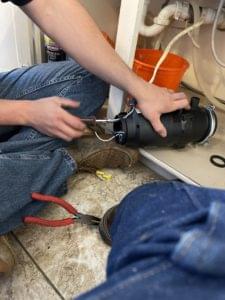
Attempting to fix gas lines on your own is not only illegal but also incredibly dangerous, posing risks of explosions or carbon monoxide poisoning. Professionals rely on advanced tools such as electronic sniffers, ultrasonic detectors, and nitrogen pressure tests to locate even the smallest leaks that DIY methods can’t detect. If you suspect a gas leak, evacuate your home immediately. From a safe distance, call 911 or your utility provider before reaching out to a professional plumber.
For these types of complex and hazardous situations, professional expertise is non-negotiable.
Round Rock Plumbing Gas Line Services
Understanding the dangers associated with gas line issues, Round Rock Plumbing provides fast and reliable services to address these emergencies. They offer 24/7 gas line repair across Williamson County, covering areas like Round Rock, Hutto, Leander, Pflugerville, Wells Branch, Jollyville, and Cedar Park. With a Master Plumber License (#38353) and a stellar 4.9/5 customer rating, they’re a trusted name in the field.
"Our trained professionals will be at your address in virtually no time and will take care of the problem right away. Here at Round Rock Plumbing, we pride ourselves in dealing with gas line repairs in a matter of hours and not days." – Round Rock Plumbing
Their services include thorough leak detection using electronic tools, repairing damaged or corroded gas lines, troubleshooting gas appliances, and providing guidance on piping upgrades, all in compliance with Texas safety codes. Costs can vary: minor repairs typically range from $150 to $700, while major line replacements may cost $2,000 to $5,000 or more. They ensure transparency by offering upfront price estimates after assessing the situation.
Conclusion
This guide has covered the essential steps for identifying and responding to gas leaks in your home. Gas leaks demand immediate attention and decisive action. Key warning signs include unusual odors, changes in appliance flames, or physical symptoms like dizziness or nausea.
While DIY tests might help you spot obvious issues, only trained professionals can uncover hidden dangers. Using advanced tools like electronic sniffers, ultrasonic detectors, and nitrogen pressure tests, licensed technicians can detect leaks that manual methods often miss. Attempting DIY gas repairs is extremely risky and can lead to explosions, fires, or carbon monoxide poisoning.
To protect your home and loved ones, take these critical precautions: install gas and carbon monoxide detectors on every floor, schedule yearly inspections with certified technicians, and familiarize yourself with the location of your main gas shut-off valve. If you suspect a gas leak, evacuate immediately and contact emergency services.
For professional help, Round Rock Plumbing offers 24/7 emergency gas line services, including repairs and full replacements, throughout Williamson County.
Stay vigilant, act promptly, and rely on experts to ensure your gas systems remain safe and compliant with safety standards.
FAQs
Is a gas smell always a real leak?
If you notice a gas smell, it might signal a potential leak, but not every odor points to an actual issue. Sometimes, minor or misleading smells can happen. To be safe, you should investigate further using reliable methods, such as applying soapy water to check for bubbles, or reach out to a professional for a thorough inspection.
Can I shut off the gas myself safely?
If you think there’s a gas leak, your first priority should be safety. Evacuate the area immediately and avoid doing anything that could cause a spark or flame – this includes using electrical devices or turning switches on or off. While it’s helpful to know where your gas shut-off valve is located, don’t attempt to turn it off yourself unless you’ve been properly trained. Instead, contact emergency services or your gas utility provider right away and let the experts handle the situation.
How do I choose the right gas detector for my home?
When selecting a gas detector, focus on devices capable of identifying common household gases, such as natural gas, propane, or methane. Look for features that prioritize safety and convenience, including:
- Ease of installation: Opt for detectors that are simple to set up without professional assistance.
- Clear alarms: Ensure the device has loud, unambiguous alerts to notify you of potential gas leaks.
- Safety certifications: Check for certifications like UL or ETL, which guarantee the detector meets safety standards.
You can choose between portable handheld detectors, ideal for inspecting appliances, and fixed detectors, which are placed near gas lines for continuous monitoring. For enhanced functionality, consider models with digital displays for real-time readings and the ability to detect multiple gases simultaneously. These features can provide an extra layer of protection for your home.