Signs Your Gas Lines Need an Upgrade for Efficiency

Gas lines are essential for powering your home’s appliances, but aging or damaged lines can lead to inefficiency, safety risks, and higher costs. Here’s what you need to know:

  • High Utility Bills: If your gas bills suddenly increase (above $240/month in Round Rock), it might indicate leaks or inefficiency.
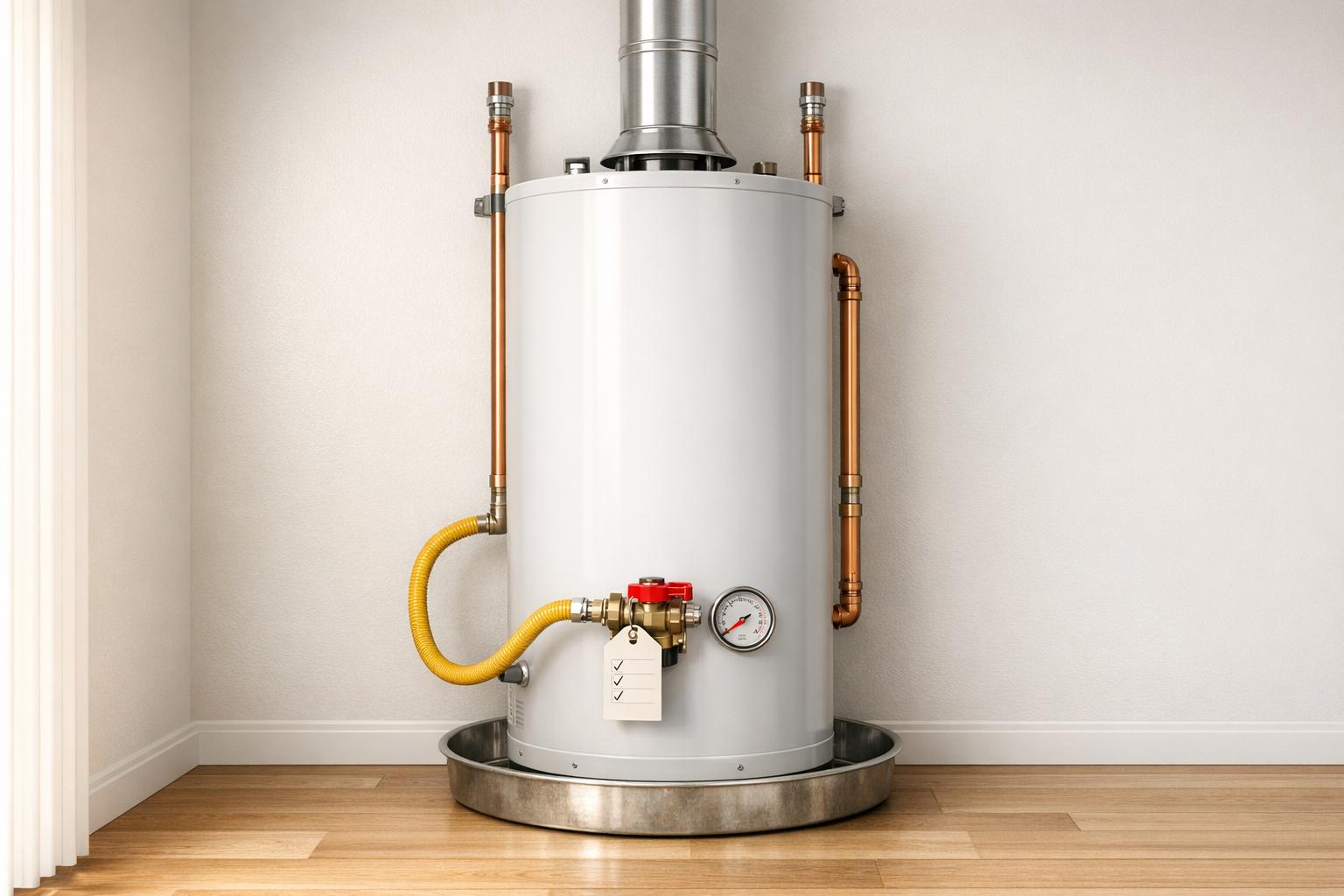
  • Appliance Issues: Weak stove flames, inconsistent water heater performance, or frequent pilot light outages can signal gas line problems.
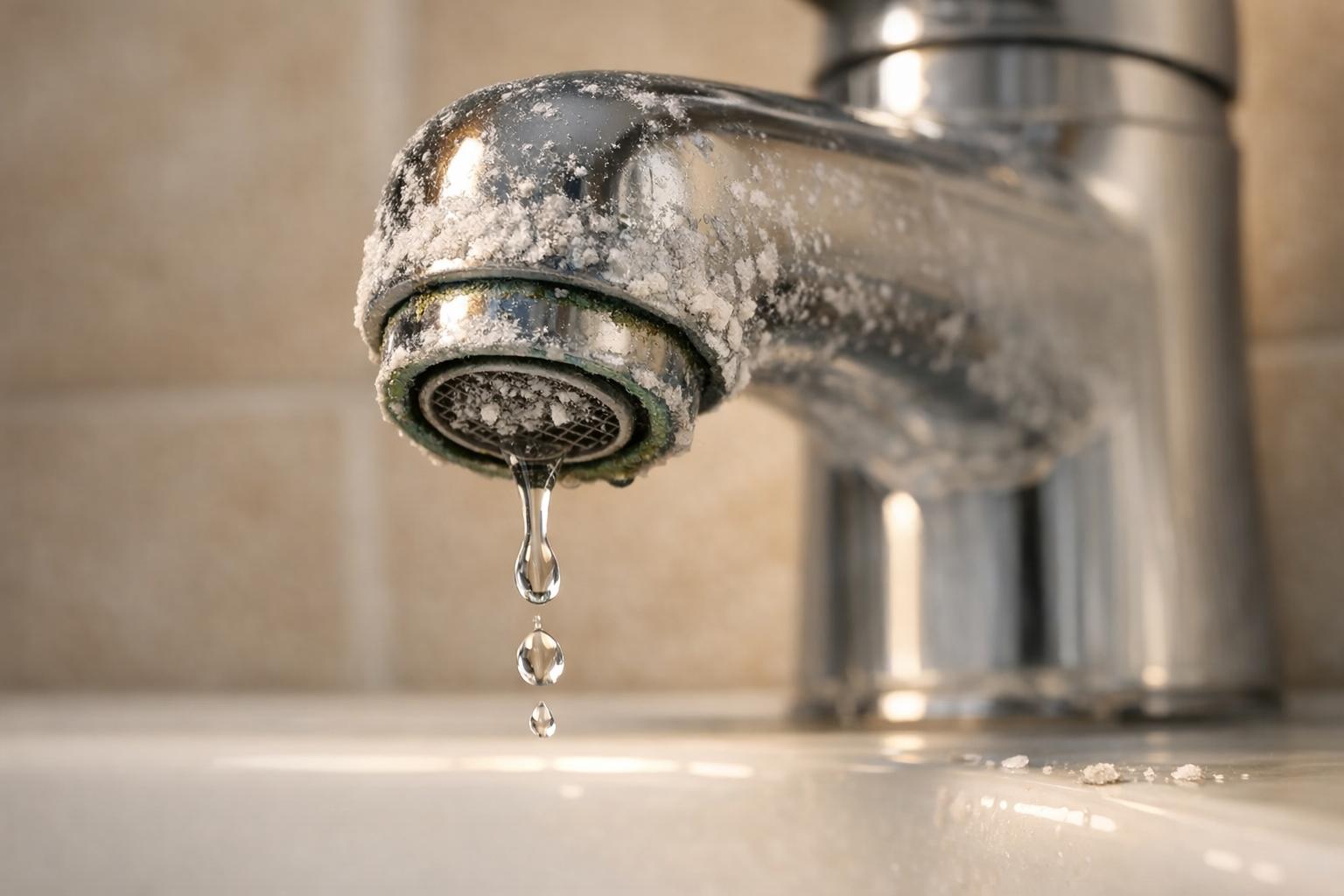
  • Visible Damage: Rust, cracks, or corrosion on exposed pipes are red flags.
  • Unusual Smells or Sounds: A rotten egg odor, hissing sounds, or dying plants near gas lines may indicate leaks.

Old pipes (20+ years) are more likely to corrode or crack, causing leaks and safety hazards. Upgrading improves gas pressure, appliance performance, and safety while reducing long-term costs. If your gas system is aging or showing signs of trouble, consider a professional inspection.

Warning Signs Your Gas Lines Need an Upgrade

Warning Signs Your Gas Lines Need an Upgrade

Everything to Know About Gas Lines in Plumbing

Signs Your Gas Lines May Need an Upgrade

Identifying gas line problems early can save you from costly repairs and potential safety hazards. Here’s how to spot the warning signs.

Unexplained Increases in Gas Bills

If your gas bill suddenly spikes without a clear reason, it could point to a leak or inefficient lines. Even small leaks can cause your meter to run continuously. A simple way to check: turn off all gas appliances and watch your meter – if the dial keeps moving, gas is escaping somewhere. Homes built between 1975 and 1995 often have black iron or galvanized steel pipes, which are prone to corrosion and pinhole leaks. As Benjamin Franklin Plumbing explains:

"Increasing gas bills could indicate leaking or damaged gas lines. Call your local plumber to inspect your lines and repair them as needed".

Inconsistent Appliance Performance

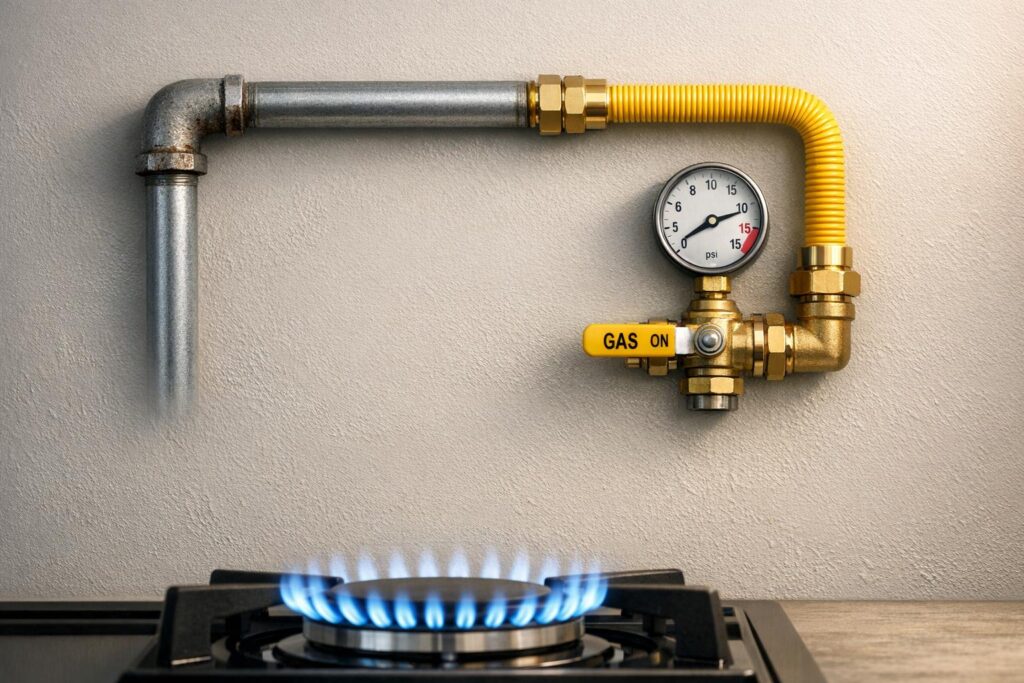
When your gas-powered appliances don’t work as they should, it might be due to aging or undersized gas lines. Signs include weak or yellow flames on gas stoves, water heaters struggling to maintain temperature, or furnaces cycling on and off. According to RP Gas Piping:

"If you notice that your gas stove’s flame is orange or yellow instead of blue, it could be a sign of incomplete combustion, which might be caused by a gas line issue".

If performance drops when multiple appliances run at the same time, your gas line might not be able to meet your home’s demand.

Frequent Pilot Light Outages

Constantly relighting pilot lights on appliances like water heaters or furnaces can be more than just a nuisance – it’s often a sign of unstable gas pressure due to aging lines. This issue can disrupt appliance performance and reduce energy efficiency, signaling the need for a line inspection.

Visible Deterioration or Corrosion on Gas Pipes

Take a look at any exposed gas pipes. If you see rust, cracks, pitting, or kinks, it’s time for a professional evaluation. Experts recommend inspecting exposed piping at least once a year. For pipes nearing 20–30 years old, Benjamin Franklin Plumbing advises:

"having your local plumbing professional inspect them is best".

Newer gas lines often have protective coatings to resist corrosion, but older pipes lack this safeguard, making them more vulnerable.

Unusual Smells or Sounds Near Gas Lines

Natural gas is odorless, but mercaptan – a chemical with a sulfur-like, rotten egg smell – is added to help detect leaks. If you notice this odor or hear hissing, whistling, or clunking near your gas lines, it could mean a leak. Other signs include dying plants, condensation on windows, or physical symptoms like dizziness and nausea. If you suspect a leak, evacuate immediately, avoid sparking devices, and call 911 or your utility company from a safe location. Outdoors, bubbling in standing water, muddy areas, or dead grass patches above buried lines may indicate underground leaks.

How Upgrading Gas Lines Solves Efficiency Issues

When signs of trouble arise, upgrading your gas lines is a crucial step to restore both safety and efficiency. Modernizing your system not only tackles performance problems but also addresses inefficiencies that older setups often face.

Improved Gas Pressure and Appliance Performance

Modern gas lines are designed to stabilize gas pressure and ensure a steady fuel flow, eliminating the bottlenecks common in older systems. Upgrading to larger-diameter pipes allows your system to meet the higher BTU demands of today’s appliances – like tankless water heaters and high-capacity furnaces – without compromising the performance of other devices. Additionally, new gas lines remove corrosion and blockages that can strain appliances, improving their overall efficiency.

Flexible piping, now widely used, reduces the number of joints and connections compared to rigid materials. Fewer joints mean fewer potential friction points, ensuring consistent gas pressure and optimal combustion. It’s also a good idea to upgrade flexible appliance connectors if they’re over 20 years old, as aging connectors can crack or kink, creating potential hazards.

Leak Prevention and Improved Safety

Modern gas line systems are far safer, with reduced risks of leaks that could lead to fires, explosions, or health concerns like carbon monoxide poisoning. Symptoms of carbon monoxide exposure include dizziness and nausea, making prevention critical. Professional plumbers in Round Rock perform pressure testing to confirm the system is leak-free and properly balanced before restoring service. Up-to-date gas infrastructure also complies with current building codes and safety standards, and routine inspections can identify early signs of wear or corrosion before they become serious problems.

Long-Term Cost Savings

Investing in upgraded gas lines can save you money in the long run. With improved fuel flow and stable pressure, appliances operate more efficiently, reducing wasted gas and lowering monthly utility bills. A well-functioning system also helps prevent costly emergency repairs or sudden failures. Properly sized gas lines ensure appliances don’t overwork, which extends their lifespan and delays expensive replacements.

Modern gas systems also protect your home from structural damage caused by undetected leaks, help maintain valid insurance coverage, and add lasting value to your property. Plus, they prepare your home for any future high-demand appliances or additions.

Pipe Material Estimated Lifespan Common Issues
Black Iron 50–100 Years Rust and corrosion over time
Galvanized Steel 40–50 Years Zinc coating wear and corrosion
CSST (Flexible) 30–50 Years Vulnerable to physical damage

Upgrading proactively helps avoid these problems, safeguarding both your home and your budget for years to come.

Why Choose Round Rock Plumbing for Gas Line Upgrades

Round Rock Plumbing

Expertise in Gas Line Repair and Replacement

With over 8 years of experience and a Master Plumber License (#38353), Round Rock Plumbing brings a wealth of expertise to every gas line project. Their team of in-house professionals combines decades of hands-on experience in both residential and commercial gas line repairs and upgrades across Williamson County. As a trusted, locally owned family business, they’ve earned a stellar 4.9-star rating from satisfied customers who highlight their professionalism and quick service.

Need help fast? Their 24/7 emergency response ensures gas line issues are addressed within hours. Every installation is completed to meet current building codes and the highest safety standards. As they explain:

"We were formed because we saw the gap to overcome the negative in the industry."

Advanced Diagnostic Technology

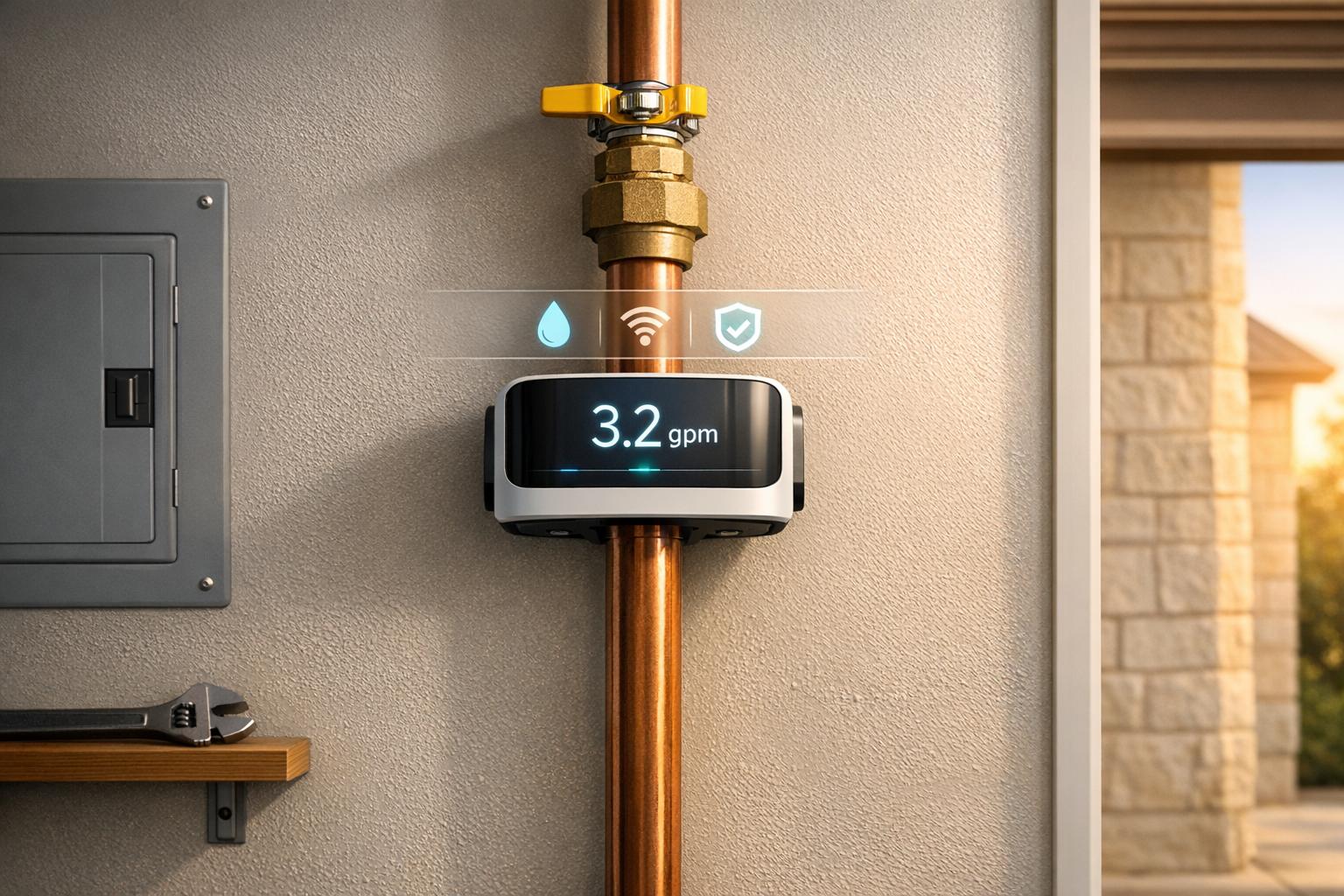
Round Rock Plumbing uses state-of-the-art diagnostic tools to identify gas line issues with pinpoint accuracy. Their electronic leak detection and pressure testing tools allow them to locate exact problem areas – whether at joints, valve stems, or fittings – eliminating unnecessary repairs or replacements.

Before starting any work, their technicians conduct a thorough assessment and provide a clear, upfront price estimate. They also inspect connected gas appliances to ensure they’re receiving the proper fuel flow, helping to maintain peak performance.

Customized Solutions for Local Homes and Businesses

Every property has its own unique gas line requirements, and Round Rock Plumbing tailors its services accordingly. They serve a range of areas, including Round Rock, Hutto, Leander, Pflugerville, Wells Branch, Jollyville, and Cedar Park. Their team conducts personalized on-site assessments to determine the most effective and budget-friendly upgrade options.

Whether it’s choosing flexible piping for a remodel or black iron for long-term durability, their experts guide you through material selection and appliance recommendations to maximize system efficiency. By focusing on solutions tailored to each property, they aim to eliminate energy inefficiencies while enhancing safety and reliability for both homes and businesses.

Conclusion

Gas lines play a crucial role in ensuring safety and efficiency. If you’ve noticed unexpected increases in your utility bills, appliances that aren’t functioning consistently, or visible signs of pipe corrosion, it’s a clear sign that action is needed.

Addressing these problems early can lead to meaningful improvements. Upgrading your gas lines enhances safety, boosts performance, and can lower your gas bills over time. Modern systems reduce risks tied to aging infrastructure, such as carbon monoxide leaks, fires, or explosions. Even newer systems can face challenges when handling increased demand from upgraded appliances.

If your gas lines are nearing 20 to 30 years of use, scheduling a professional inspection is vital. Updating your system not only improves efficiency but also tackles safety concerns head-on.

Round Rock Plumbing offers free initial inspections and financing options to make upgrades more manageable. Their licensed experts utilize advanced diagnostic tools to identify issues and ensure your gas system complies with Texas safety standards. Plus, with 24/7 emergency services, Round Rock Plumbing is always ready to safeguard your home or business.

Reach out to Round Rock Plumbing today to book your gas line inspection and enjoy a safer, more efficient system.

FAQs

How do I confirm a gas leak at home?

To identify a gas leak, pay attention to warning signs such as a strong sulfur or rotten egg odor, unusual hissing or whistling sounds near gas lines, or patches of dead vegetation in otherwise healthy areas. If you think there’s a leak, take immediate action: shut off the gas supply, open windows and doors to ventilate the space, evacuate everyone from the building, and avoid using electrical switches, appliances, or open flames. Once you’re safely out, contact emergency services or a licensed plumber to handle the situation and perform necessary repairs. Safety first!

Should I repair my gas line or replace it?

Whether you should repair or replace your gas line largely depends on its age and condition. Indicators like the smell of rotten eggs, unusual hissing sounds, or unexpectedly high gas bills often point to leaks or wear that might necessitate a replacement to ensure safety and efficiency. On the other hand, smaller issues, like minor cracks, could potentially be fixed. However, only a professional inspection can accurately assess the situation and recommend the safest and most effective solution to avoid future risks.

What does a gas line inspection include?

Gas line inspections usually include a pressure test to identify leaks. A licensed technician will seal the line, pressurize it with air or nitrogen, and monitor for any pressure drops – this signals the presence of a leak. They may also conduct a visual inspection to spot cracks or corrosion, listen carefully for hissing sounds, and check for the distinct "rotten egg" odor associated with gas leaks. In some cases, specialized tools are used to detect leaks that aren’t immediately visible.
Related Blog Posts

Signs Your Gas Lines Need an Upgrade for Efficiency

⚡️ Quick Quote

⚡️ Recent Post

Gas lines are essential for powering your home’s appliances, but aging or damaged lines can lead to inefficiency, safety risks, and higher costs. Here’s what you need to know:

  • High Utility Bills: If your gas bills suddenly increase (above $240/month in Round Rock), it might indicate leaks or inefficiency.
  • Appliance Issues: Weak stove flames, inconsistent water heater performance, or frequent pilot light outages can signal gas line problems.
  • Visible Damage: Rust, cracks, or corrosion on exposed pipes are red flags.
  • Unusual Smells or Sounds: A rotten egg odor, hissing sounds, or dying plants near gas lines may indicate leaks.

Old pipes (20+ years) are more likely to corrode or crack, causing leaks and safety hazards. Upgrading improves gas pressure, appliance performance, and safety while reducing long-term costs. If your gas system is aging or showing signs of trouble, consider a professional inspection.

Warning Signs Your Gas Lines Need an Upgrade

Warning Signs Your Gas Lines Need an Upgrade

Everything to Know About Gas Lines in Plumbing

Signs Your Gas Lines May Need an Upgrade

Identifying gas line problems early can save you from costly repairs and potential safety hazards. Here’s how to spot the warning signs.

Unexplained Increases in Gas Bills

If your gas bill suddenly spikes without a clear reason, it could point to a leak or inefficient lines. Even small leaks can cause your meter to run continuously. A simple way to check: turn off all gas appliances and watch your meter – if the dial keeps moving, gas is escaping somewhere. Homes built between 1975 and 1995 often have black iron or galvanized steel pipes, which are prone to corrosion and pinhole leaks. As Benjamin Franklin Plumbing explains:

"Increasing gas bills could indicate leaking or damaged gas lines. Call your local plumber to inspect your lines and repair them as needed".

Inconsistent Appliance Performance

When your gas-powered appliances don’t work as they should, it might be due to aging or undersized gas lines. Signs include weak or yellow flames on gas stoves, water heaters struggling to maintain temperature, or furnaces cycling on and off. According to RP Gas Piping:

"If you notice that your gas stove’s flame is orange or yellow instead of blue, it could be a sign of incomplete combustion, which might be caused by a gas line issue".

If performance drops when multiple appliances run at the same time, your gas line might not be able to meet your home’s demand.

Frequent Pilot Light Outages

Constantly relighting pilot lights on appliances like water heaters or furnaces can be more than just a nuisance – it’s often a sign of unstable gas pressure due to aging lines. This issue can disrupt appliance performance and reduce energy efficiency, signaling the need for a line inspection.

Visible Deterioration or Corrosion on Gas Pipes

Take a look at any exposed gas pipes. If you see rust, cracks, pitting, or kinks, it’s time for a professional evaluation. Experts recommend inspecting exposed piping at least once a year. For pipes nearing 20–30 years old, Benjamin Franklin Plumbing advises:

"having your local plumbing professional inspect them is best".

Newer gas lines often have protective coatings to resist corrosion, but older pipes lack this safeguard, making them more vulnerable.

Unusual Smells or Sounds Near Gas Lines

Natural gas is odorless, but mercaptan – a chemical with a sulfur-like, rotten egg smell – is added to help detect leaks. If you notice this odor or hear hissing, whistling, or clunking near your gas lines, it could mean a leak. Other signs include dying plants, condensation on windows, or physical symptoms like dizziness and nausea. If you suspect a leak, evacuate immediately, avoid sparking devices, and call 911 or your utility company from a safe location. Outdoors, bubbling in standing water, muddy areas, or dead grass patches above buried lines may indicate underground leaks.

How Upgrading Gas Lines Solves Efficiency Issues

When signs of trouble arise, upgrading your gas lines is a crucial step to restore both safety and efficiency. Modernizing your system not only tackles performance problems but also addresses inefficiencies that older setups often face.

Improved Gas Pressure and Appliance Performance

Modern gas lines are designed to stabilize gas pressure and ensure a steady fuel flow, eliminating the bottlenecks common in older systems. Upgrading to larger-diameter pipes allows your system to meet the higher BTU demands of today’s appliances – like tankless water heaters and high-capacity furnaces – without compromising the performance of other devices. Additionally, new gas lines remove corrosion and blockages that can strain appliances, improving their overall efficiency.

Flexible piping, now widely used, reduces the number of joints and connections compared to rigid materials. Fewer joints mean fewer potential friction points, ensuring consistent gas pressure and optimal combustion. It’s also a good idea to upgrade flexible appliance connectors if they’re over 20 years old, as aging connectors can crack or kink, creating potential hazards.

Leak Prevention and Improved Safety

Modern gas line systems are far safer, with reduced risks of leaks that could lead to fires, explosions, or health concerns like carbon monoxide poisoning. Symptoms of carbon monoxide exposure include dizziness and nausea, making prevention critical. Professional plumbers in Round Rock perform pressure testing to confirm the system is leak-free and properly balanced before restoring service. Up-to-date gas infrastructure also complies with current building codes and safety standards, and routine inspections can identify early signs of wear or corrosion before they become serious problems.

Long-Term Cost Savings

Investing in upgraded gas lines can save you money in the long run. With improved fuel flow and stable pressure, appliances operate more efficiently, reducing wasted gas and lowering monthly utility bills. A well-functioning system also helps prevent costly emergency repairs or sudden failures. Properly sized gas lines ensure appliances don’t overwork, which extends their lifespan and delays expensive replacements.

Modern gas systems also protect your home from structural damage caused by undetected leaks, help maintain valid insurance coverage, and add lasting value to your property. Plus, they prepare your home for any future high-demand appliances or additions.

Pipe Material Estimated Lifespan Common Issues
Black Iron 50–100 Years Rust and corrosion over time
Galvanized Steel 40–50 Years Zinc coating wear and corrosion
CSST (Flexible) 30–50 Years Vulnerable to physical damage

Upgrading proactively helps avoid these problems, safeguarding both your home and your budget for years to come.

Why Choose Round Rock Plumbing for Gas Line Upgrades

Round Rock Plumbing

Expertise in Gas Line Repair and Replacement

With over 8 years of experience and a Master Plumber License (#38353), Round Rock Plumbing brings a wealth of expertise to every gas line project. Their team of in-house professionals combines decades of hands-on experience in both residential and commercial gas line repairs and upgrades across Williamson County. As a trusted, locally owned family business, they’ve earned a stellar 4.9-star rating from satisfied customers who highlight their professionalism and quick service.

Need help fast? Their 24/7 emergency response ensures gas line issues are addressed within hours. Every installation is completed to meet current building codes and the highest safety standards. As they explain:

"We were formed because we saw the gap to overcome the negative in the industry."

Advanced Diagnostic Technology

Round Rock Plumbing uses state-of-the-art diagnostic tools to identify gas line issues with pinpoint accuracy. Their electronic leak detection and pressure testing tools allow them to locate exact problem areas – whether at joints, valve stems, or fittings – eliminating unnecessary repairs or replacements.

Before starting any work, their technicians conduct a thorough assessment and provide a clear, upfront price estimate. They also inspect connected gas appliances to ensure they’re receiving the proper fuel flow, helping to maintain peak performance.

Customized Solutions for Local Homes and Businesses

Every property has its own unique gas line requirements, and Round Rock Plumbing tailors its services accordingly. They serve a range of areas, including Round Rock, Hutto, Leander, Pflugerville, Wells Branch, Jollyville, and Cedar Park. Their team conducts personalized on-site assessments to determine the most effective and budget-friendly upgrade options.

Whether it’s choosing flexible piping for a remodel or black iron for long-term durability, their experts guide you through material selection and appliance recommendations to maximize system efficiency. By focusing on solutions tailored to each property, they aim to eliminate energy inefficiencies while enhancing safety and reliability for both homes and businesses.

Conclusion

Gas lines play a crucial role in ensuring safety and efficiency. If you’ve noticed unexpected increases in your utility bills, appliances that aren’t functioning consistently, or visible signs of pipe corrosion, it’s a clear sign that action is needed.

Addressing these problems early can lead to meaningful improvements. Upgrading your gas lines enhances safety, boosts performance, and can lower your gas bills over time. Modern systems reduce risks tied to aging infrastructure, such as carbon monoxide leaks, fires, or explosions. Even newer systems can face challenges when handling increased demand from upgraded appliances.

If your gas lines are nearing 20 to 30 years of use, scheduling a professional inspection is vital. Updating your system not only improves efficiency but also tackles safety concerns head-on.

Round Rock Plumbing offers free initial inspections and financing options to make upgrades more manageable. Their licensed experts utilize advanced diagnostic tools to identify issues and ensure your gas system complies with Texas safety standards. Plus, with 24/7 emergency services, Round Rock Plumbing is always ready to safeguard your home or business.

Reach out to Round Rock Plumbing today to book your gas line inspection and enjoy a safer, more efficient system.

FAQs

How do I confirm a gas leak at home?

To identify a gas leak, pay attention to warning signs such as a strong sulfur or rotten egg odor, unusual hissing or whistling sounds near gas lines, or patches of dead vegetation in otherwise healthy areas. If you think there’s a leak, take immediate action: shut off the gas supply, open windows and doors to ventilate the space, evacuate everyone from the building, and avoid using electrical switches, appliances, or open flames. Once you’re safely out, contact emergency services or a licensed plumber to handle the situation and perform necessary repairs. Safety first!

Should I repair my gas line or replace it?

Whether you should repair or replace your gas line largely depends on its age and condition. Indicators like the smell of rotten eggs, unusual hissing sounds, or unexpectedly high gas bills often point to leaks or wear that might necessitate a replacement to ensure safety and efficiency. On the other hand, smaller issues, like minor cracks, could potentially be fixed. However, only a professional inspection can accurately assess the situation and recommend the safest and most effective solution to avoid future risks.

What does a gas line inspection include?

Gas line inspections usually include a pressure test to identify leaks. A licensed technician will seal the line, pressurize it with air or nitrogen, and monitor for any pressure drops – this signals the presence of a leak. They may also conduct a visual inspection to spot cracks or corrosion, listen carefully for hissing sounds, and check for the distinct "rotten egg" odor associated with gas leaks. In some cases, specialized tools are used to detect leaks that aren’t immediately visible.
Related Blog Posts

Round Rock Plumbing

Your Williamson County plumbing team.

Related Posts

You might also like...