Benefits of Regular Water Pressure Testing

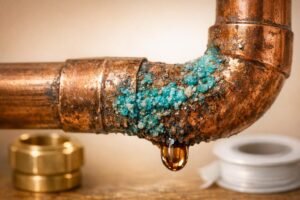
Testing your home’s water pressure is just as important as routine car maintenance or health checkups. It ensures your plumbing system runs smoothly, prevents costly damage, and keeps water-using appliances efficient. Here’s why it matters:

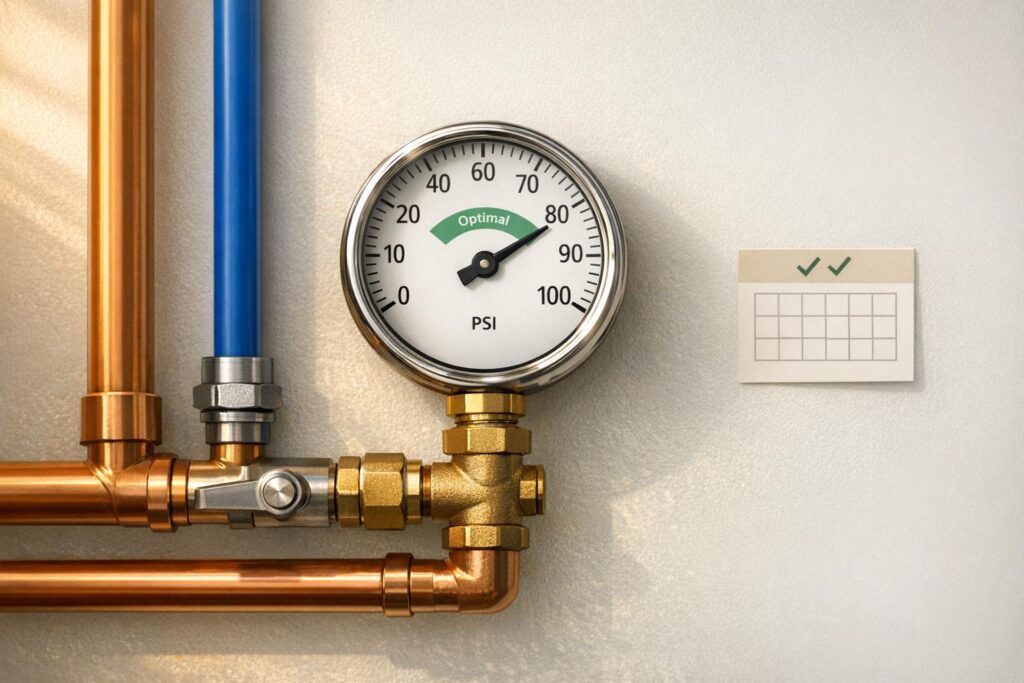
  • Ideal Range: Water pressure should stay between 40–60 psi. Anything above 80 psi can damage pipes and appliances, while lower pressure signals potential leaks.
  • Risks of High Pressure: Causes pipe erosion, bursts, and shortens appliance lifespan. Municipal supplies can exceed 200 psi, making a pressure regulator crucial.
  • Low Pressure Issues: Indicates leaks, weak seals, or faulty connections, which can quietly inflate utility bills.
  • Simple Solution: A basic pressure gauge costs $10–$15, but professional testing offers a deeper assessment of your plumbing’s health.

Regular testing (twice a year) helps you catch problems early, reduce repair costs, and extend the life of your plumbing system and appliances. Don’t wait for a burst pipe or a high water bill – stay ahead of potential issues by monitoring your water pressure.

Water Pressure Safety Ranges and Warning Signs Guide

Water Pressure Safety Ranges and Warning Signs Guide

How to Test Water Pressure at Home (and Adjust It Fast!)

What Is Water Pressure Testing?

Water pressure testing measures how strongly water flows through your pipes, expressed in pounds per square inch (psi). The process is simple: you attach a pressure gauge with female hose threads to an outdoor hose bib or the cold water faucet of your washing machine. Once the connection is secure, water moves the gauge needle to display the pressure. If the gauge leaks, you can tighten it further using a wrench.

To get an accurate static pressure reading, make sure all water-using appliances are turned off before starting the test. The best results come from testing an outdoor hose bib closest to your main water supply or the cold water faucet of your washing machine. The entire process takes about 10 minutes, and you can pick up a basic gauge at a hardware store for $10–$15. Regular testing can catch potential problems early, saving you from expensive repairs down the line.

For most homes, the ideal water pressure falls between 40 and 60 psi. If it drops below 40 psi, you might notice weak showerheads or slow-filling appliances. On the flip side, anything above 80 psi is often flagged as unsafe by building codes, as it can put too much strain on your pipes and fixtures.

"Too low means ‘not enough water getting through,’ and too high means ‘too much force hitting your pipes and fixtures.’"
– Max Rose, Owner, Four Seasons Plumbing

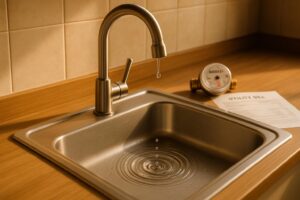
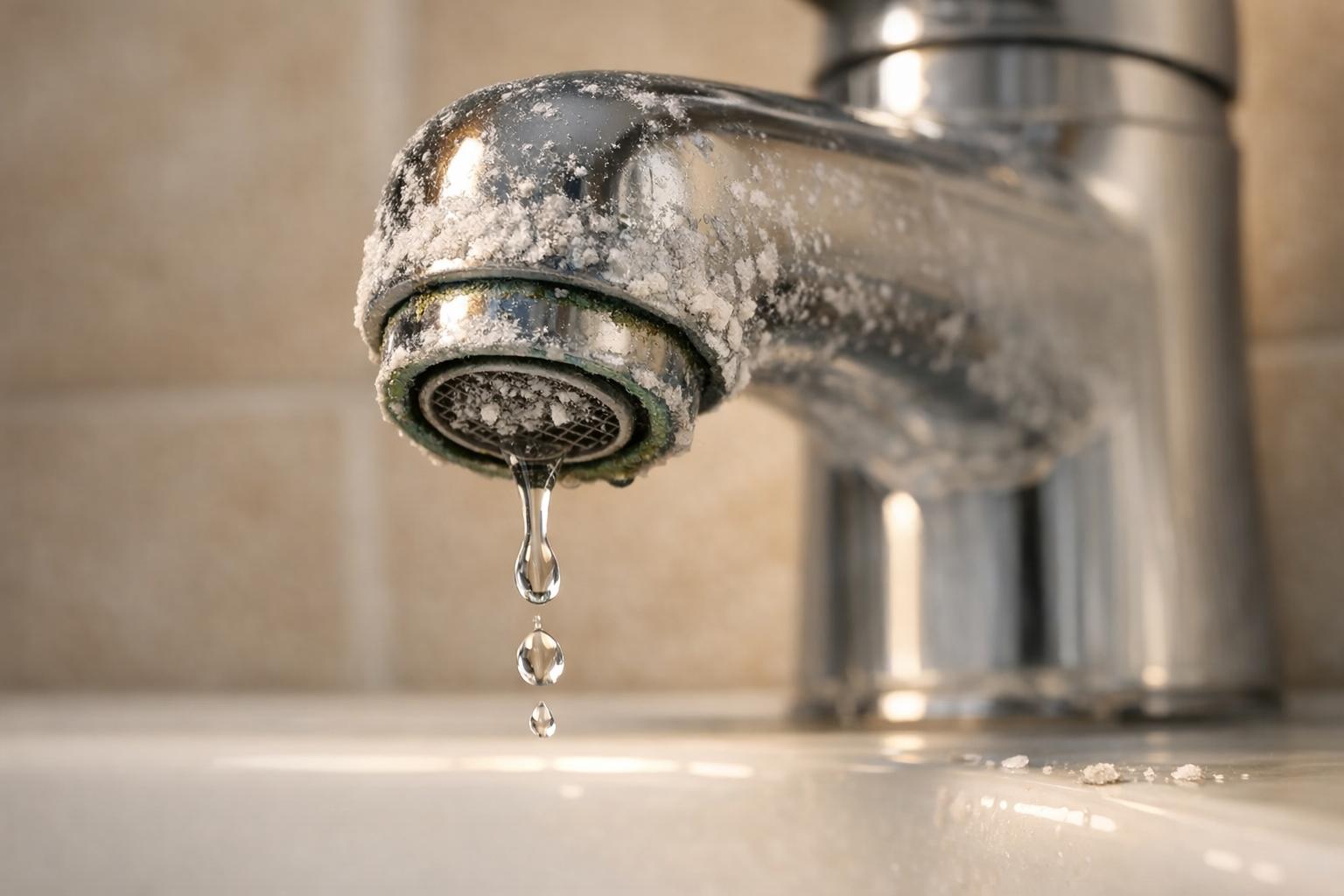
Certain warning signs suggest it’s time to test your water pressure. High pressure can cause issues like water hammer (a loud banging noise when faucets are turned off), dripping faucets, running toilets, or even unexpected spikes in your water bill. Low pressure, on the other hand, might show up as weak shower flow, slow-filling appliances, or a one-gallon bucket taking longer than 15 seconds to fill from a fully open faucet.

This quick and simple test is a key step toward maintaining a well-functioning plumbing system.

Key Benefits of Regular Water Pressure Testing

Early Detection of Plumbing Problems

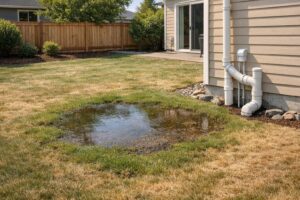
Regular water pressure testing is like having a health check-up for your plumbing system. It helps spot hidden issues, like leaks, weak seals, or faulty connections, that might be lurking behind walls, under floors, or even underground. These unnoticed problems can escalate into major disasters like pipe bursts or flooding if left unchecked. Testing also ensures pressure-reducing valves (PRVs) remain calibrated. When these fail, they can cause sudden pressure spikes that damage your system. If you notice unusual increases in your water bill, damp spots, musty smells, or hear water running when all taps are off, it’s time for a test. Catching these issues early not only saves money but also extends the life of your plumbing system.

Lower Repair Costs and Utility Bills

Excessive water pressure can quietly drain your wallet. It wastes water, causes premature wear on plumbing, and leads to higher utility bills. By identifying small leaks or a failing regulator early, you can avoid the hefty costs of repairing structural water damage, dealing with mold, or calling an emergency plumber in Round Rock. Proper water pressure also ensures appliances like washing machines work efficiently. When pressure is too low, these machines take longer to complete cycles, burning more energy and inflating your utility bills.

"A water pressure regulator is a small investment that can save homeowners significant money and stress in the long run."
Linek Plumbing Company

Longer-Lasting Plumbing Systems and Fixtures

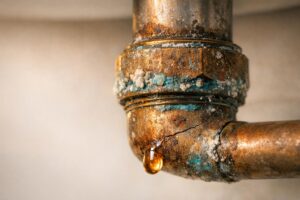
Excessive water pressure is like constant wear and tear on your pipes and fixtures. It stresses pipe joints, seals, and valves, leading to faster deterioration, pinhole leaks, or sudden failures. High pressure also reduces the air cushion in pipes, causing water hammer – a loud banging sound when faucets are turned off – and vibrations that damage fixtures. Appliances such as dishwashers, washing machines, and water heaters are designed to work within specific pressure ranges. When exceeded, internal seals can rupture, and components wear out faster, cutting years off their lifespan. Regular testing helps you know when to replace pressure-reducing valves, which typically last 10 to 15 years.

"Pipes under constant high pressure can develop pinhole leaks or joint failures. Over time, this can escalate into full-blown water damage or foundation issues."
Tom’s Mechanical

Better Performance of Water-Using Appliances

Appliances like dishwashers, washing machines, and water heaters depend on consistent water pressure to function properly. The ideal range is 45 to 80 PSI. When pressure exceeds 80 PSI, it can damage internal components that regulate water flow and temperature, leading to premature failure. On the flip side, pressure below 45 PSI results in weak flow and longer cycles, wasting both water and energy. Warning signs include uneven water flow, frequent leaks in appliances like ice makers, and devices failing before their expected lifespan. Regular pressure testing ensures your appliances run efficiently and helps prevent water damage to your property.

Prevention of Water Damage

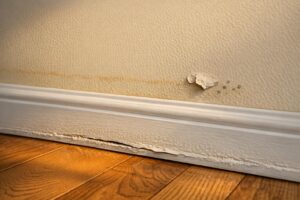
Water pressure testing is a proactive way to guard against potential disasters. It helps identify risks like pipe bursts or joint failures before they cause catastrophic damage to your home’s structure. A single burst pipe can lead to thousands of dollars in repairs to flooring, drywall, insulation, and personal belongings. High pressure can even contribute to foundation issues over time. Additionally, water damage can lead to mold growth within 24 to 48 hours, creating health risks and requiring costly remediation. By testing water pressure as part of your routine maintenance – ideally twice a year – you can catch these risks early and safeguard both your home and your family’s well-being.

How Round Rock Plumbing Conducts Water Pressure Testing

Round Rock Plumbing

Round Rock Plumbing starts every water pressure test with a thorough property assessment and provides a clear price estimate upfront. The process begins by shutting off all faucets, valves, and the main water supply. A pressure gauge is then connected – often at an outdoor hose spigot or the cold water supply for a washing machine – to measure the system’s pressure levels.

The system pressure is increased to 60–80 psi and held steady for 15–30 minutes. Any drop in pressure during this time signals the presence of a leak. This hydrostatic testing method effectively identifies whether a leak exists, how severe it is, and approximately where it might be located. This initial step ensures accurate diagnostics without unnecessary guesswork.

When a pressure drop is detected, Round Rock Plumbing takes it a step further by utilizing advanced, non-invasive diagnostic tools to pinpoint the exact leak location. These tools include:

  • Acoustic listening devices: Used to detect the sound of water escaping from pressurized pipes.
  • Infrared thermal imaging cameras: Identify temperature changes caused by hidden leaks.
  • Tracer gas detection: Involves using a safe, non-toxic gas to locate hard-to-find leaks.
  • Video camera pipe inspection: High-resolution fiber-optic cameras provide a clear view inside drain lines.

"We use state-of-the-art, non-invasive technology to accurately pinpoint the exact source of water leaks anywhere on your property – behind walls, under concrete slabs, and underground – all without unnecessary destruction." – Round Rock Plumbing

With over 8 years of experience, a Master Plumber License (#38353), and a stellar 4.9-star rating, Round Rock Plumbing ensures precise repairs while keeping property damage to a minimum. Their focus on accuracy and efficiency sets them apart in delivering reliable solutions.

Conclusion: Protect Your Property with Regular Testing

Keeping up with regular water pressure testing is a smart way to safeguard your plumbing system and avoid those unexpected, expensive repairs. By maintaining water pressure within the safe range of 40 to 80 PSI, you can help extend the lifespan of your pipes, fixtures, and appliances.

These tests also act as an early warning system, identifying hidden issues like slab leaks, pinhole leaks, or weak joints before they turn into major problems like burst pipes, flooding, or even damage to your home’s foundation. Plus, they reduce wear and tear on appliances such as water heaters, dishwashers, and washing machines.

"Keeping your home’s water pressure between 40 and 80 PSI will help protect your plumbing, extend the life of your appliances, and ensure comfort for you and your family." – Aaron Davis, Certified Master Inspector, Inspection Time

Round Rock Plumbing uses cutting-edge diagnostic tools to perform precise, non-invasive water pressure tests. This approach minimizes disruption while ensuring your plumbing system stays efficient and reliable.

Don’t wait for a problem to arise – schedule your water pressure test with Round Rock Plumbing today. Visit roundrockplumbing.co for more information and 24/7 assistance.

FAQs

Should I test water pressure at multiple faucets?

Testing water pressure at several faucets is a smart way to get a better understanding of how your plumbing system is working. It shows whether low pressure is limited to certain fixtures or impacts the whole house. This approach can also reveal if pressure drops happen only when multiple faucets or fixtures are running at the same time, which could indicate deeper issues with water flow or the system’s capacity.

Can a pressure regulator fix both high and low pressure?

A pressure regulator is built to lower high water pressure to a safe, manageable level. However, it’s not designed to address low pressure. Its main job is to control and reduce excessive pressure, not to boost it.

What should I do if my water pressure changes during the day?

Sudden changes in water pressure can stem from several causes, such as leaks, a malfunctioning pressure regulator, or shifts in the municipal water supply. Start by inspecting pipes, fixtures, and appliances for any signs of leaks, as these can have a major impact on pressure levels. Next, confirm that your pressure regulator is operating correctly. If the problem continues, it’s a good idea to arrange for a professional water pressure test. This can help pinpoint the root cause and address it before it escalates into expensive repairs.

Related Blog Posts

Benefits of Regular Water Pressure Testing

⚡️ Quick Quote

⚡️ Recent Post

Testing your home’s water pressure is just as important as routine car maintenance or health checkups. It ensures your plumbing system runs smoothly, prevents costly damage, and keeps water-using appliances efficient. Here’s why it matters:

  • Ideal Range: Water pressure should stay between 40–60 psi. Anything above 80 psi can damage pipes and appliances, while lower pressure signals potential leaks.
  • Risks of High Pressure: Causes pipe erosion, bursts, and shortens appliance lifespan. Municipal supplies can exceed 200 psi, making a pressure regulator crucial.
  • Low Pressure Issues: Indicates leaks, weak seals, or faulty connections, which can quietly inflate utility bills.
  • Simple Solution: A basic pressure gauge costs $10–$15, but professional testing offers a deeper assessment of your plumbing’s health.

Regular testing (twice a year) helps you catch problems early, reduce repair costs, and extend the life of your plumbing system and appliances. Don’t wait for a burst pipe or a high water bill – stay ahead of potential issues by monitoring your water pressure.

Water Pressure Safety Ranges and Warning Signs Guide

Water Pressure Safety Ranges and Warning Signs Guide

How to Test Water Pressure at Home (and Adjust It Fast!)

What Is Water Pressure Testing?

Water pressure testing measures how strongly water flows through your pipes, expressed in pounds per square inch (psi). The process is simple: you attach a pressure gauge with female hose threads to an outdoor hose bib or the cold water faucet of your washing machine. Once the connection is secure, water moves the gauge needle to display the pressure. If the gauge leaks, you can tighten it further using a wrench.

To get an accurate static pressure reading, make sure all water-using appliances are turned off before starting the test. The best results come from testing an outdoor hose bib closest to your main water supply or the cold water faucet of your washing machine. The entire process takes about 10 minutes, and you can pick up a basic gauge at a hardware store for $10–$15. Regular testing can catch potential problems early, saving you from expensive repairs down the line.

For most homes, the ideal water pressure falls between 40 and 60 psi. If it drops below 40 psi, you might notice weak showerheads or slow-filling appliances. On the flip side, anything above 80 psi is often flagged as unsafe by building codes, as it can put too much strain on your pipes and fixtures.

"Too low means ‘not enough water getting through,’ and too high means ‘too much force hitting your pipes and fixtures.’"
– Max Rose, Owner, Four Seasons Plumbing

Certain warning signs suggest it’s time to test your water pressure. High pressure can cause issues like water hammer (a loud banging noise when faucets are turned off), dripping faucets, running toilets, or even unexpected spikes in your water bill. Low pressure, on the other hand, might show up as weak shower flow, slow-filling appliances, or a one-gallon bucket taking longer than 15 seconds to fill from a fully open faucet.

This quick and simple test is a key step toward maintaining a well-functioning plumbing system.

Key Benefits of Regular Water Pressure Testing

Early Detection of Plumbing Problems

Regular water pressure testing is like having a health check-up for your plumbing system. It helps spot hidden issues, like leaks, weak seals, or faulty connections, that might be lurking behind walls, under floors, or even underground. These unnoticed problems can escalate into major disasters like pipe bursts or flooding if left unchecked. Testing also ensures pressure-reducing valves (PRVs) remain calibrated. When these fail, they can cause sudden pressure spikes that damage your system. If you notice unusual increases in your water bill, damp spots, musty smells, or hear water running when all taps are off, it’s time for a test. Catching these issues early not only saves money but also extends the life of your plumbing system.

Lower Repair Costs and Utility Bills

Excessive water pressure can quietly drain your wallet. It wastes water, causes premature wear on plumbing, and leads to higher utility bills. By identifying small leaks or a failing regulator early, you can avoid the hefty costs of repairing structural water damage, dealing with mold, or calling an emergency plumber in Round Rock. Proper water pressure also ensures appliances like washing machines work efficiently. When pressure is too low, these machines take longer to complete cycles, burning more energy and inflating your utility bills.

"A water pressure regulator is a small investment that can save homeowners significant money and stress in the long run."
Linek Plumbing Company

Longer-Lasting Plumbing Systems and Fixtures

Excessive water pressure is like constant wear and tear on your pipes and fixtures. It stresses pipe joints, seals, and valves, leading to faster deterioration, pinhole leaks, or sudden failures. High pressure also reduces the air cushion in pipes, causing water hammer – a loud banging sound when faucets are turned off – and vibrations that damage fixtures. Appliances such as dishwashers, washing machines, and water heaters are designed to work within specific pressure ranges. When exceeded, internal seals can rupture, and components wear out faster, cutting years off their lifespan. Regular testing helps you know when to replace pressure-reducing valves, which typically last 10 to 15 years.

"Pipes under constant high pressure can develop pinhole leaks or joint failures. Over time, this can escalate into full-blown water damage or foundation issues."
Tom’s Mechanical

Better Performance of Water-Using Appliances

Appliances like dishwashers, washing machines, and water heaters depend on consistent water pressure to function properly. The ideal range is 45 to 80 PSI. When pressure exceeds 80 PSI, it can damage internal components that regulate water flow and temperature, leading to premature failure. On the flip side, pressure below 45 PSI results in weak flow and longer cycles, wasting both water and energy. Warning signs include uneven water flow, frequent leaks in appliances like ice makers, and devices failing before their expected lifespan. Regular pressure testing ensures your appliances run efficiently and helps prevent water damage to your property.

Prevention of Water Damage

Water pressure testing is a proactive way to guard against potential disasters. It helps identify risks like pipe bursts or joint failures before they cause catastrophic damage to your home’s structure. A single burst pipe can lead to thousands of dollars in repairs to flooring, drywall, insulation, and personal belongings. High pressure can even contribute to foundation issues over time. Additionally, water damage can lead to mold growth within 24 to 48 hours, creating health risks and requiring costly remediation. By testing water pressure as part of your routine maintenance – ideally twice a year – you can catch these risks early and safeguard both your home and your family’s well-being.

How Round Rock Plumbing Conducts Water Pressure Testing

Round Rock Plumbing

Round Rock Plumbing starts every water pressure test with a thorough property assessment and provides a clear price estimate upfront. The process begins by shutting off all faucets, valves, and the main water supply. A pressure gauge is then connected – often at an outdoor hose spigot or the cold water supply for a washing machine – to measure the system’s pressure levels.

The system pressure is increased to 60–80 psi and held steady for 15–30 minutes. Any drop in pressure during this time signals the presence of a leak. This hydrostatic testing method effectively identifies whether a leak exists, how severe it is, and approximately where it might be located. This initial step ensures accurate diagnostics without unnecessary guesswork.

When a pressure drop is detected, Round Rock Plumbing takes it a step further by utilizing advanced, non-invasive diagnostic tools to pinpoint the exact leak location. These tools include:

  • Acoustic listening devices: Used to detect the sound of water escaping from pressurized pipes.
  • Infrared thermal imaging cameras: Identify temperature changes caused by hidden leaks.
  • Tracer gas detection: Involves using a safe, non-toxic gas to locate hard-to-find leaks.
  • Video camera pipe inspection: High-resolution fiber-optic cameras provide a clear view inside drain lines.

"We use state-of-the-art, non-invasive technology to accurately pinpoint the exact source of water leaks anywhere on your property – behind walls, under concrete slabs, and underground – all without unnecessary destruction." – Round Rock Plumbing

With over 8 years of experience, a Master Plumber License (#38353), and a stellar 4.9-star rating, Round Rock Plumbing ensures precise repairs while keeping property damage to a minimum. Their focus on accuracy and efficiency sets them apart in delivering reliable solutions.

Conclusion: Protect Your Property with Regular Testing

Keeping up with regular water pressure testing is a smart way to safeguard your plumbing system and avoid those unexpected, expensive repairs. By maintaining water pressure within the safe range of 40 to 80 PSI, you can help extend the lifespan of your pipes, fixtures, and appliances.

These tests also act as an early warning system, identifying hidden issues like slab leaks, pinhole leaks, or weak joints before they turn into major problems like burst pipes, flooding, or even damage to your home’s foundation. Plus, they reduce wear and tear on appliances such as water heaters, dishwashers, and washing machines.

"Keeping your home’s water pressure between 40 and 80 PSI will help protect your plumbing, extend the life of your appliances, and ensure comfort for you and your family." – Aaron Davis, Certified Master Inspector, Inspection Time

Round Rock Plumbing uses cutting-edge diagnostic tools to perform precise, non-invasive water pressure tests. This approach minimizes disruption while ensuring your plumbing system stays efficient and reliable.

Don’t wait for a problem to arise – schedule your water pressure test with Round Rock Plumbing today. Visit roundrockplumbing.co for more information and 24/7 assistance.

FAQs

Should I test water pressure at multiple faucets?

Testing water pressure at several faucets is a smart way to get a better understanding of how your plumbing system is working. It shows whether low pressure is limited to certain fixtures or impacts the whole house. This approach can also reveal if pressure drops happen only when multiple faucets or fixtures are running at the same time, which could indicate deeper issues with water flow or the system’s capacity.

Can a pressure regulator fix both high and low pressure?

A pressure regulator is built to lower high water pressure to a safe, manageable level. However, it’s not designed to address low pressure. Its main job is to control and reduce excessive pressure, not to boost it.

What should I do if my water pressure changes during the day?

Sudden changes in water pressure can stem from several causes, such as leaks, a malfunctioning pressure regulator, or shifts in the municipal water supply. Start by inspecting pipes, fixtures, and appliances for any signs of leaks, as these can have a major impact on pressure levels. Next, confirm that your pressure regulator is operating correctly. If the problem continues, it’s a good idea to arrange for a professional water pressure test. This can help pinpoint the root cause and address it before it escalates into expensive repairs.

Related Blog Posts

Round Rock Plumbing

Your Williamson County plumbing team.

Related Posts

You might also like...

Low-Flow Fixtures for Commercial Properties

Low-flow faucets, toilets, showerheads and urinals can cut commercial water use 30–50%, lower utility bills, and require proper installation, maintenance and code compliance....