Choosing the Right Water Heater for Your Home
When it comes to keeping your showers warm and dishes clean, having the right water heater capacity is key. Many homeowners struggle with systems that are either too small, leaving them shivering, or oversized, wasting energy and money. That’s where a tool like our hot water sizing calculator comes in handy. It takes the guesswork out of the process by analyzing your household size and daily routines to suggest the best fit.
Why Size Matters
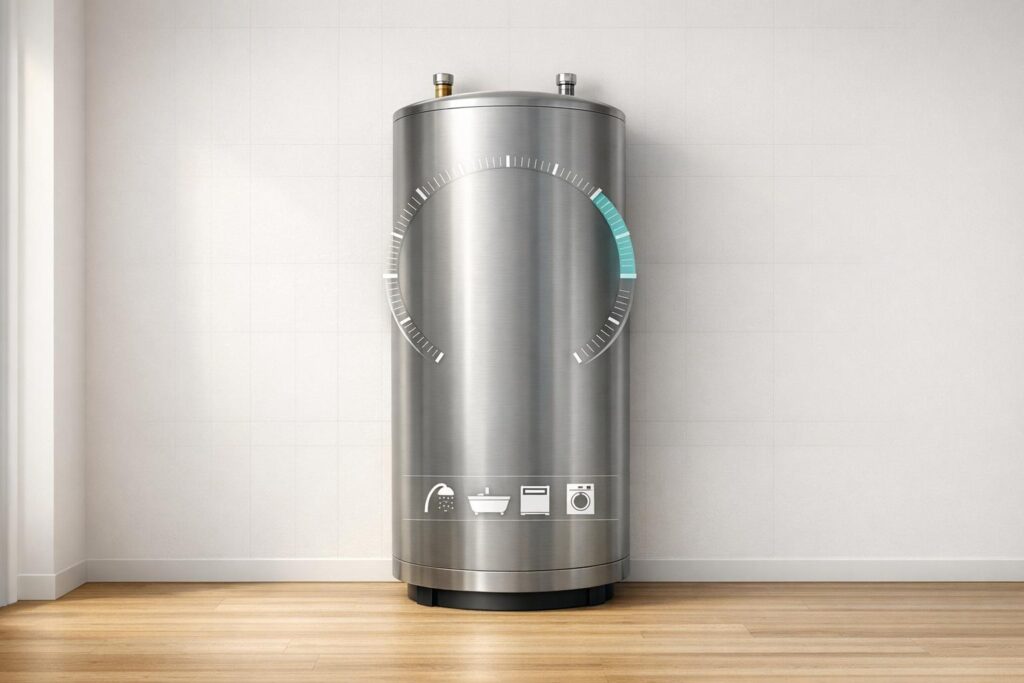
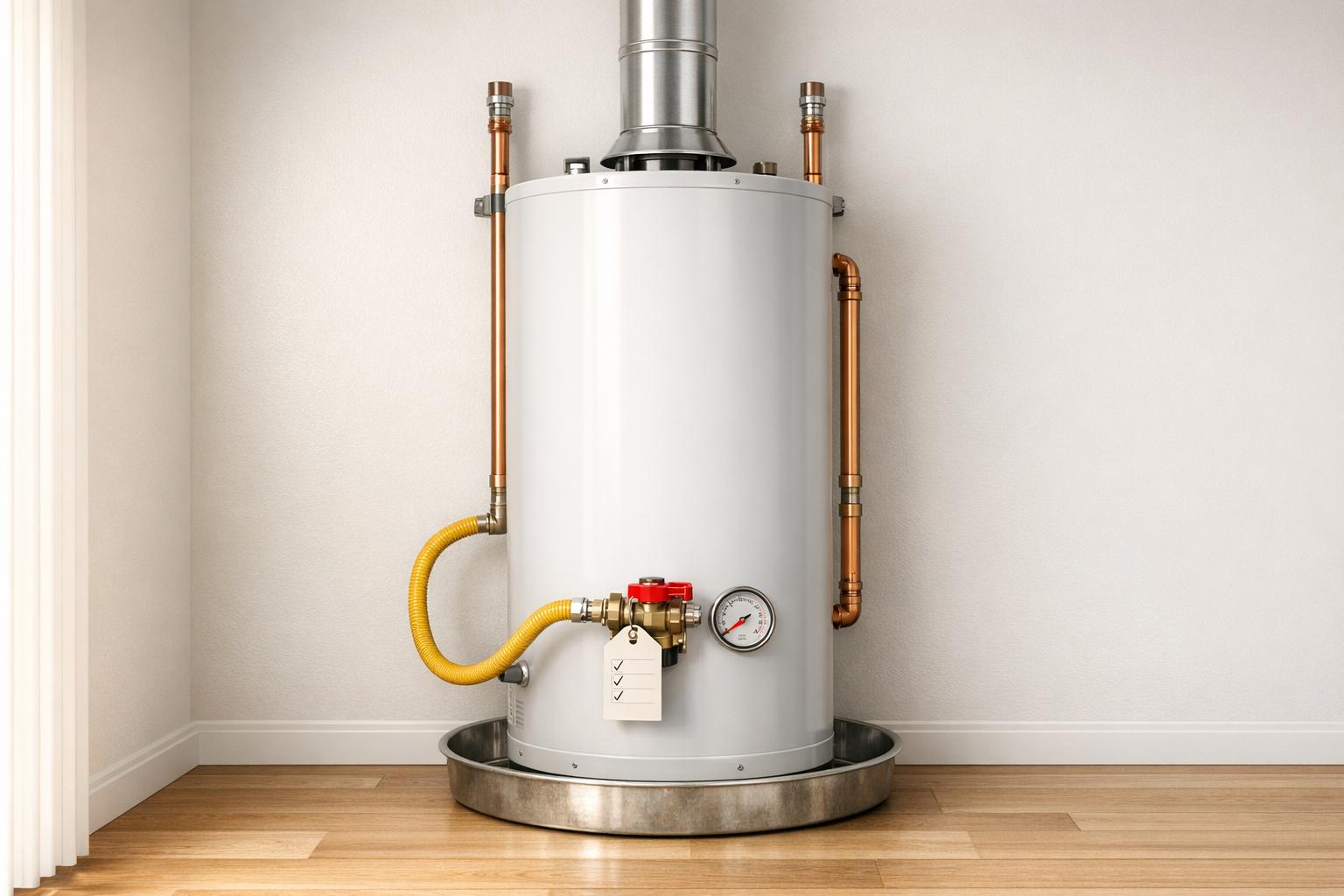
A properly sized unit ensures you’ve got enough hot water during peak times—like morning rush hour when everyone’s getting ready. For traditional tank models, this means calculating total gallons needed, while tankless options focus on flow rate to match demand. Beyond comfort, the right system can lower utility bills and extend the lifespan of your equipment. Whether you’re upgrading an old unit or installing one in a new space, starting with accurate data about your needs makes all the difference. Pair this insight with expert advice, and you’re set for a solution that works for years to come.
FAQs
How do I know if I need a tank or tankless water heater?
It really depends on your space and hot water demands. Tank systems store a set amount of hot water, so they’re great if you’ve got predictable usage and room for a big unit. Tankless heaters, on the other hand, heat water on demand, which saves space and energy but might struggle during peak times if not sized right. Our calculator helps by recommending a capacity or flow rate based on what you pick, but chatting with a local pro can nail down the best choice for your setup.
What if my household size or water usage changes?
No worries! Hot water needs can shift with new family members, guests, or changing routines. That’s why we’ve built a reset feature into this tool. Just come back, tweak your inputs, and get a fresh recommendation. It’s a quick way to stay on top of your needs without starting from scratch.
Can I trust the calculator’s recommendation for installation?
Our tool gives you a solid starting point based on standard hot water demand charts and peak usage patterns. That said, every home is unique—things like pipe length or local climate can play a role. We always suggest consulting a licensed plumber or installer to confirm the size and handle the setup safely. Think of this as your guide, not the final word.
Need a Plumber in Round Rock?
Get fast, reliable service from licensed professionals.
Or call us now: (512) 598-4241